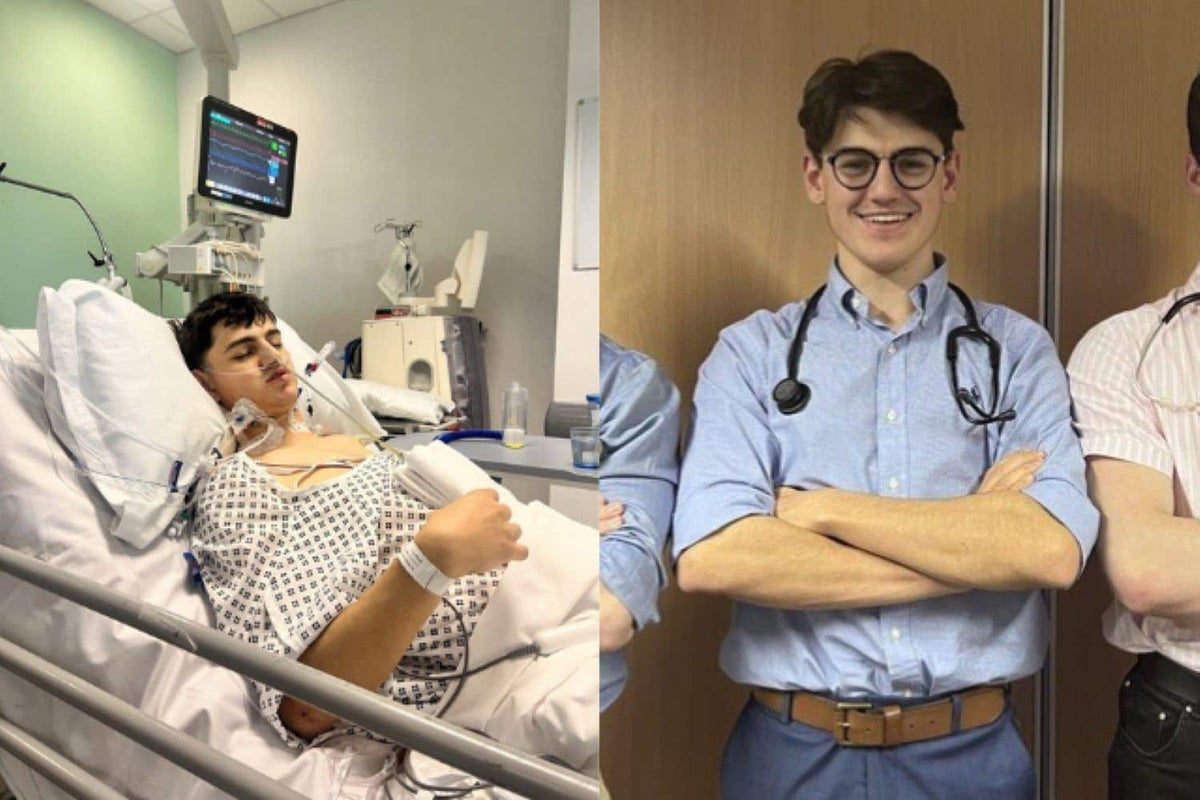
A medical student who endured a gruelling 14-hour dual kidney and liver transplant operation shortly after his 21st birthday now harbours an inspiring ambition: to become a surgeon himself and help others facing similar challenges.
Andy Prigg, originally from near Chester, was born with autosomal recessive polycystic kidney disease (ARPKD), a rare genetic condition severely impacting the kidneys and liver.
The life-changing call for the transplant arrived in June 2024, just as he completed his second year at Sheffield University.
According to the NHS, ARPKD can manifest in a range of serious issues, including underdeveloped lungs leading to severe breathing difficulties in infancy, high blood pressure, excessive urination and thirst, impaired blood flow through the liver, and a progressive decline in kidney function, known as chronic kidney disease (CKD).
Despite struggling his whole life with the condition, Mr Prigg noticed that his health deteriorated quicker at university.
“The tiredness crept up a lot more, so I just felt shattered all the time,” he said.
“I felt really groggy, and particularly with working out I wasn’t recovering as quickly.”
After numerous meetings and assessments, it was determined that Mr Prigg was eligible for a pre-emptive transplant and he was placed on the national waiting list for a combined kidney-liver transplant in January 2024.
He shared that he struggled both physically and mentally during this limbo period while he awaited the transplant call.
“It’s horrible. It’s a really strange situation, because you’re in two minds about it,” said Mr Prigg.
“You’re angry at the situation you’re in but you also want a phone call selfishly because it means you’re going to get sorted. But at the same time you don’t want a phone call, because it’s a huge operation and you could die during it.
“Also, you don’t want a phone call because it means someone else has died.”
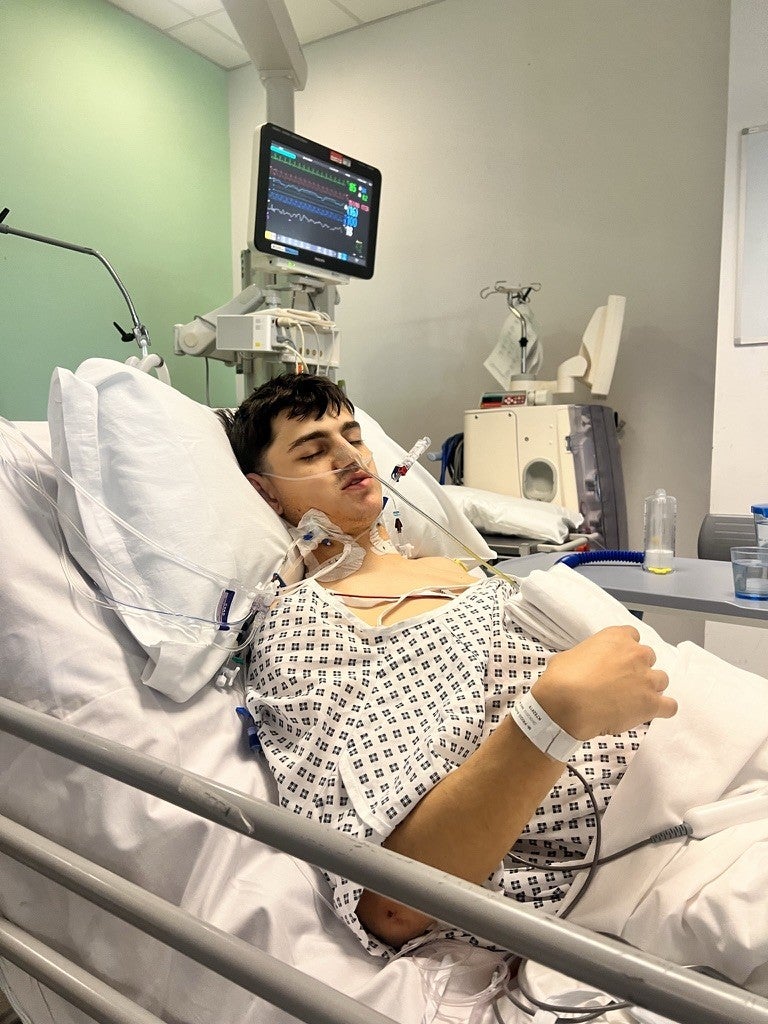
He finally received the call on June 4, 2024 and had the major operation the next morning at the Queen Elizabeth Hospital Birmingham.
“It was 14 hours under the knife, then five days in ICU and 10 days in hospital, and initially it felt like I had been hit by a bus,” Mr Prigg said.
“Because the surgery involved two incisions on either side of my body, it was very difficult to sleep as I couldn’t roll onto either side.
“But I started to feel progressively less bad each day – and by the end of September, I felt better than I did before the transplant, which was surreal.”
Despite the rough recovery, Mr Prigg said the transplant has been life-changing.
“It’s completely different because I’ve never had real function like this, my liver has never been as good as it is now,” said the medic student. “I now have more energy and am doing lots of more things.
“I’ve also got much more time and brain space to do transplant research alongside med school and, most importantly, to just enjoy life.”
He added that his experience with “brilliant” doctors throughout this whole journey is what inspired him to study medicine.
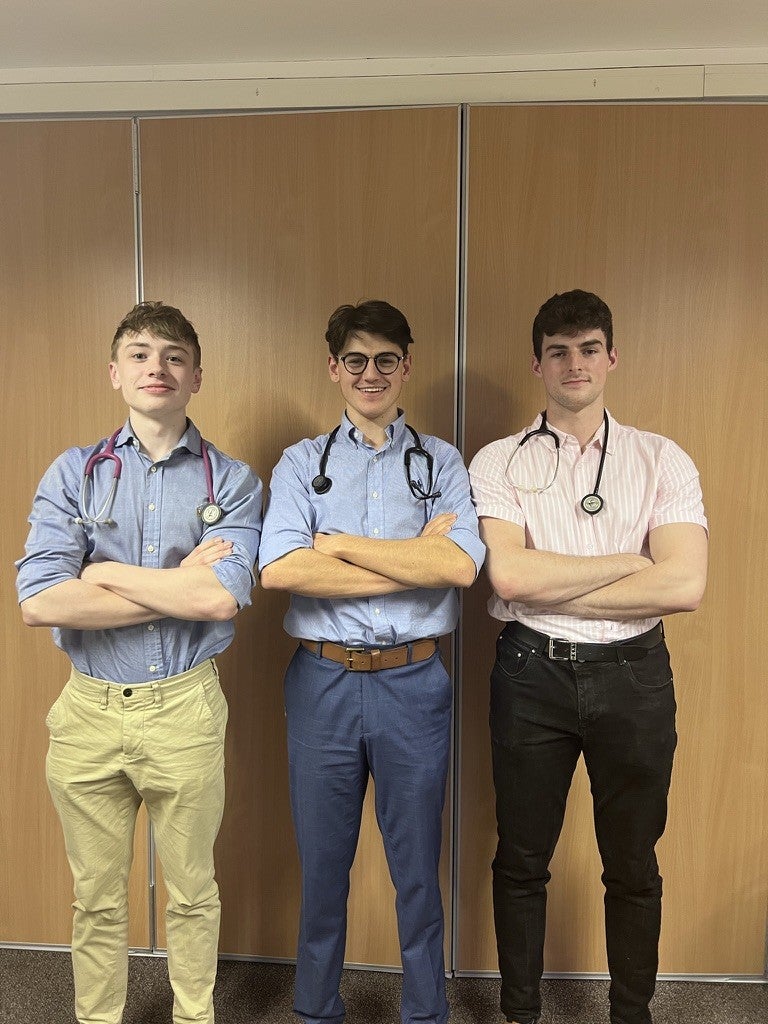
“I’ve been ridiculously lucky to come across brilliant medics, particularly growing up, and that makes a real impression on you,” said the aspiring transplant surgeon.
“Being surrounded by a lot of sick kids gives you that perspective in terms of this one of the very few careers you can actually directly help people and feel a bit less powerless.
“I’m drawn to transplant surgery because of my own experience, and the fact that it has the ability to take a little something back from death.”
Andy is also keen to debunk common misconceptions about transplants.
“I was at Westminster speaking to MPs this time last year and they were completely gobsmacked that a guy of my age had had not just one but two transplants,” he said.
“There is also a stereotype that the only reason for a liver transplant is alcohol-related liver disease, which is wrong.”
Since his operation, Mr Prigg has also thrown himself into fitness and sport, including competing at last year’s Westfield Health British Transplant Games in Oxford, where he won two gold medals in the cycling time trial and road races.
Mr Prigg also plans to compete in the European Transplant Games in Arnhem, Netherlands, in June and hopes that sharing his story will help encourage people to consider to becoming an organ donor.
“Having the conversation with your family now about wanting to consent to organ donation when you are no longer alive means you could end up saving up to nine lives – and changing 50 more,” he said.
“That family conversation matters, because it’s your loved ones who grant or decline consent upon your death, and them knowing what you’d want takes the uncertainty away for your loved ones, and can help give a little hope in a really tragic situation.”
For more details about organ donation, visit www.organdonation.nhs.uk/register-your-decision/donate/