
June 2026 brings a host of celestial targets for astrophotographers, from a rare gathering of bright planets at dusk to conjunctions starring a delicate crescent moon amid the shortest nights of the year. Early in the month, Venus, Jupiter and Mercury parade together low in the post-sunset twilight sky, while mid-month offers a brief but valuable dark-sky window before the June solstice ushers in lingering twilight in mid-northern latitudes. Here’s everything you need to know about astrophotography in June 2026:
Read: 10 must-shoot events for astrophotographers in 2026
June 9-11: Venus and Jupiter in conjunction
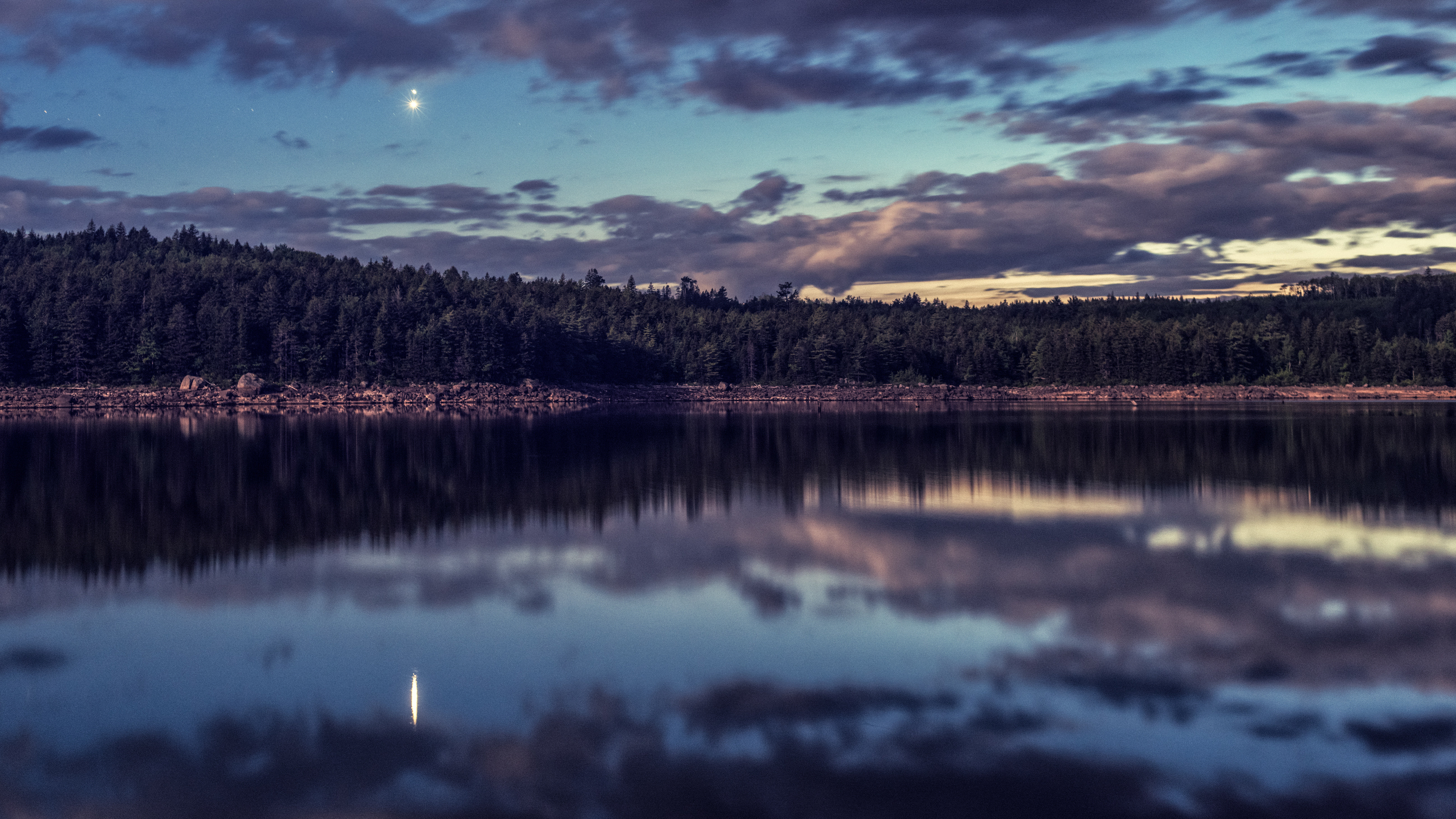
June begins with one of the most eye-catching planetary displays of the year. Look to the west-northwest about 30-45 minutes after sunset to see brilliant Venus and Jupiter drawing together in the fading light. Though Venus is highest above the horizon this year on June 5, it’s on June 9 that the two planets will be closest, separated by just over 1.5 degrees. They’ll appear as a striking double “star” low above the horizon, though — depending on location — it’s not until June 11 that Venus will shine right above Jupiter, creating arguably the most photogenic moment of the conjunction. Mercury will also be lurking beneath Venus and Jupiter, visible briefly low on the horizon. A short telephoto lens will help compress the scene and exaggerate the planets' closeness against a twilight landscape.
Read: The best cameras for astrophotography
June 8-19: Dark sky window
With the last quarter moon on 8 June, a valuable — if brief — dark-sky window opens for astrophotographers. In the nights that follow, the moon rises later and wanes toward new on 14/15 June, leaving the evening sky free of moonlight.
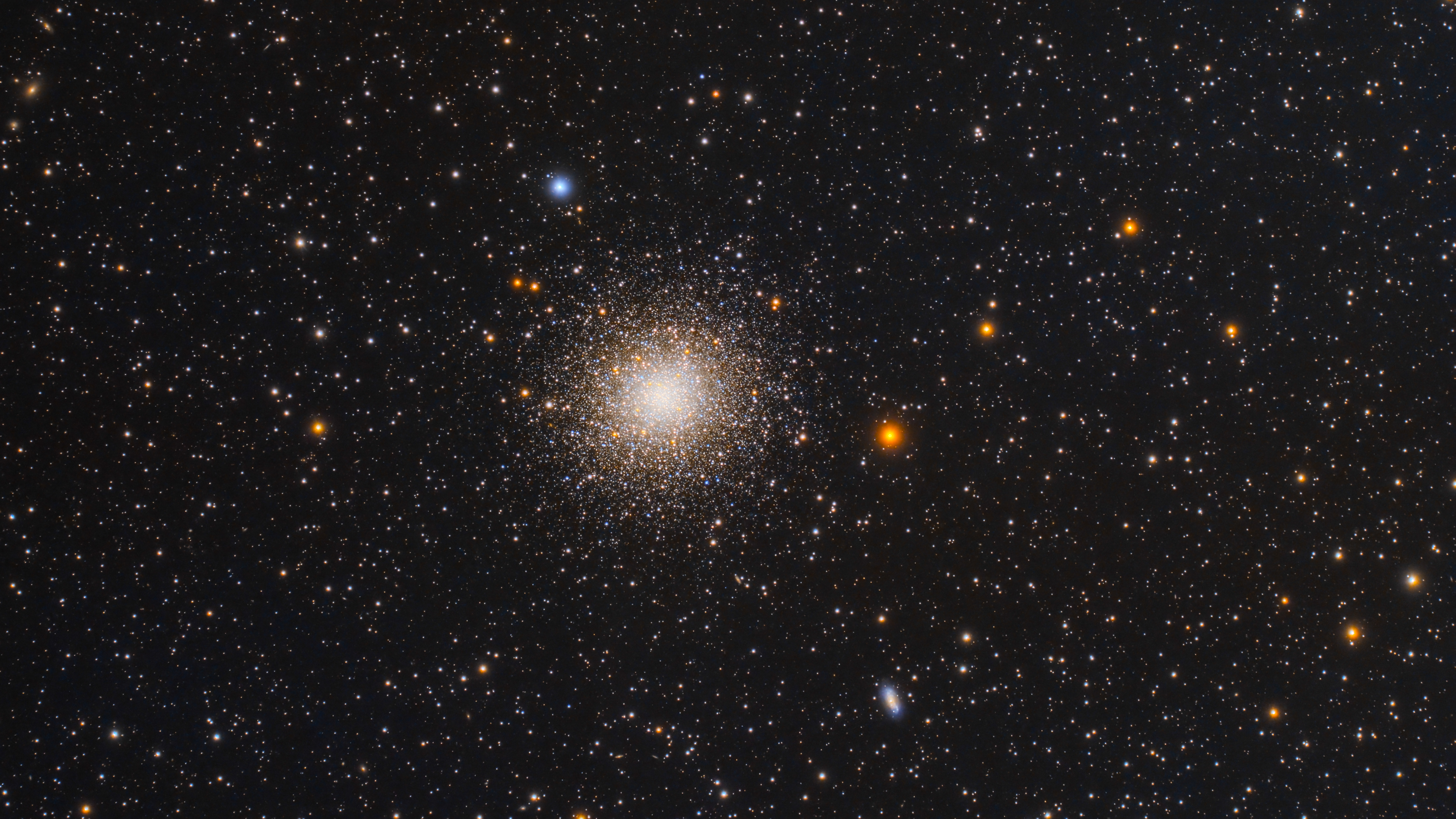
Even after the new moon, skies remain largely dark until around 19 June, when the waxing crescent begins to interfere. With nights rapidly shortening as the June solstice approaches, deep-sky imagers will have no time to waste, with classic summer objects including the Great Globular Cluster in Hercules (M13) and the Lagoon Nebula in Sagittarius.
Read: The best star tracker camera mounts
Saturday, June 13: Crescent moon and the Pleiades
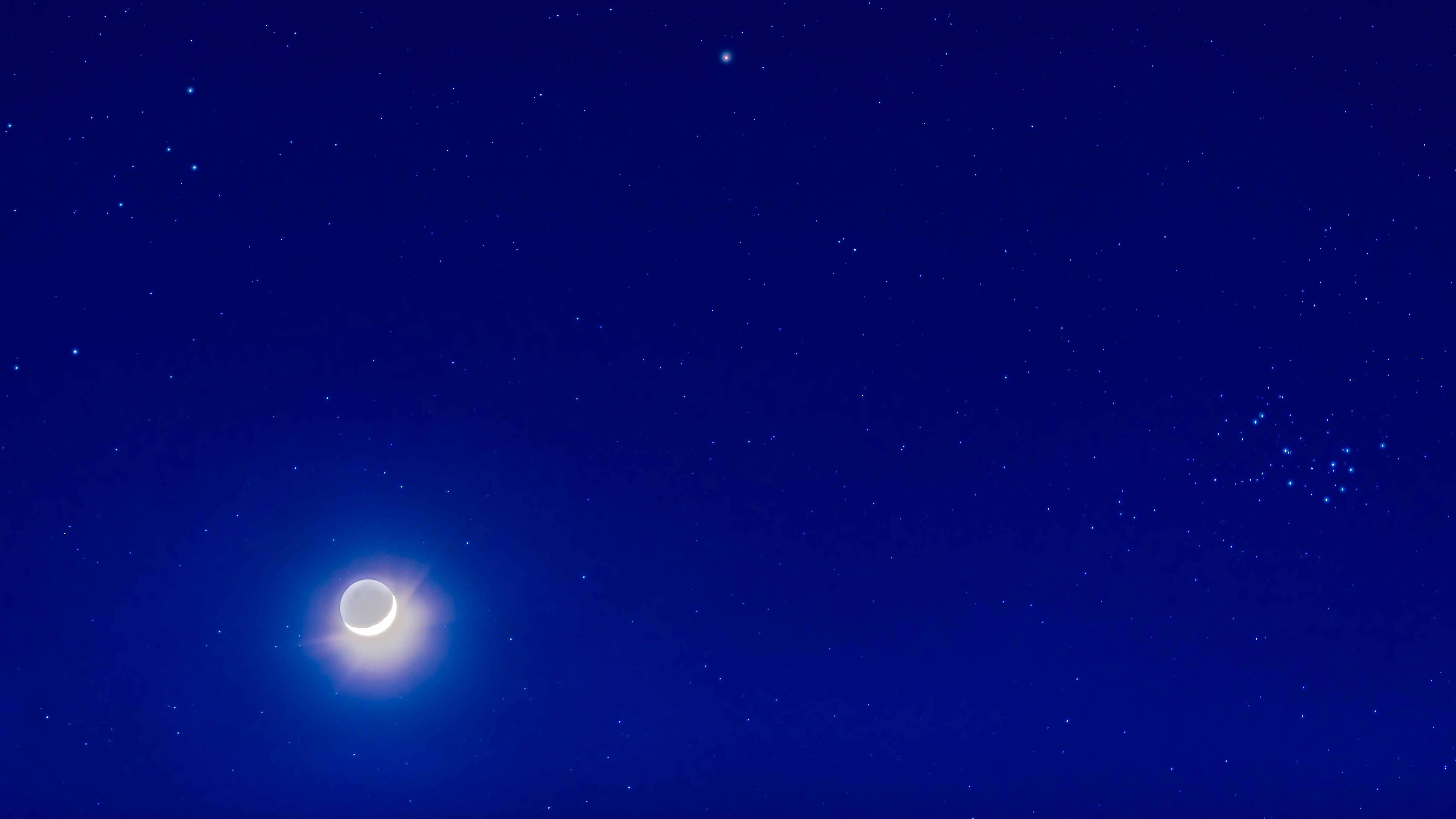
Early risers are rewarded with a delicate pre-dawn scene as a super-slim 5%-illuminated waning crescent moon rises in the east-northeast near the Pleiades open cluster (also called M45 and the Seven Sisters). Mars will sit just to the right of the pair. The fleeting sight of the moon and the Pleiades will be best captured using a telephoto lens before twilight brightens the sky.
Read: When to photograph the moon
June 17-18: Crescent moon meets planets and stars
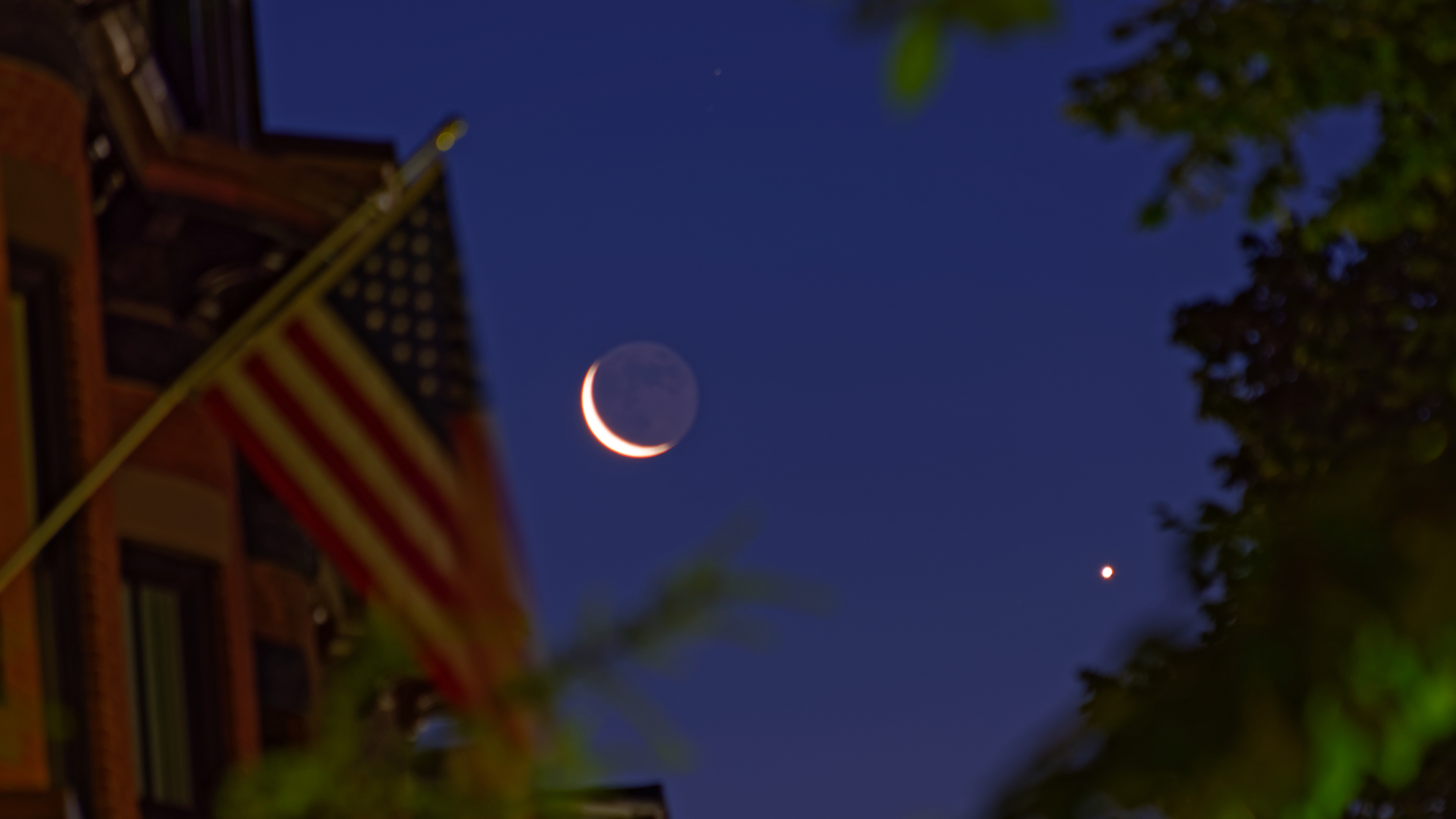
A series of photogenic encounters unfolds in the western sky after sunset. On 17 June, a young 5%-illuminated waxing crescent Moon appears between Jupiter and Mercury, with Venus shining brightly above. However, the sky will be relatively bright. The astrophotography highlight comes after sunset on 18 June, when a now 12%-lit moon will shine very close to Venus and pass in front of across the Beehive Cluster (M44), an open cluster of 100+ stars.
Read: Astrophotography: How-to guides, tips and videos
June 29: Full Strawberry Moon rises
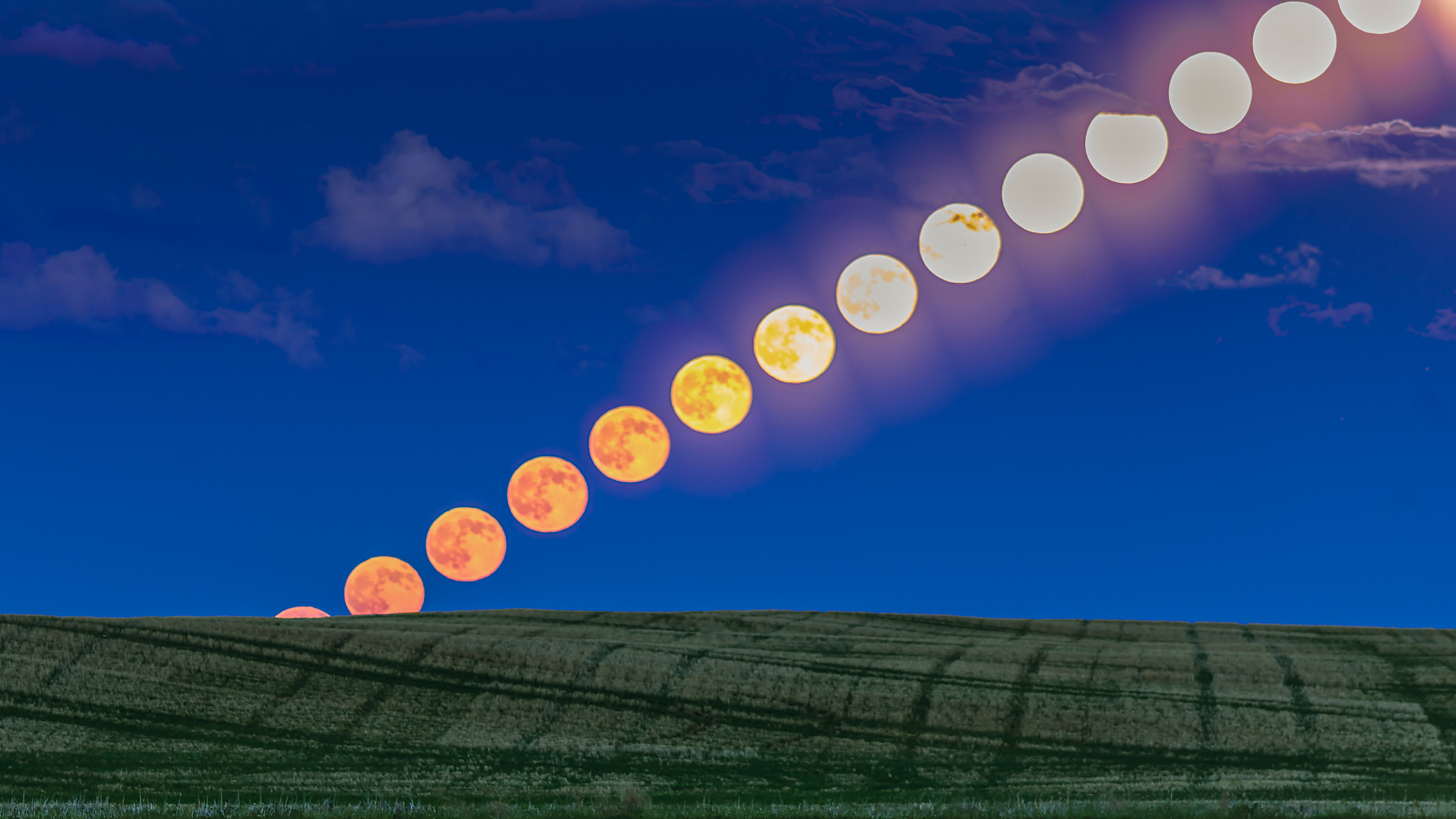
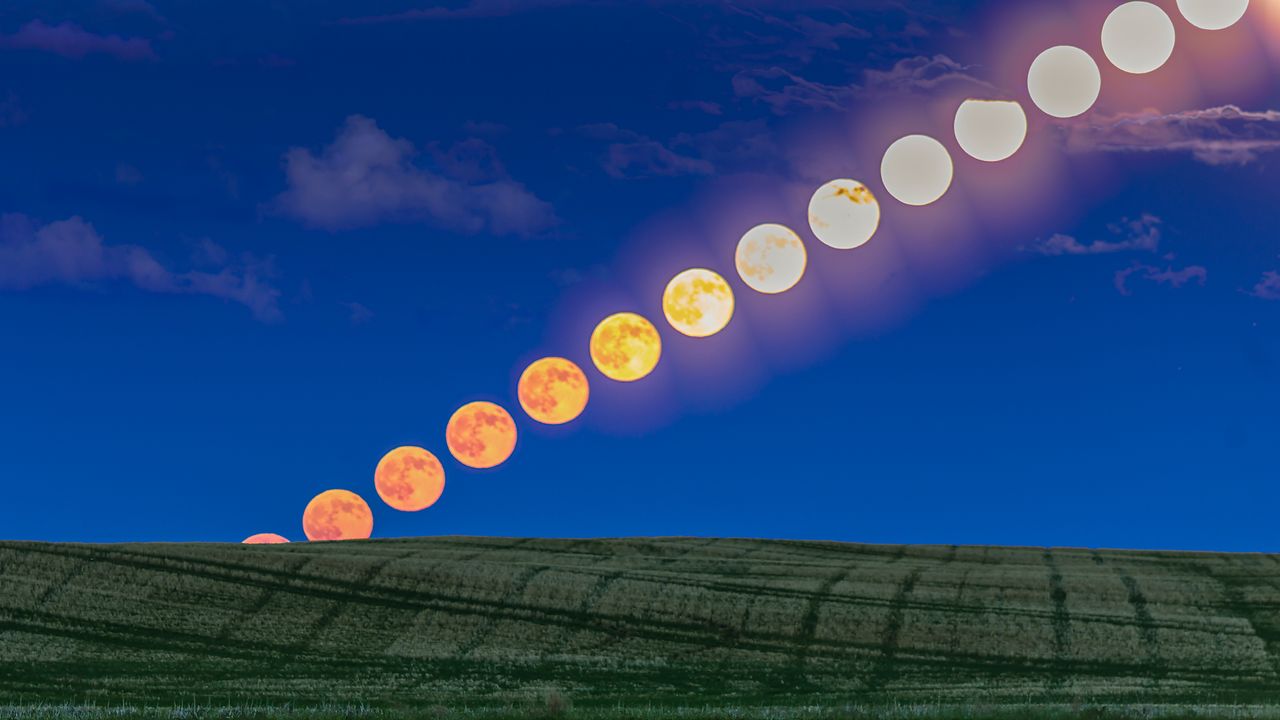
June’s full moon reaches its peak at 7:57 p.m. EDT, rising in the southeast at sunset. As always, the best time to photograph it is at moonrise, when it appears on the horizon looking larger than it is, and draped in orangey light due to Earth’s atmosphere. Foreground planning is key — use apps like PhotoPills and TPE (The Photographer's Ephemeris) to align the moon with buildings, landscapes or distant hills. A long lens (200–600mm) will exaggerate its size and create a more dramatic composition. An increasingly popular way to image the moon is with one of the best smart telescopes.
Read: How to photograph the full moon
• Astrophotography tools: the best camera, lenses and gear