December brings some spectacular targets for astrophotographers, chief among them the Orion Nebula, the Pleiades and the Andromeda Galaxy, which ride high on crisp winter nights. It’s also a great month to photograph the full Cold Moon, watch the moon sweep past brilliant Jupiter - acting as a bright Christmas Star — and image the prolific Geminid meteor shower in dark winter skies.
Here’s everything you need to know about astrophotography in December 2025:
Thursday-Friday, 4-5 December: A full Cold Moon
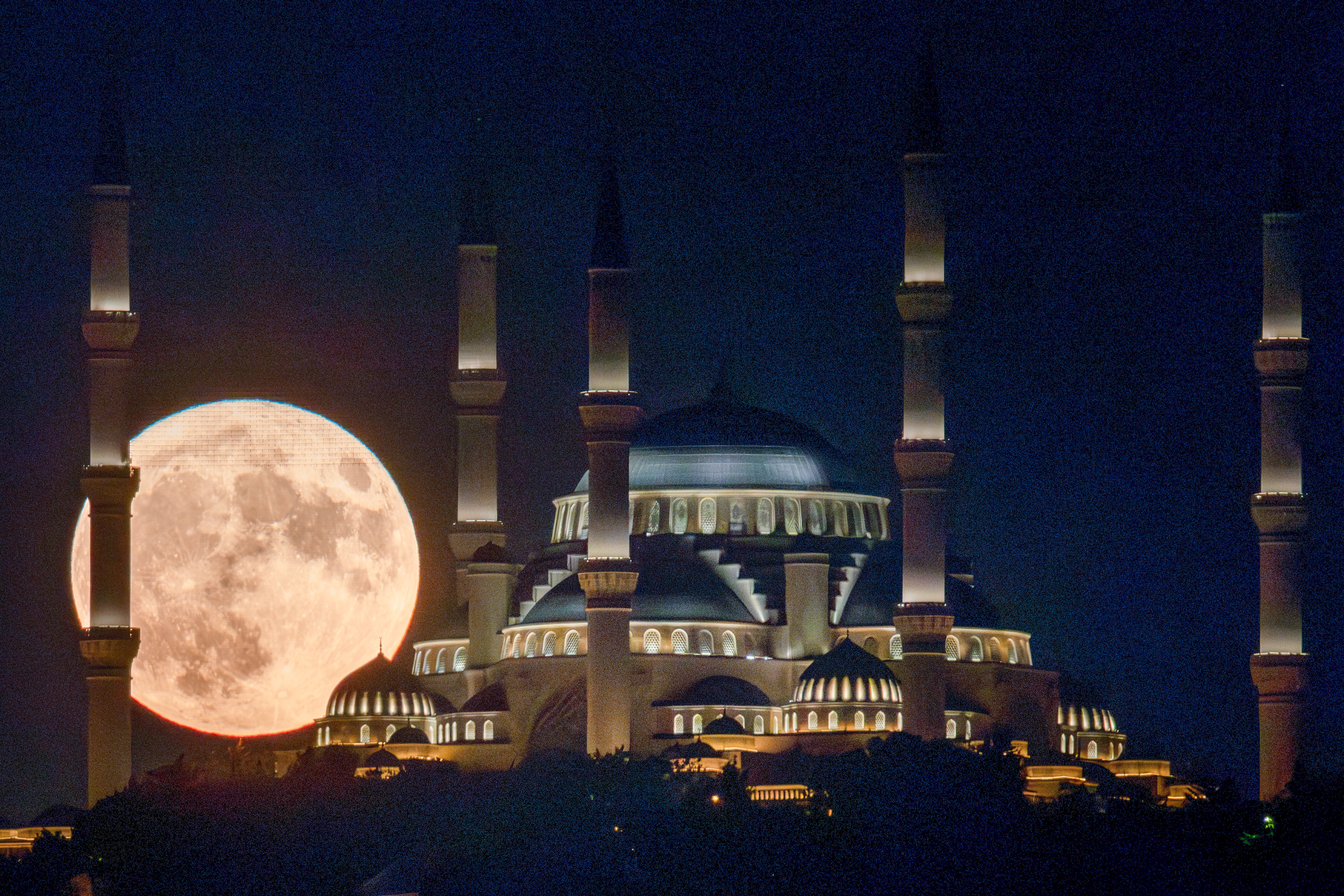
The final full moon of the year turns 100%-lit on Thursday, 4 December, but it’s the following evening when it will rise in a slightly darker sky and be more photogenic. Check the moonrise/moonset times for your location and be in position on time to catch the moon appearing between buildings and above mountains. Use apps and websites such as Photo Ephemeris, PhotoPills and Planit Pro to design the perfect shot.
Read: How to photograph the full moon.
Sunday, 7 December: Moon in conjunction with Jupiter
If there’s one planet that can make a play for the title of Christmas Star in 2025, it’s the planet Jupiter. Now shining at magnitude -2.6 in the constellation Gemini and rising in the east after dark, the giant planet will tonight be visited by an 85%-lit waning gibbous moon. Planetary cameras at the ready for the giant planet’s pink bands.
Read: Astrophotography tools: the best camera, lenses and gear
Thursday, 11 December-Monday, 21 December: Dark sky window
With the rise of the last quarter moon on Thursday, 11 December, a dark sky window opens that’s so valuable to astrophotographers. With the moon rising around midnight, then 50 minutes later each night, it means dark evening skies — and, by early next week, moonless nights.
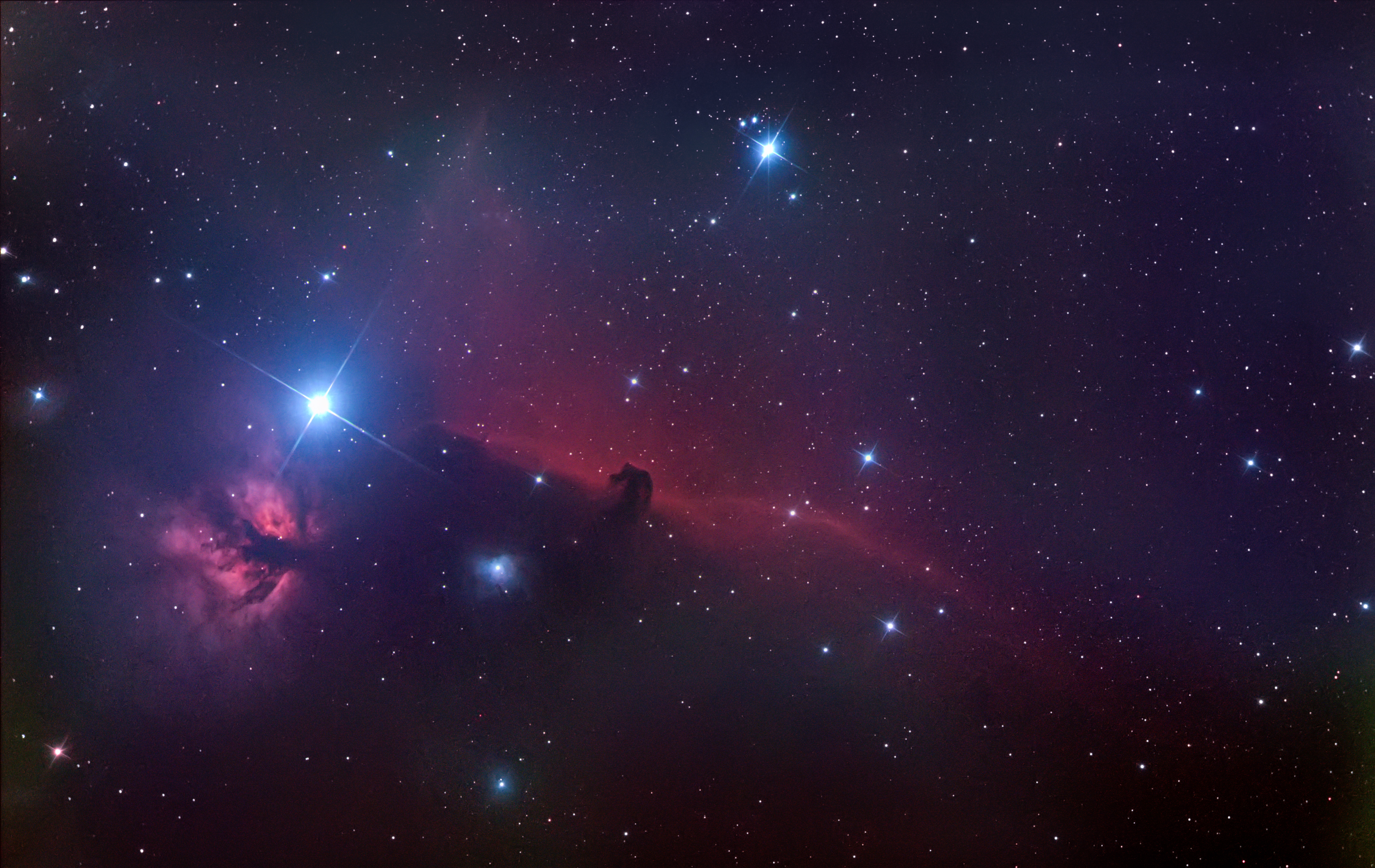
A new moon on Friday, 19 December, will be followed by an early-setting crescent moon for a few evenings. It’s a great opportunity to image seasonal deep-sky objects, which in December means the Orion Nebula (M42), Horsehead Nebula (Barnard 33), Pleiades (M45), Crab Nebula (M1), the three open clusters in Auriga (M36, M37, M38), Andromeda Galaxy (M31) and the Perseus Double Cluster (NGC 869 & NGC 884 — among many others. With Jupiter nearing opposition on 10 January 2026, it’s approaching its best.
Read: The best star tracker camera mounts
Sunday, 21 December: Solstice as the Ursid meteor shower peaks
There are two sky events occurring today — the solstice and “shooting stars.” December’s solstice — called the winter solstice in the northern hemisphere — occurs at 15:03 UTC. Cue photos of the sunset at Stonehenge (not the sunrise, which is a summer solstice alignment). Later that night, dust and debris left in the inner solar system by comet 8P/Tuttle will strike the Earth’s atmosphere to create about 10 shooting stars per hour in dark, moon-free conditions. The radiant point is in the constellation Ursa Minor in the northern sky.
Monday, 22 December: Crescent moon and Earthshine
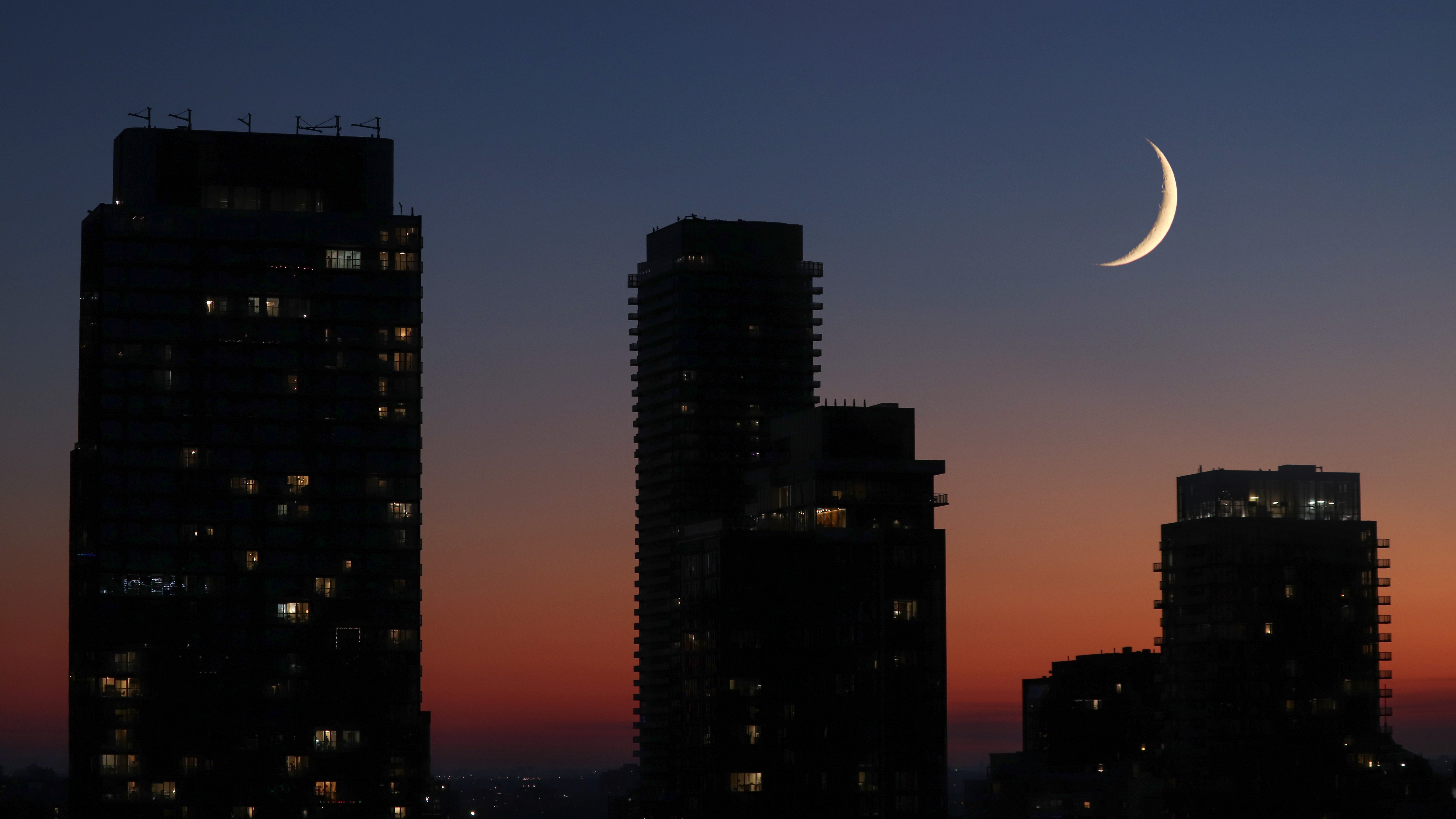
Here comes a string of evenings perfect for imaging a beautiful waxing crescent moon in the southwest just after sunset, complete with Earthshine — sunlight reflected by Earth back onto the moon:
Use an 85-200mm lens on a tripod, manually focus on a star, and then bracket exposures — one short for the crescent and a longer one to capture Earthshine — to create an HDR composite.
Read: The best cameras for astrophotography
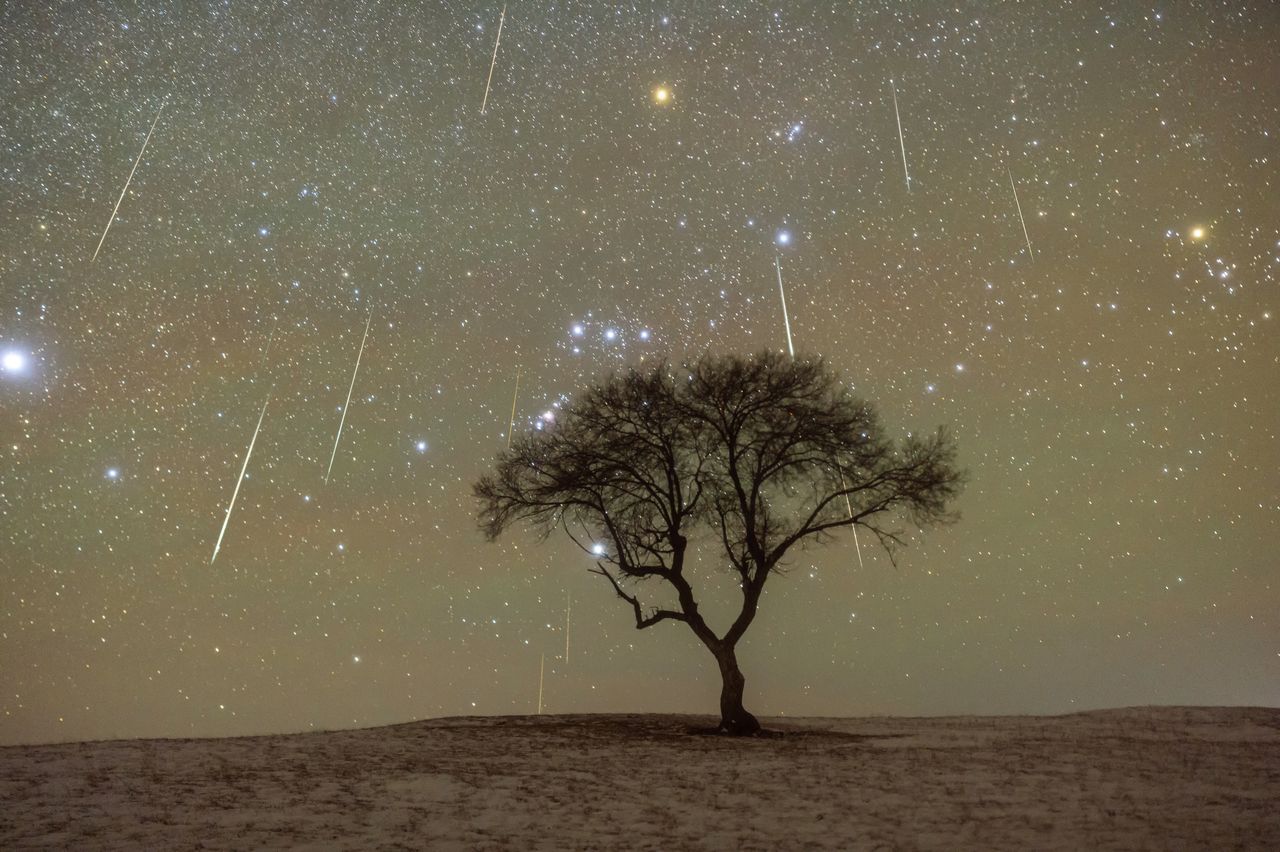
Astrophotography Shot of the Month: Geminid meteor shower
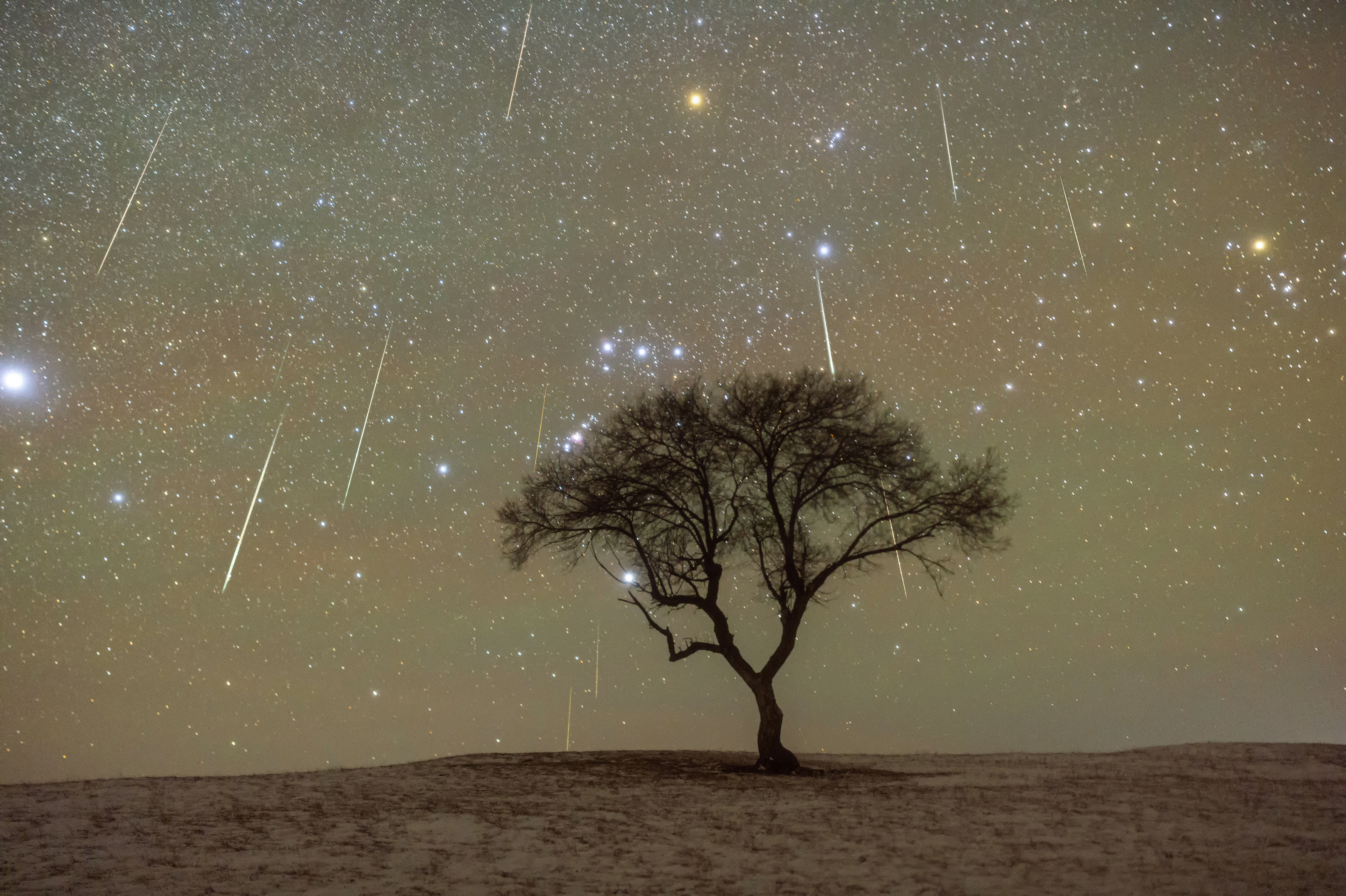
Peaking overnight on Saturday, 13 December, and Sunday, 14 December, the Geminds are the most prolific meteor shower of any year. Sure, there’s a high chance of cloud that will ruin any intentions other than capture its multicoloured “shooting stars,” but it pays to be ready because 120 meteors per hour are possible during its peak hours.
Set up a mirrorless or DSLR camera on a sturdy tripod with a wide-angle lens, focus at infinity (look for the ∞ mark), and open the aperture to f/2.8 or your lens’s widest setting. Begin with a 30-second exposure at an ISO setting of around 800-1600. Its meteors can appear anywhere in the night sky, but their trails will appear to come from the radiant in the constellation Gemini rising in the east after dark. Fire a few test frames and zoom in on the LCD to make sure the stars are sharp. Once you’re happy, switch to an intervalometer or a cabled remote and let the camera take frame after frame for a couple of hours (while you stay indoors/in the car, if it’s cold). Later, scan the shots for meteor trails, then drop the full sequence into the free StarStaX software to generate a star-trail image that reveals Earth’s rotation.
Read more: