Astronomy Photographer of the Year 2012 nominations – in pictures
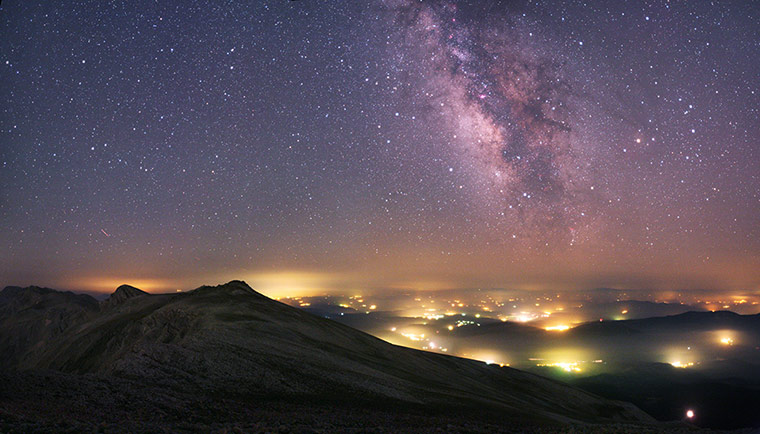
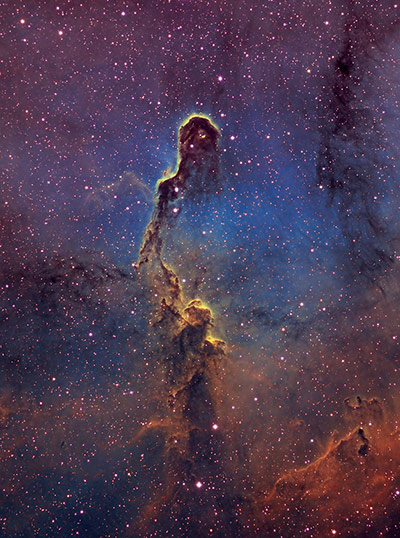
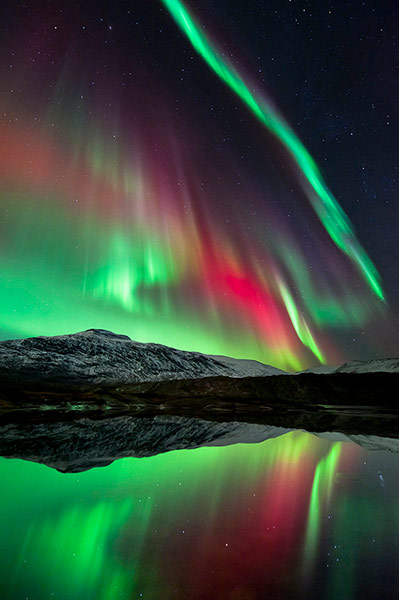
The Milky Way from the Uludag National Park in Turkey. The stunning natural spectacle hangs above manmade pockets of light from the towns and villages below Photograph: Tun Tezel/Royal ObservatoryThe Elephant's Trunk in the constellation of Cepheus. New stars are forming deep within the dense clumps of dust and gas that make up the trunkPhotograph: Bill Snyder/Royal ObservatoryThe aurora borealis over Høgtuva Mountain in Norway. The Earth's magnetic field funnels particles from the solar wind over the polar regions. More than 80 kilometres above the ground, these collide with molecules in the atmosphere causing them to glow: green and pale red for oxygen and crimson for nitrogen Photograph: Tommy Eliassen/Royal Observatory
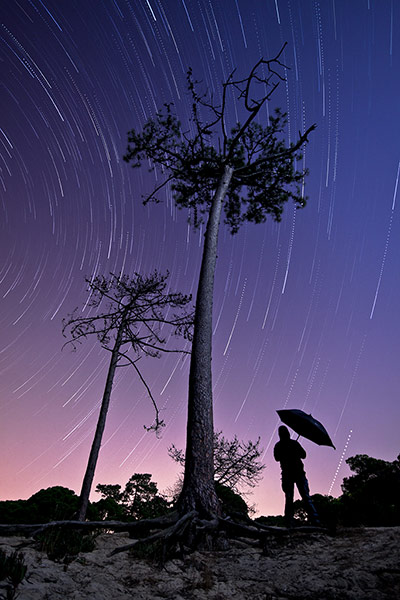
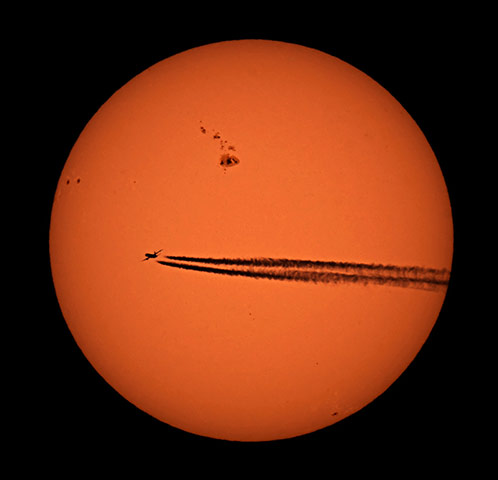
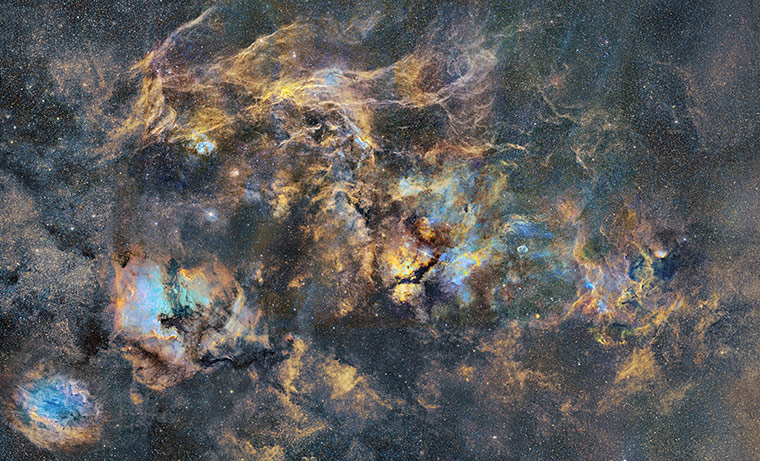
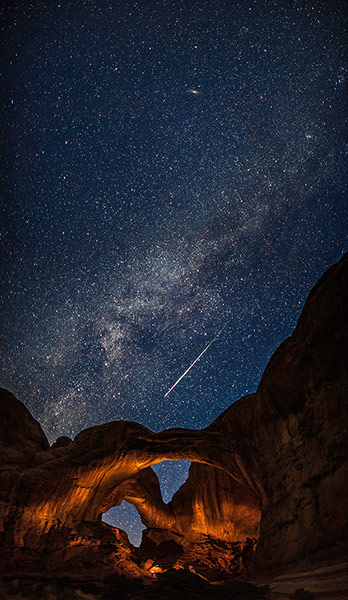
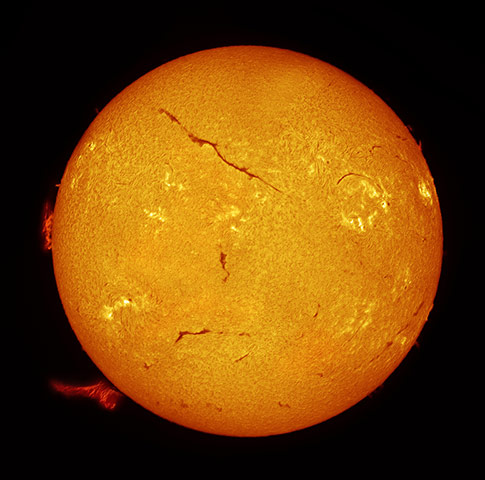
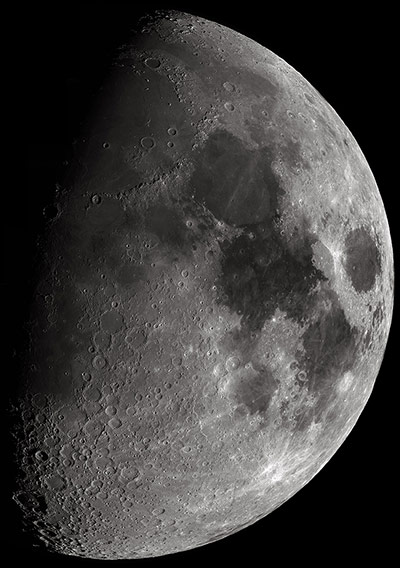
Raining stars: In this time-lapse picture stars appear to streak across the sky as the Earth rotates. The path of the planet Jupiter is visible to the right of the silhouette Photograph: Miguel Claro/Royal ObservatoryAn enormous complex of sunspots – regions of the Sun's surface where intense magnetic fields are suppressing the upwelling of heat from the star's interior – is visible in this shot, which also captures a jet and its trails in silhouettePhotograph: Dunja Zupanic/Royal ObservatoryA mosaic image of the constellation of Cygnus reveals massive clouds of colourful glowing gas and lanes of dark dust. Their light would be too faint for the human eye to register, but long exposure times and special filters reveal them in all their glory Photograph: J-P Mets vainio/Royal ObservatoryA meteor streaks across the sky above Arches National Park in Utah during the annual Perseid meteor shower. The photographer used an artificial light source to illuminate and emphasise the dramatic rock formationsPhotograph: Thomas O'Brien/Royal ObservatoryVarious forms of solar activity are showcased in this image including a solar prominence, bottom left. The Sun moved towards the peak of its 11-year cycle of activity this year following an unusually long and quiet lull. Sunspots, explosive flares and prominences have been much more common than in previous years Photograph: Paul Haese/Royal ObservatoryThe Orion Nebula. In its centre, newly formed stars blast their surroundings with radiation, carving out a cavity in the dust and causing hydrogen gas to glow pink Photograph: Michael Sidonio/Royal ObservatoryA multi-image mosaic of the moon. Even a telescope with low magnification will only show a small part of the moon's surface at a time, so composite images such as this are needed to show large areas of its surface Photograph: David Campbell/Royal ObservatoryThe full moon sets behind the Alps and the Sacra di San Michele, or 'St Michael's Abbey', perched 1,000 metres up on Mount Pirchiriano in northern ItalyPhotograph: Stefano De Rosa/Royal Observatory
Sign up to read this article
Read news from 100's of titles, curated specifically for you.