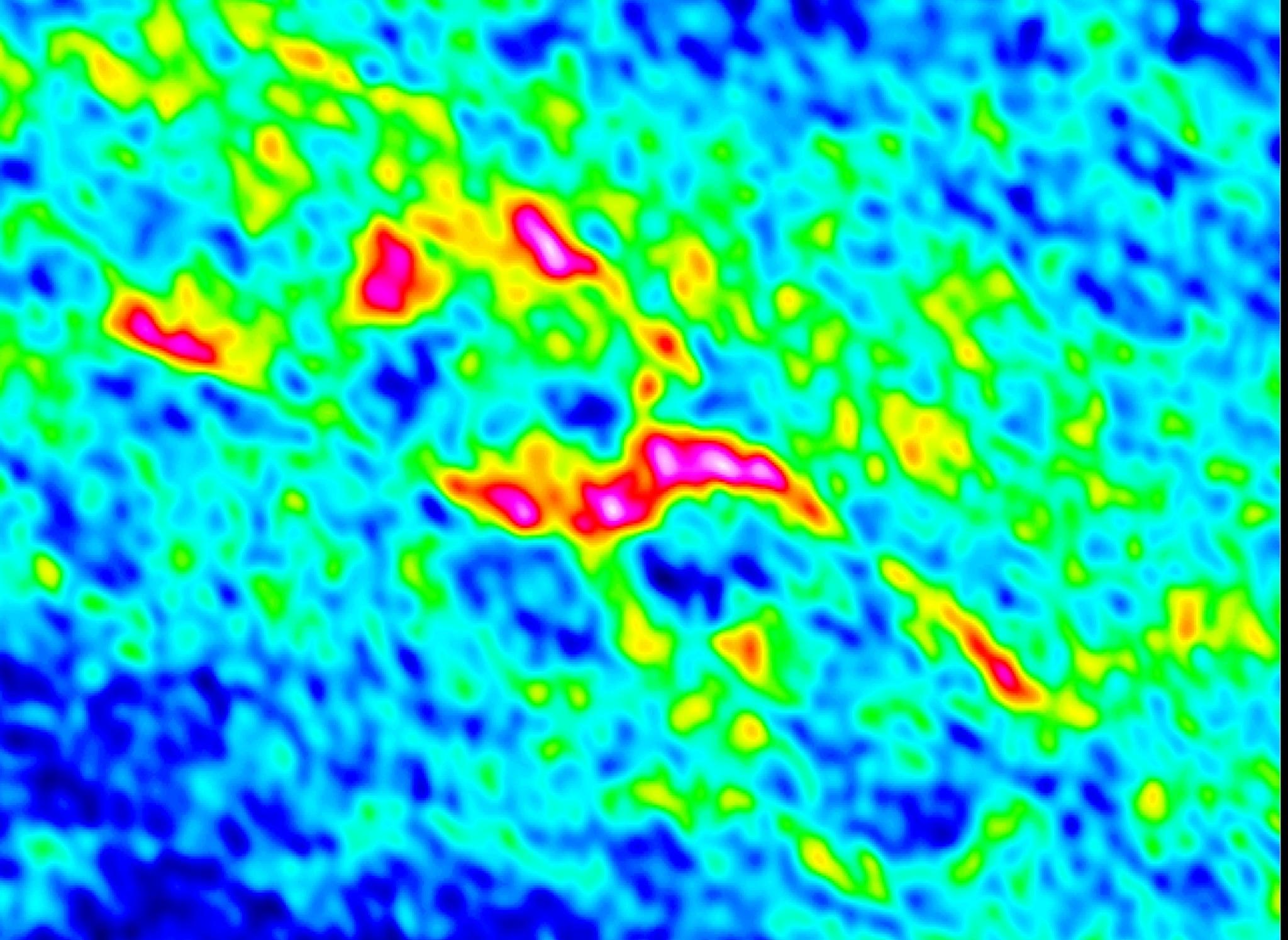
A tiny star deep in our galaxy could offer clues about how our Earth came to be.
The little star was first examined by young astronomer Yuki Okoda. What she might find could shed light on the very origins of our solar system.
But the baby sun is so far away, and so small and cool, that it might also turn out to be completely unknown.
What's more, it is hidden behind a cloud of gas and dust that surrounds it, meaning that what little light it sends out is getting hidden.
That cloud and dust is also what makes the young star so exciting, however. Scientists tried to explain the strange light that was showing up in the grainy images of the star – and did so using a model that suggested it was covered with the disc of material.
"The greatest academic challenge I've faced was trying to make sense of grainy images. It's extremely difficult to know exactly what you're really looking at," says Okoda, who was alerted to the strange data by University of Tokyo assistant professor Yoko Oya. "But I felt compelled to explore the nature of the structures Dr. Oya had seen with ALMA, so I came up with a model to explain them."
Eventually that material could become a protoplanetary disc. And from that there will eventually form a planetary system just like our own solar system.
"We can't say for sure this particular disk will coalesce into a new planetary system," explains Oya. "The dust cloud may be pushed away by stellar winds or it might all fall into the star itself, feeding it in the process. What's exciting is how quickly this might happen."
By tracking that process and trying to learn more about the star, the astronomers could come to learn more about planets like our own Earth form. And they will be able to understand what happens around such small and dim stars.