Asperatus: gathering storm to force new cloud name
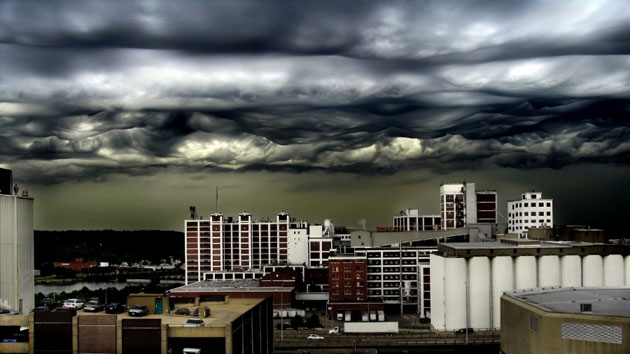
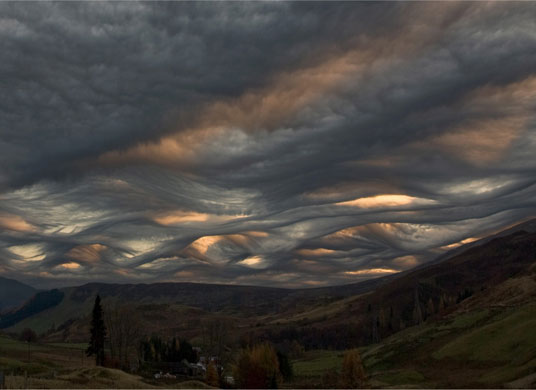
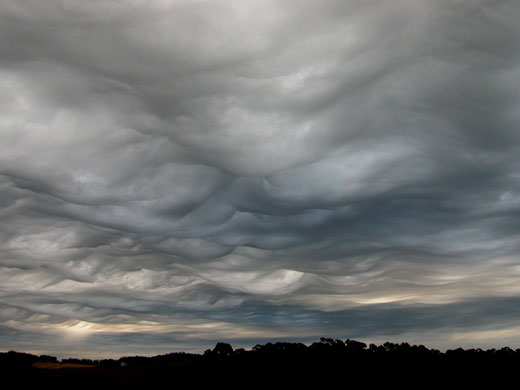
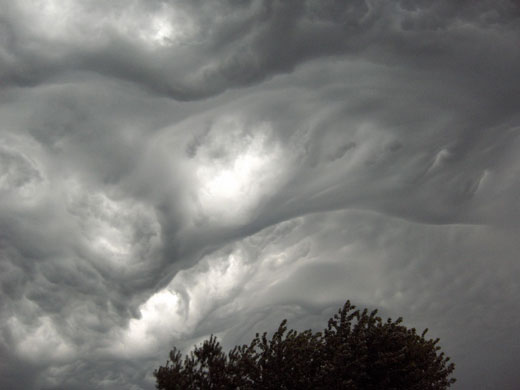
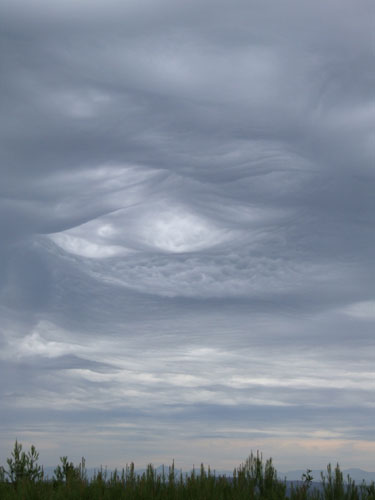
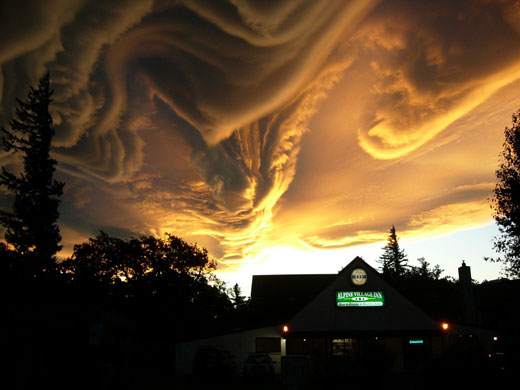
Asperatus clouds over Cedar Rapids in Iowa, US. Gavin Pretor-Pinney, founder of the Cloud Appreciation Society is working with the Royal Meteorological Society to get them officially designated as a new cloud typePhotograph: Jane WigginsSchiehallion in Perthshire, Scotland. The name asperatus comes from the Latin for to roughen or agitate. Virgil used the word in a poem to describe the surface of the sea whipped up by the north windPhotograph: Ken PriorBurnie in Tasmania, Australia. “They don't seem to fit very easily into the existing classifications,” said Gavin Pretor-Pinney who runs the Cloud Appreciation SocietyPhotograph: Gary McArthur
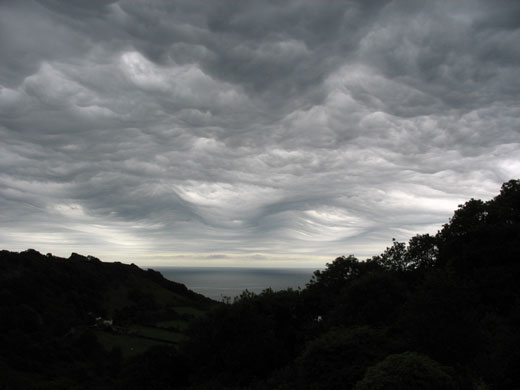
Combe Head, Salcombe Regis, Sidmouth, Devon. The last new cloud type to be classified was cirrus intortus in 1951. The last time the classification system was changed at all was in 1953Photograph: Richard HuntingtonAsperatus clouds over Illinois, US. The Royal Meteorological Society would need more information about weather patterns that form so-called aspertus cloud to define it as distinct from undulatus clouds, which means wavelike in LatinPhotograph: Martha TenneyAsperatus clouds over Nîmes, France. It will now take some time to check that these clouds do not fit into existing categories. Then the Royal Meteorological Society will take a case to the World Meterological Organisation in Geneva. “We have still got some investigation to do,” said a spokesperson for the RMS. “We are a few months away from taking anything to the WMO.”Photograph: Trevor BoultHanmer Springs, South Island, New ZealandPhotograph: Merrick Davies
Sign up to read this article
Read news from 100’s of titles, curated specifically for you.