Another week, another set of fascinating anthropological indie questions to wade through. Thanks for all the posts and remember – if you have a question you'd like me to answer, post a comment below or email TheIndieProfessor@gmail.com
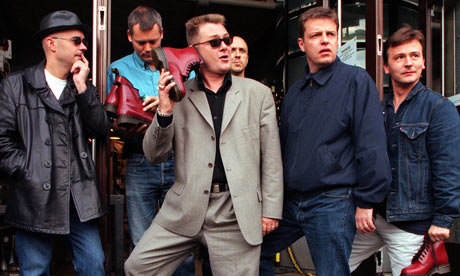
Why is indie tied in with Converse sneakers and grunge linked with Dr Martens?
Anon via email
Shoes are an important element of a sartorial aesthetic, sending subtle signals of participation in a music scene. Forms of adornment often indicate affiliation or social status. For example, Zulu earplugs signified that the individual wearing them participated in a ritual to attain social maturity. However, earplugs could signify anything from clan identity to regional origin and prestige. Footwear purchases combine concerns over aesthetics, functionality, price and durability. Dr Martens represented a clear desire for grunge rockers to be connected to punk. Punk adopted Dr Martens because of the boots' connection with the working class, seen as rebellious and anti-establishment. Dr Martens' durability adds to their appeal, especially for those without much disposable income. They also fare well at gigs with a lot of physical contact.
In the 1990s, the indie shoe of choice was Adidas. Indie style has been consistently modest with the idea that clothing should be everyday wear. The flat athletic shoe fits well with ordinariness and the three-chord structure of much indie music (three chords on your guitar, three stripes on your shoulder, three stripes on your shoes). Most importantly for indie is nostalgia, a longing for the past. Children's shoes will always have a place in the movement. Keds, Converse, ballerina flats or any shoe that evokes childhood will have a place in the indie sartorial landscape. Athletic shoes are also functional for shows with pits or crowd-surfing. It's much less painful to be kicked in the face with an athletic shoe than a pair of boots.
I'd like to know why people would rather film shows than fully engage with them?
AngelesAngeles
Live music performances now serve an increasingly important function for audiences by providing content for the virtual presentation of their online selves. More time at gigs and other social activities is spent creating documentary evidence to upload on to social networking pages. Audience members are increasingly acting like tourists at gigs and in their everyday lives. They document their experiences rather than just experience them.
Any cyber identity needs content – so a person's life in the real world acts as a way of gathering material for their virtual avatar. To have a good cyber identity, it is important to chronicle exclusive activities, particularly social activities that express your taste. Online personae are often constituted by enumerating your consumer preferences. You didn't just go to Wild Beasts, you're the "type of person" that goes to Wild Beasts. A prominent gig is the ultimate "I was there" event. So much so that people often spend a good portion of shows not watching bands directly, but through the viewfinders of their camera phones.
People in the front row take a photo and then look at it on their mobile device before returning to watch. Obviously, looking at photographs means you don't focus on the performance in the same way. Your engagement becomes intermittent. Now with 3G, the tourist documentation function has escalated. Previously, you'd return home to update your cyber self, but now the communication is "I am at this show". This immediacy has created an escalating intolerance for boredom. At any point when a show is not stimulating enough, people disengage and communicate with non co-present others. They check Facebook, Twitter, text message, or other phone applications. Between sets people don't talk to strangers, they communicate with the friends they came with and their phones. Greater percentages of concertgoers are holding their mobiles throughout the performance, a technological supplement of the hand with an imagined limitless potential of connection. Admit it, some of you are on your phone right now, ignoring the people around you while read this.