As part of a structured training programme, long hours in the saddle might be great for our aerobic fitness - but what are the consequences to our posture? Especially in combination with working long hours at a desk, could we be causing ourselves greater issues down the line?
Let's take a look at the bigger picture. In this article, cycling coach Alex Welburn runs us through the key elements which influence our posture - some for the better, others for the worse. Most importantly, we’ll cover what you can do to minimize the risks and beat the slump.
A question likely pondered by us all at one point in our cycling days. Growing up, I recall the echoing remark of: ‘sit up, don’t slouch’, which if I’m honest, often fell upon deaf ears.
First of all, do you sit down during your job?
What you do in your day-to-day life away from the bike will have an impact, so before we dive into the cycling part, let's explore this. One of the common questions I ask my coached athletes (who aren’t pro cyclists) is: ‘what do you do for a job?’ And chief amongst the responses is: “I sit at a desk’’. Personally, I am either at my desk or running around the research laboratories at Loughborough. But, at the end of the day, I can often be at my desk for hours on end.
If you don’t have the appropriate chair and desk setup for work, this can lead to poor posture - which may lead to the sensation of tighter muscles. After all, spending 8 hours a day at a desk will add up over time, and problems which may seem minuscule at first can start to accumulate and grow.
In view of that, I suggest some regular stretching and band-work to get everything moving after a long day and before you cycle. If you are unsure, I recommend going to see a physiotherapist, even if it's just to check that everything is in good order.
I’ve had a few injuries in cycling and now take part in injury-prone sports (climbing and running). This, accompanied by long periods of time at a desk, means I see a physiotherapist every few months. A lot of it is for injury prevention. Remember prevention is key, as this allows you to remain consistent in your training and reduce the number of days lost due to injury. If you feel a niggle coming on and it’s not going away/settling, go seek help from a physio.
The importance of… bike position
If you have not had a bike fit, I would always recommend one. Yes, you might not be in pain, or feel anything is particularly wrong. But we are very good at adapting to a fit which may not be optimal. It’s only after a large amount of volume that we may find ourselves with an injury.
A cyclist averaging a cadence of 90 rpm over seven hours a week will turn the cranks over 37,800 times. Over time this could cause muscles to become tighter in certain places and interfere with our posterior chain - remember, everything is linked. This could translate over to our off-the-bike posture. So, a poor fit could impact your posture, like an unsupported seat/desk at work.
When I went for my first bike fit, I had a few knee niggles which were manageable and although I never felt 100% comfortable sitting on the bike, I managed it fine. I was then surprised at the difference a fit made, I felt as if myself and the bike were one and I was much more comfortable and stable producing the power.
At one point in my early stage of racing, I was prone to tight hamstrings due to a slight anterior rotation of my pelvis (pelvis rotated forwards, impacting the spine), likely due to irregular stretching and mobility work, intermittent strength work and sitting down. It wasn’t one thing, just an amalgamation of them all. But with some help from the physio and a good bike fit, this became old news.
I really can’t stress the importance of a good fit enough.
The importance of… strength and conditioning
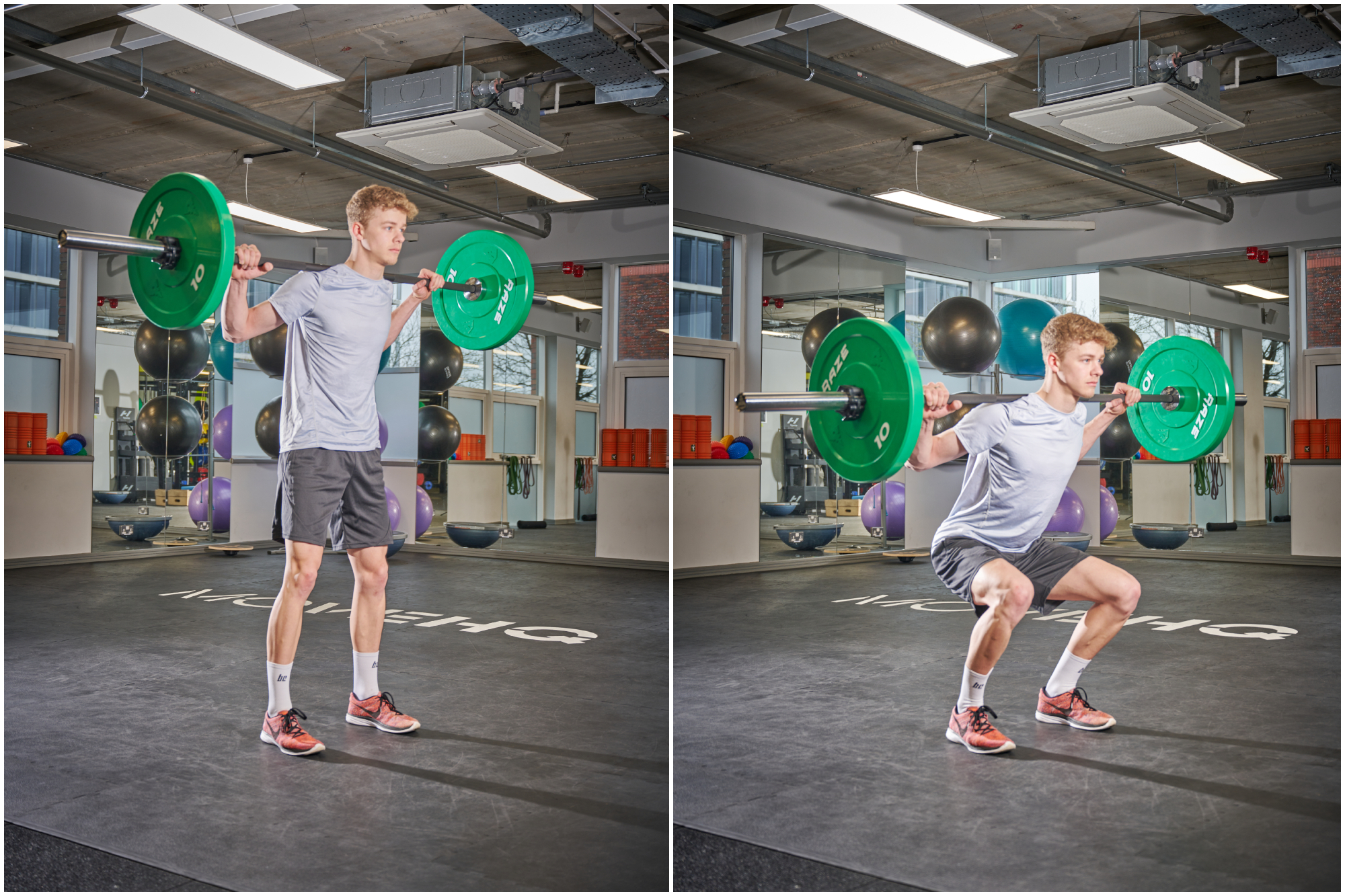
Having a strong posterior chain is considered advantageous in sport. Not only does it allow the transfer of power, but it can also help prevent injury. Does being a stronger and less injury-prone athlete not sound like a good thing? Not just from a performance view but also from a health perspective? A healthy and injury-free athlete is a consistent athlete.
Including strength and conditioning work can help prevent those niggles, and any imbalances you may have. You can work this into your training and even include movements outside of a cycling range of motion to help optimize joint health and overall improve your functional range of motion. I.e in full-range squats (if you are capable of them). The benefits don’t stop there: stronger muscles can help delay fatigue as well, and fatigue in certain muscles can start to alter your biomechanics which can influence performance.
Where should I start?
Collectively there are many things that can influence your posture or lead to injury and/or discomfort which often means pain and potentially time away from the bike, which is something many of us don’t want.
But as always there are things you can do to prevent this, ask yourself do I do any strength training? Do I regularly stretch? Have I had a bike fit? If you start to answer no to these then start there!
As always, if you are unsure about anything, contact your look physio and/or bike fitter.