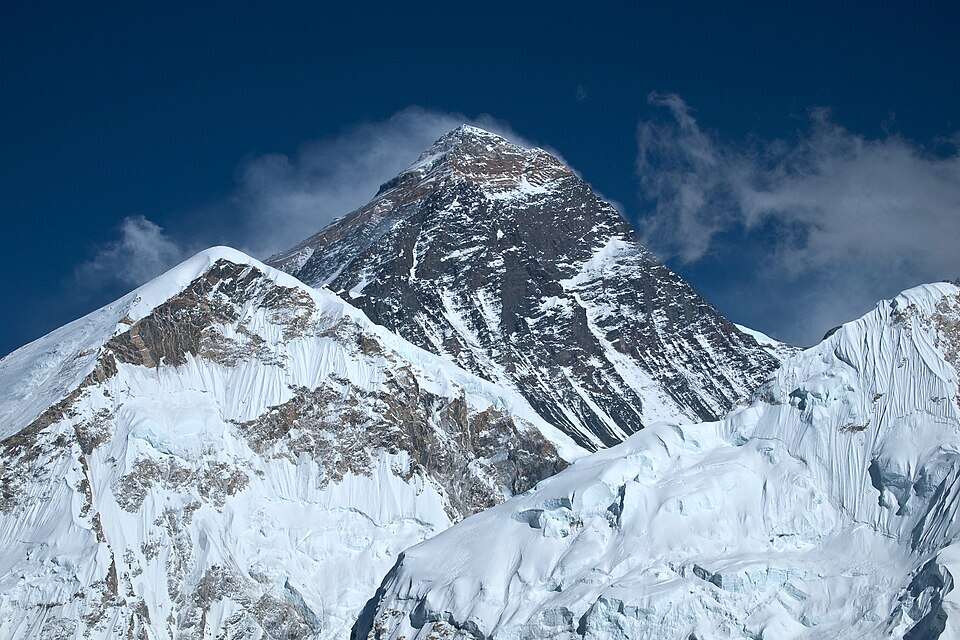
The Himalayas, Karakoram, Hindu Kush, Pamir and Tibetan Plateau are often called Asia’s Water Towers for one simple reason. The mountains contain large quantities of snow and ice that act as sources for some of the biggest rivers in the continent, including the Indus, Ganges, Brahmaputra, Yangtze, Yellow, Mekong, and Amu Darya.
Get breaking news anytime, anywhere. Download the TOI app now!
Over many years, experts have been looking at the issue of reduced glaciers and how they may pose a threat to the water supply. However, according to new research, there is another looming danger that requires immediate attention. Due to climate warming, the mountains are becoming increasingly unstable, increasing the chances of dangerous flooding, landslides, and debris flows affecting the downstream population. According to a new review published in the journal Hydrosphere , it is now clear that climate change is drastically changing the hazard landscape in the High Mountains of Asia.
The abstract says the review synthesizes a multi-source hydrogeological hazard database, field observations, and prior literature to map how climate warming is intensifying glacier retreat, meltwater discharge, altered precipitation, and permafrost degradation. It singles out ice–rock collapses, glacial lake outburst floods, landslides, and debris flows as the key growing threats, and calls for stronger early-warning systems, adaptation measures, and transboundary cooperation.
Mountains warming faster than previously thought
High Mountain Asia has experienced higher levels of warming in recent years than the global average. Warming has increased glacier melt, thawed permafrost and altered rainfall patterns. The authors of the review highlight the fact that all these processes are interconnected. Glacier mass loss and permafrost degradation cause failures of the rock slopes that used to be reinforced by ice. Moreover, an increased amount of meltwater and extreme precipitation can cause landslides and debris flows to occur in the valley.
As a result, climate change is increasing the risk of ice-rock avalanches, glacier outburst floods, landslides, and debris flows.
Lakes on the glaciers are expanding, posing new threats
The most significant issue here is the fast development of glacial lakes.
When glaciers melt, the water can be collected in natural dams created from rock debris. Such lakes can exist for several years, but sometimes they collapse due to heavy rains, landslides, earthquakes, or collapsing ice. This phenomenon is called a glacial lake outburst flood (GLOF), and it releases large quantities of water in a very short period of time, destroying roads, bridges, hydroelectric power plants, and other buildings and infrastructure.
A study recently published in Remote Sensing, available through MDPI , highlights the increase in the number of potential glacial lakes with a possible outburst flood in High Mountain Asia, although it is hard to predict when exactly the lake will collapse.
It is believed that the larger size of the lakes, their instability, and extreme weather contribute to the complexity of the situation.
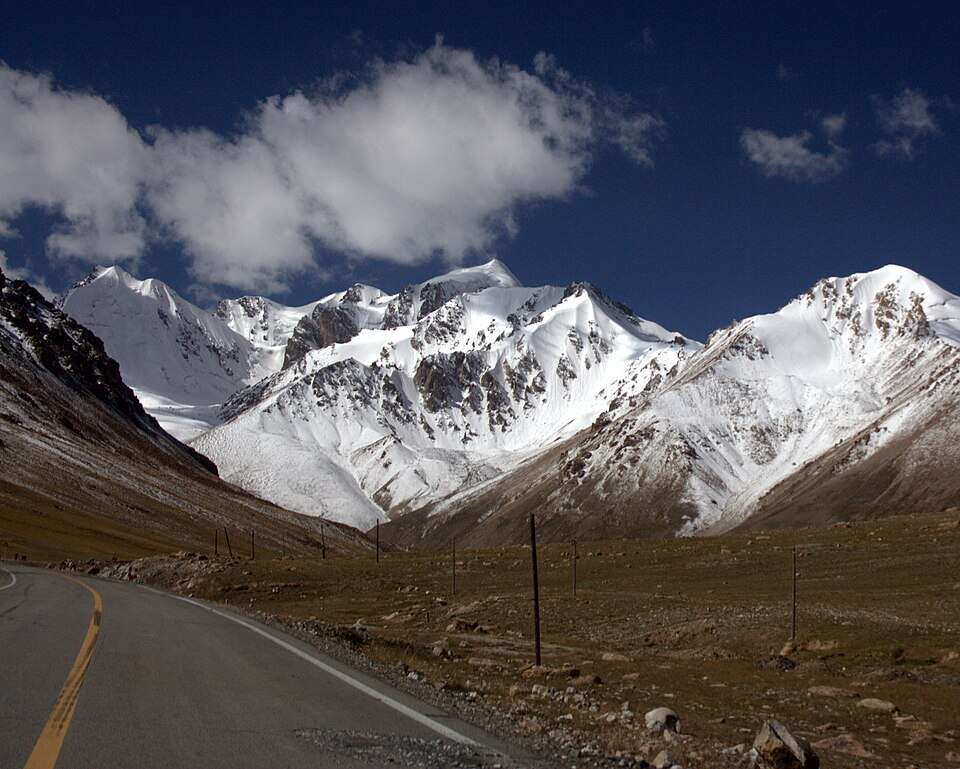
Impacts reach far beyond the mountain range.
The impacts extend far beyond remote alpine settlements.
The Water Tower of Asia provides fresh water directly to hundreds of millions of people and supports nearly two billion more through farming, drinking water, industry, and energy production. Prior studies in the scientific journal Nature indicated that alterations in the glaciers, snow cover, and terrestrial water in the region are already causing problems in long-term water availability on the Tibetan Plateau and adjacent river basins. The scientists have cautioned that rising temperatures will lead to growing water shortages across most of the region within this century.
In addition to people, the new review indicates that hydrogeological hazards put at risk critical infrastructures such as roads, railways, dams, and hydropower facilities that are now constructed in mountainous areas more frequently than before.
Landslides can dam up the rivers, forming temporary lakes that might later break out. Flood-borne debris can harm reservoirs and shorten the lifespan of hydropower facilities.
Improved monitoring could save lives
The authors point out that a lot of disasters could be dealt with in a better way if the warning signals were detected in time.
They suggest improving satellite monitoring, adding new ground observation techniques, and developing hazard databases, which will merge field observations and remote sensing methods. Such technologies would allow officials to identify hazardous slopes, fast-growing glacial lakes, and regions where there is a high risk for people.
The review stresses that efficient early warning systems and international collaboration of countries sharing rivers flowing from High Mountain Asia are necessary. Given that the rivers run through several countries, successful disaster preparation depends on quick data exchange and coordination of emergency response plans.
Climate adaptation is now growing increasingly urgent
It is emphasized that while reducing emissions of greenhouse gases is necessary to ensure that glaciers do not melt away completely, adaptation cannot be delayed anymore either. Communities in the Himalayas and adjacent mountain chains are now facing the effects of change in the cryosphere of their lands. It may become hard for them to use infrastructure built according to historic climatic patterns.
In the words of the Hydrosphere review, enhancing scientific study, building resilient infrastructure, and boosting regional cooperation will be key to minimizing future losses.
The mountains that have supplied water to Asia for millennia are now undergoing profound change. With the ongoing recession of glaciers, it is not just about how much water there would be in those mountains anymore; it is also about how safely it will flow.