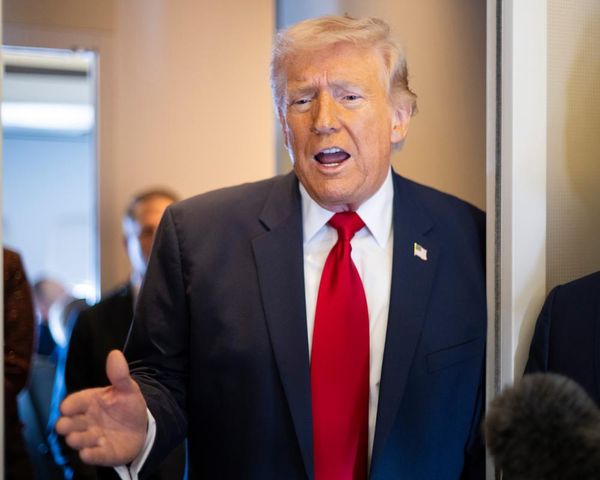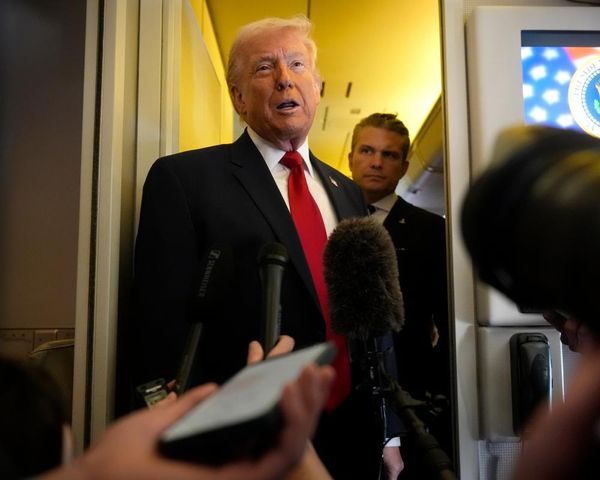
Asian stocks showed a mixed performance on Wednesday, influenced by a strengthening U.S. dollar and uncertainties surrounding the U.S. election. U.S. futures and oil prices declined due to escalating geopolitical tensions following an airstrike near Beirut, which resulted in the death of a Hezbollah official. In Japan, the Nikkei 225 index slipped by 0.3% as the dollar gained against the Japanese yen. Notably, Tokyo Metro Co.'s stock surged by 43% during its trading debut, raising 348.6 billion yen in its initial public offering.
Chinese markets experienced gains for the second consecutive day after the central bank reduced its Loan Prime Rates. Hong Kong's Hang Seng index rose by 1.7%, while the Shanghai Composite gained 0.8%. Reports indicated a proposal by a state-backed think tank in China to issue 2 trillion yuan in special government bonds to create a market stabilization fund.
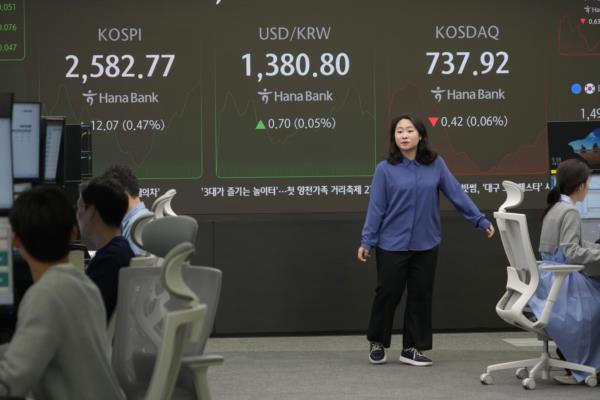
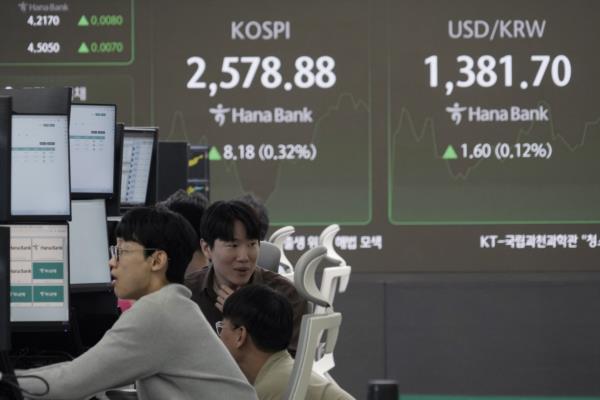
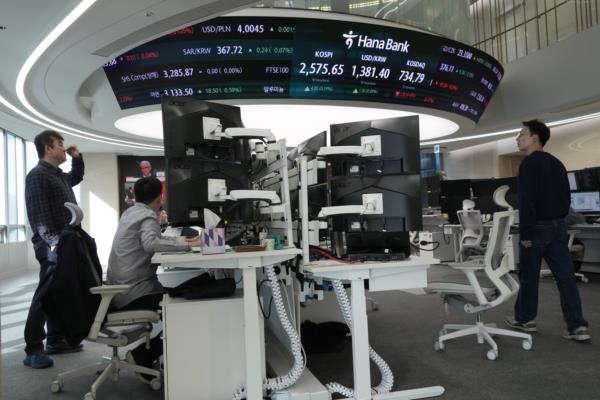
Australia's S&P/ASX 200 remained almost unchanged, while South Korea's Kospi index increased by 1.3%. Taiwan's Taiex declined by 0.8%, and India's Sensex gained 0.2%. In the U.S., the S&P 500 and Dow Jones Industrial Average saw marginal decreases, while the Nasdaq composite rose slightly.
The bond market's rising Treasury yields have put pressure on stocks, with the 10-year Treasury yield holding steady at 4.20%. The strong U.S. economic reports have led to optimism about a potential soft-landing scenario, reducing expectations for further interest rate cuts by the Federal Reserve. Energy trading saw benchmark U.S. crude and Brent crude prices slightly lower.
In currency trading, the U.S. dollar strengthened against the Japanese yen, while the euro weakened slightly. Overall, the global markets continue to navigate through a complex landscape influenced by various economic and geopolitical factors.