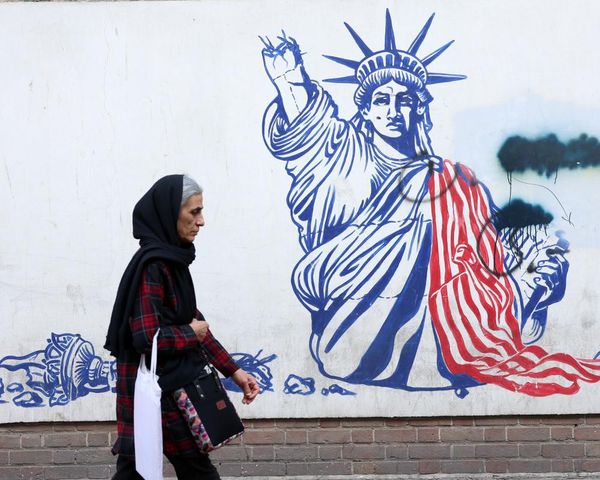
The broad unravelling of the post-war liberal international system is no longer a matter of dispute. Its manifestations over the past decade from the disintegration of the Middle East as we knew it and the de-integration of the European Union with "Brexit" and anti-migration sentiment to the United States' unilateral turn against openness and liberal values so fundamental to its rise all testify to a murky and portentous international environment. Similarly, the global trading system no longer works like it used to as multilateral trade liberalisation has given way to plurilateral and bilateral free-trade agreements.
Driven by new technologies, global finance has become virtually impossible to regulate effectively to ensure systemic order, stability and fairness, as widening inequalities persist. The international system was never smooth and uniformly peaceful and stable, but it has not been as unruly, unwieldy and confrontational for as far as most of us can recall. In the Cold War past, there were big and small wars based on ideological conflict and fought through proxy battles but they were eventually resolved. One side won, and it all ended at one point.

Thitinan Pongsudhirak teaches International Relations and directs the Institute of Security and International Studies at Chulalongkorn University.