1/10 - ASI survey of Gyanvapi complex underway
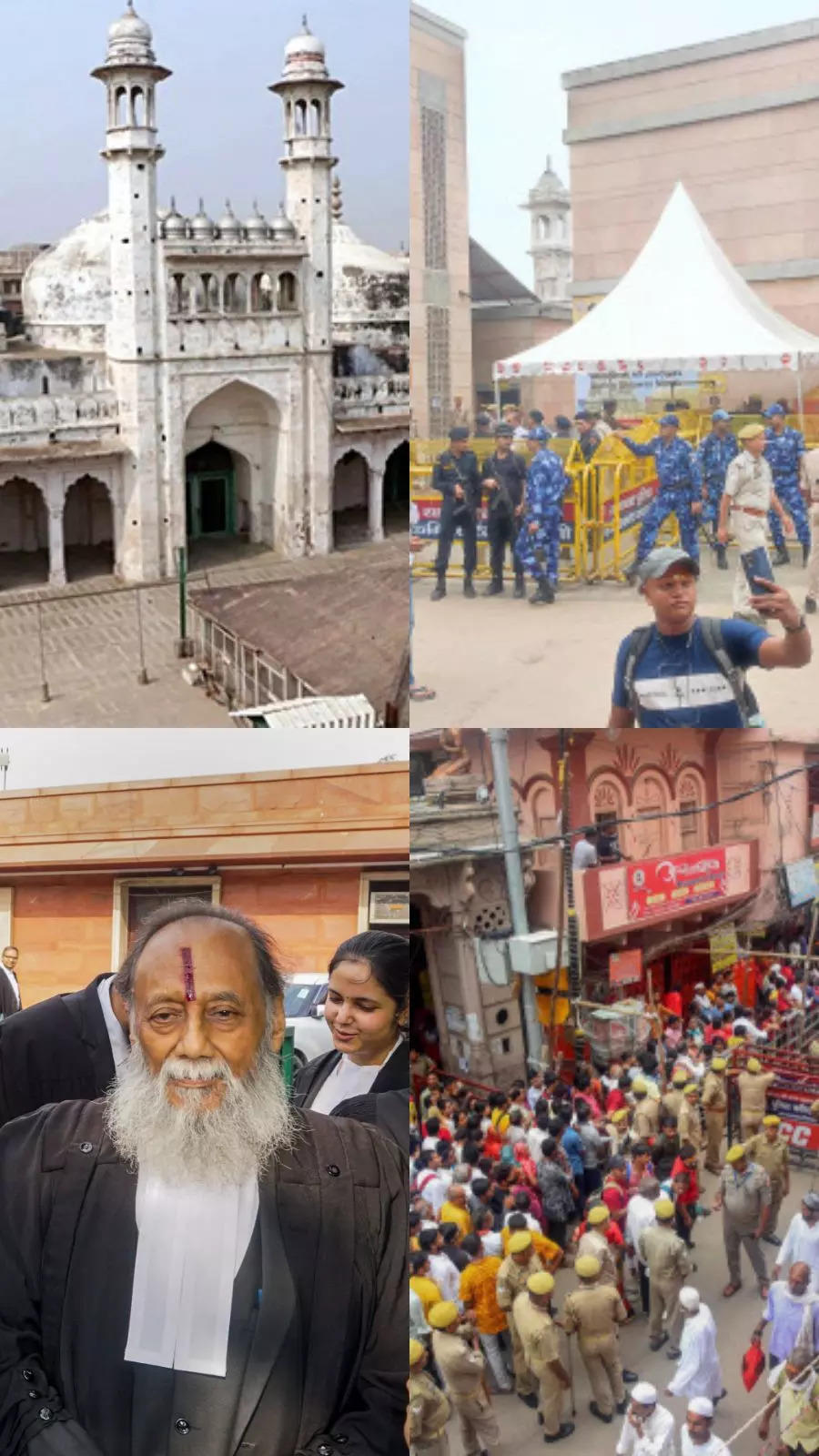
2/10 - SC asked ASI not to take recourse to any invasive act during the survey
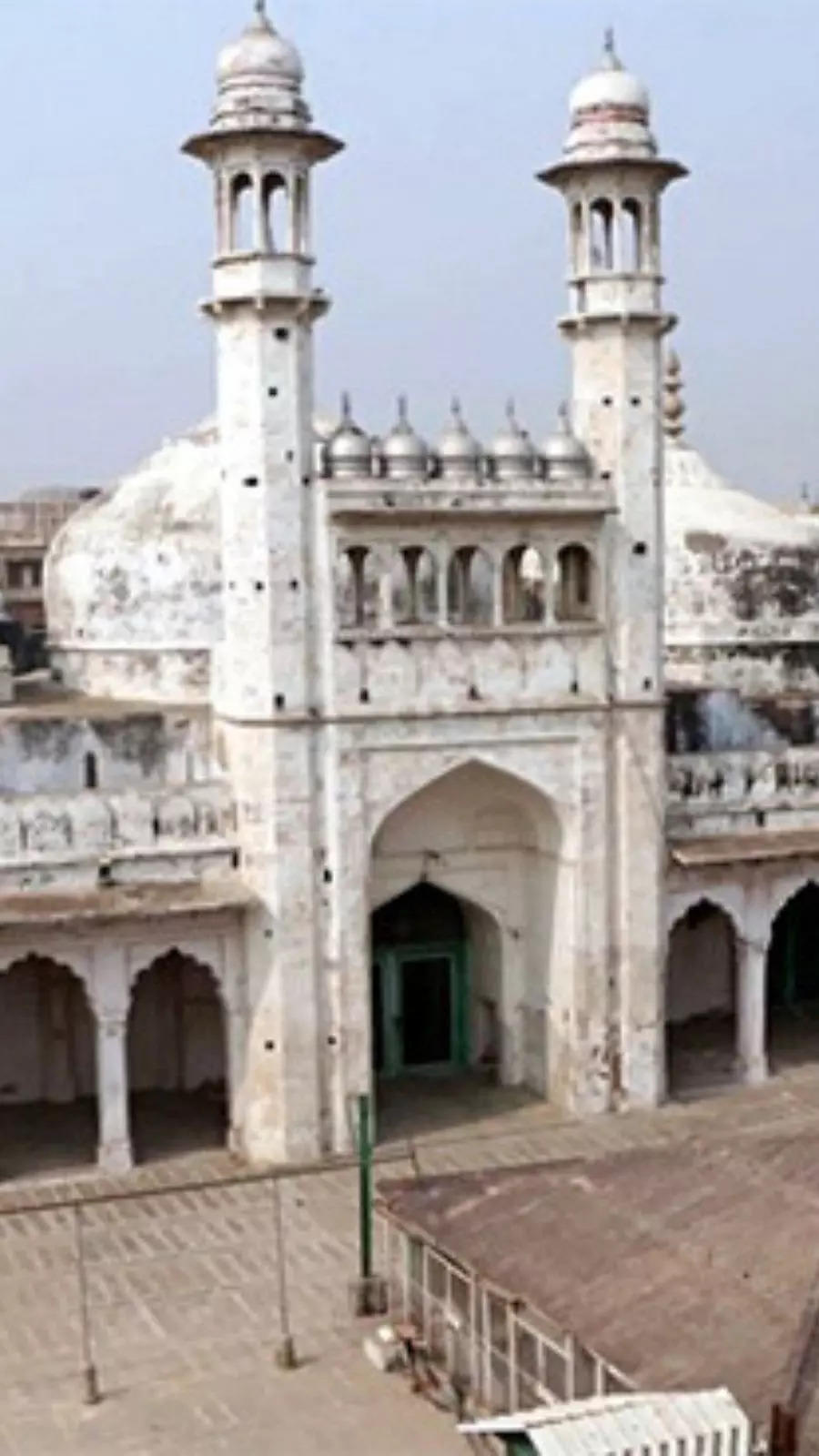
A bench comprising Chief Justice D Y Chandrachud and Justices J B Pardiwala and Manoj Misra, however, asked the Archaeological Survey of India (ASI) not to take recourse to any invasive act during the survey.
3/10 - Survey to be carried out through 'non-invasive' processes
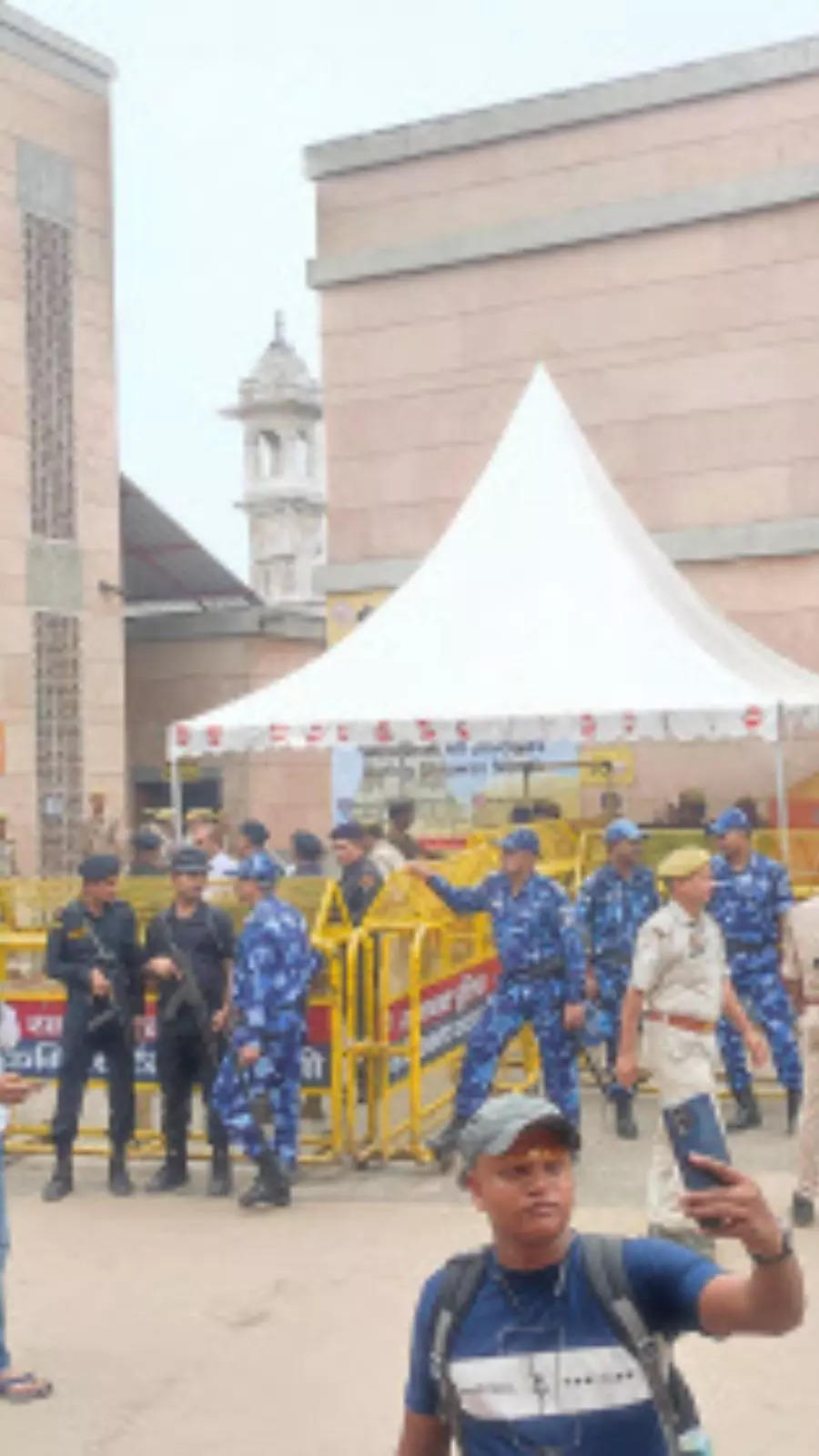
The apex court bench ordered the survey to be carried out through "non-invasive" processes.
4/10 - Evidentiary value of the scientific survey of the ASI was open to be tested
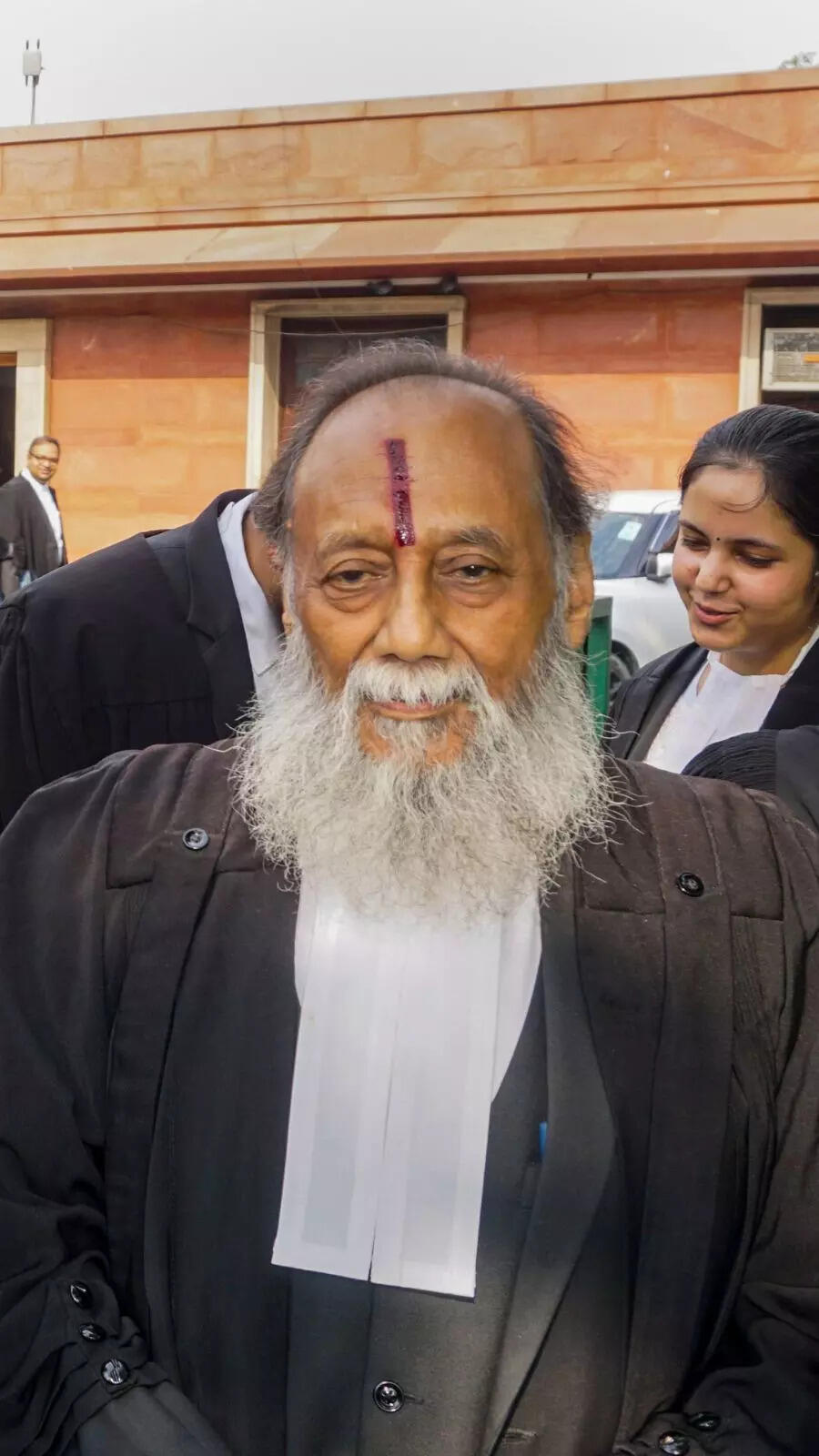
The top court said the evidentiary value of the scientific survey of the ASI was open to be tested in the lawsuit and is open to objections, including cross-examination.
5/10 - Report of the ASI will be remitted to the trial court
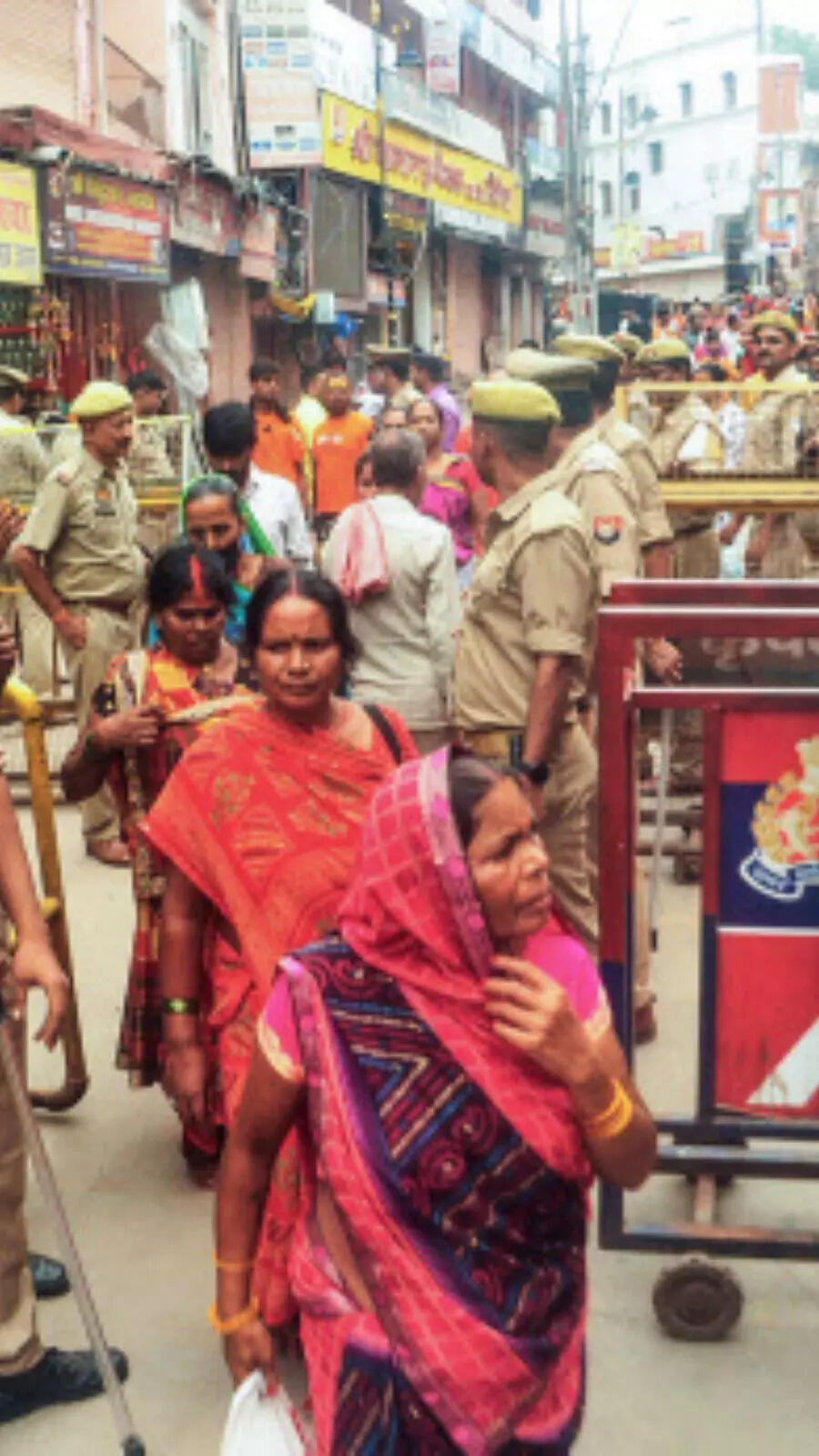
The report of the ASI will be remitted to the trial court and the decision on that will be taken by the district judge.
6/10 - Survey violates the Places of Worship (special provisions) Act
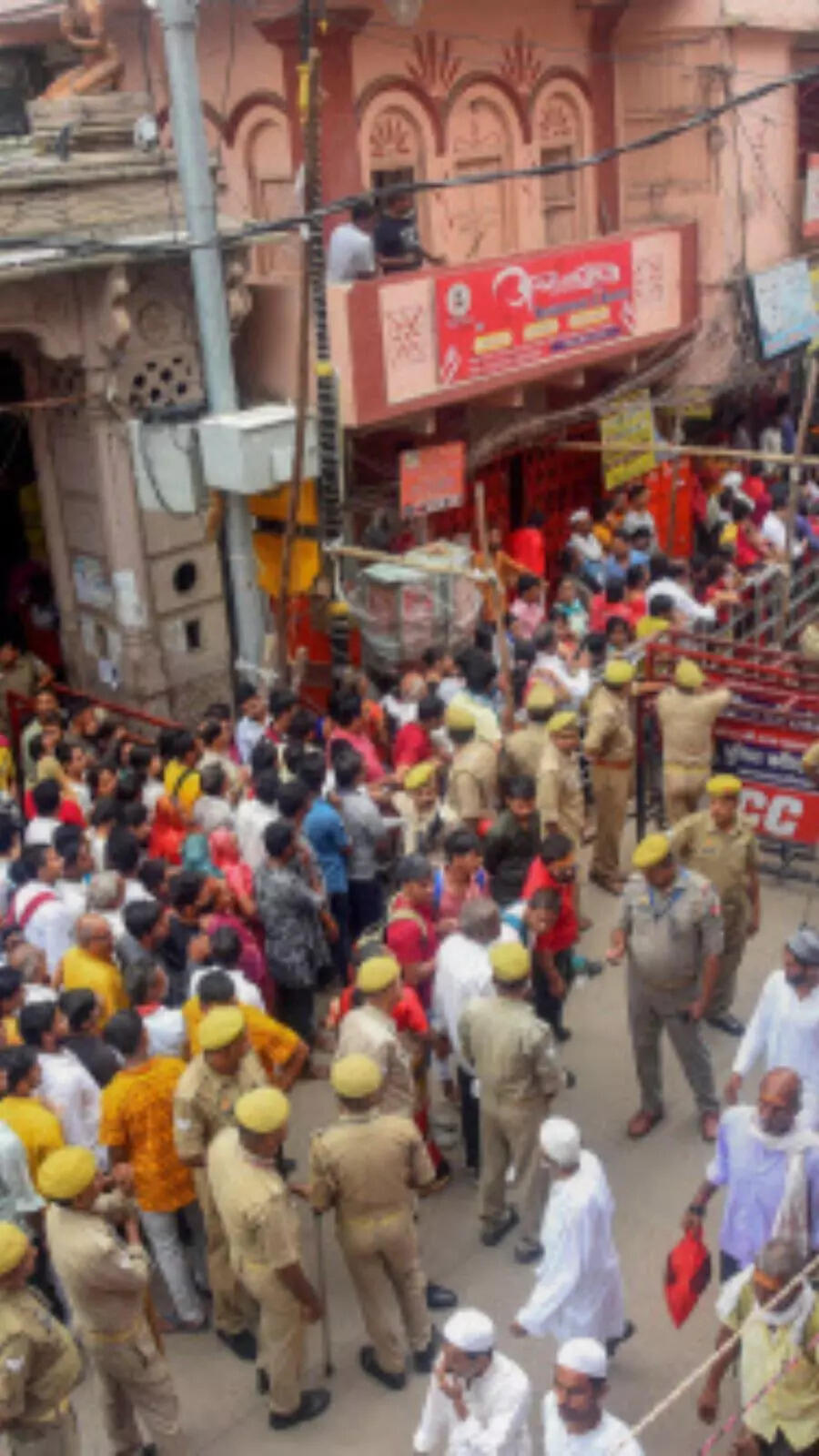
Ahmadi said the survey violates the Places of Worship (special provisions) Act, 1991 which prohibited change of character of religious places as they existed in 1947.
7/10 - SC permits ASI survey at the Gyanvapi mosque

The apex court is hearing pleas by the mosque committee against the Allahabad high court order permitting an ASI survey at the Gyanvapi mosque.
8/10 - Hindu side has also filed a caveat in the apex court

One of the parties from the Hindu side has also filed a caveat in the apex court saying no orders be passed without hearing them in the matter.
9/10 - Varanasi district court directed the ASI to conduct a 'detailed scientific survey'

The Varanasi district court had on July 21 directed the ASI to conduct a "detailed scientific survey" -– including excavations, wherever necessary -- to determine if the Gyanvapi mosque located next to the Kashi Vishwanath temple is built upon a temple.
10/10 - Hindu activists claim a temple existed earlier at the site
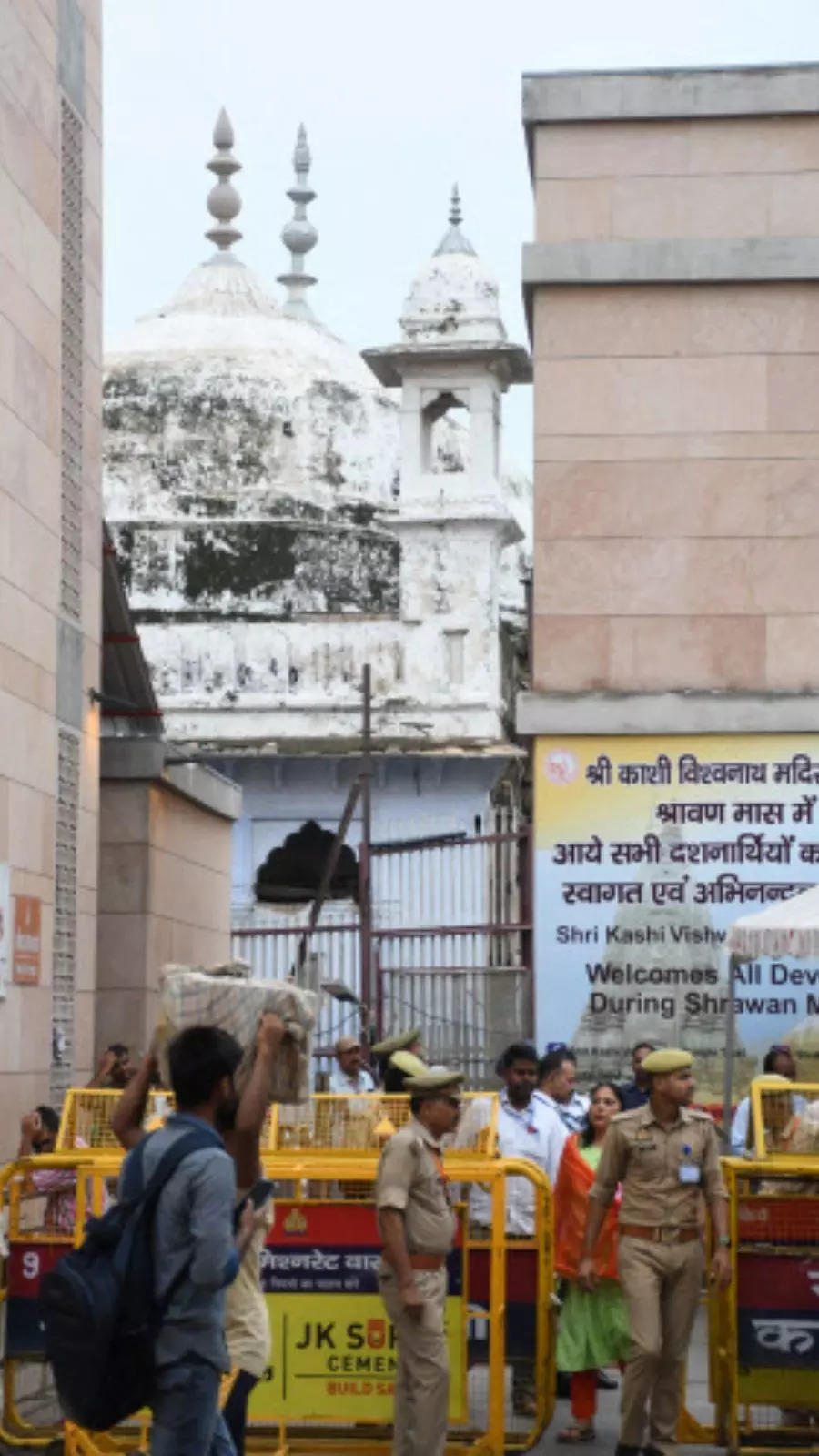
Hindu activists claim a temple existed earlier at the site and was demolished in the 17th century on the orders of Mughal emperor Aurangzeb.