Ash dieback research hopes to save Denmark's trees – in pictures
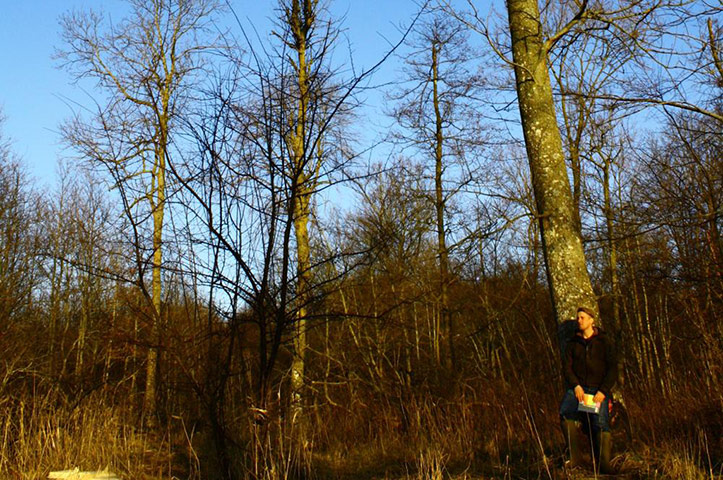
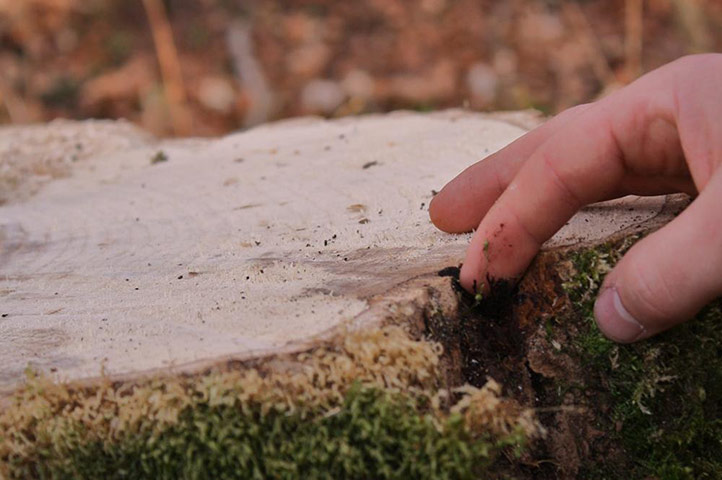
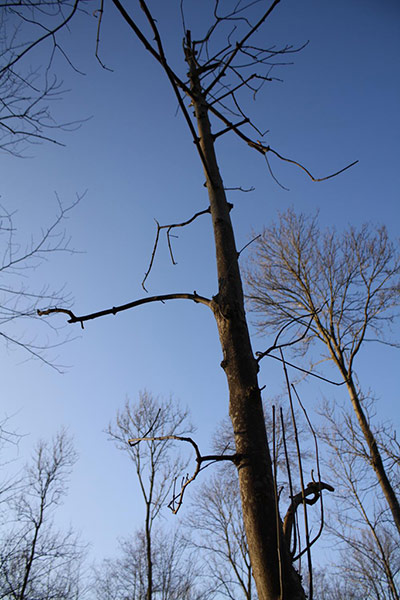
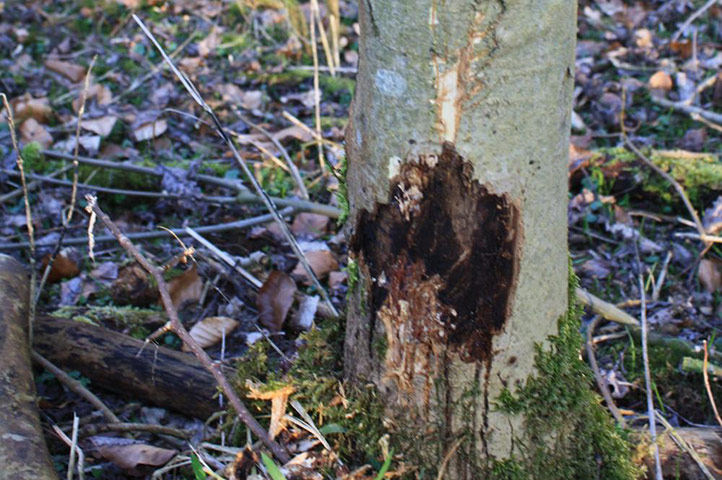
Slot is in his final year of studies for his bachelor degree in forest and landscape engineering at the forestry school at Nødebo, a branch of the University of Copenhagen, which is based in Gribskov forestPhotograph: Marte Franck/University PostThe trees become sick after a fungus has entered the stem of the trees. Slot shows how the fungus spreads into the tree, discoloring the woodPhotograph: Marte Franck/University PostOnce hit by the disease, the ash trees dry out. Approximately 95% of all ash trees in Denmark now have this diseasePhotograph: Marte Franck/University Post
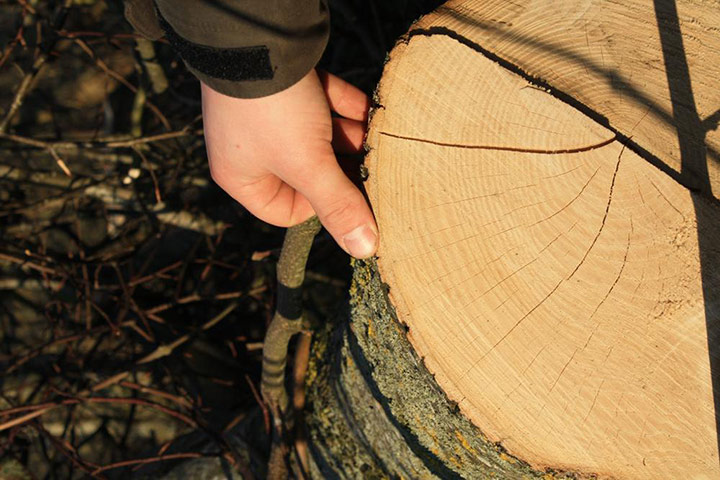
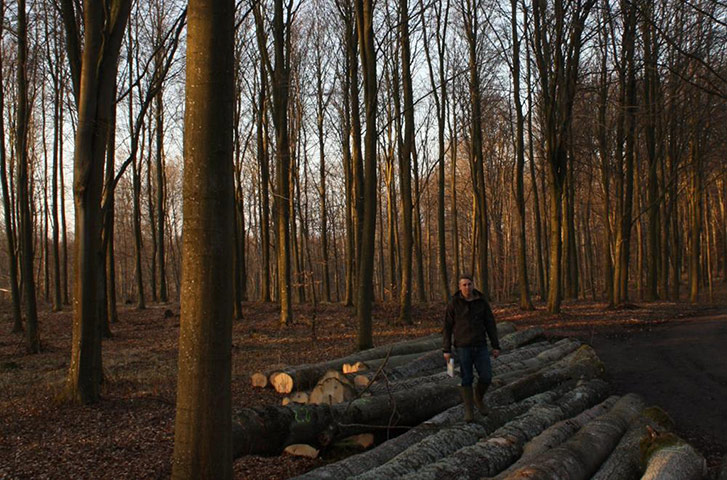
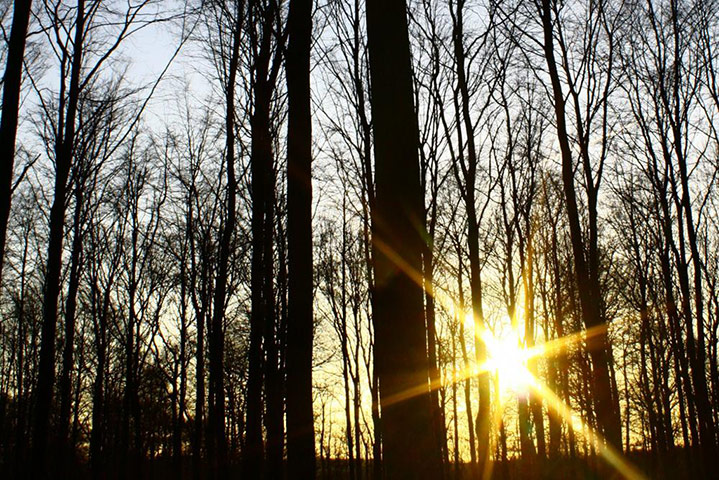
To estimate how long a tree has been infected, researchers look at the year rings. The disease slows the growth rate, meaning that the rings will be narrow and positioned close togetherPhotograph: Marte Franck/University PostIn younger trees, the disease spreads faster. By looking at the stem, Slot finds black spots which indicate that this tree is in the process of dying. These young trees are of no use, as they are not large enough to be used for timber. Looking closer at the tree, the severity of the problem is clearPhotograph: Marte Franck/University PostLarge areas are harvested at the same time. All of these logs were diseased ash trees. When harvested in an early phase, they are still valued as good timberPhotograph: Marte Franck/University PostLuckily, not all trees are sick. Keeping track of the healthy ones is an important part of the project. Slot hopes to develop a method to help save the ash trees from complete eradicationPhotograph: Marte Franck/University Post
Sign up to read this article
Read news from 100’s of titles, curated specifically for you.