Southeast Asia stands at a critical juncture where the transition to a green economy is not only an environmental imperative, but also a strategic necessity for long-term economic resilience and social equity.
The region's exposure to climate risks, such as rising sea levels, extreme weather and biodiversity loss, combined with resource-intensive growth patterns underscores the urgency of shifting to low-carbon development pathways.
While regional economies have made progress, current ambition levels remain insufficient to meet the scale of climate and environmental challenges.
The Asian Development Bank (ADB) suggests policy efforts should be tailored to the region's varying levels of development. The advanced economies of Brunei, Malaysia and Singapore should take the lead in scaling up green infrastructure, advancing clean transport systems and improving energy efficiency across sectors.
The rapidly developing economies of Indonesia, the Philippines, Thailand and Vietnam should embed sustainability into their industrial processes by investing in renewable energy, circular economy systems and pollution reduction.
Meanwhile, the less-developed economies of Cambodia, Laos and Myanmar can leapfrog to green development by prioritising renewable energy expansion, protecting natural ecosystems and improving resource efficiency in agriculture and land use, noted the bank.
Regional cooperation offers a path, as cross-border renewable energy projects, joint biodiversity conservation efforts and harmonised green economy frameworks can create shared value and strengthen Asean's position in global climate leadership, said ADB in a report.
By aligning national development plans with environmental goals and promoting inclusive green growth, Asean can transform its development model to secure a sustainable and resilient future for all, noted the bank.
GREEN GROWTH
James Villafuerte, lead economist for Southeast Asia at ADB, said a green transition can unlock new growth engines. Emerging sectors such as renewable energy, sustainable agriculture, green manufacturing, electric mobility and circular economy solutions, including repairing, reusing and recycling, offer significant value addition and export potential.
By 2030, the green economy is estimated to generate up to US$1 trillion annually across Asean through new markets, efficiency gains and cost savings, he said.
Green investments can generate millions of jobs across energy, construction, agriculture, services and environmental management, while protecting livelihoods that depend on natural resources, which currently account for 37% of employment in Southeast Asia.
"The investments can deliver these benefits while protecting biodiversity, reducing emissions and helping strengthen Southeast Asia's resilience to more frequent and severe disasters triggered by natural hazards," said Mr Villafuerte.
Countries can advance their green transition by adopting country-specific approaches that reflect varying income levels and institu- tional capacities, he noted. Countries in the region should cooperate so everyone benefits, added Mr Villafuerte.
"Regional cooperation is essential. Harmonised standards, cross-border projects and coordinated skills development can reduce costs, mobilise private capital and spread best practices across the region," he said.

KEY SECTORS
Southeast Asia has strong comparative advantages and leadership potential in several green sectors, noted Mr Villafuerte. Renewable energy, particularly solar, wind, hydropower and geothermal, stands out given the region's abundant natural resources and the need to meet rapidly rising energy demand.
Scaling clean energy can help deliver reliable and sustainable power while strengthening industrial competitiveness.
The region can also lead in sustainable electric transport, including electric vehicle (EV) manufacturing, charging infrastructure and public transport systems, by building on existing automotive supply chains and growing urban markets.
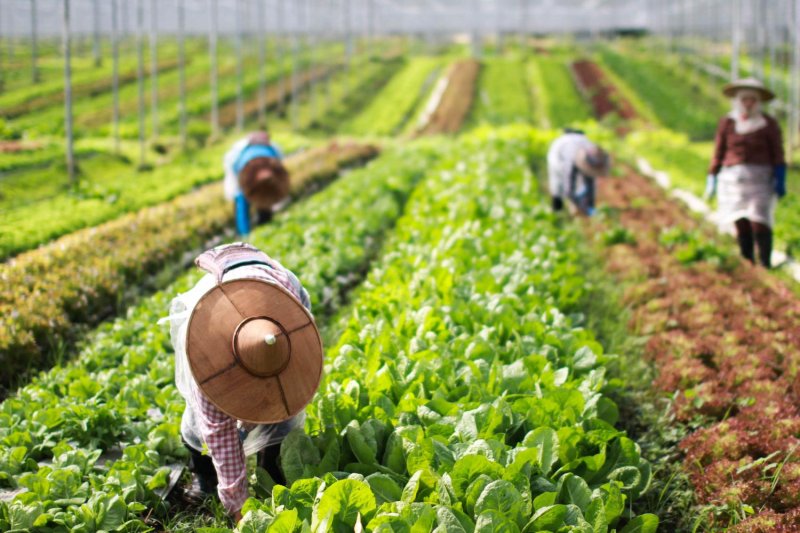
Sustainable and regenerative agriculture also offers major opportunities, given that agriculture employs a large share of the region's workforce and plays a critical role in food security and emissions reduction.
The circular economy, waste management, recycling, extended producer responsibility and resource-efficient manufacturing can be regional strengths as Asean looks for ways to address rising materials use and pollution, noted ADB.
Finally, ecotourism and nature-based solutions, such as mangroves and wetlands that help manage floods while providing fish nurseries, can generate income while protecting ecosystems.
INVESTMENT POTENTIAL
Mr Villafuerte said there are several high-impact investment opportunities for the private sector, driven by rising demand, policy momentum and large financing gaps.
"Foremost is renewable energy, as Asean is expanding clean power to meet growing demand while reducing emissions. Investments in grid modernisation, energy storage and regional power connectivity create more opportunities," he said.
The private sector can play a key role in sustainable transport, including EV manufacturing, charging infrastructure and battery supply chains.
Sustainable and regenerative agriculture offers strong returns. Organic farming, for example, benefits from higher-income markets, while the use of technologies such as drones and sensors can increase agricultural yields while reducing resource use and environmental impact, noted Mr Villafuerte.
"Opportunities are also expanding in waste management, recycling and resource-efficient manufacturing. Finally, green buildings and infrastructure offer scalable investment potential, supported by green standards and public procurement," he said.
GREEN JOBS
The green economy transition should result in considerable job creation, said Mr Villafuerte. The International Labour Organisation projects more than 14 million net new jobs across Asia-Pacific by 2030 from green growth, with Asean expected to contribute significantly.
ADB estimates up to 30 million new jobs through investments in clean energy, low-carbon technologies, green construction and sustainable agriculture.
"The greatest potential for green job creation lies in energy, agriculture and forestry due to the region's renewable energy demand and large agricultural workforce," noted the ADB report.
Renewable energy offers the best opportunities in the region, with abundant solar, wind, hydro and geothermal resources enabling the potential to become a clean energy hub. By 2030, an estimated 1.7 million green jobs could be created in renewable energy, particularly in the solar and geothermal sectors.
The manufacturing, construction, transport, waste management and tourism sectors are poised to generate value of $150 billion by 2030, creating employment across Indonesia, Malaysia, the Philippines, Singapore, Thailand and Vietnam, particularly in solar energy, sustainable farming, electric mobility and the built environment, noted the bank.
"A green economy can generate a wide range of new or reskilled jobs in solar, wind, hydropower and geothermal installation, operation and maintenance, as well as in grid management and energy efficiency," said Mr Villafuerte.
Meanwhile, sustainable agriculture and forestry can create employment and protect livelihoods that depend on natural resources.
"There are emerging roles requiring green skills such as environmental management, digital solutions and sustainability services," he said.
Mr Villafuerte recommends governments in the region invest heavily in training through technical and vocational education aligned with renewable energy, sustainable agriculture and the circular economy. This focus should help workers from declining carbon-intensive industries move into new opportunities, he noted.
Workers displaced during structural shifts need retraining subsidies and targeted employment programmes to find new jobs, said ADB.
Governments must also strengthen unemployment benefits, income support and transition assistance to cushion short-term adjustment costs and reduce the vulnerability of people whose jobs are affected by the transition.

POLICY RECOMMENDATIONS
Mr Villafuerte said Southeast Asian countries need coherent, credible and long-term policy frameworks to unlock green investments at scale.
First, governments should strengthen market-shaping policies that promote good behaviour through the "polluter pays" principle, such as pollution caps and tradable permits, and the gradual removal of fossil fuel subsidies.
"These instruments send clear price signals that make green investments more competitive and predictable," he said.
Second, countries need to introduce policies that attract investment, such as renewable energy targets, feed-in tariffs, green public procurement and roadmaps for the energy, transport, agriculture and industry sectors.
Stable regulations and transparent permit processes reduce investor risk and lower the cost of capital.
"It is important to have green finance frameworks, such as national green taxonomies that use a traffic light system to categorise coal as red, energy efficiency as amber and renewable energy as green," said Mr Villafuerte.
This effort can be complemented by sustainability disclosure requirements, green bonds and blended finance mechanisms that attract private capital, especially for high-risk or early-stage projects, he noted.
"Policies that support the development of skills useful in green industries are critical to sustaining political and social support for green investments," said Mr Villafuerte.
THAILAND'S TRANSITION
Thailand's climate ambitions include a 30% greenhouse gas reduction by 2030 (unconditional), rising to 40% with support, and aiming for carbon neutrality by 2050 and net-zero emissions by 2065.
The bio-, circular and green economy model is central to Thailand's green growth strategy.
As outlined in its Power Development Plan 2024-2037, Thailand aims to boost renewable electricity to 51% of generation by 2037. Energy efficiency programmes target a 36% reduction in intensity across industries and buildings.
Thailand's EV policy seeks to ensure 30% of all vehicles produced in Thailand have zero emissions by 2030, targeting 725,000 electric cars and 675,000 electric motorcycles annually. Comprehensive measures support EV production, charging networks and R&D for smart grids and batteries.
For agriculture, Thailand is promoting organic farming, carbon credit trade and access to finance for climate adaptation. Climate action in farming is reinforced by sector action plans and awareness programmes.
The nation is advancing its circular economy through bans on plastics and national waste targets, including an 80% waste reduction target. Incentives support recycling and sustainable waste management.
The Securities and Exchange Commission supports green bonds, while public-private collaboration is emphasised in financing and policy integration, noted the ADB.