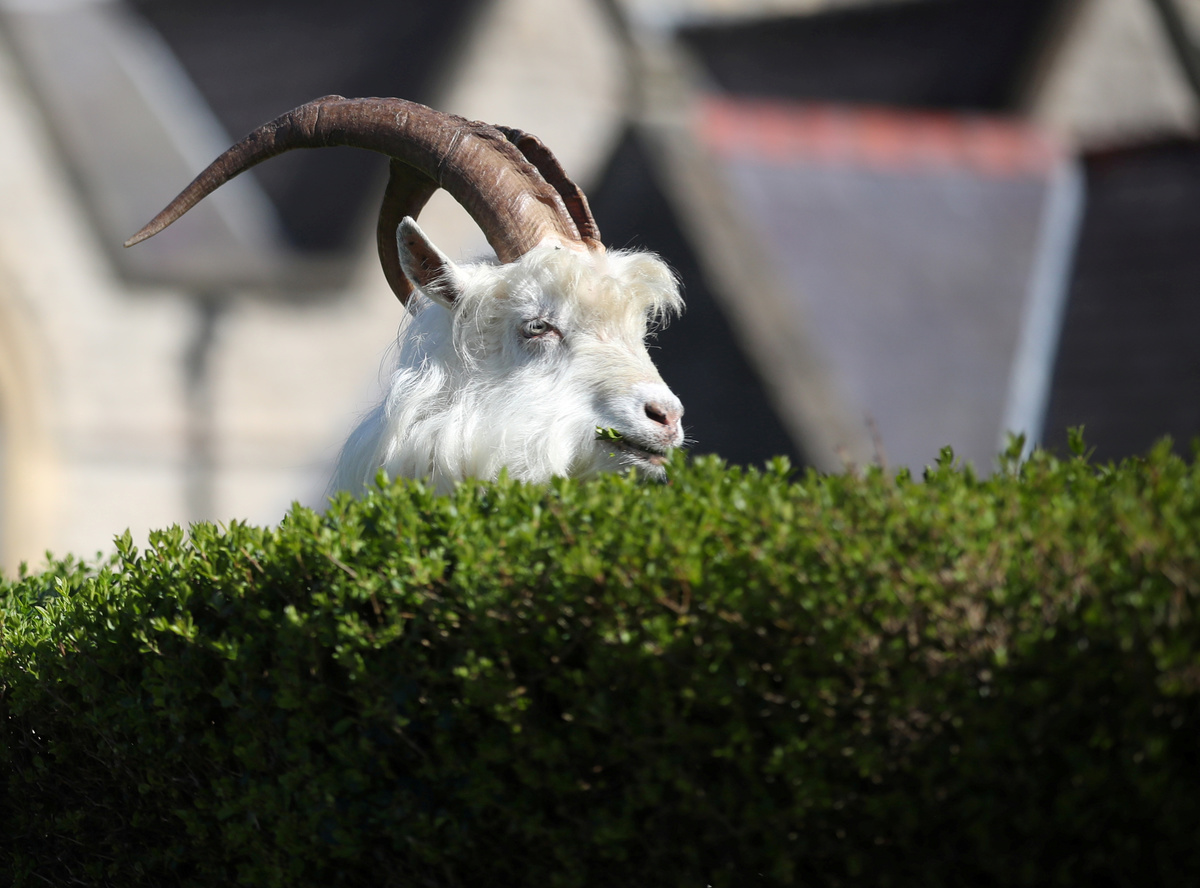
While goats run riot in Welsh villages and oystercatchers flock to Norfolk shores, Britain's coronavirus lockdown is not all good news for wildlife. A lack of visitors means many of the country's nature reserves face an uncertain future.
Around the world, the pause enforced by the pandemic has given the planet a temporary reprieve from the daily assault of human activity, leaving skies to clear over New Delhi and deer to wander deserted Spanish streets.
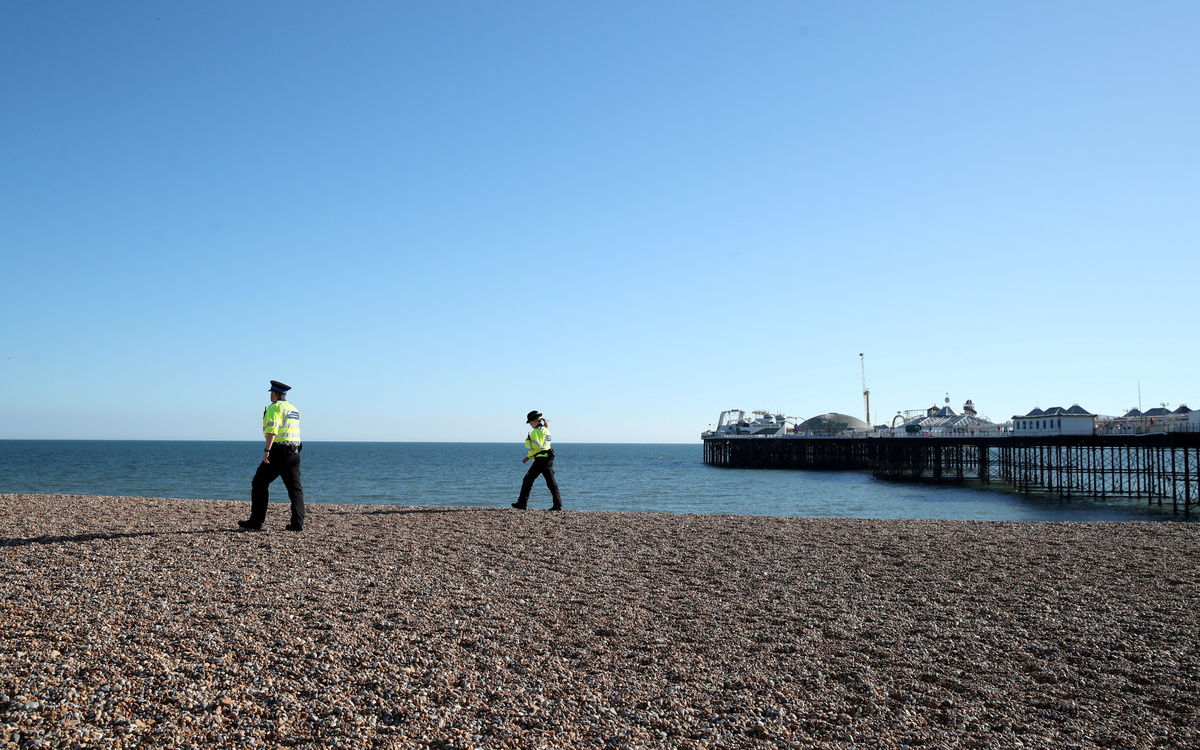
But the restrictions are placing an enormous financial strain on British reserves dependent on visitor revenue. Conservation work to preserve the habitats of threatened species from red squirrels to water voles has been put on hold.
"It is definitely keeping me awake at night," Sarah Kessell, chief executive of the Wildlife Trust of South and West Wales, which manages more than 110 reserves, told Reuters television "It's suddenly and comprehensively switched off our income."
Reliant on tourism for between a third and a half of its income, the trust may struggle to survive unless it can win government support or other contributions to offset the losses, Kessell said.
Wildlife organisations say Britons are reporting seeing more birds and animals than usual, yet they caution this may largely be a matter of perception, rather than the result of any significant easing in the pressures species face.
Unable to conduct surveys because reserves are closed, the Royal Society for the Protection of Birds has invited people to look out of their windows or balconies each morning and log sightings under the #BreakfastBirdwatch hashtag on Twitter.
"We're hearing a lot of that type of thing: people are hearing more birdsong, or they're seeing more birds or other wildlife," said Martin Fowlie, a spokesman for the charity. "But really, I think the issue is that people have more time on their hands."
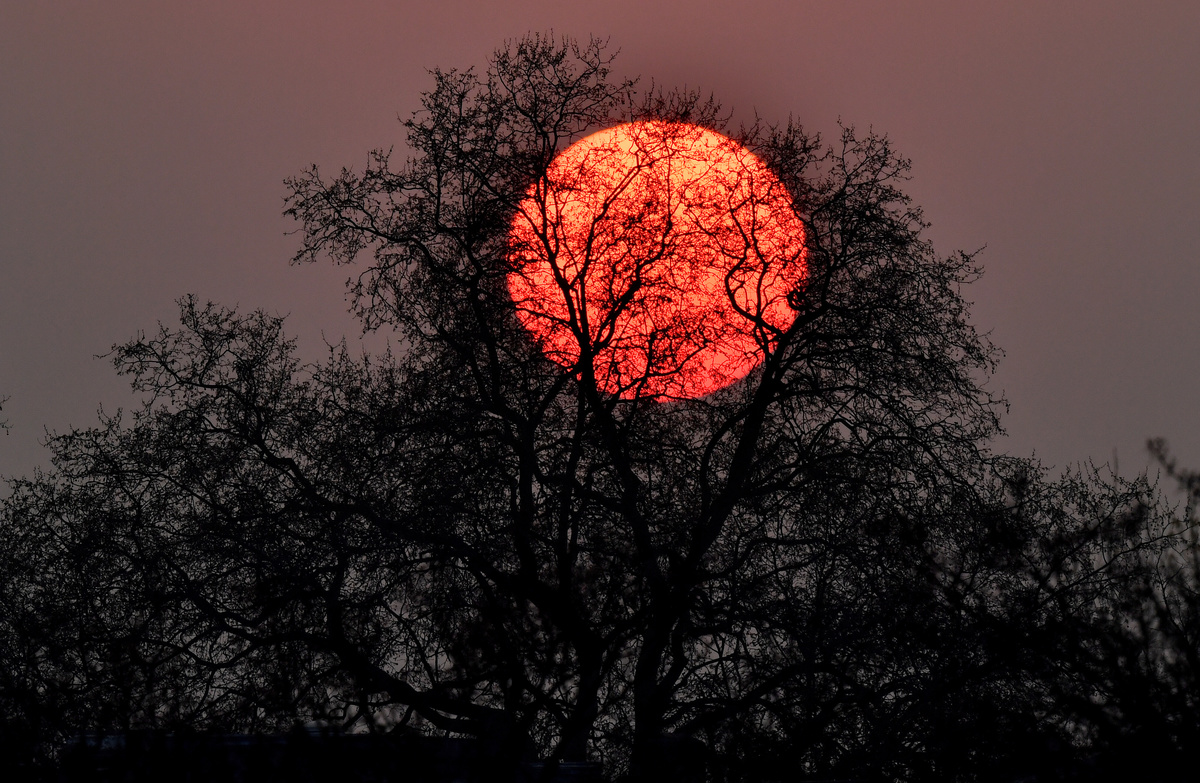
In the county of Norfolk in the east of England, Jake Fiennes, head of conservation at the Holkham National Nature Reserve, which receives about a million visitors a year, said nature had "breathed a sigh of relief" after the pause.
"You would see the deer that would keep hidden in the brambles would then be walking down the tracks," Fiennes said. "We would see birds breeding where historically there would be cars parking."
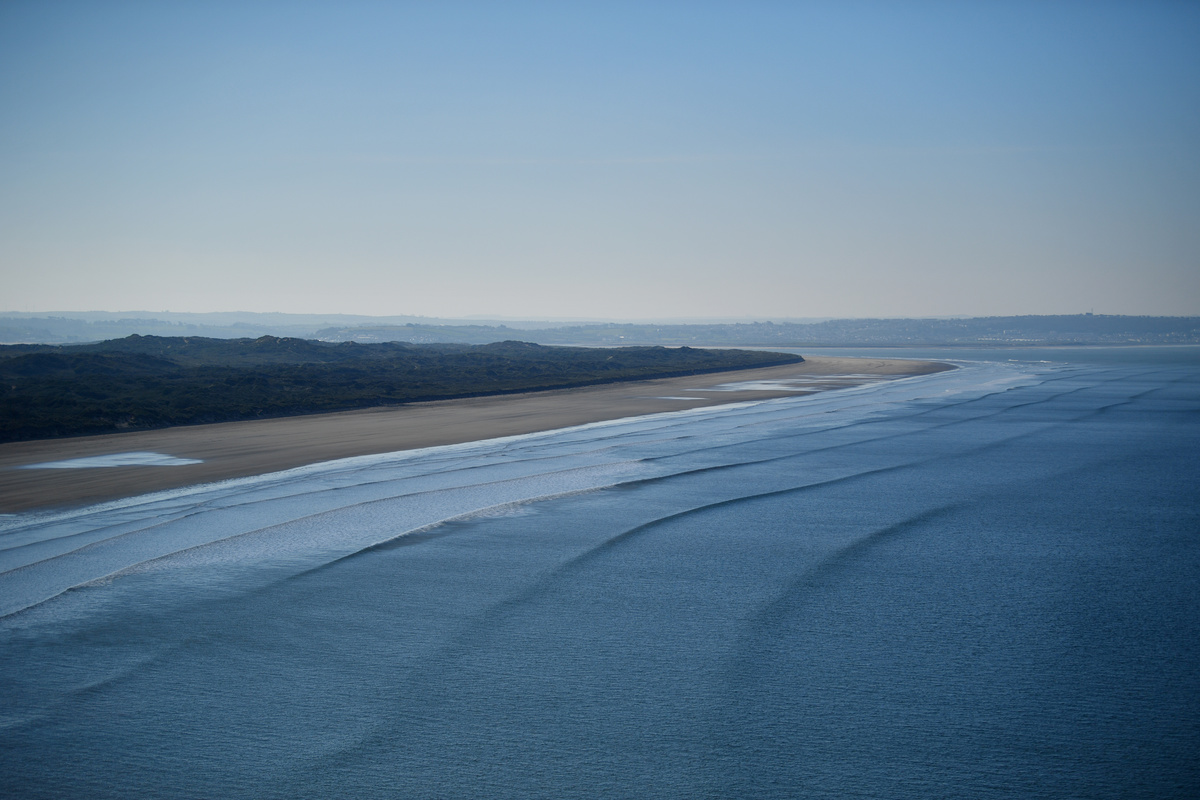
Fiennes said he had seen thousands more coastal birds such as ringed plovers and oystercatchers during a recent walk than in the days when people and their dogs roamed the beaches.
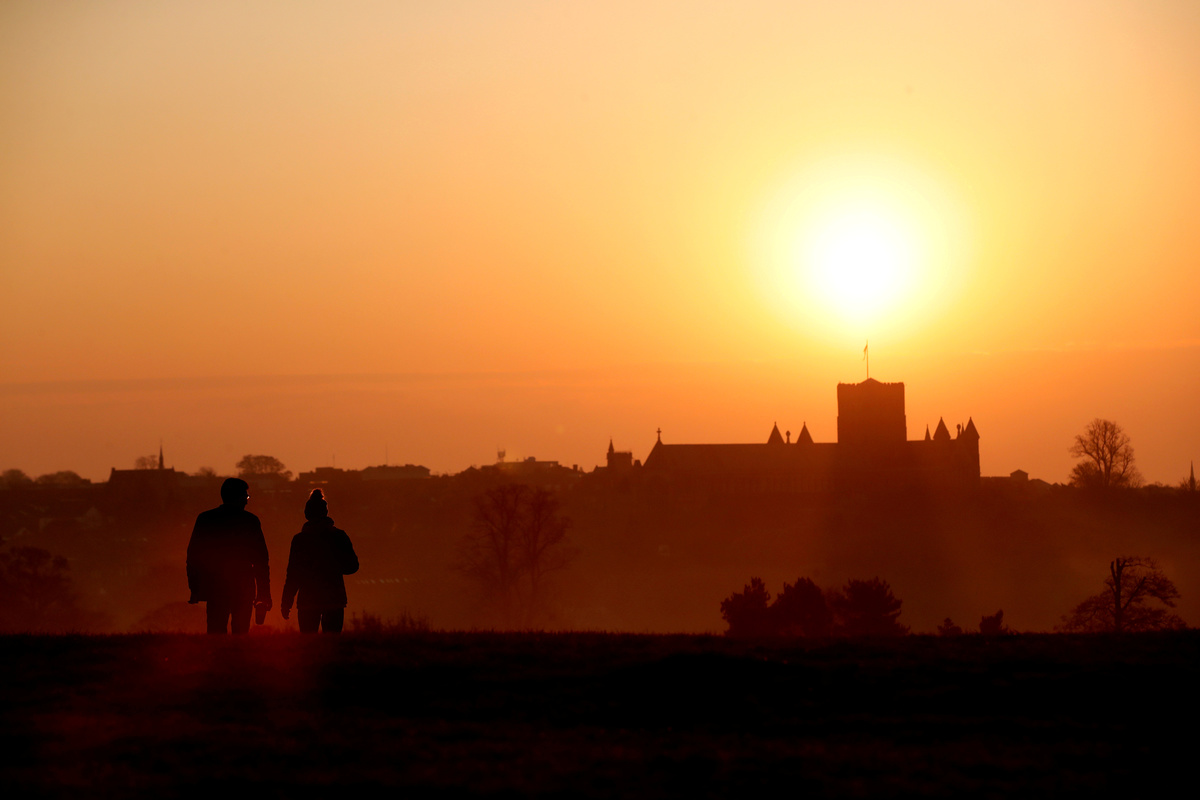
"We have a unique moment to understand the impacts of people on nature," he said. "It's highly unlikely this is ever going to happen again."
(Writing by Matthew Green; Editing by David Gregorio)