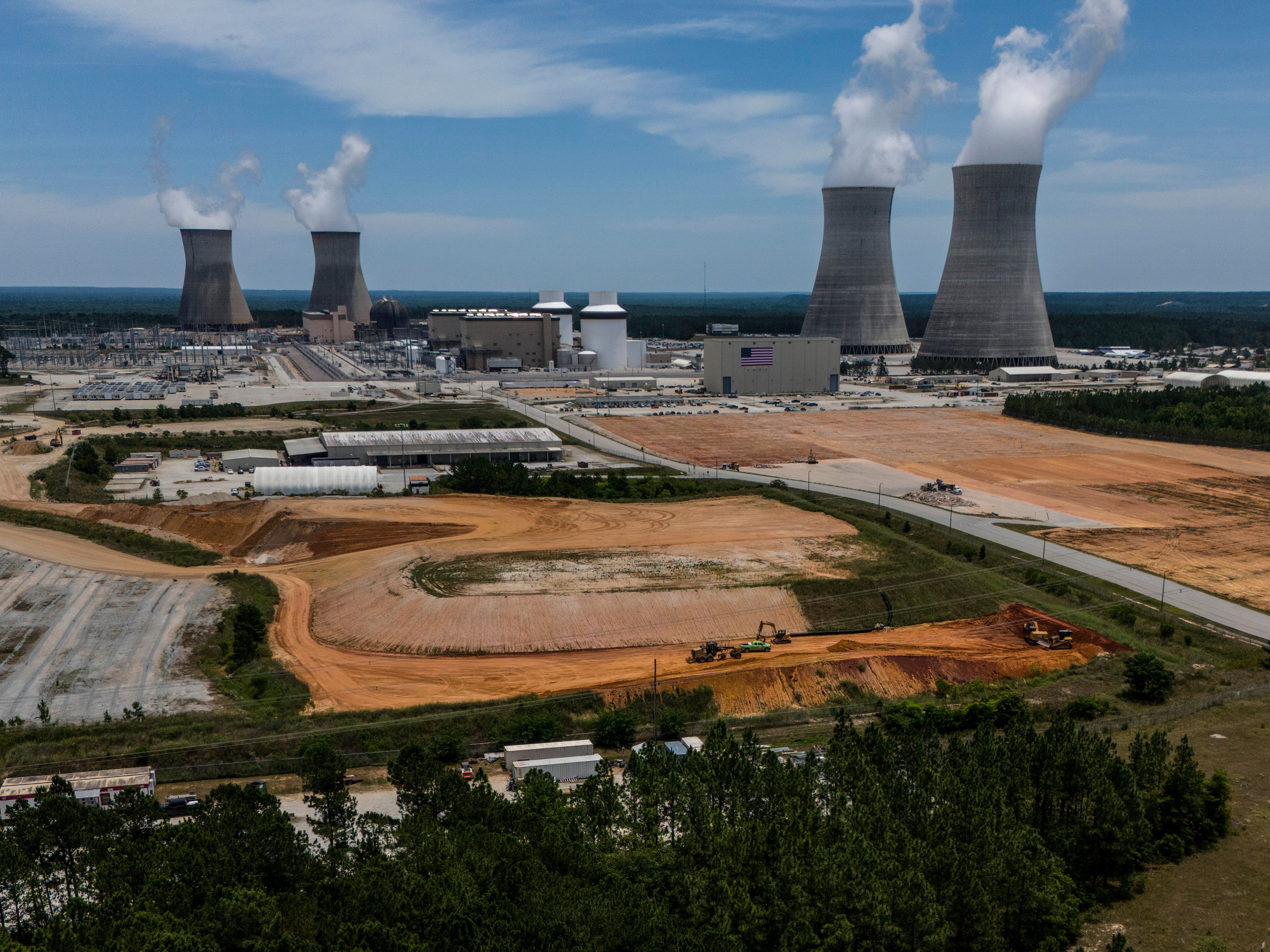
The nation's top nuclear regulator is preparing to scrap a decades-old safety rule that has helped keep radiation exposure as low as possible, a move that is drawing praise from the nuclear industry and concern from some safety experts.
The Nuclear Regulatory Commission is proposing to eliminate the "as low as reasonably achievable" (ALARA) principle, which for more than 50 years has required nuclear plants, hospitals and other facilities to minimize radiation exposure even when it falls below legal limits.
The proposal would replace ALARA with a new "graded approach" that adjusts safety measures based on expected radiation exposure. Federal dose limits for workers and the public would remain unchanged.
The change comes as President Donald Trump's administration pushes to dramatically expand U.S. nuclear power to meet soaring electricity demand from artificial intelligence and data centers. Reforming the NRC is a key part of that effort, and the agency expects to finalize the new rule in the coming months.
NRC Chairman Ho Nieh said the proposal does not weaken safety.
"We're just removing the ambiguity," Nieh said. "The standard for exposure to workers and the public ... is not changing."
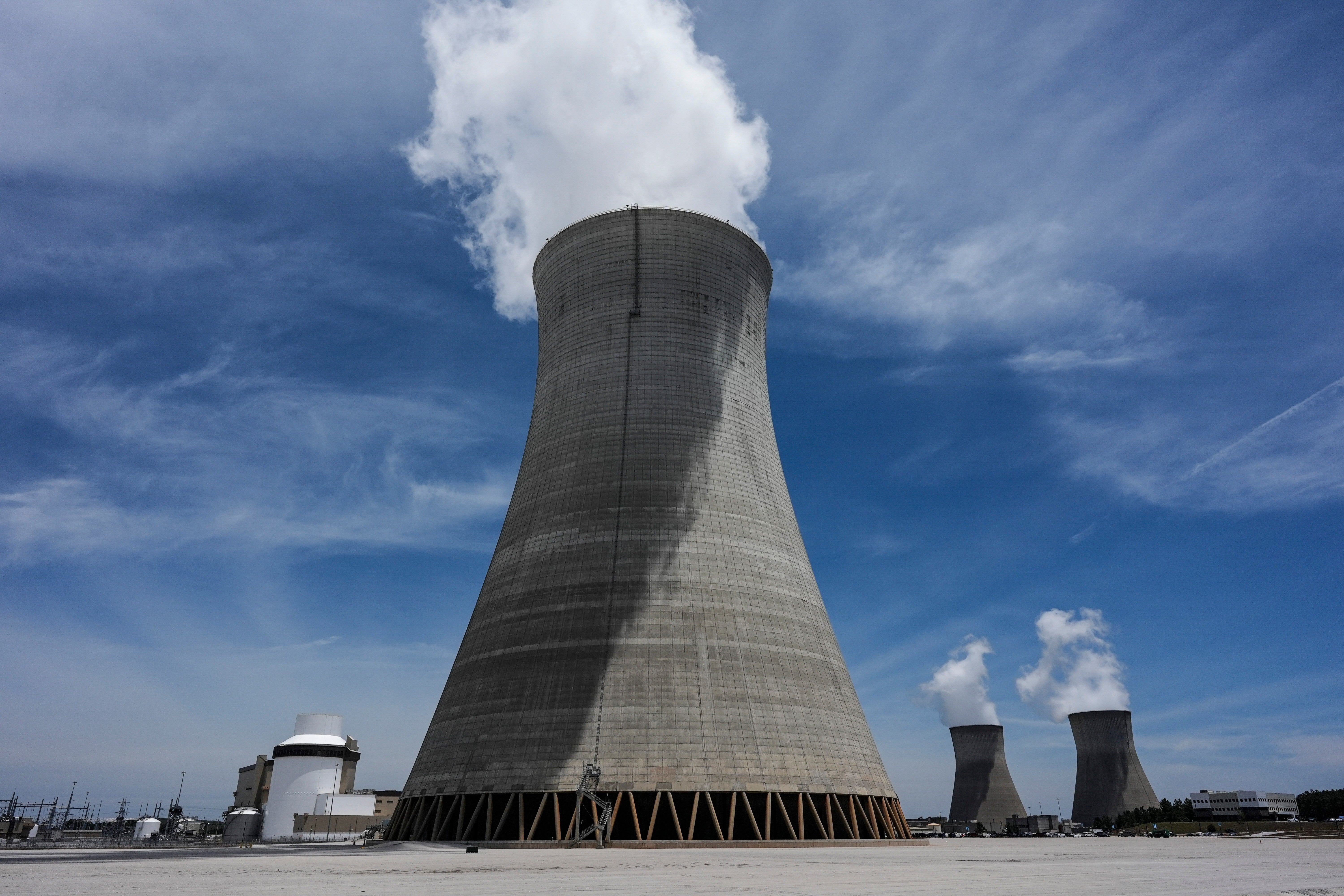
Supporters, including the Nuclear Energy Institute, say the new system would provide clearer regulations while still keeping radiation exposure as low as practical.
But critics warn the move could allow radiation levels to creep closer to legal limits over time. Edwin Lyman of the Union of Concerned Scientists said parts of the proposal could permit higher exposures in some situations, including raising a radionuclide emissions standard from 10 millirem to 25 millirem annually, though still below the overall public exposure limit.
Former Energy Department official Katy Huff said ALARA can be difficult to regulate but questioned why the NRC chose to eliminate the principle instead of clarifying it.
Kathryn Higley, president of the National Council on Radiation Protection and Measurements, also raised concerns, arguing the proposal should better balance radiation protection with other workplace risks. She added that if ALARA is removed, the U.S. may eventually need to reconsider its occupational radiation limits to better align with international recommendations.