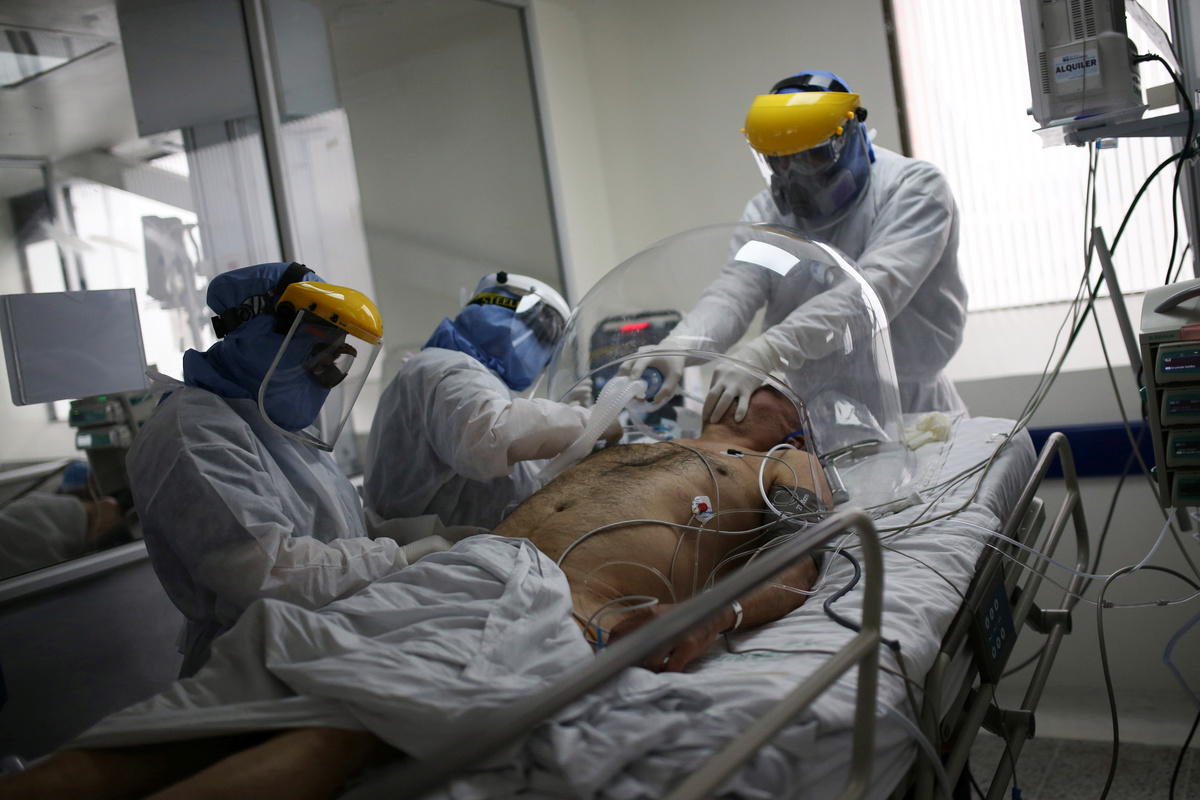
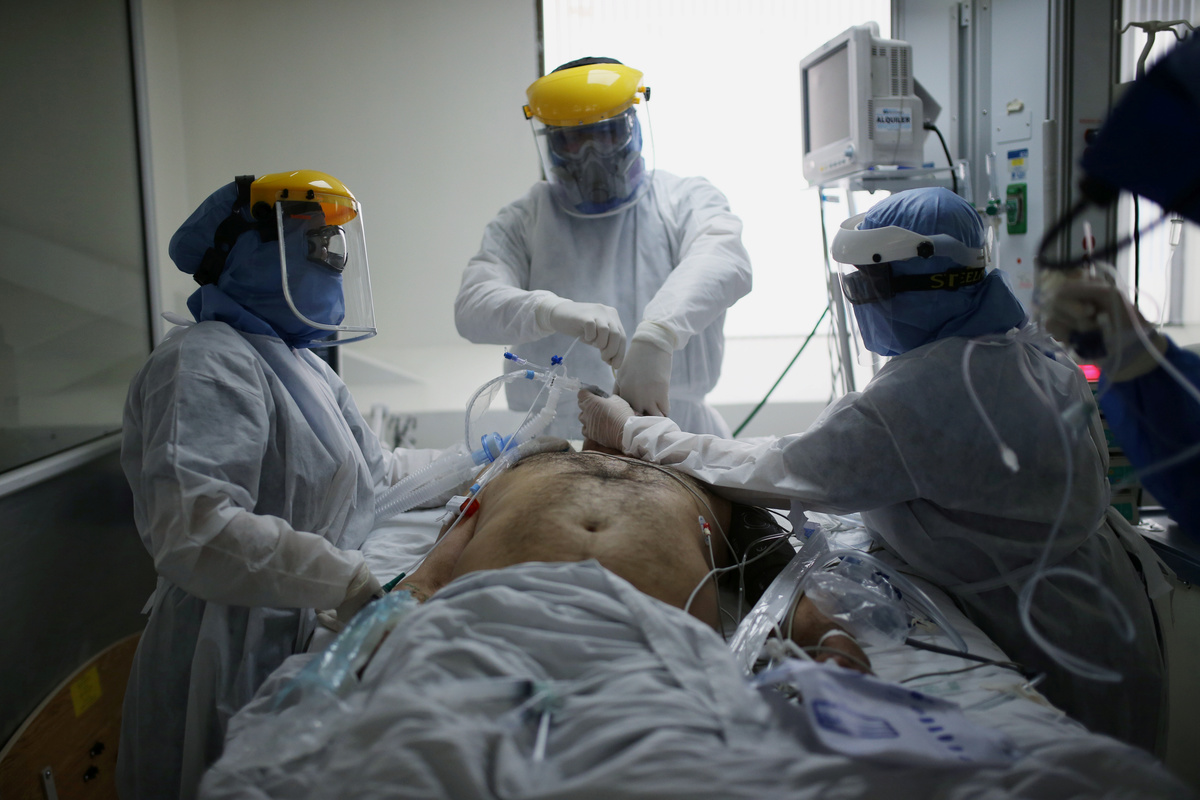
A COVID patient lies shirtless on a gurney in a chill corridor of a hospital in Colombia's capital Bogota, oxygen tubes coiled on his chest. It takes five staff - in scrubs, masks and face shields - to wheel him into the intensive care unit.
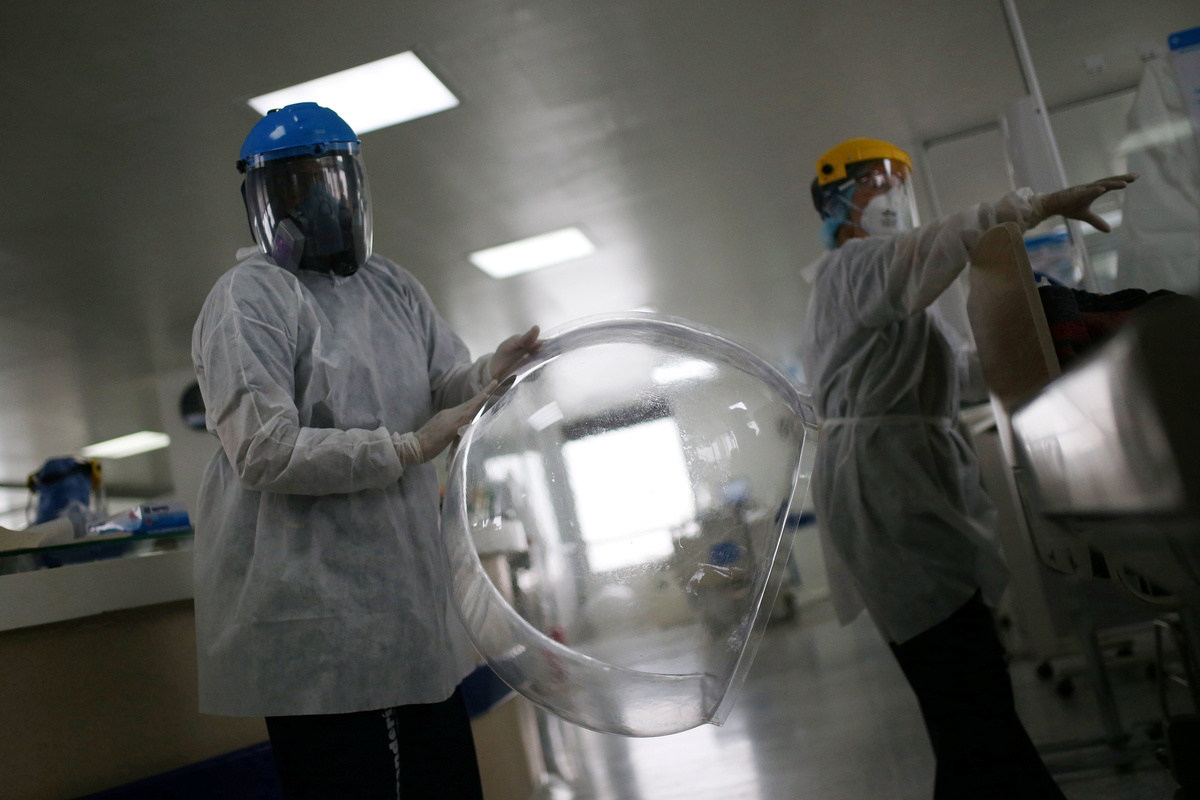
His intubation takes time. To protect themselves from coronavirus-infected saliva during the complicated procedure, the medics place a large orb-like shield over the man's head.
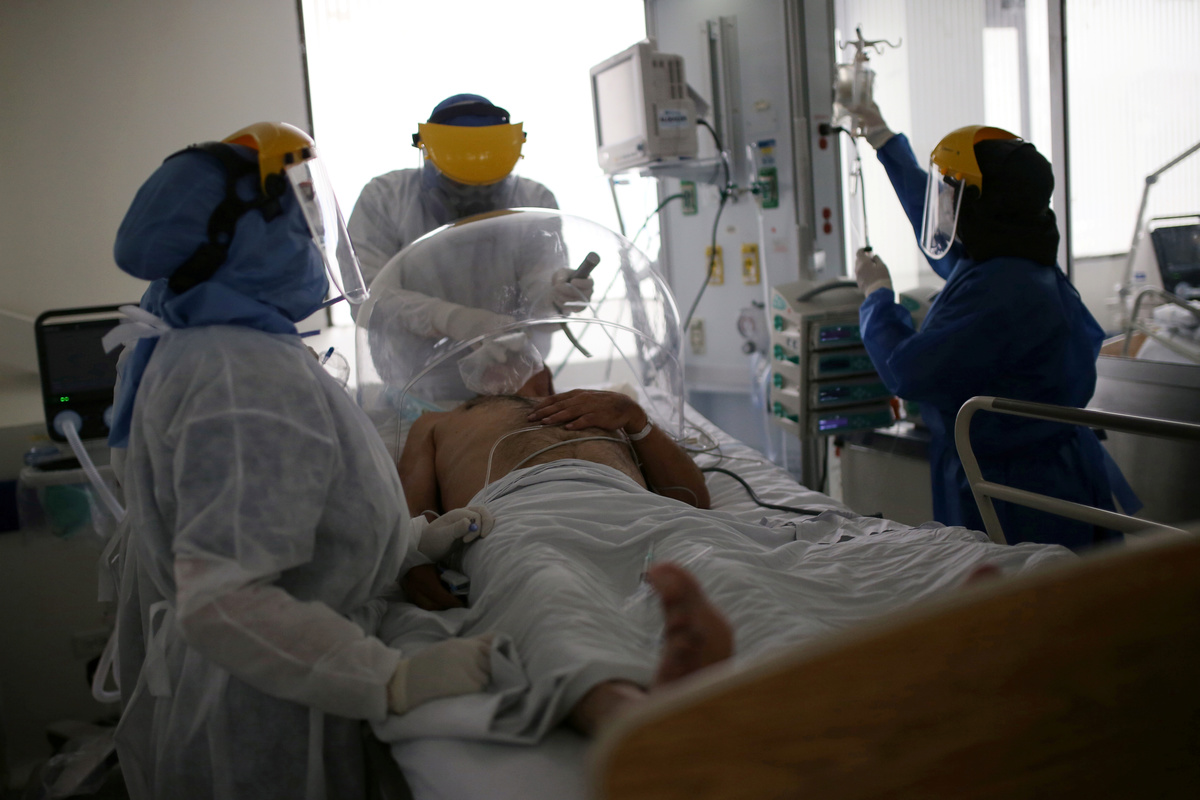
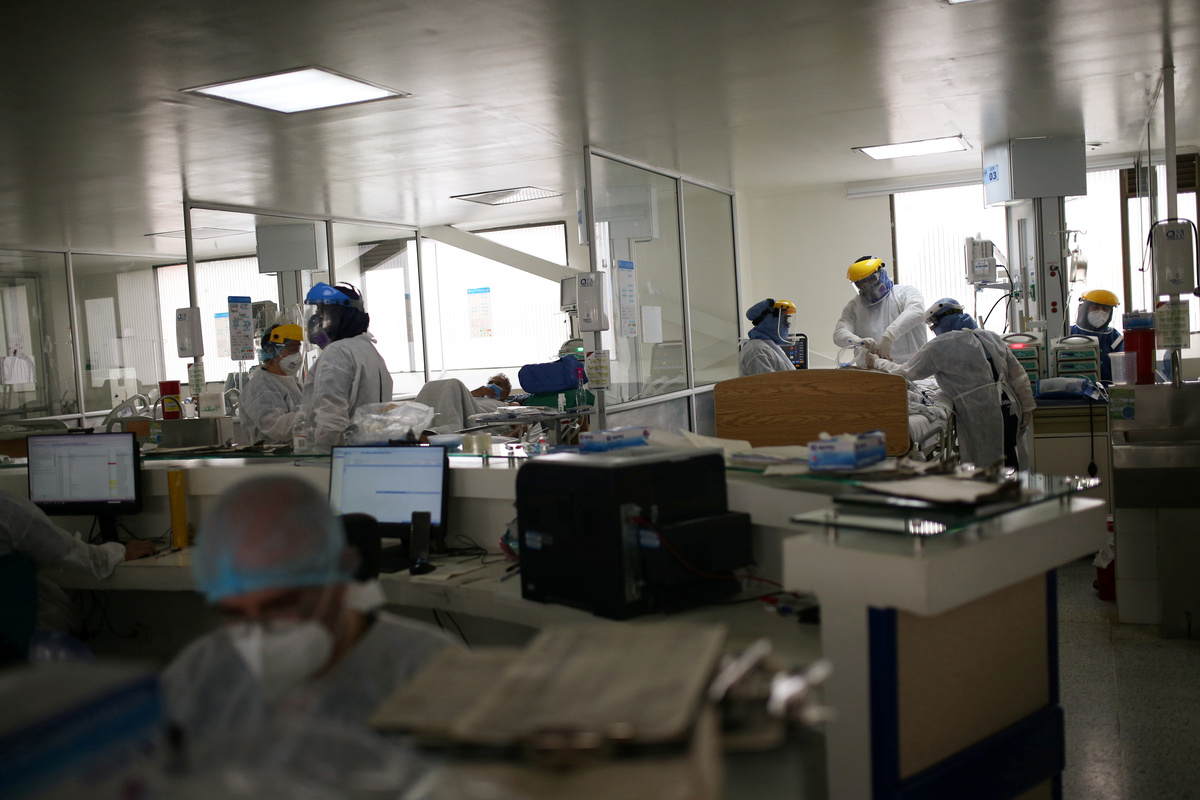
ICU nursing head Fernanda Castaneda said her staff are used to tending to ventilated patients but they are finding that COVID cases often occupy beds for weeks, instead of the three to five day turnaround for other lung conditions.
Her 14-bed unit - one of three ICUs reserved for COVID patients at El Tunal hospital in Bogota's sprawling southern suburbs - is already filling up.
COVID ICUs in Bogota - the epicenter of Colombia's outbreak - have seen their occupancy rates rise steadily over the past several months and last week reached 50% capacity, according to the city's mayor.
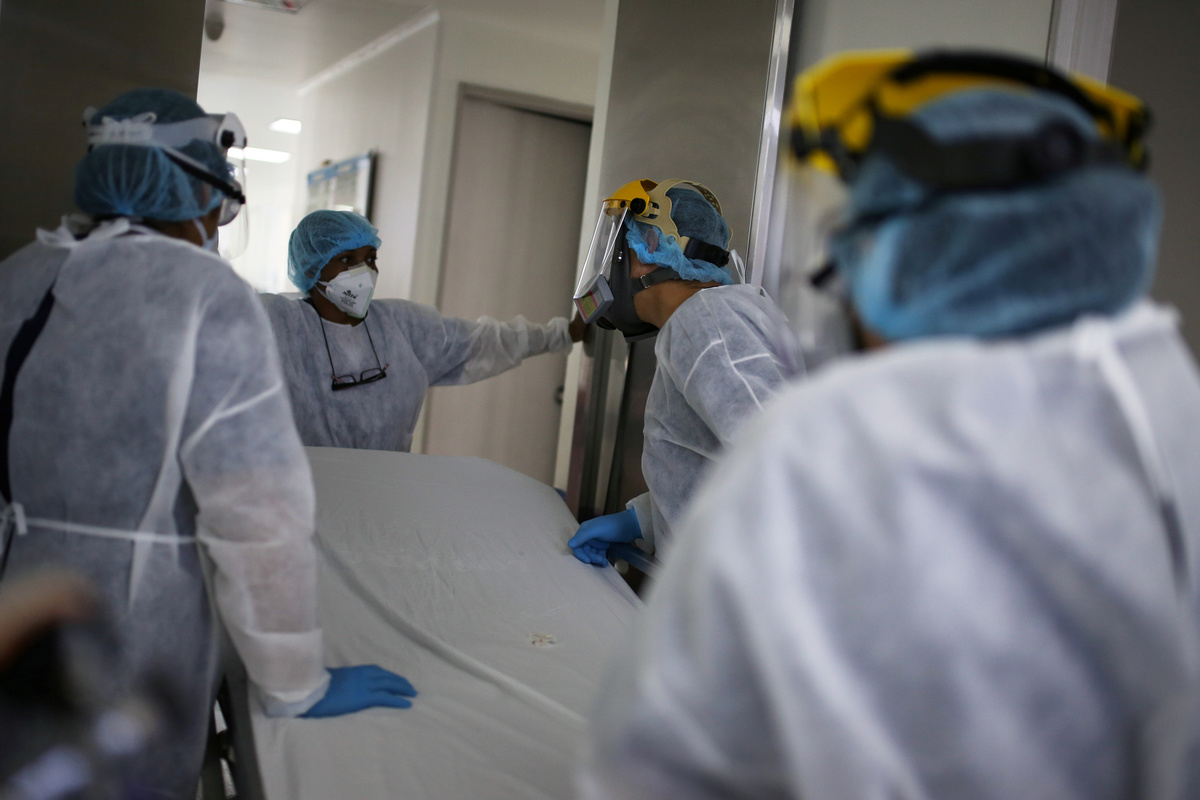
While that remains low compared with some neighboring countries, such as Brazil - where some areas are using more than 80% of ICU capacity - medics say it is just the beginning.
Staff here worry the epidemic is growing worse just as the government prepares to ease its national quarantine.
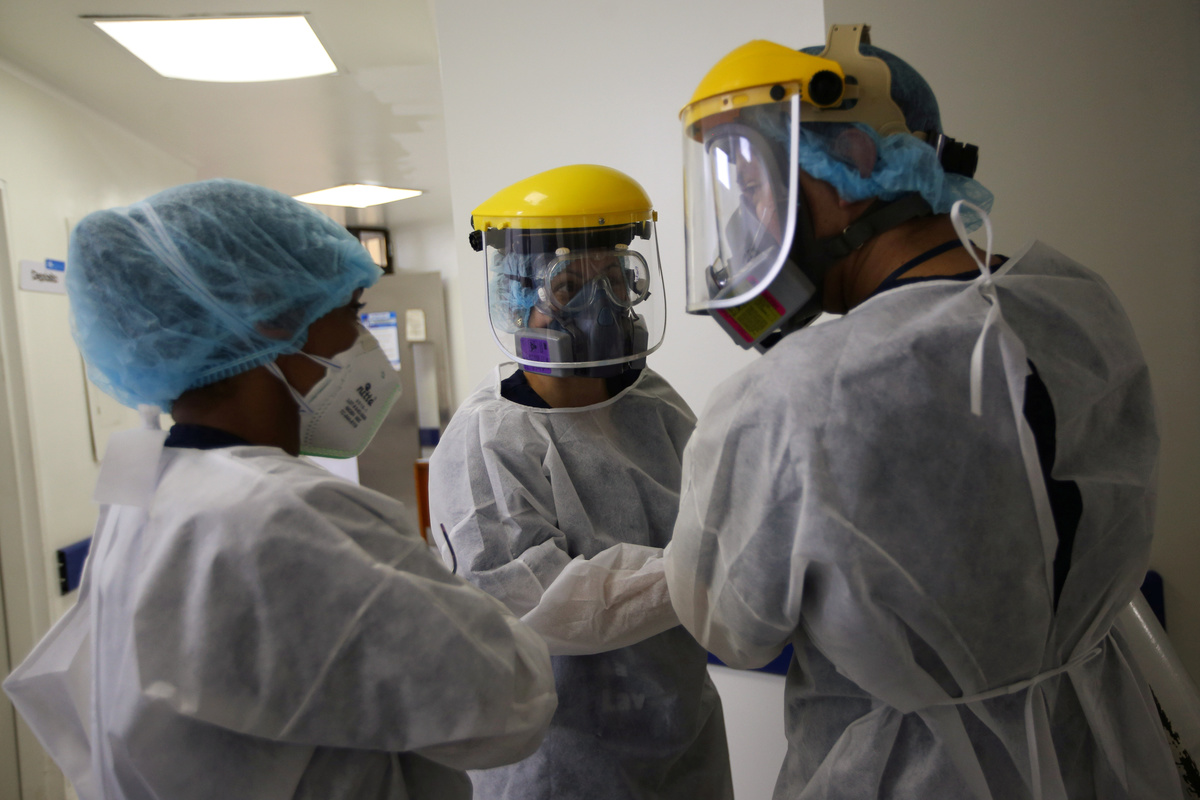
"This is really going to get out of control," said Castaneda, shod of her surgical gown after the intubation. "There will come a moment when this will collapse and neither doctors nor the government nor anyone will be able to control it if people don't at least follow the recommendations."
Colombia, which has been in nationwide lockdown since late March, may reach 50,000 confirmed cases as soon as Sunday. A general quarantine is due to end on July 1, though hundreds of thousands of businesses have reopened under safety protocols as President Ivan Duque's government tries to mitigate the hardship.
Economic activity has plummeted and unemployment has soared during lockdown, with Duque's centre-right administration coming in for criticism from families scrambling to make ends meet.
Bogota's mayor Claudia Lopez and the health ministry have kept the city - which accounts for more than a third of Colombia's cases - under stricter rules, with updated measures expected on Monday.
Lopez has repeatedly sounded the alarm about ICU capacity, saying the city could have 1,000 more beds once the national government provides ventilators.
"Economic reactivation will advance if and only if it is guaranteed neither the health system nor the ICUs will collapse," she tweeted on Saturday. "Without a guarantee of care we cannot take more risks."
Nationwide only around 2% of patients with active coronavirus cases are in ICUs, but hospitals have continued to prepare ahead of an infection peak that may still be weeks away.
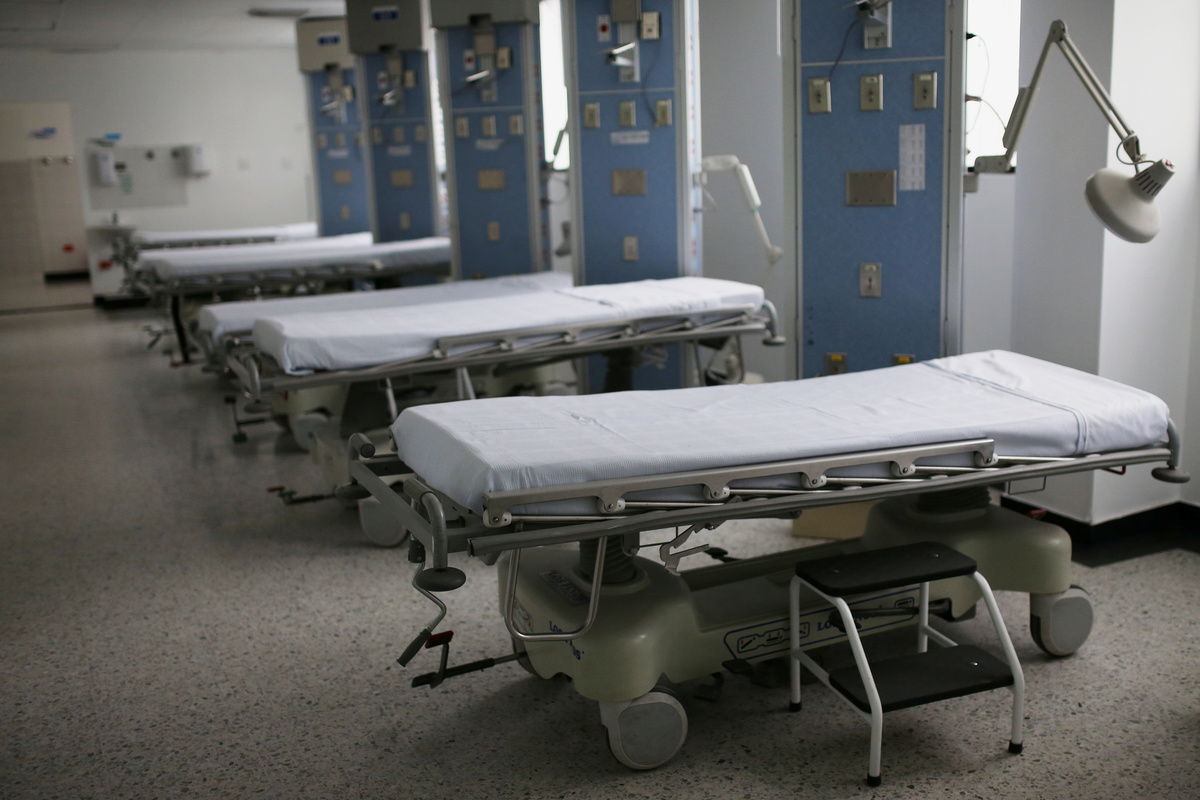
"The quarantine has been giving medical staff, the hospital, the government, the economy, time to prepare to see how we will handle this," Castaneda said, sitting on a mattress in a seven-bed unit which be another COVID ICU once ventilators arrive.
"If it was up to us the quarantine would be extended, but we know the situation is precarious. People really need to work."
VIDEO GOODBYES
To ease the distress of families unable to visit their loved ones, the hospital has launched a program to allow patients to watch videos sent by their kin on a hospital tablet.
Jairo Velandia, whose 31-year-old cousin Miguel was intubated at the hospital in late May, was overcome by emotion and relief the first time they were able to speak via video call.
"There was very little talking, it was more tears," said Velandia, whose cousin is now off the ventilator and recovering in a general COVID unit. "More than a cousin, I see him as a brother."
Sometimes those videos serve as final goodbyes.
Great-grandmother Blancanieves Daza de Rodriguez, 85, died of COVID on June 3 after 52 days in the hospital.
Her sons Hernando and Joselin Rodriguez, two of her six children, said family videos always perked up their mother, a lover of cooking who hailed from Colombia's mountainous Boyaca province.
"Despite how sick my mom was you could see her spirit. You could see she wanted to grab the tablet and hug it," Hernando said.
(Reporting by Julia Symmes Cobb; Editing by Lisa Shumaker)