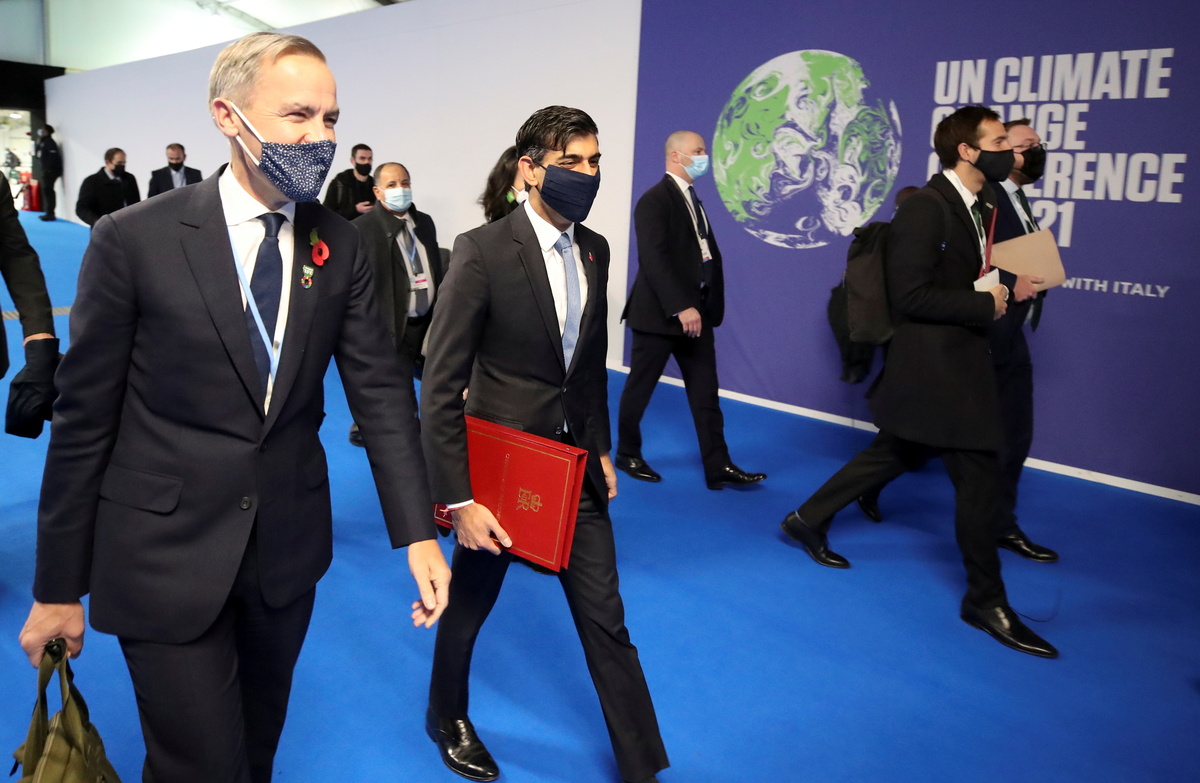
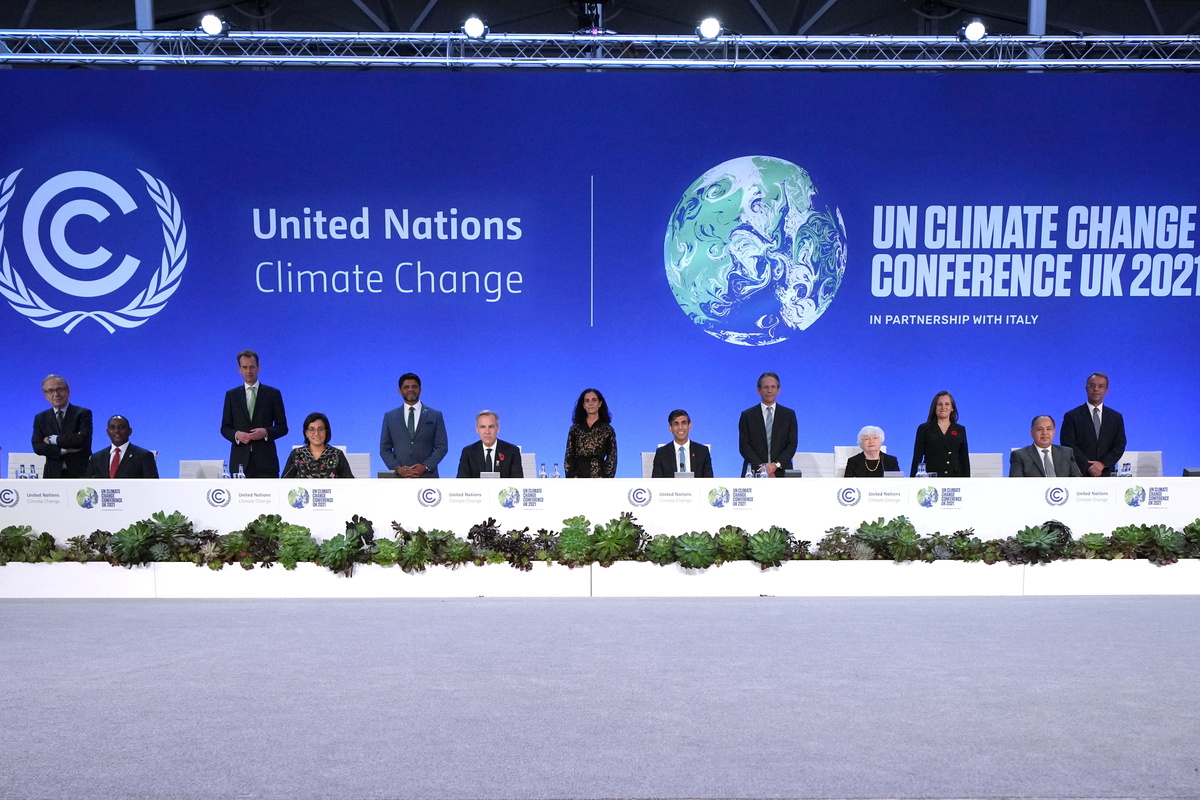
Banks, insurers and investors with $130 trillion at their disposal pledged on Wednesday to put combatting climate change at the centre of their work, and gained support in the form of efforts to put green investing on a firmer footing.
And in another development at the COP26 U.N. climate conference at least 19 countries are expected to commit on Thursday to ending public financing for fossil fuel projects abroad by the end of 2022, two sources said.
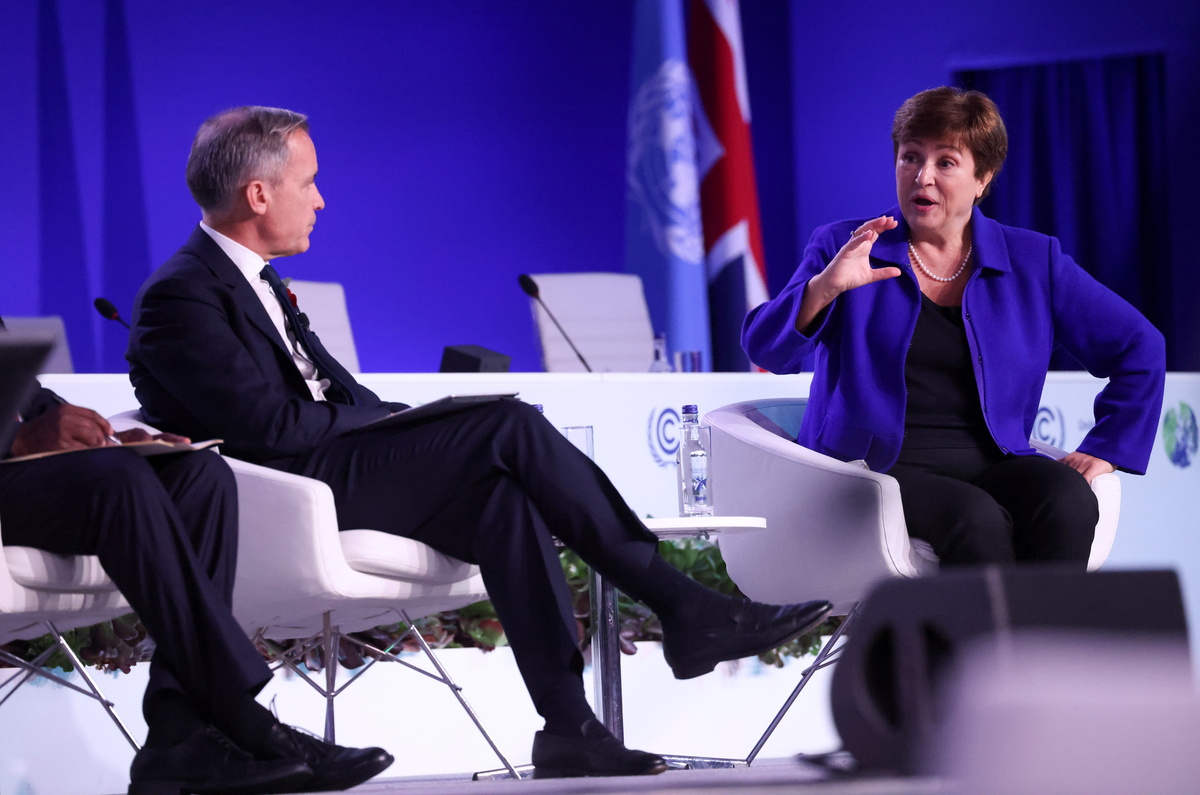
In an earlier announcement at the meeting in Scotland, financial institutions accounting for around 40% of the world's capital committed to assuming a "fair share" of the effort to wean the world off fossil fuels.
A main aim of the COP26 talks is to secure enough national promises to cut greenhouse gas emissions - mostly from burning coal, oil and gas - to keep the rise in the average global temperature to 1.5 degrees Celsius.
But how exactly to meet those pledges, particularly in the developing world, is still being worked out.
Above all, it will require a lot of money.
U.N. climate envoy Mark Carney, who assembled the Glasgow Financial Alliance for Net Zero (GFANZ), put the figure at $100 trillion over the next three decades, and said the finance industry must find ways to raise private money to take the effort far beyond what states alone can do.
"The money is here - but that money needs net zero-aligned projects and (then) there's a way to turn this into a very, very powerful virtuous circle - and that's the challenge," the former Bank of England governor told the summit.
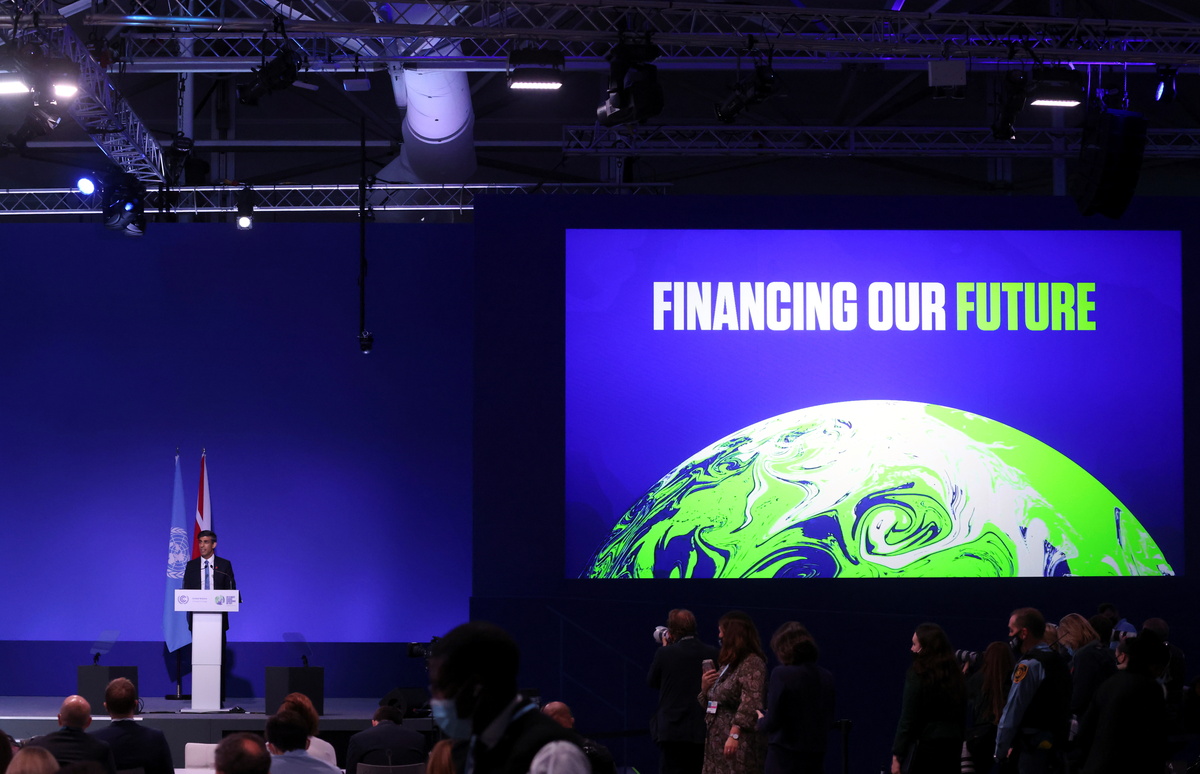
Carney's comments reflect a problem often cited by investors who, in the face of a myriad of climate-related risks, need to be sure that they are being accounted for in a transparent and preferably standardised way globally.
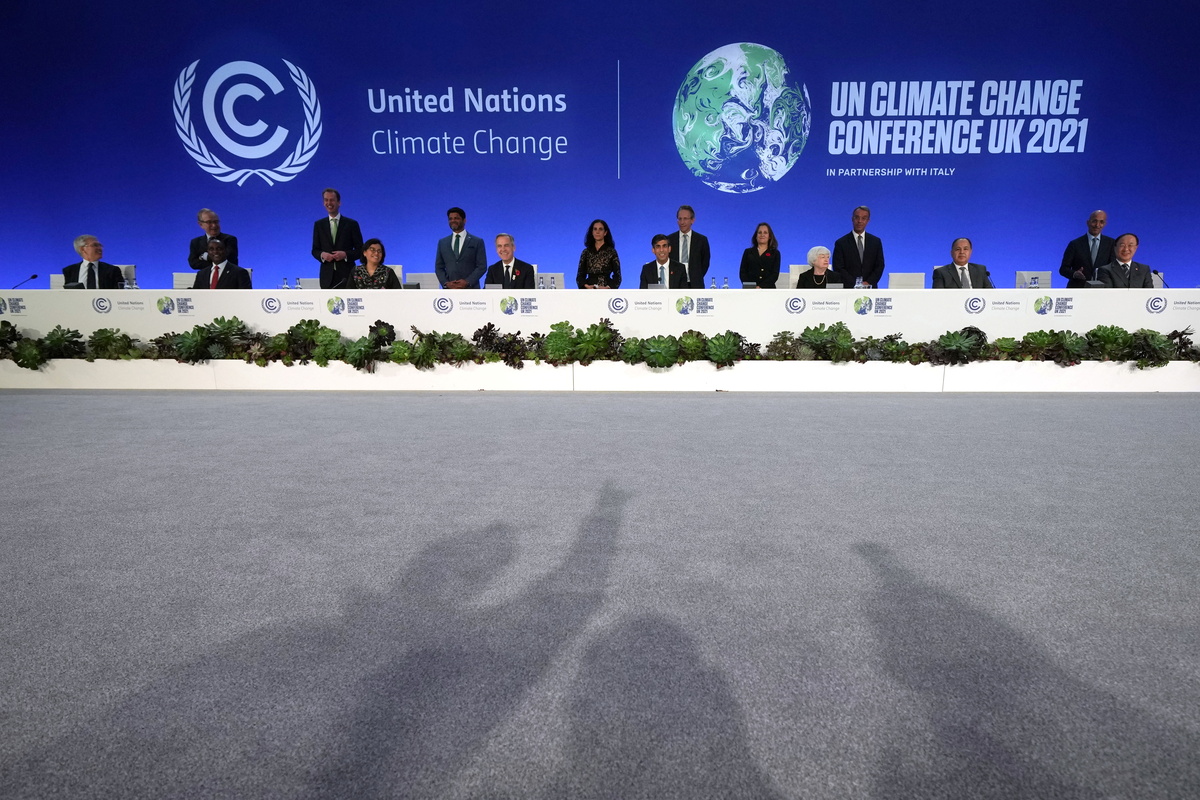
"Some of the key interlocking pieces of the finance puzzle are now coming together," said Nick Robins of the Grantham Research Institute on Climate Change and the Environment.
LOOPHOLES
However, others were not convinced.
"These happy headlines conceal a wealth of loopholes and opportunities for backsliding that we cannot afford if we are to avoid climate breakdown," the Environmental Justice Foundation said in an emailed statement.
"Net zero pledges mean nothing without fossil fuel divestment. Time for financial institutions to put their money where their mouth is and stop funding climate-destroying fossil fuels," the NGO's CEO Steve Trent added.
Carney has led an effort to ensure that financial institutions account for and disclose the full climate risks of their lending or investments, forcing the wider economy to price in costs that until now been largely concealed.
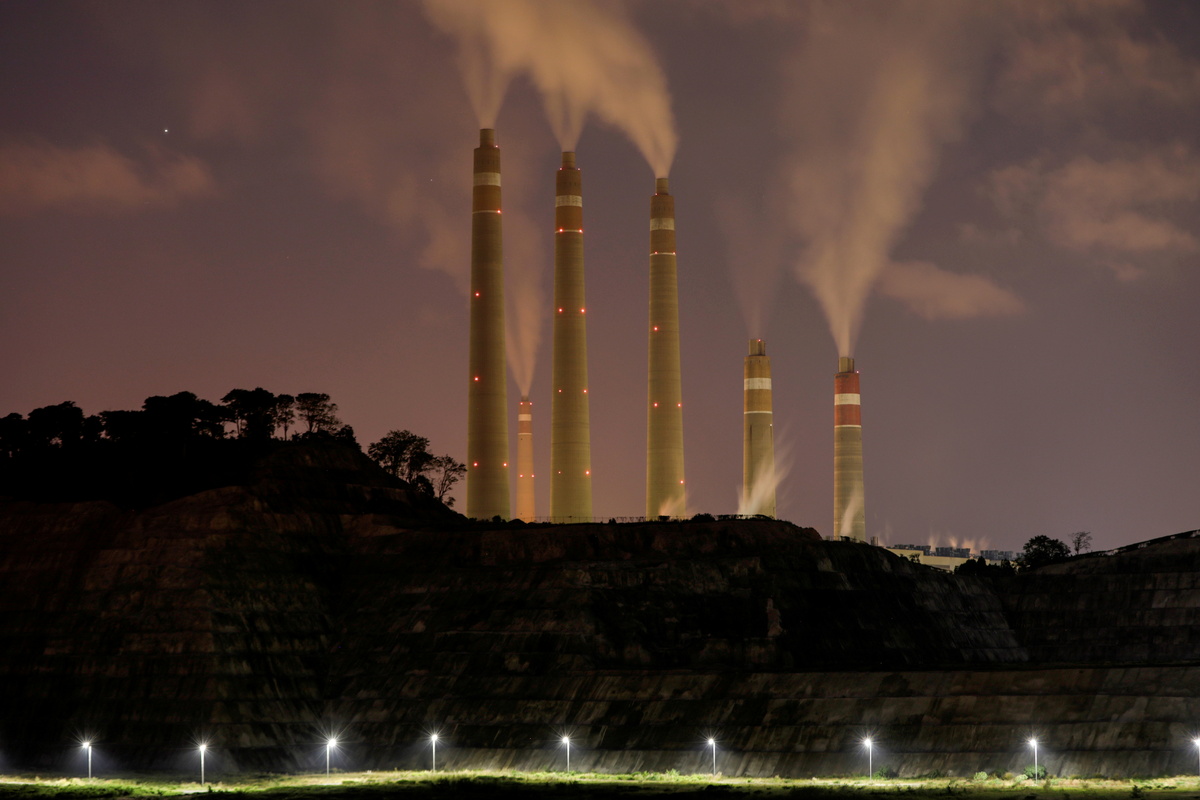
These include not only the direct effects of more frequent extreme weather events, but also costs such as a loss of government subsidies for fossil fuels, or the knock-on health and environmental costs of greenhouse gas emissions.
Kristalina Georgieva, head of the International Monetary Fund, said it was crucial to incorporate climate data into everyday macroeconomic reporting.
The change in private sector financial institutions was highlighted by British COP26 President Alok Sharma who said:
"What we have seen over the last few years is a big move in the private sector and financial services sector to go green ... in the 1990s, clearly (then) climate finance, investing in green, was not mainstream. I do believe it is now mainstream."
China's central bank governor, Yi Gang, said Beijing was working on a new monetary policy facility to provide cheap funds for financial institutions to support green projects, and that the People's Bank of China (PBOC) and the European Union would soon publish a shared definition of green investment.
And the vice chair of the global Financial Stability Board, Dutch central banker Klaas Knot, said a mandatory global minimum standard for disclosure of climate risks was now needed for both financial stability and the provision of sustainable finance.
'GREENWASHING'
Jane Fraser, CEO of Citigroup, a GFANZ member, said it was remarkable that the initiative would influence $130 trillion in funds, but that it needed scale to work.
"If you don't work together, you're going to come up with a lot of nice really speeches, but you're ... in danger of being divorced from reality," she said.
Investors are certain to welcome the launch of a global standards body to prevent companies giving a flattering picture of their climate policies and business practices in what is already a multitrillion-dollar global market for environment, social and governance (ESG) targeted funds.
"If you don't have basic information on a globally comparable basis ... you increase the risks of greenwashing enormously," said Ashley Alder, chair of IOSCO, the global umbrella body for securities regulators, which helped set up the International Sustainability Standards Board (ISSB).
Private sector enthusiasm for mobilising climate-friendly investment also requires the assurance that governments are setting emission reduction goals that are ambitious enough to meet the 1.5 Celsius goal - something that is by no means certain to happen by the end of COP26 on Nov. 12.
U.S. climate envoy John Kerry told a meeting of world mayors the pledges made so far gave the world only a 60% chance of capping warming at 1.5 Celsius.
(Additional reporting by William James, Elizabeth Piper, Mark John and Huw Jones; Writing by Kevin Liffey and Alexander Smith; Editing by Katy Daigle, Kevin Liffey and Giles Elgood)