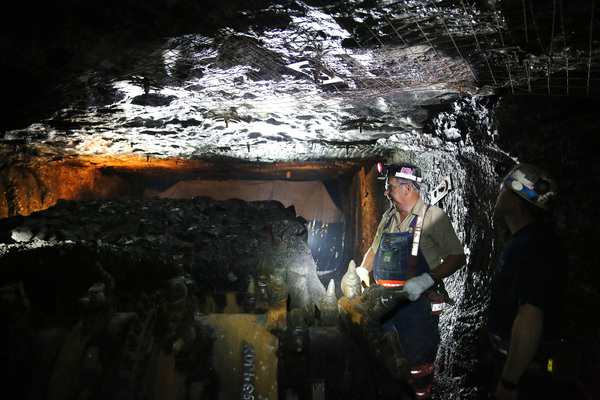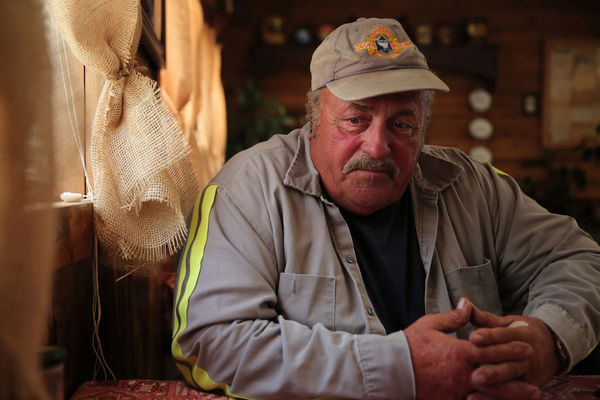
GALATIA, Ill. _ Some 600 feet beneath the corn and soybean fields of southern Illinois, a passageway barely tall enough to walk through ends in a wall of gleaming black carbon, ready to be ground into chunks and transported to power plants half a world away.
This is a coal mine, and for more than a century caverns like it have fueled the economy of this often-depressed region. Miners risk their bodies in labyrinthine tunnels and on mineral-rich hillsides, and in exchange, they can earn $80,000 or more _ wages far beyond anything else available in the area.
But this long-standing covenant could be reaching its end. Illinois mining companies have shed more than 1,200 jobs over the last year as strict new environmental regulations and cheap natural gas have encouraged utilities to drop their reliance on coal. Only about 2,800 jobs remain, the lowest tally in decades.
That downsizing _ and the fear that the final blow is coming _ has shaken small towns already haunted by empty storefronts and shrinking populations. Coal mining has always been volatile, but some industry veterans say this downturn feels as though it might be permanent.
"Southern Illinois is not a booming area," said Denny Maraman, 64, a former miner whose devotion to the job was so deep that he kept working even after receiving a double-lung transplant, only to be laid off two years later. "You take the mining industry away? It's like cutting the legs off it. And as bad as it is now, it's going to get worse."
Coal's decline has become an issue in the presidential race. Hillary Clinton stirred fear in the mines when she told a town hall in March that the shift to clean, renewable energy means "we're going to put a lot of coal miners and coal companies out of business."
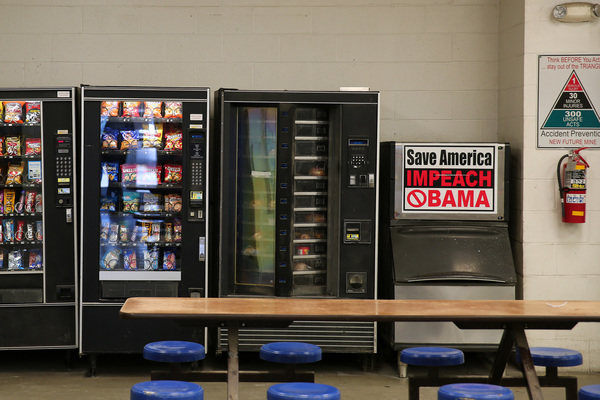
She added that she wants to bring new economic opportunities to coal country, but the damage was done: Donald Trump, who has vowed to "bring those miners back" by scrapping regulations, is seen by some as the industry's last hope.
"I think (the election) is pivotal," said Bob Sandidge, owner of a mining services company and founder of an advocacy group called Coal Miner's Movement. "Hillary said she's going to carry on with the clean power plan, and that's going to be the final nail in the coffin."
Some analysts say coal's predicament is too far gone for a political fix. Energy producers in the U.S. and overseas are building enormous wind farms and fields of solar panels, while the ocean of natural gas unleashed by fracking has prompted American utilities to shutter hundreds of coal-fired plants.

That has many in the region envisioning a future without mining _ and they don't like what they see.
Michael Tucker, 33, recently learned that he'll lose his job in November when his employer, the Pattiki Mine in Carmi, Ill., shuts down permanently. He said when mines close, the aftershocks touch many more who indirectly depend on them, from truck drivers and barge captains to restaurant employees and real estate agents.
"The number of jobs that will be lost or negatively affected will be hundreds, thousands," Tucker said. "That's what people don't realize. It's just enormous what it'll do to southern Illinois."