As Fukushima residents return, some see hope in nuclear tourism
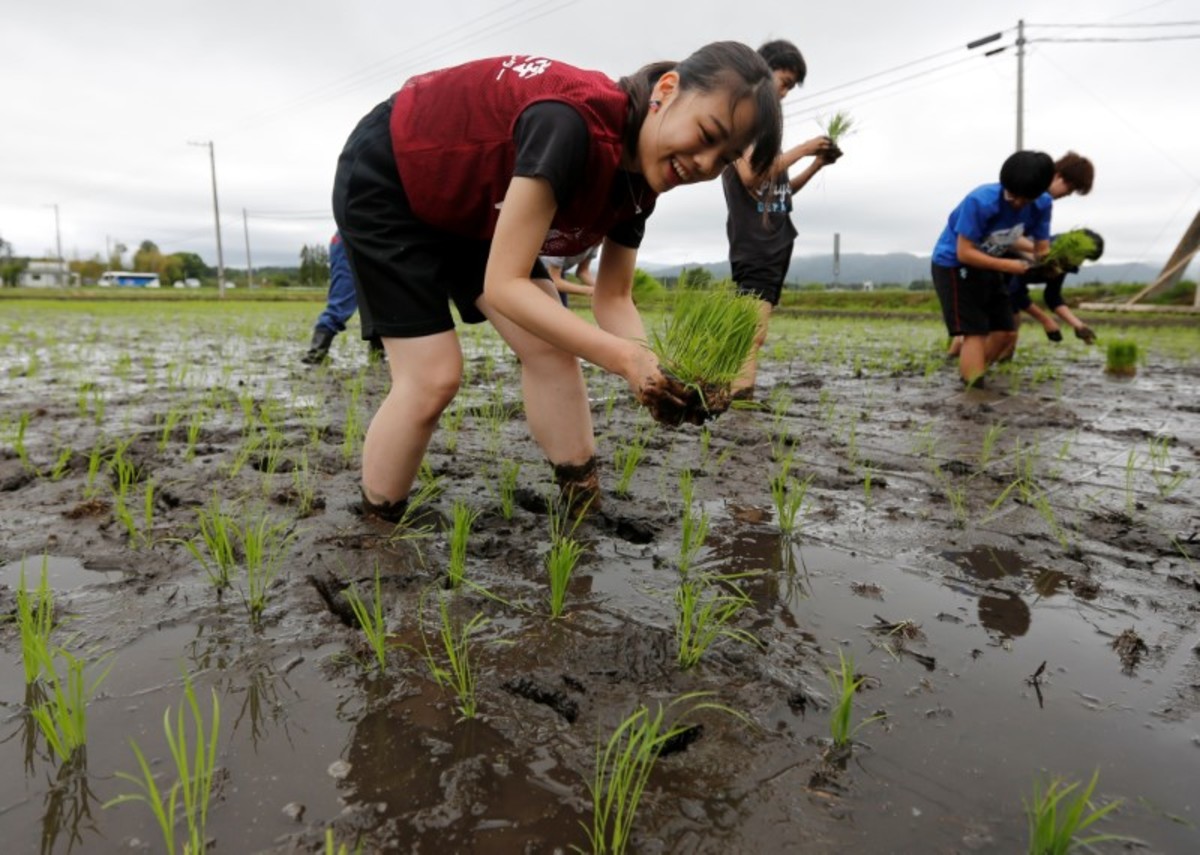
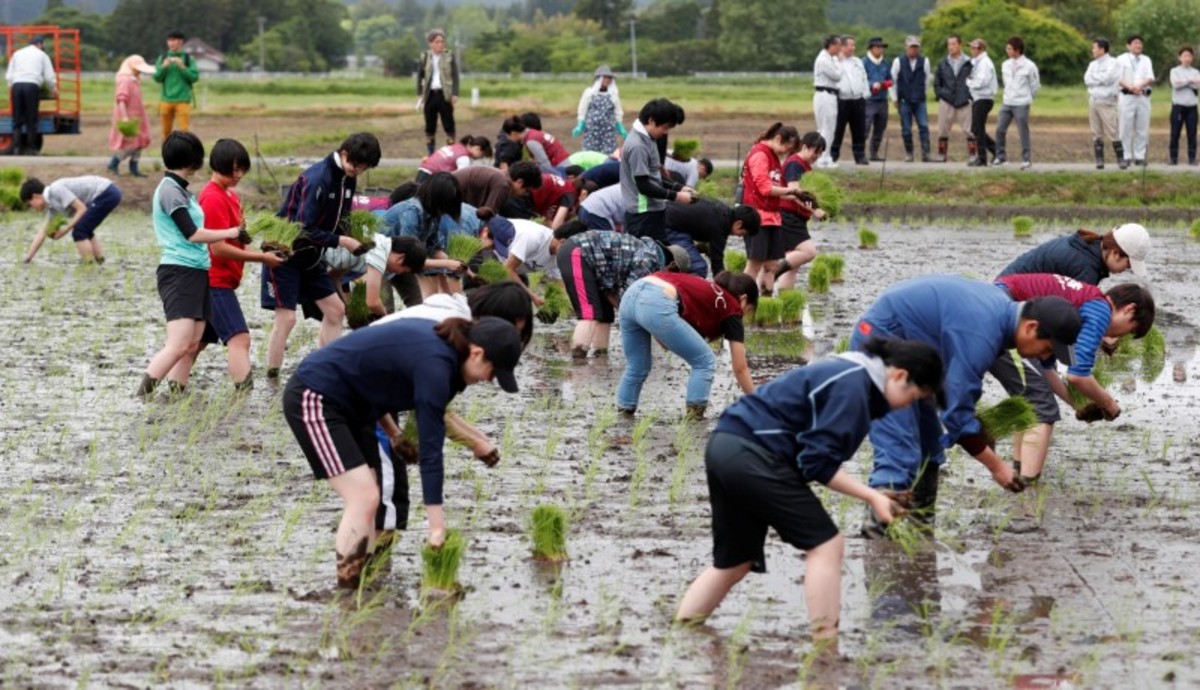
Tourists from Tokyo's universities, plant rice seedlings in a paddy field, near Tokyo Electric Power Co's (TEPCO) tsunami-crippled Fukushima Daiichi nuclear power plant, during a rice planting event in Namie town, Fukushima prefecture, Japan May 19, 2018. Picture taken May 19, 2018. REUTERS/Toru Hanai
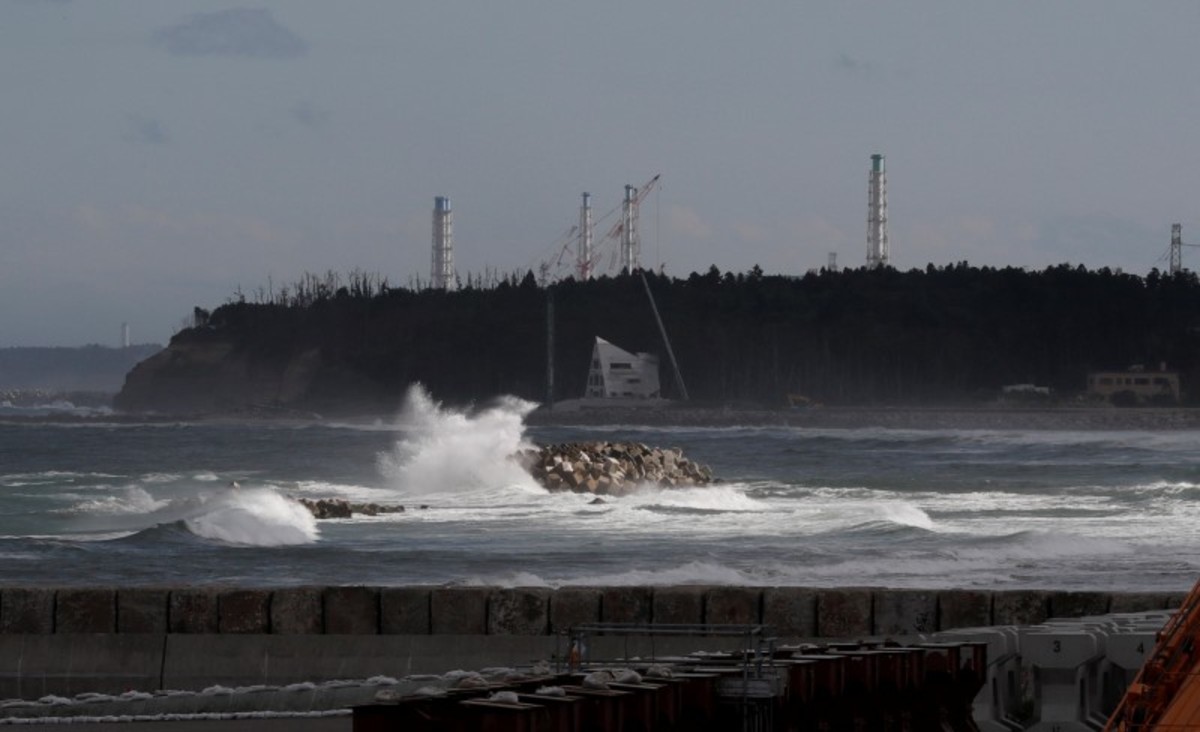
FUKUSHIMA, Japan (Reuters) - On a cold day in February, Takuto Okamoto guided his first tour group to a sight few outsiders had witnessed in person: the construction cranes looming over Japan's Fukushima Daiichi nuclear plant.
Seven years after a deadly tsunami ripped through the Tokyo Electric Power plant, Okamoto and other tour organizers are bringing curious sightseers to the region as residents who fled the nuclear catastrophe trickle back.
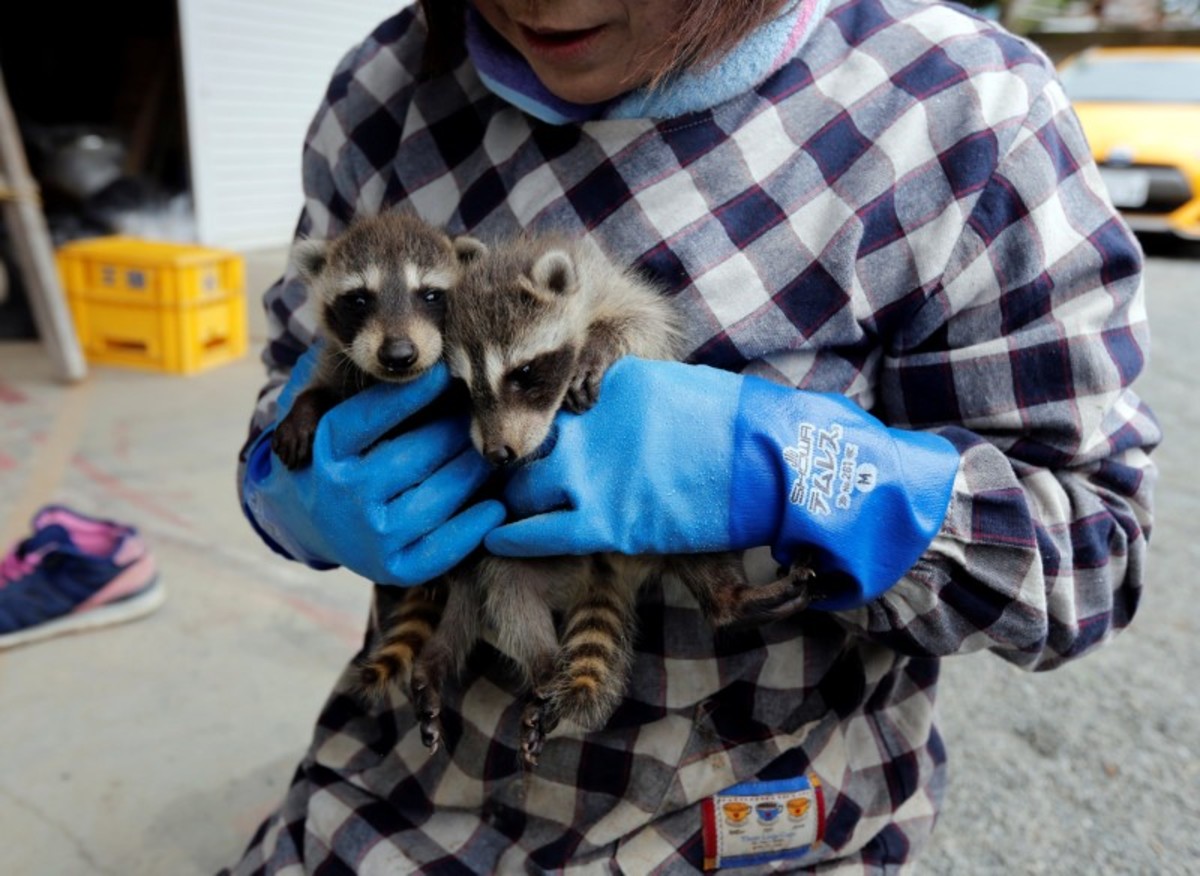
Mayumi Matsumoto holds baby raccoons which are found under her house, near Tokyo Electric Power Co's (TEPCO) tsunami-crippled Fukushima Daiichi nuclear power plant, in Namie town, Fukushima prefecture, Japan May 19, 2018. Picture taken May 19, 2018. REUTERS/Toru Hanai
Many returnees hope tourism will help resuscitate their towns and ease radiation fears.
But some worry about drawing a line under a disaster whose impact will be felt far into the future. The cleanup, including the removal of melted uranium fuel, may take four decades and cost several billion U.S. dollars a year.
"The disaster happened and the issue now is how people rebuild their lives," Okamoto said after his group stopped in Tomioka, 10 kilometers (6.21 miles) south of the nuclear plant. He wants to bring groups twice a week, compared with only twice a month now.
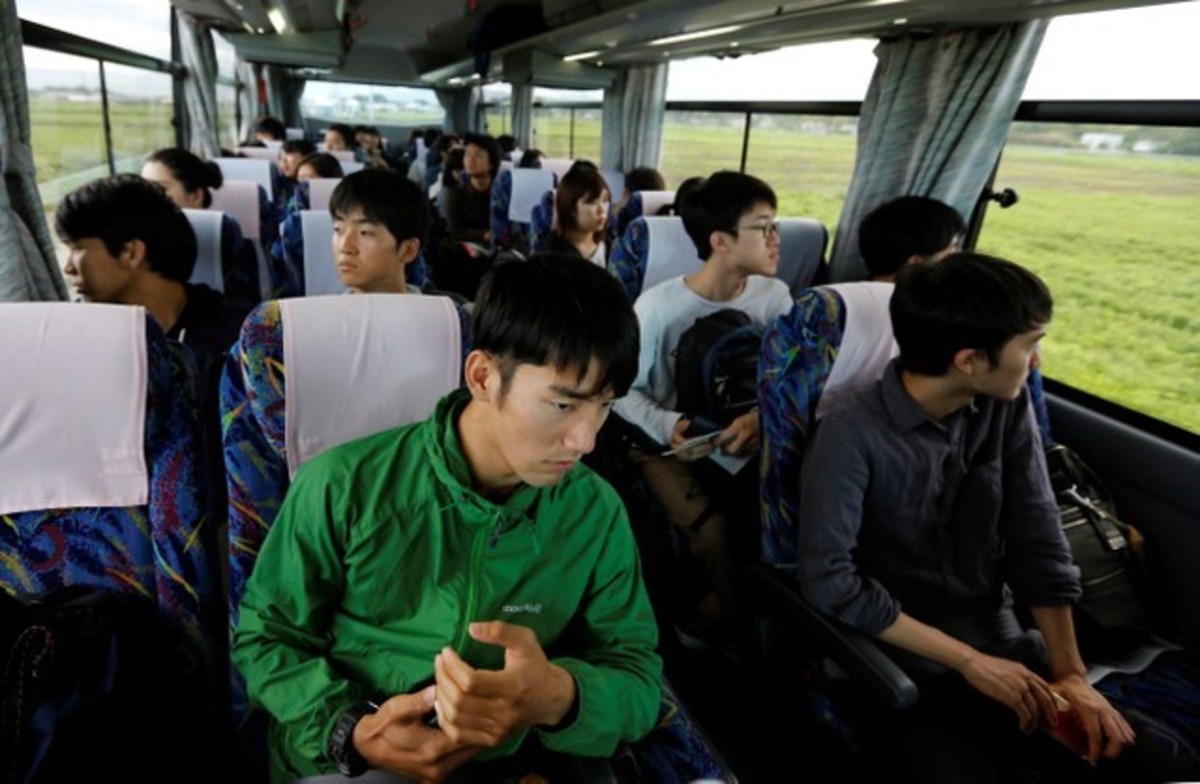
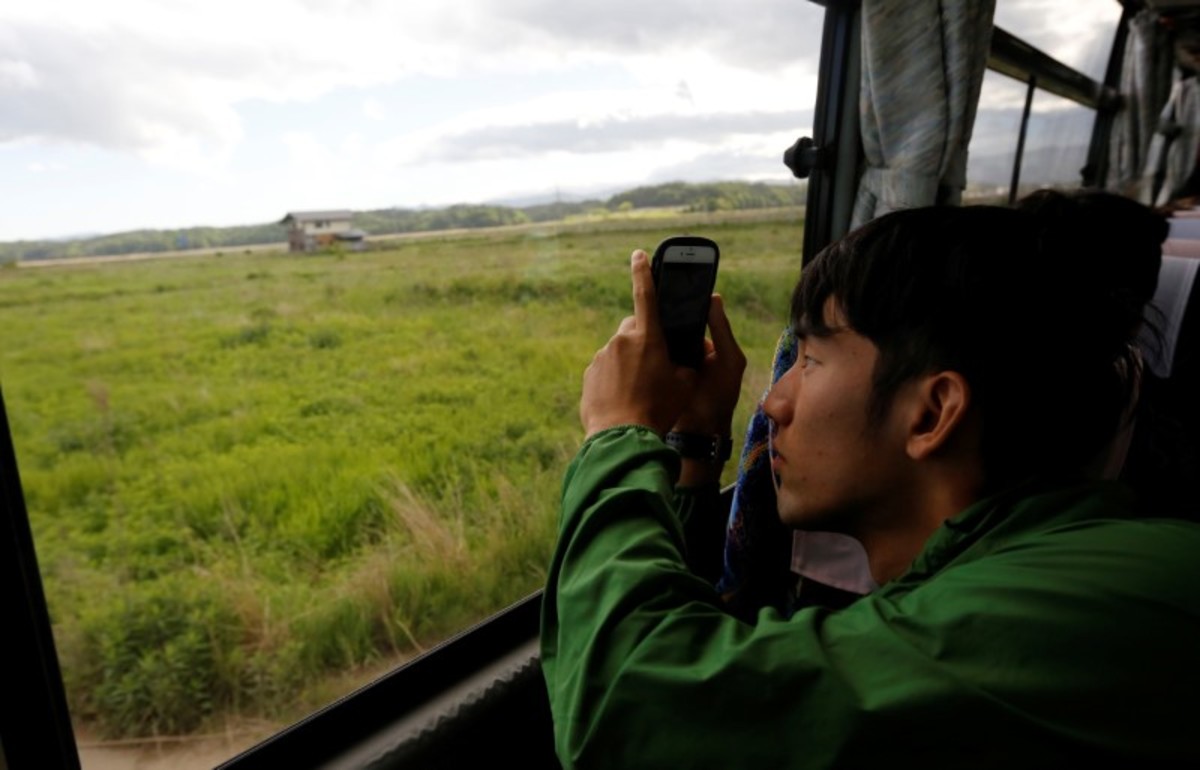
Tourists from Tokyo's universities, look out from a bus at an area devastated by the March 11, 2011 earthquake and tsunami, near Tokyo Electric Power Co's (TEPCO) tsunami-crippled Fukushima Daiichi nuclear power plant, in Namie town, Fukushima prefecture, Japan May 19, 2018. Picture take May 19, 2018. REUTERS/Toru Hanai
Electronic signs on the highway to Tomioka showed radiation around 100 times normal background levels, as Okamoto's passengers peered out tour bus windows at the cranes poking above Fukushima Daiichi.
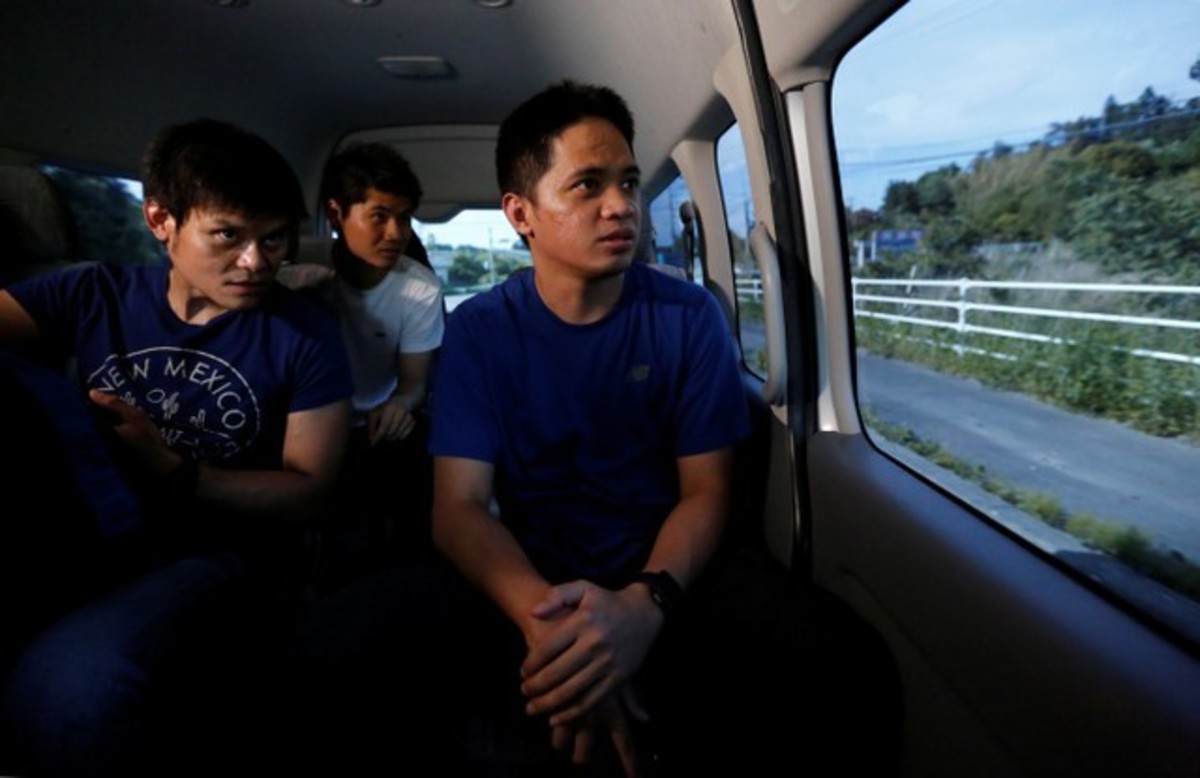
"For me, it's more for bragging rights, to be perfectly honest," said Louie Ching, 33, a Filipino programmer. Ching, two other Filipinos and a Japanese man who visited Chernobyl last year each paid 23,000 yen ($208.75) for a day trip from Tokyo.
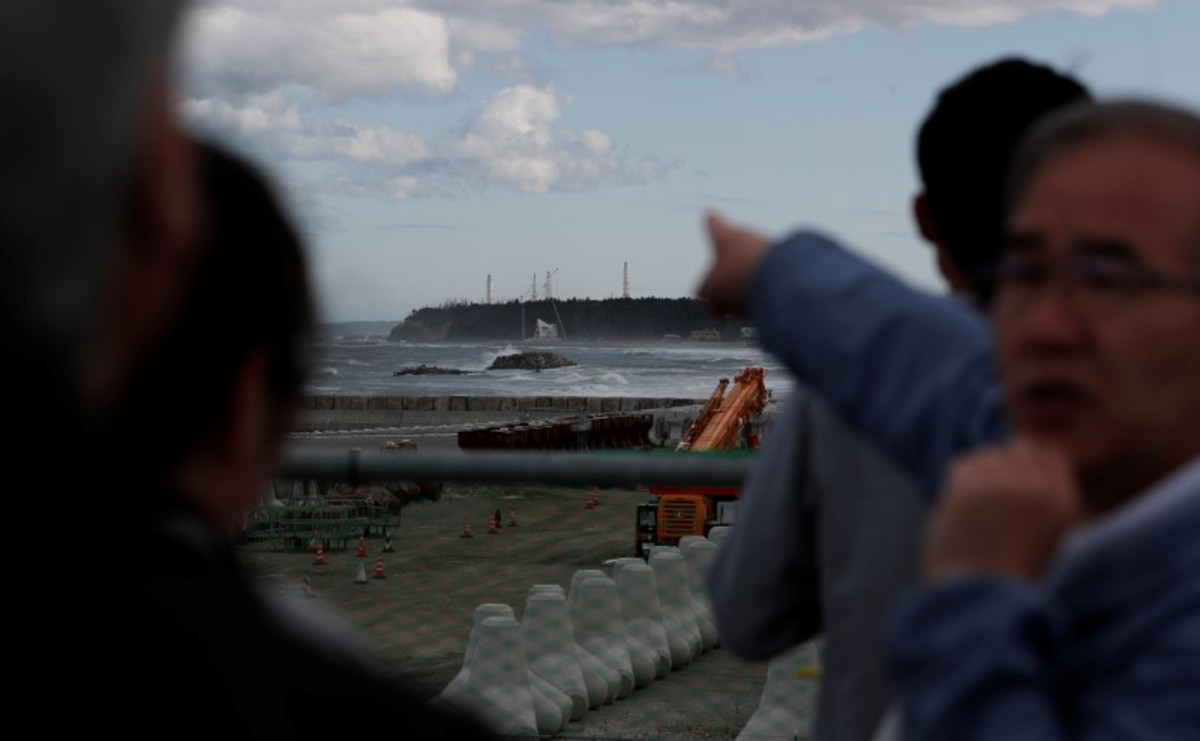
Katsumi Miyaguchi (R), deputy mayor of Namie town, points to cranes and chimneys of Tokyo Electric Power Co's (TEPCO) tsunami-crippled Fukushima Daiichi nuclear power plant, as he guides tourists from Tokyo's universities at an area devastated by the March 11, 2011 earthquake and tsunami in Namie town, Fukushima prefecture, Japan May 19, 2018. Picture taken May 19, 2018. REUTERS/Toru Hanai
NAMIE
The group had earlier wandered around Namie, a town 4 kilometers north of the plant to which residents began returning last year after authorities lifted restrictions. So far, only about 700 of 21,000 people are back - a ratio similar to that of other ghost towns near the nuclear site.
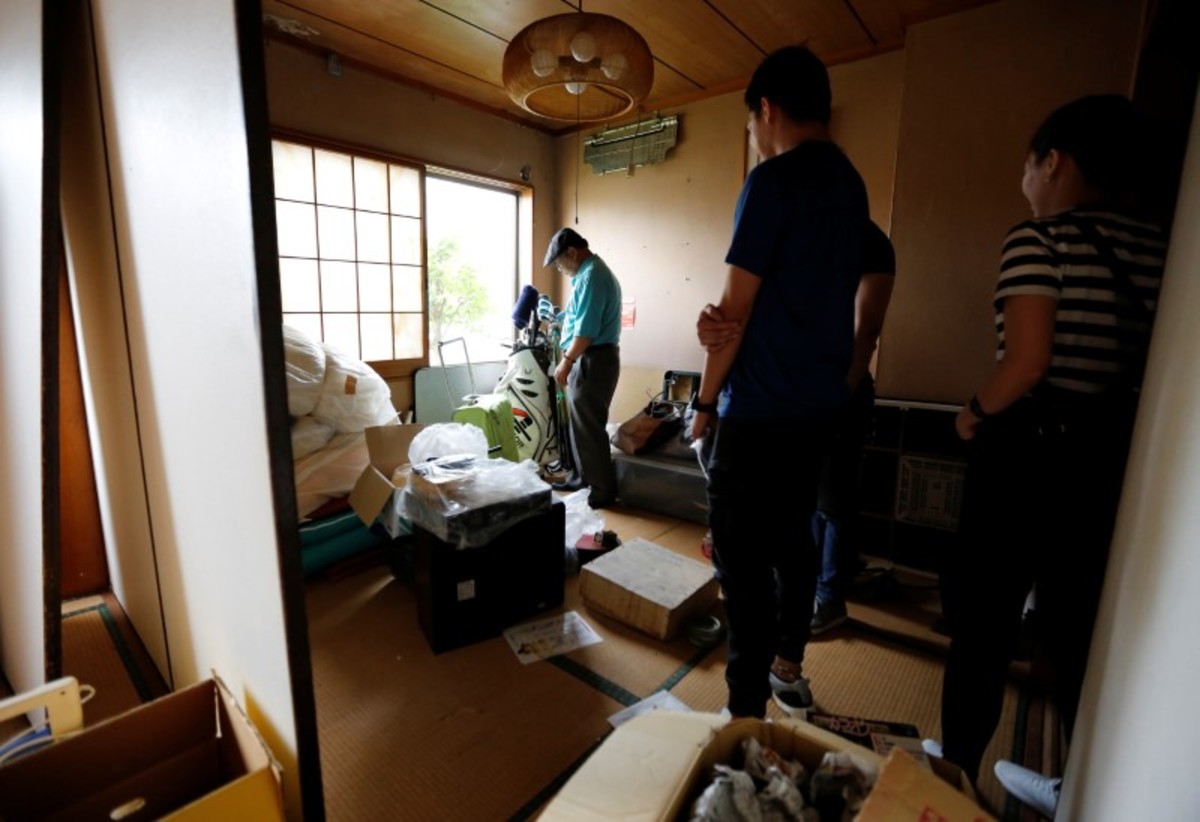
Former residents Mitsuru Watanabe, 80, and his wife Rumeko, 79, have no plans to return. They were only in town to clear out their shuttered restaurant before it is demolished, and they chatted with tourists while they worked.
Owner of closed restaurant Mitsuru Watanabe (L) and tourists from Philippines react at Watanebe's restaurant in Namie town, near Tokyo Electric Power Co's (TEPCO) tsunami-crippled Fukushima Daiichi nuclear power plant, Fukushima prefecture, Japan May 17, 2018. Picture taken May 17, 2018. REUTERS/Toru Hanai
"We used to pull in around 100 million yen a year," Mitsuru said as he invited the tourists inside. A 2011 calendar hung on the wall, and unfilled orders from the evacuation day remained on a whiteboard in the kitchen.
"We want people to come. They can go home and tell other people about us," Mitsuru said among the dusty tables.
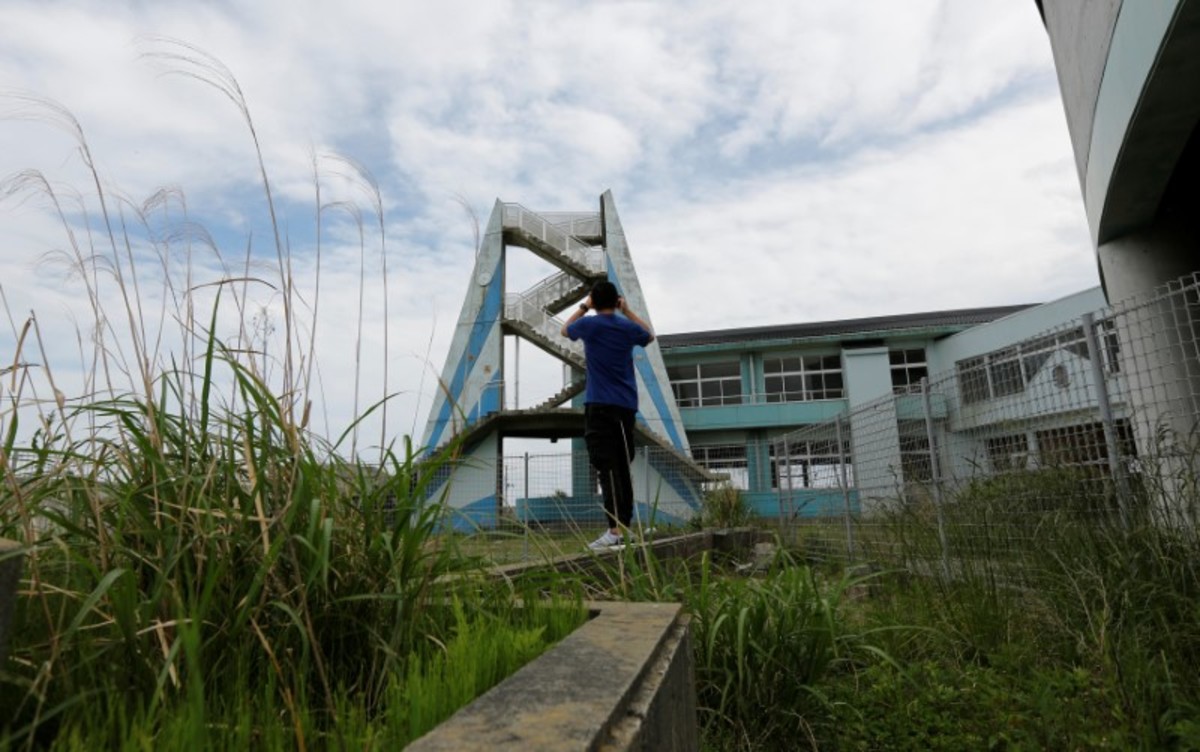
Okamoto's group later visited the nearby coastline, where the tsunami killed hundreds of people. Abandoned rice paddies, a few derelict houses that withstood the wave and the gutted Ukedo elementary school are all that remain.
Tourists from Tokyo's universities, plant rice seedlings in a paddy field, near Tokyo Electric Power Co's (TEPCO) tsunami-crippled Fukushima Daiichi nuclear power plant, during a rice planting event in Namie town, Fukushima prefecture, Japan May 19, 2018. Picture taken May 19, 2018. REUTERS/Toru Hanai
It's here, behind a new sea wall at the edge of the restricted radiation zone, that Fukushima Prefecture plans to build a memorial park and 5,200-square-metre (56,000-square-foot) archive center with video displays and exhibits about the quake, tsunami and nuclear calamity.
For a graphic on Fukushima returnees, click http://tmsnrt.rs/2lv77E6
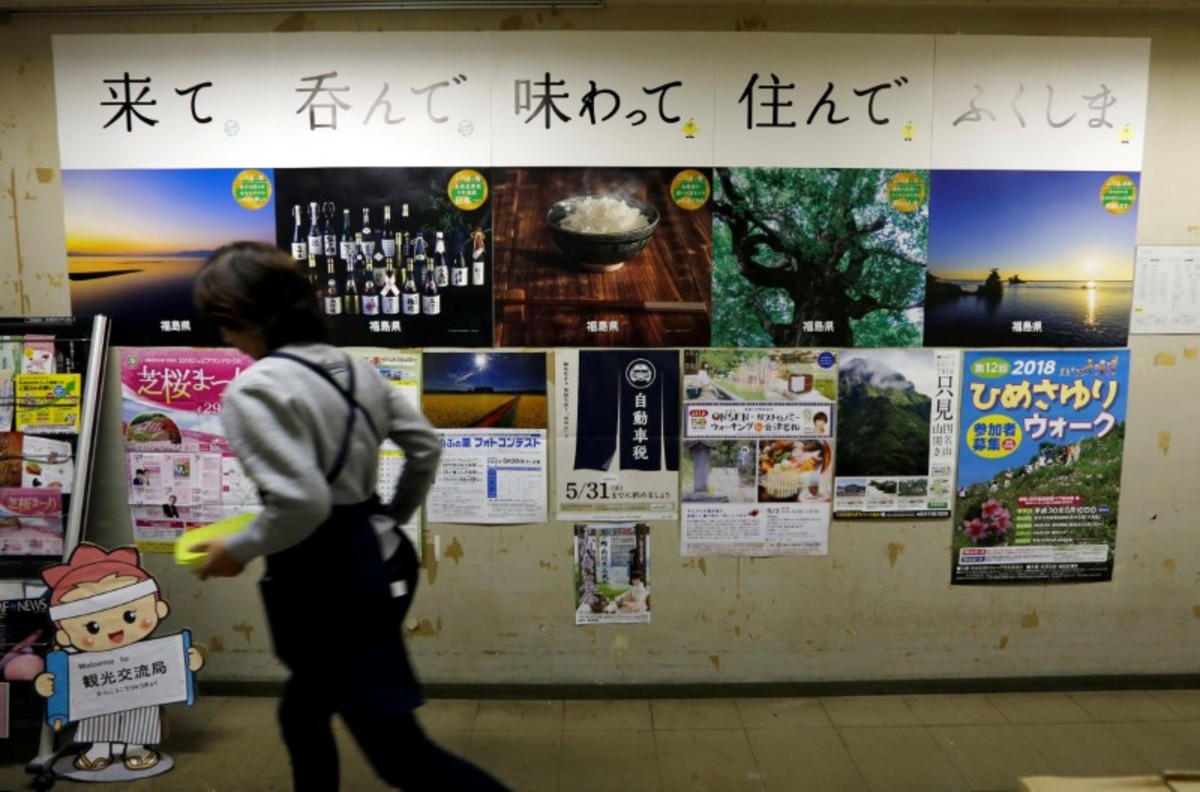
Posters promoting Fukushima sightseeing, are seen at the Fukushima prefectural government office in Fukushima, Fukushima prefecture, Japan May 18, 2018. Picture taken May 18, 2018. REUTERS/Toru Hanai
LURING TOURISTS
"It will be a starting point for visitors," Kazuhiro Ono, the prefecture's deputy director for tourism, said of the center. The Japan Tourism Agency will fund the project, Ono added.
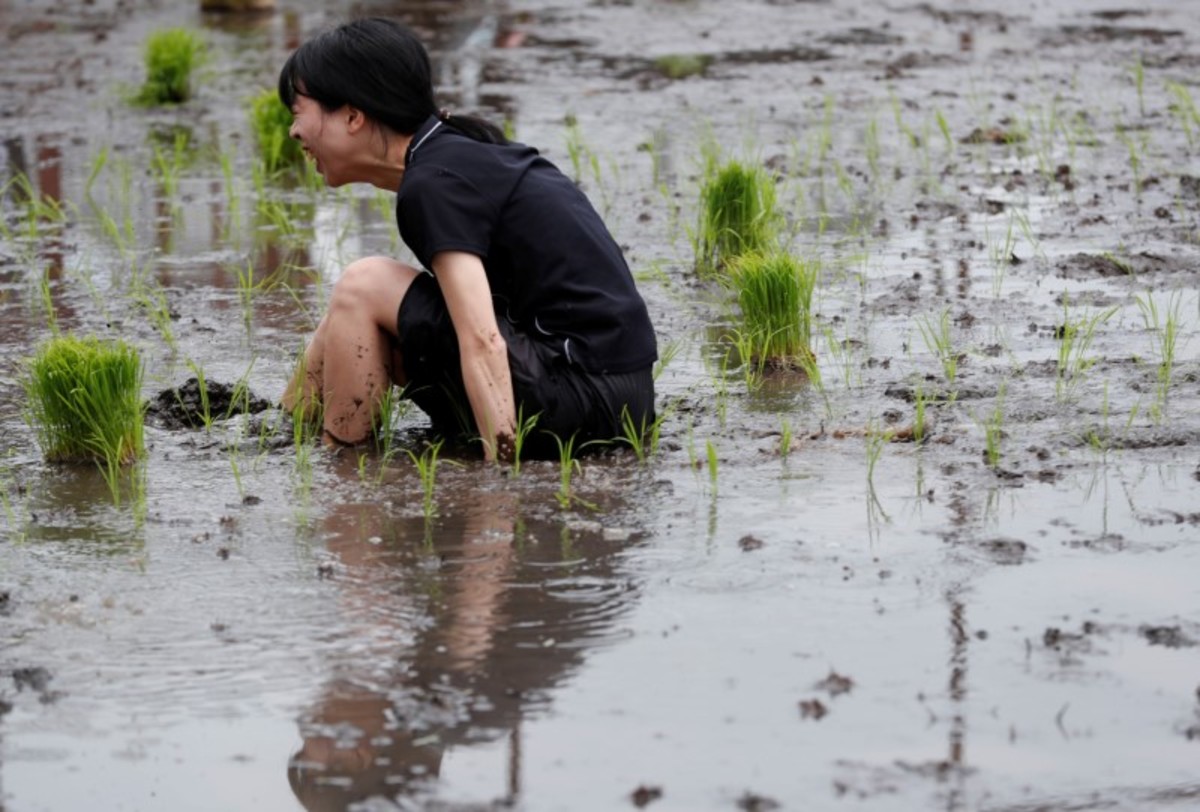
An university student on a field trip, falls as she plants rice seedlings in a paddy field, near Tokyo Electric Power Co's (TEPCO) tsunami-crippled Fukushima Daiichi nuclear power plant, during a rice planting event in Namie town, Fukushima prefecture, Japan May 19, 2018. Picture taken May 19, 2018. REUTERS/Toru Hanai
Ono wants tourists to come to Fukushima, particularly foreigners, who have so far steered clear. Overseas visitors spent more than 70 million days in Japan last year, triple the number in 2011. About 94,000 of those were in Fukushima.
Tokyo Electric will provide material for the archive, although the final budget for the project has yet to be finalised, he said.
"Some people have suggested a barbecue area or a promenade," said Hidezo Sato, a former seed merchant in Namie who leads a residents' group. A "1" sticker on the radiation meter around his neck identified him as being the first to return to the town.
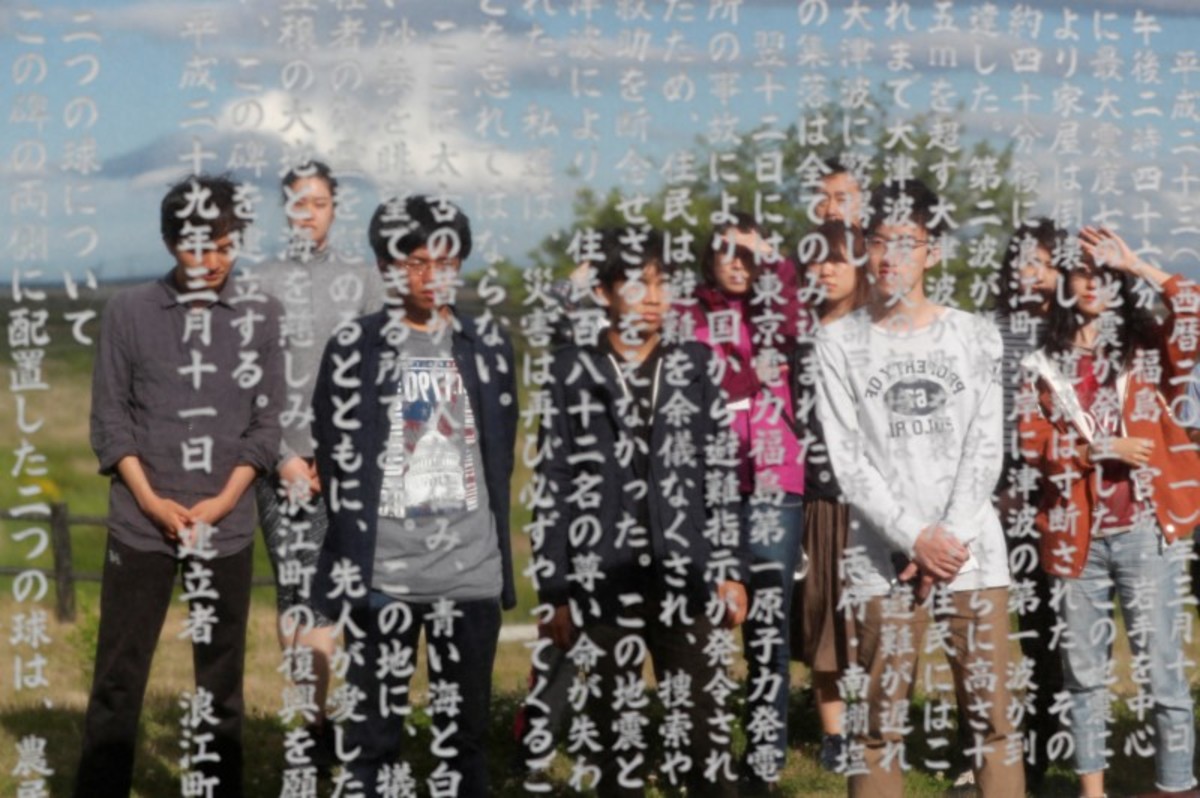
Tourists from Tokyo's universities, are reflected in a cenotaph to mourn for the victims of the March 11, 2011 earthquake and tsunami, at an area devastated by the disaster, near Tokyo Electric Power Co's (TEPCO) tsunami-crippled Fukushima Daiichi nuclear power plant, in Namie town, Fukushima prefecture, Japan May 19, 2018. Picture taken May 19, 2018. REUTERS/Toru Hanai
"If people come to brag about getting close to the plant, that can't be helped, but at least they'll come," Sato said. The archive will help ease radiation fears, he added.
SPECTACLE
Tourists from Philippines and tour guide Takuto Okamoto (C) look out from a van inside the exclusion zone, near Tokyo Electric Power Co's (TEPCO) tsunami-crippled Fukushima Daiichi nuclear power plant, in Futaba town, Fukushima prefecture, Japan May 17, 2018. Picture taken May 17, 2018. REUTERS/Toru Hanai
Standing outside a farmhouse as workmen refurbished it so her family could return, Mayumi Matsumoto, 54, said she was uneasy about the park and archive.
"We haven't gotten to the bottom of what happened at the plant, and now is not the time," she said.
Matsumoto had come back for a day to host a rice-planting event for about 40 university students. Later they toured Namie on two buses, including a stop at scaffolding near the planned memorial park site to view Fukushima Daiichi's cranes.
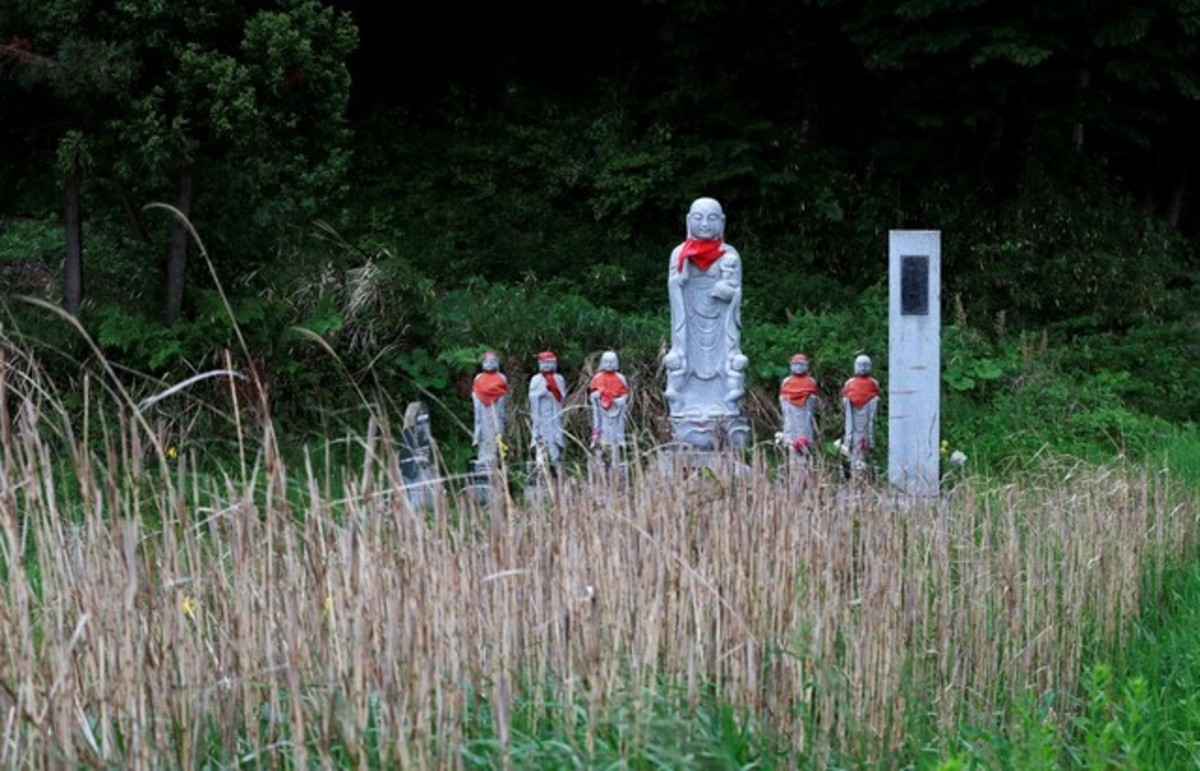
Stone statues of Jizo to mourn for the victims of the March 11, 2011 earthquake and tsunami, are seen at an area devastated by the disaster in Namie town, near Tokyo Electric Power Co's (TEPCO) tsunami-crippled Fukushima Daiichi nuclear power plant, Fukushima prefecture, Japan May 18, 2018. Picture taken May 18, 2018. REUTERS/Toru Hanai
Matsumoto described her feelings toward Tokyo Electric as "complicated," because it is responsible for the disaster but also helped her family cope its aftermath. One of her sons works for the utility and has faced abuse from angry locals, she added.
"It's good that people want to come to Namie, but not if they just want to get close to the nuclear plant. I don't want it to become a spectacle," Matsumoto said.
Okamoto is not the only guide offering tours in the area, although visits of any kind remain rare. He said he hoped his clients would come away with more than a few photographs.
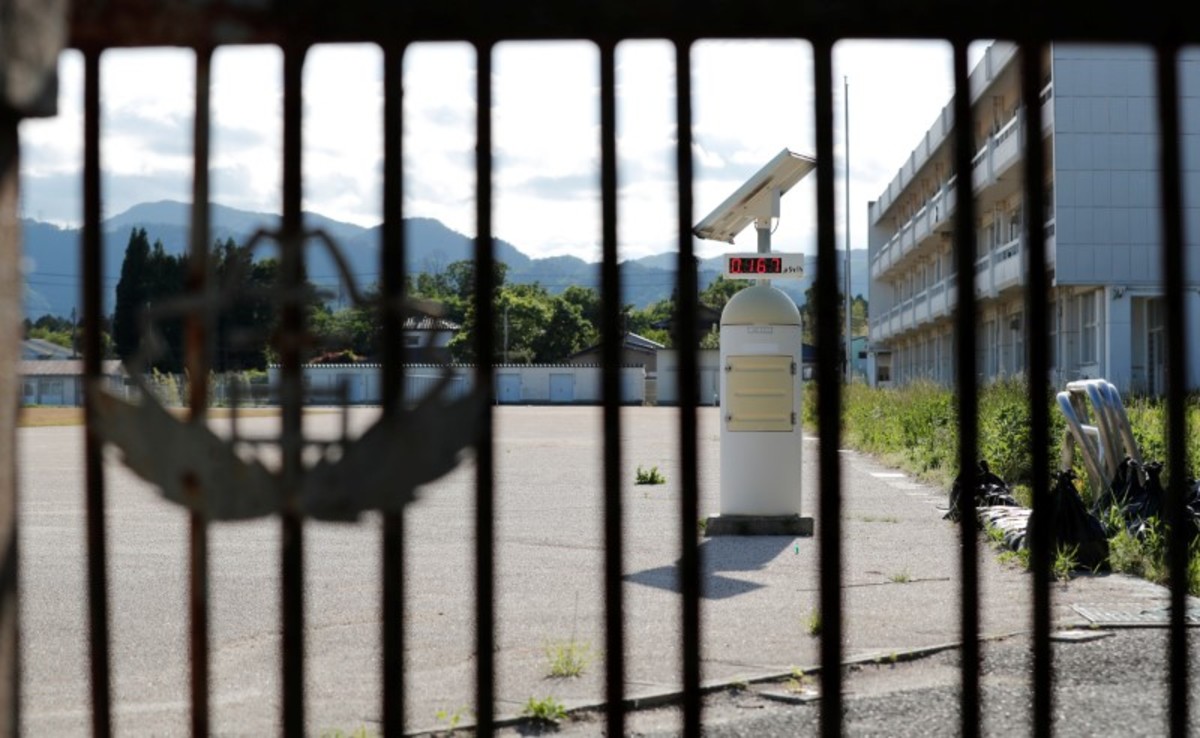
A radiation monitoring post measuring a radiation level of 0.167 microsievert per hour, is seen at Tomioka Daini Junior High School, near Tokyo Electric Power Co's (TEPCO) tsunami-crippled Fukushima Daiichi nuclear power plant, in Tomioka town, Fukushima prefecture, Japan May 17, 2018. Picture taken May 17, 2018. REUTERS/Toru Hanai
"If people can see for themselves the damage caused by tsunami and nuclear plant, they will understand that we need to stop it from happening again," said Okamoto, who attended university in a neighboring prefecture. "So far, we haven't come across any opposition from the local people."
(Reporting by Tim Kelly; additional reporting by Kwiyeon Ha and Toru Hanai; Editing by Gerry Doyle)
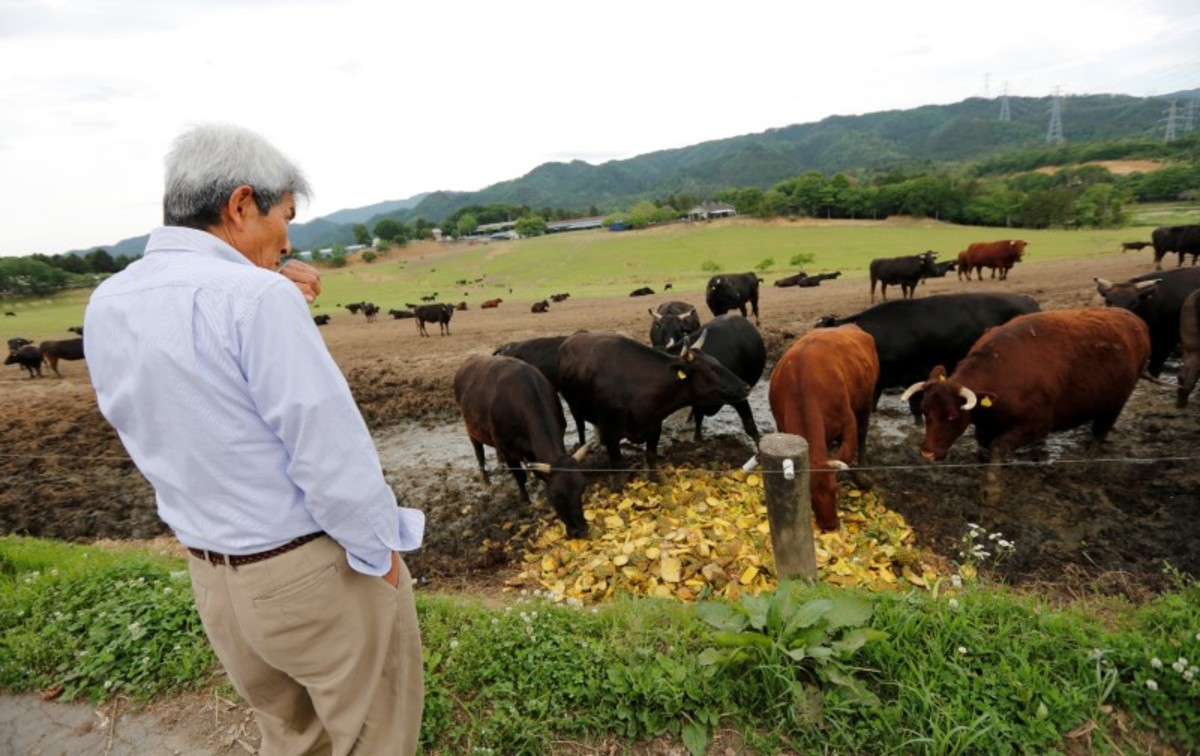
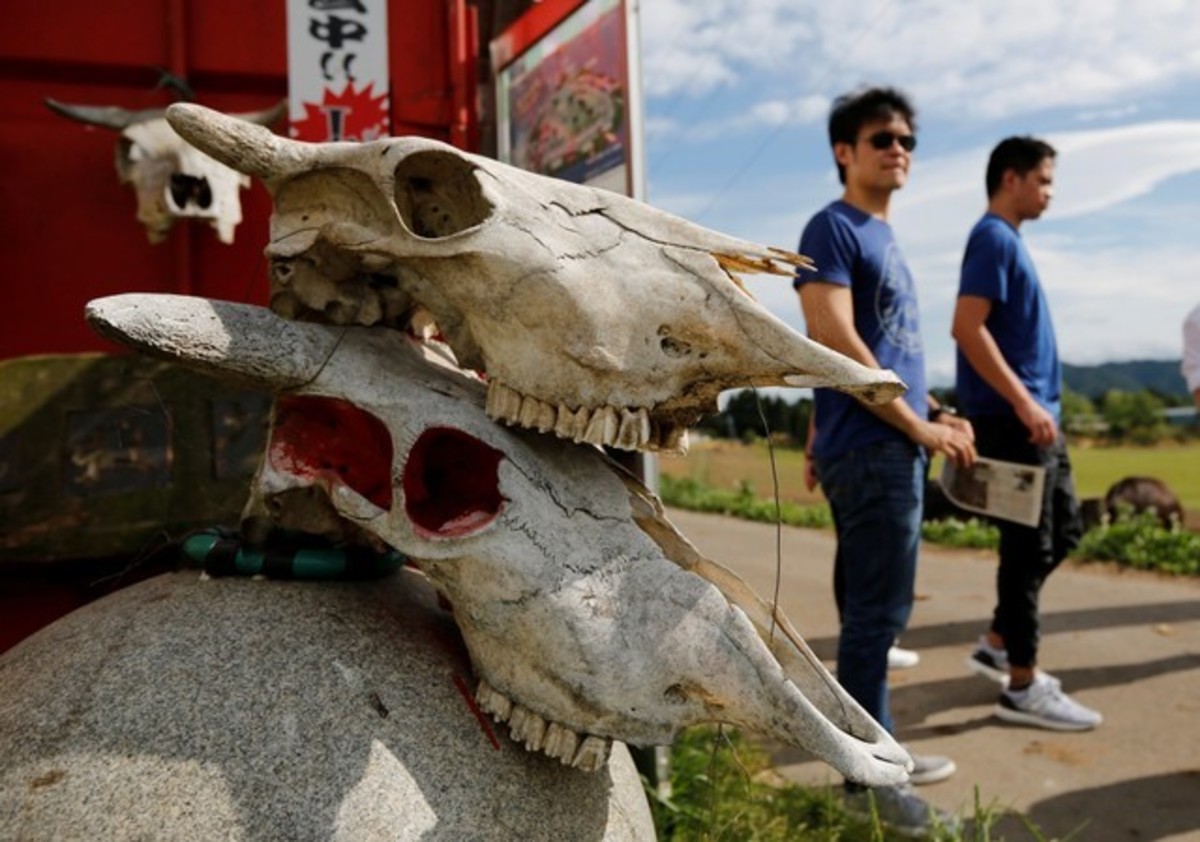
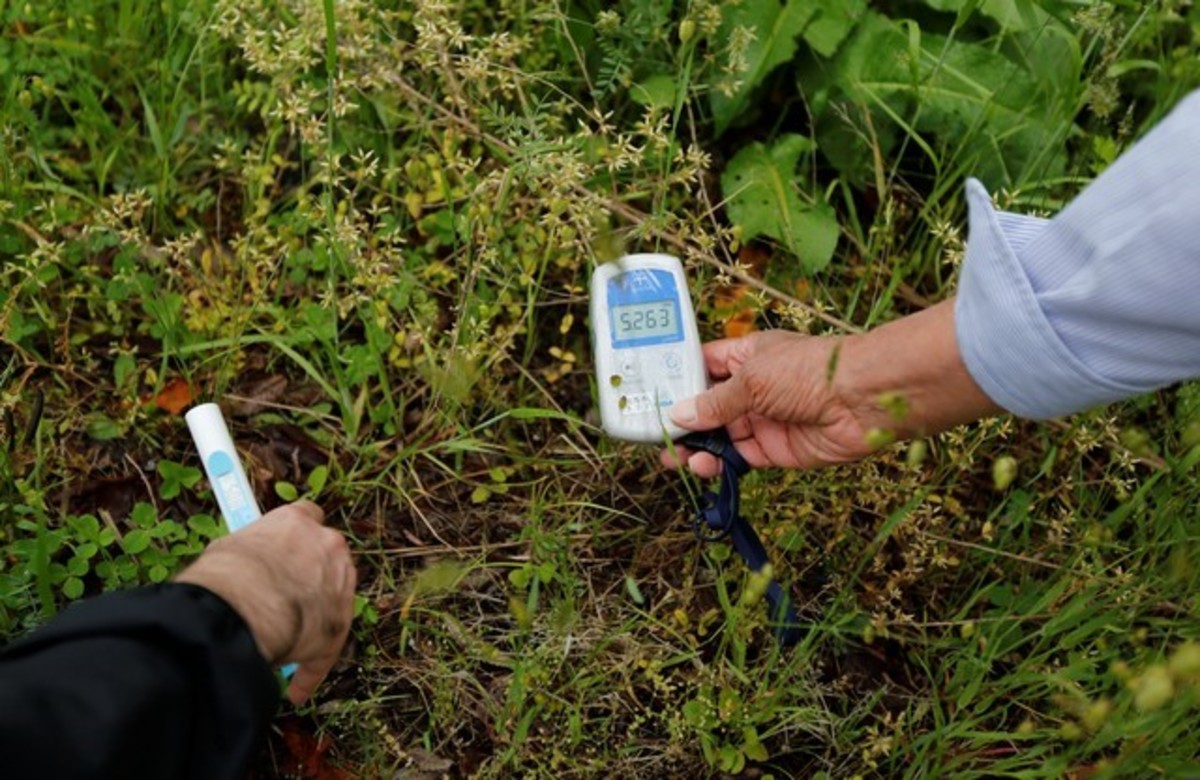
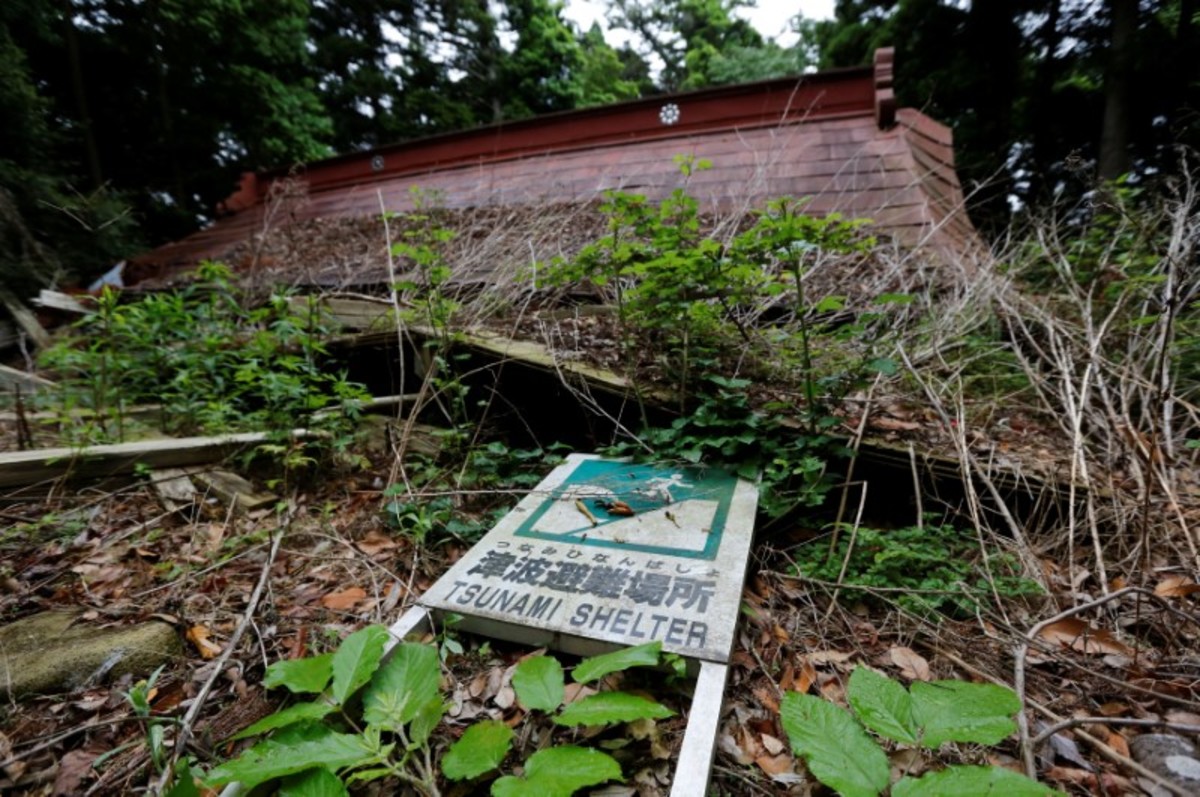
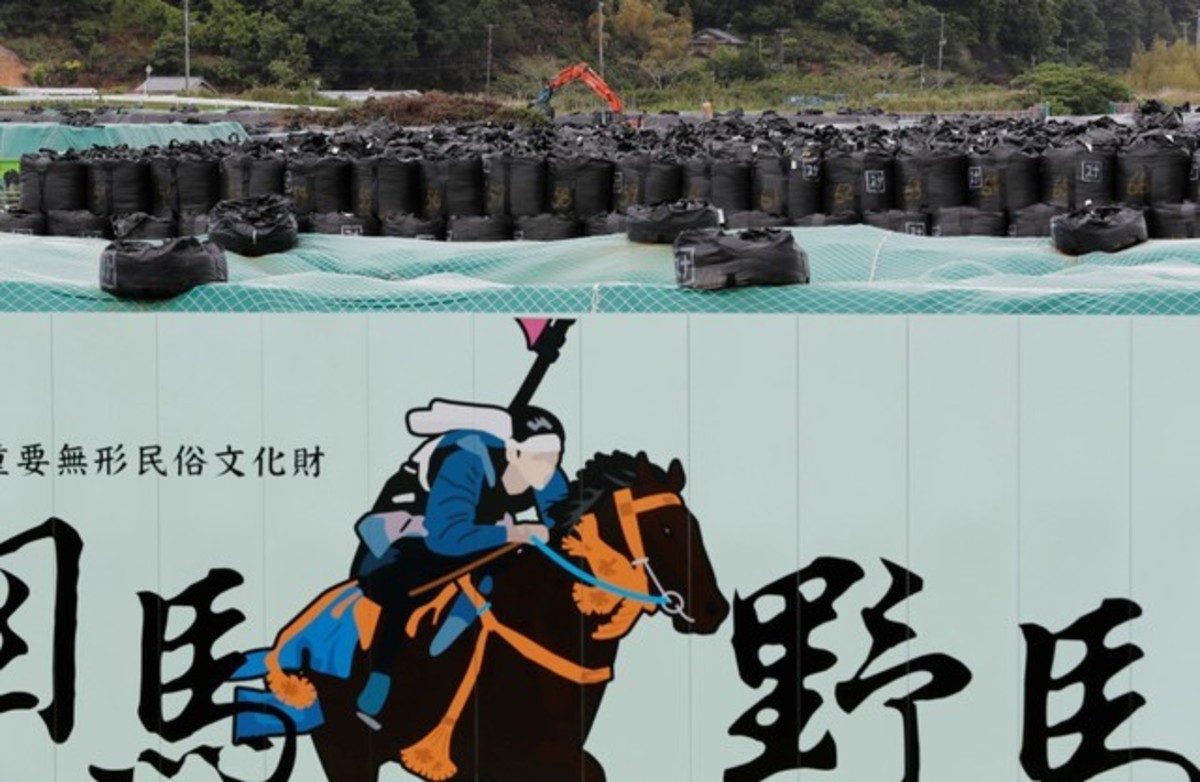
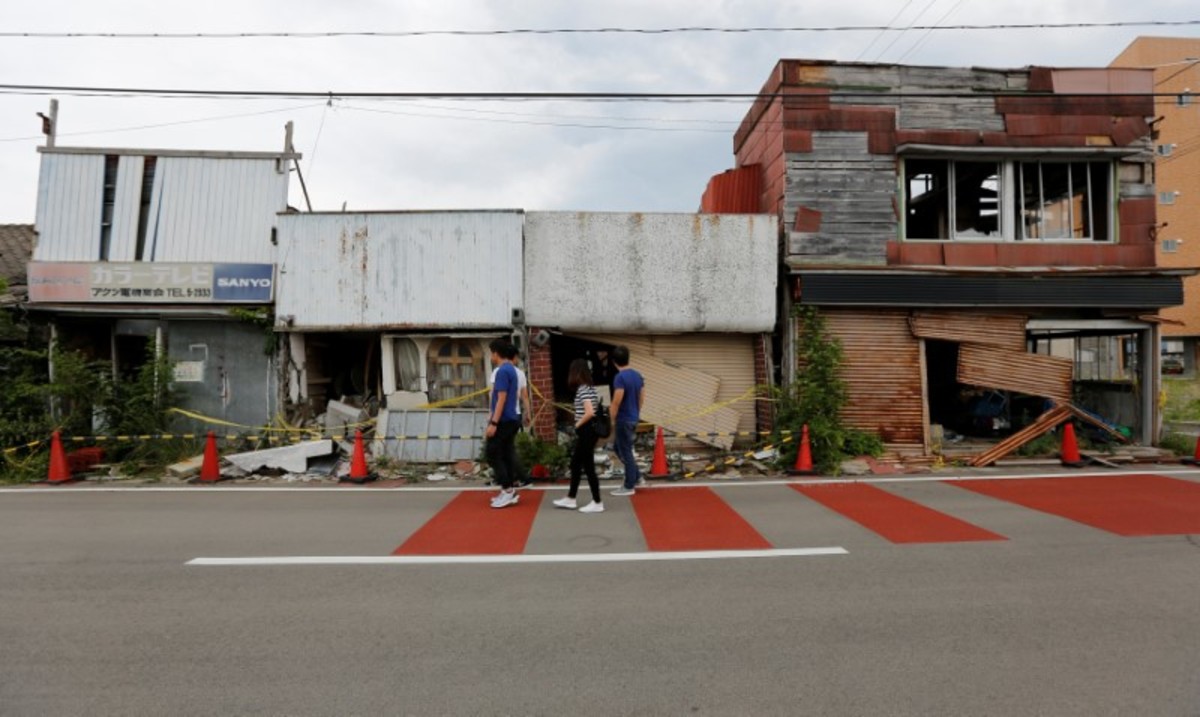
Tour guide Katsuaki Shiga looks at irradiated cattle at the Farm of Hope, near Tokyo Electric Power Co's (TEPCO) tsunami-crippled Fukushima Daiichi nuclear power plant, in Namie town, Fukushima prefecture, Japan May 17, 2018. Picture taken May 17, 2018. REUTERS/Toru HanaiA tourist from Tokyo's university, takes photos from a bus at an area devastated by the March 11, 2011 earthquake and tsunami, near Tokyo Electric Power Co's (TEPCO) tsunami-crippled Fukushima Daiichi nuclear power plant, in Namie town, Fukushima prefecture, Japan May 19, 2018. Picture taken May 19, 2018. REUTERS/Toru HanaiTourists from Philippines walk past irradiated cattle skulls at the Farm of Hope, near Tokyo Electric Power Co's (TEPCO) tsunami-crippled Fukushima Daiichi nuclear power plant, in Namie town, Fukushima prefecture, Japan May 17, 2018. REUTERS/Toru HanaiTour guide Katsuaki Shiga (R) and a tourist check radiation levels at Joroku Park, near Tokyo Electric Power Co's (TEPCO) tsunami-crippled Fukushima Daiichi nuclear power plant, in Namie town, Fukushima prefecture, Japan May 17, 2018. Picture taken May 17, 2018. REUTERS/Toru HanaiA tourist from Philippines takes photos at the Ukedo elementary school, damaged by the March 11, 2011 tsunami, at an area devastated by the disaster, near Tokyo Electric Power Co's (TEPCO) tsunami-crippled Fukushima Daiichi nuclear power plant, in Namie town, Fukushima prefecture, Japan May 17, 2018. REUTERS/Toru HanaiA sign board showing tsunami shelter is seen in front of the collapsed buildings of Suwa Shrine at an area devastated by the March 11, 2011 earthquake and tsunami, in Futaba town, near Tokyo Electric Power Co's (TEPCO) tsunami-crippled Fukushima Daiichi nuclear power plant, Fukushima prefecture, Japan May 18, 2018. REUTERS/Toru HanaiBags containing radioactive soil, leaves and debris from decontamination work are dumped, near Tokyo Electric Power Co's (TEPCO) tsunami-crippled Fukushima Daiichi nuclear power plant, in Minamisoma, Fukushima prefecture, Japan May 19, 2018. REUTERS/Toru HanaiTourists from Philippines walk past damaged retail premises, near Tokyo Electric Power Co's (TEPCO) tsunami-crippled Fukushima Daiichi nuclear power plant, in Namie town, Fukushima prefecture, Japan May 17, 2018. REUTERS/Toru HanaiWave is seen in front of cranes and chimneys of Tokyo Electric Power Co's (TEPCO) tsunami-crippled Fukushima Daiichi nuclear power plant at an area devastated by the March 11, 2011 earthquake and tsunami in Namie town, Fukushima prefecture, Japan May 19, 2018. REUTERS/Toru Hanai
Sign up to read this article
Read news from 100’s of titles, curated specifically for you.