The Florida Department of Law Enforcement released new data Thursday on Floridians who have died from COVID-19. And as has been its custom, the state didn't provide the names of the dead.
But one prominent medical examiner refused to go along.
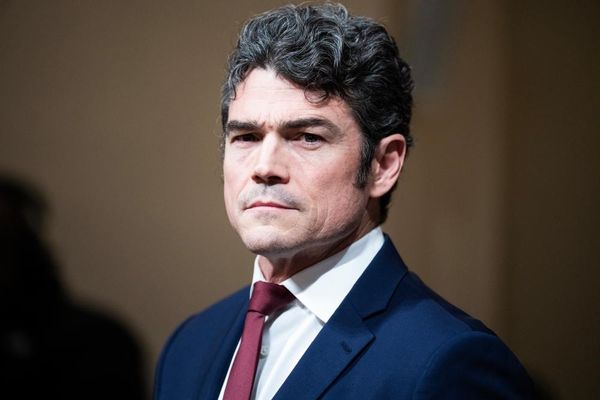
Stephen Nelson, medical examiner for Polk, Highlands and Hardee counties as well as chairman of the state Medical Examiners Commission, did his own records release for his own counties, and it includes what the state left out: names of those who have succumbed to the disease.
"It IS all public information," said Nelson, responding by email to a question from the Miami Herald.
In emergencies like the current one, the FDLE becomes a clearing house for medical examiner information. The position it has taken is that the names of the dead are not public, despite the state's robust public records law and individual medical examiners' routine practice of releasing autopsy reports upon request.
Nelson's release of the names drew a sharp contrast with the administration of Gov. Ron DeSantis, which has released some information only after being pressured or sued by the news media.
The Herald and a consortium of other news organization hired a law firm, Thomas & LoCicero, to press the state to release certain records, including the FDLE data. The news organizations had to file suit to force the release of testing results and death data at individual nursing homes and adult living facilities.
Advocacy groups say the information belongs in the public domain as the nation wrestles with a deadly pandemic.
"We need the truth to be able to make good decisions. And the government cannot be afraid to share the truth with us," said Pamela C. Marsh, president of the First Amendment Foundation, a Florida-based group that advocates for open records and open government meetings. "We're adults. We can't fear the information. We can only make better decisions when we have the information."
The release of data by Nelson actually came on Tuesday, the same day a spokeswoman for DeSantis acknowledged firing the person who managed Florida's acclaimed COVID-19 dashboard, a clearing house of information on infections. The firing came after the data expert, Rebekah Jones, publicly protested that after she said she had been stripped of responsibilities for being too transparent. The governor's office said she was discharged not for that, but for insubordination.
"The fact that career public servants are now coming forward says a lot," said Marsh. "They have the courage to protect the citizens of our crazy state that we love."
The FDLE released its statewide death data Thursday, the second such release by the agency.
This release _ unless the previous one _ included rudimentary details about how the unnamed victims may have contracted the disease. That column had been redacted the last time.
Mark Caramanica, the Thomas & LoCicero lawyer who sued Florida health officials on behalf of the news organizations, said: "It is important for Floridians to know not just total numbers of COVID-19 deaths within the state but also understand the nature of how people contracted the virus, what symptoms they experienced, and how long it took them to seek medical attention.
"Unfortunately, at the state level, they want to keep that information secret."
Gretl Plessinger, a spokeswoman with the FDLE, said the names weren't included in the release to news organizations because the individual medical examiners are not being asked to provide them as part of the data they submit.
The District 10 data showed a total of 44 reported deaths between March 20 and May 17. The dead were predominantly state residents ranging from their 70s to their 90s. Significantly, the district's data showed 22 of those deaths were from the Highlands Lake Center, a nursing care and rehabilitation center, one of the hardest hit in Florida.
You won't find any mention of COVID-19 on Highlands Lake Center website, but last week it entered into an agreement with state health officials to stop accepting new residents as it tries to control the spread of infection.
Fair Havens Center, a Miami Springs assisted living facility, was placed under a similar restriction last week amid a massive outbreak. It had 22 reported deaths as of last Friday.
The District 10 data provides a fuller picture of how coronavirus spreads within nursing homes.
One pattern is that some of the dead waited several days before seeking medical treatment. A Lakeland woman with body aches and flu-like symptoms waited three days before getting tested. Days later, her early April death, less than two weeks after she turned 50, was classified as COVID-19 pneumonia. A 66-year-old Polk County woman suffered headaches, nausea and dizziness for a week before getting tested on March 22. Her death on April 8 was classified as COVID-19 pneumonia.
The District 10 report shows that about 40% of those who died after testing positive for the coronavirus had pneumonia as a contributing factor.
The detailed numbers also show COVID-19 infections can spread rapidly inside a nursing home.
The first Highlands Lake resident to succumb to COVID-19 was an 84-year-old local cardiologist, retired but still well-known, with a history of Parkinson's disease. After developing a urinary tract infection and showing a temperature, he was tested and found to be positive for COVID-19. He died on April 3.
Ten days later two more residents of the facility, both in their 90s, died of COVID-19. There were deaths weekly from that point on, totaling 22 at last count.
The Florida Department of Law Enforcement continues to weigh the request by the consortium of media groups to fully release all information from the 25 medical examiner districts. The agency has cited medical privacy issues.