SAN JUAN, Puerto Rico _ Left to fend for themselves a day after Hurricane Maria ravaged Puerto Rico and forced them into a primitive existence, San Juaneros took to the streets Thursday to do what they say Caribbean people do best: Figure it out.
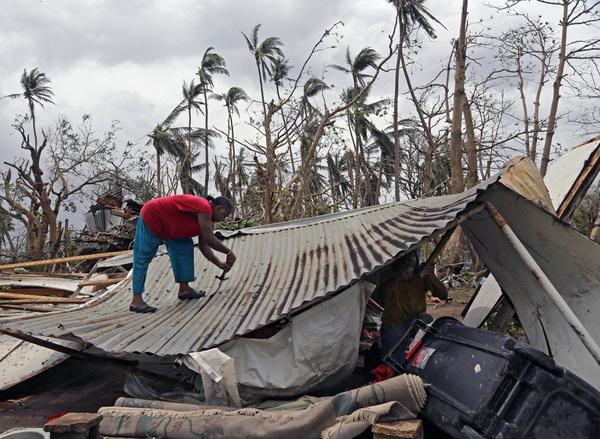
No electricity? A mustachioed man in a white undershirt played traffic cop at a Santurce intersection. No ambulances? A daughter borrowed her brother's SUV to race her frail mother from the La Perla neighborhood to a hospital. No debris removal? A physician and two neighbors borrowed garden tools to clear main Condado thoroughfares on their own.
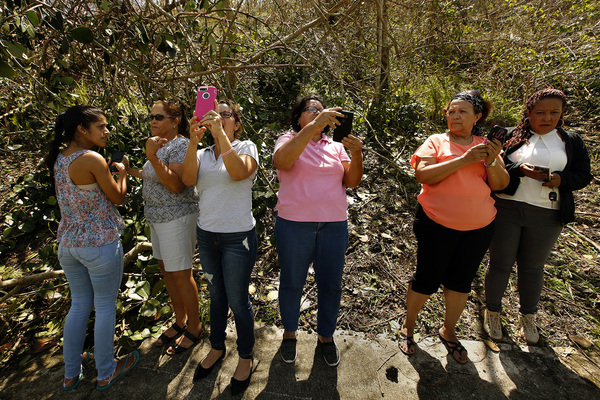
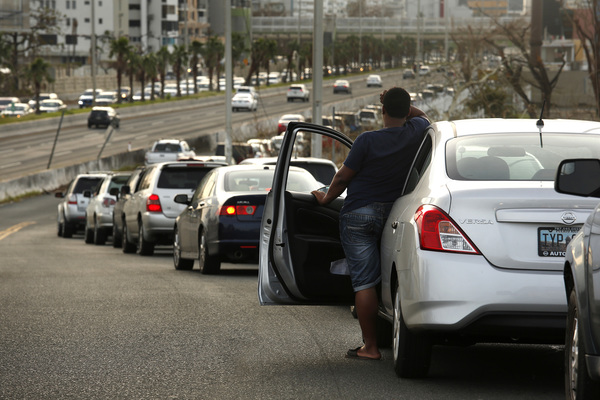
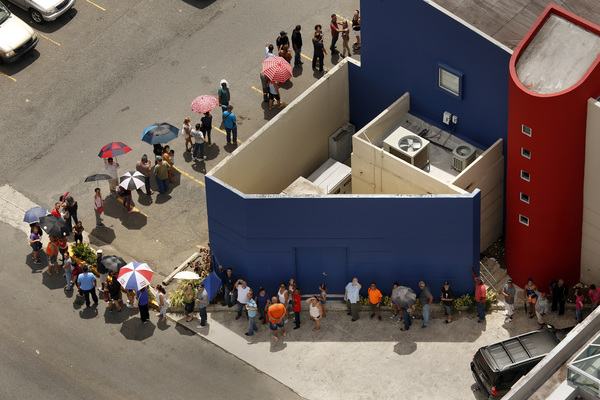
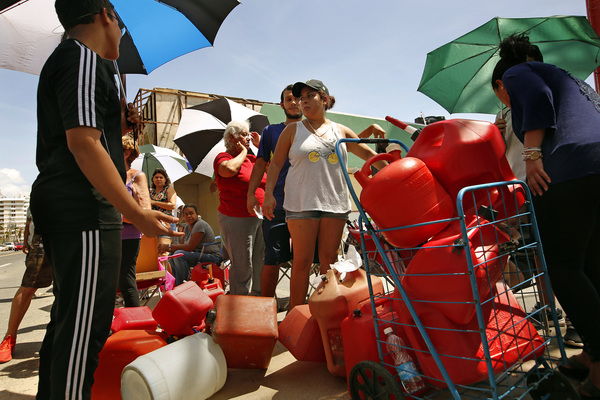
With the enormity of Maria's destruction still unknown even to the overwhelmed Puerto Rican government, the capital's storm-dazed residents ventured outside Thursday, clogging roadways while trying to bring some semblance of order to their bruised city.
Their task was so massive some just wandered the streets, gawking.
"Get busy!" implored Dr. Joseph Campos, a 52-year-old internist at the San Juan Veterans Administration hospital, tree-trimmer in hand as he and his neighbors cut down a tree partially blocking access to a highway. "Even if all you can do is pick up a single, little branch. I'm not eating, and I'm healthy, and I'm working. You don't have to sit home stress-eating."
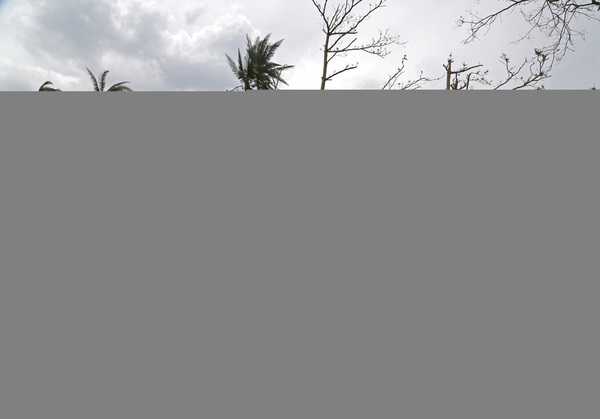
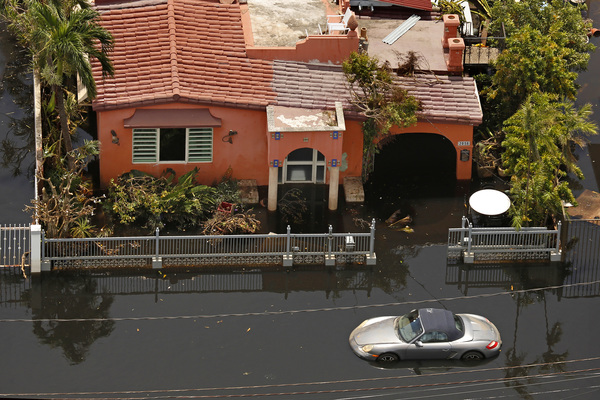
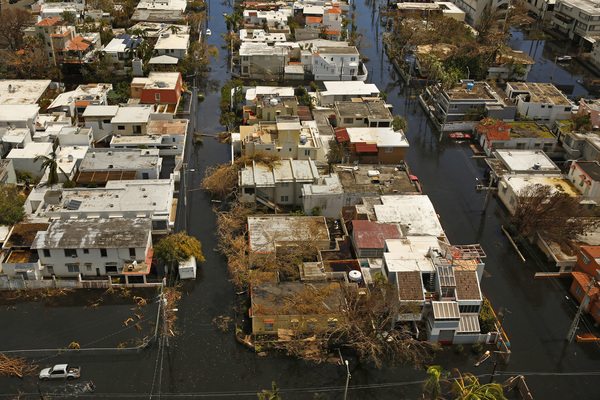
San Juaneros ventured out into a city Thursday that was engulfed in chaos, with motorists clogging the streets. There was no semblance of order. Countless roads were impassable, some neighborhoods largely cut off because of debris or flooding.
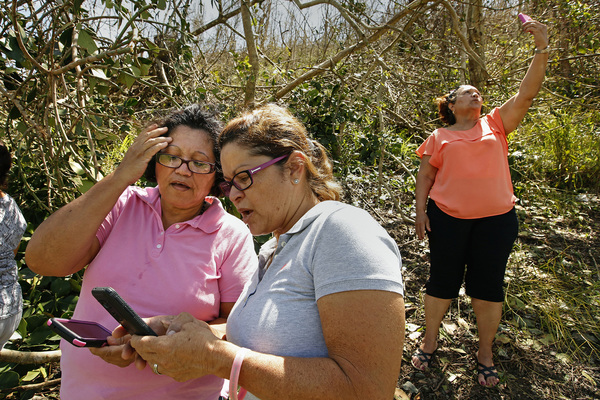
Most areas outside metro San Juan remained unreachable Thursday, by road and by phone. Campos had no news of his parents in western Puerto Rico and how they'd fared after the Category 4 storm knocked out power to the entire island.
"I know nothing," Campos said.
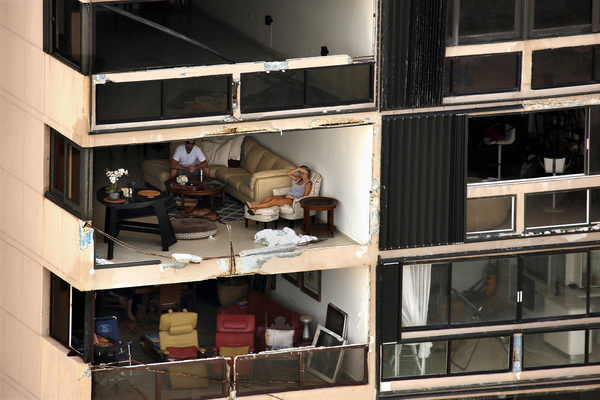
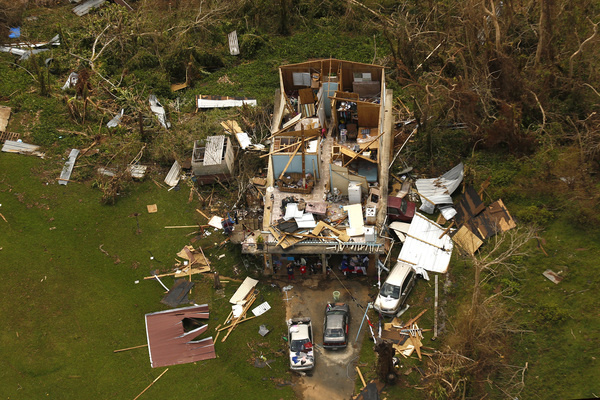
Despite the loss of power and communication, some damage reports from across Puerto Rico trickled out Thursday. Several people were confirmed dead in the mountainous central region of Utuado, according to local news accounts, while authorities declared small communities across the island as essentially destroyed.

Authorities had asked people Wednesday to stay indoors, warning of continuing rain from Maria's outer storm bands and flash flooding that late Wednesday pushed residents of Levittown, a neighborhood west of San Juan, onto their roofs to await rescuers from National Guard.
"The water came up too fast," said Angel Manuel Sierra, 54. His cement home survived Maria with some rain seepage from cracks in the walls, but he said he never expected the nearby La Plata river to overflow, its muddy waters covering him nearly to his knees before the Guard got him out after 9 p.m. Wednesday.
"Everyone spilled onto the street," he said. "All my roosters died."
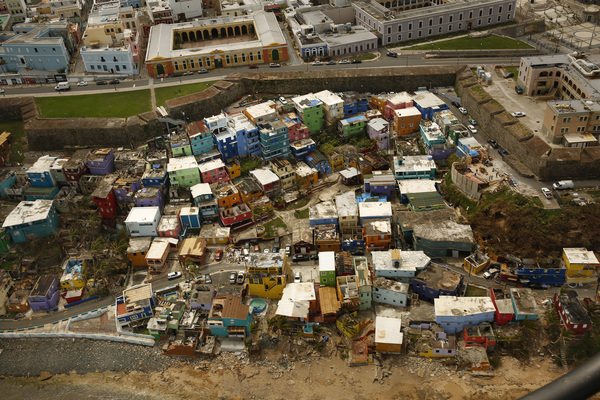
He moved in with relatives in La Perla, a strip of ocean-side shacks along Old San Juan where the sea surged into the lowest-lying homes _ and Maria's gusts ripped through the rest.
"The wind took it," 67-year-old Luis Torres said of the second floor of his mother's wooden house. A stainless steel refrigerator stood amid the rubble, door open and occasionally rocking back and forth in the ocean breeze.
Overnight, Torres' mother, 87-year-old Rosa, felt pressure in her chest. Last year, she suffered three heart attacks and a stroke, her son said. At 6 a.m. Thursday, his sister, 60-year-old Aleida, called for help.
The ambulance never came. Aleida, who had secured her car in an Old San Juan garage during the storm, started driving up the narrow slope to her mother's house. Her battery died. Luis fetched his Suzuki Grand Vitara, also parked in high ground. The engine kept turning and dying _ until it finally stayed on.
"Relax, mami," he told Rosa before she drove off, maneuvering around chickens and stray cats.
"No one from the government comes here," Campos said. A reporter had spotted a police patrol further south in the neighborhood moments earlier, but Campos said they didn't drive by his place.

Campos ignored evacuation orders, saying he didn't want to sleep on a cot in nearby City Hall.
"We're safer here," he said, pointing to his first floor, where the entryway was partly blocked by large chunks of his flipped roof and railing. A Dish Network satellite on the adjacent house, which Campos also owns, survived, though upside down.
"You could see stuff flying from the window. Didn't know what was coming next," he said. "It sounded like a boom."
His neighbor, 54-year-old Eric Gil, spent the storm in his bathroom, huddled for six hours. On Thursday, the street was strewn with trash and coconuts _ which Gil said no one picked up even before Hurricane Irma two weeks ago.
Campos stowed enough drinking water for 10 days but worried about the lack of running water. The government cautioned people to be ready to survive without help for 72 hours; Campos, a retiree from the Army civil service, scoffed at the notion authorities would be able to offer any assistance so quickly.
"We can live without power, but without water it's harder," he said. "If it rains today, I'm going to shower in it."

So why stay? Why insist on rebuilding?
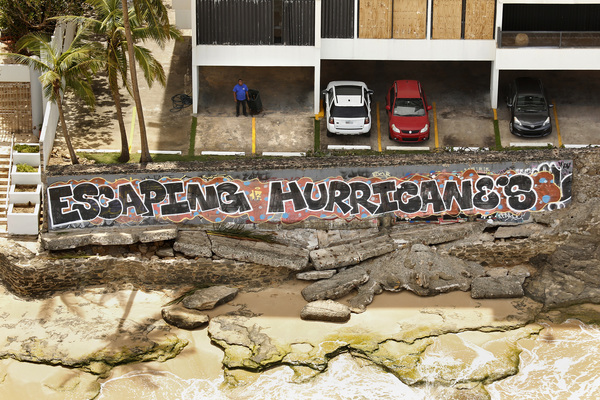
Campos pointed to the crashing ocean waves.
"This is the best place to live in the world," he said.