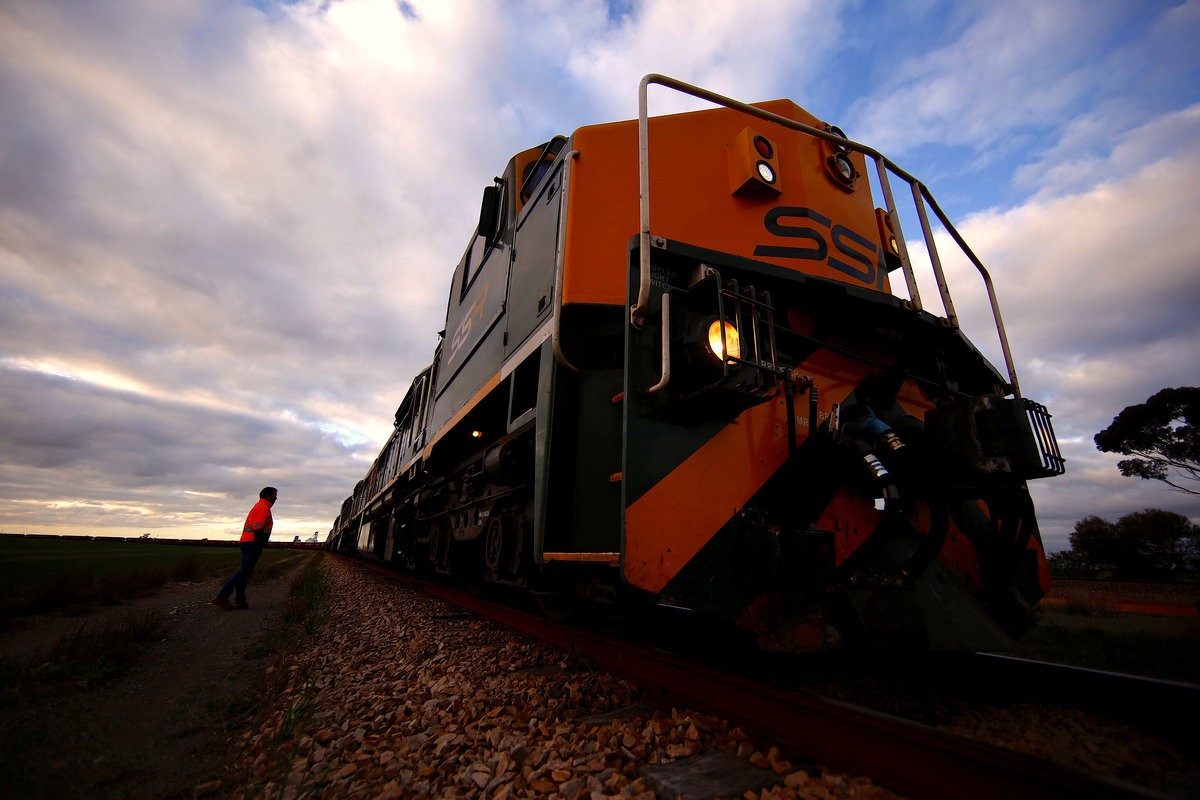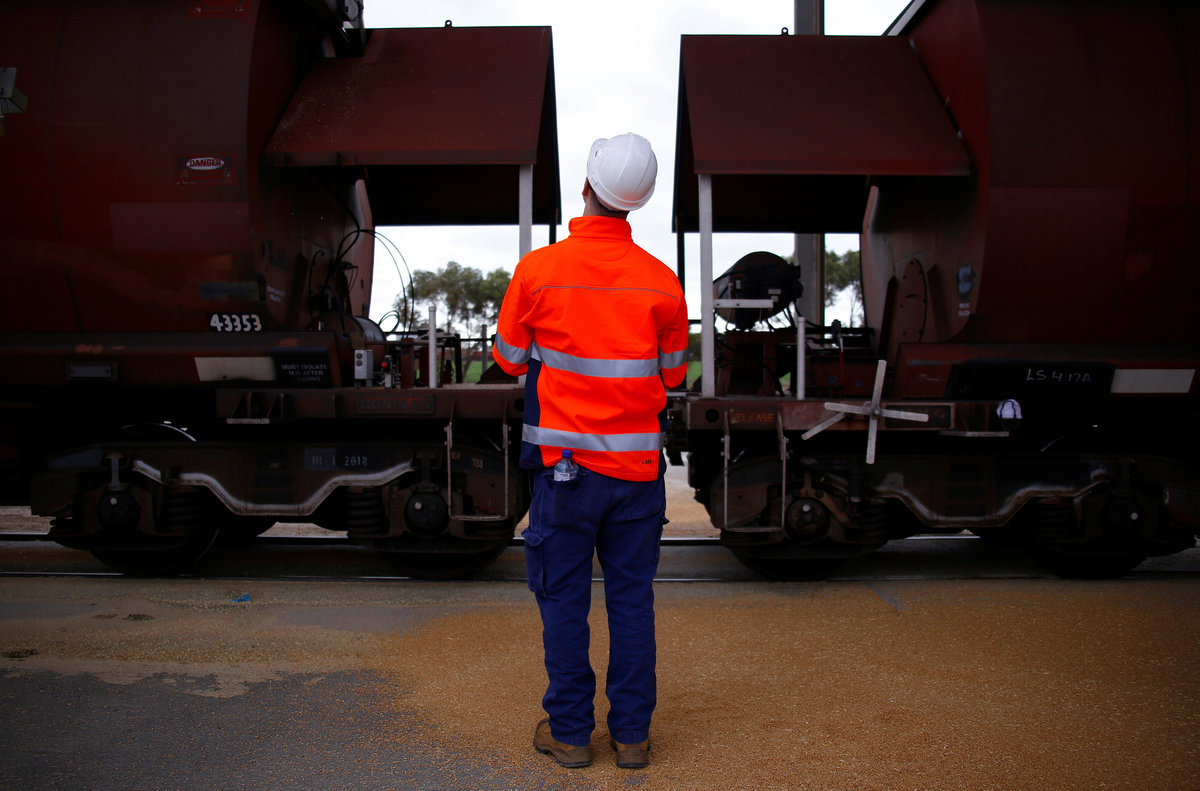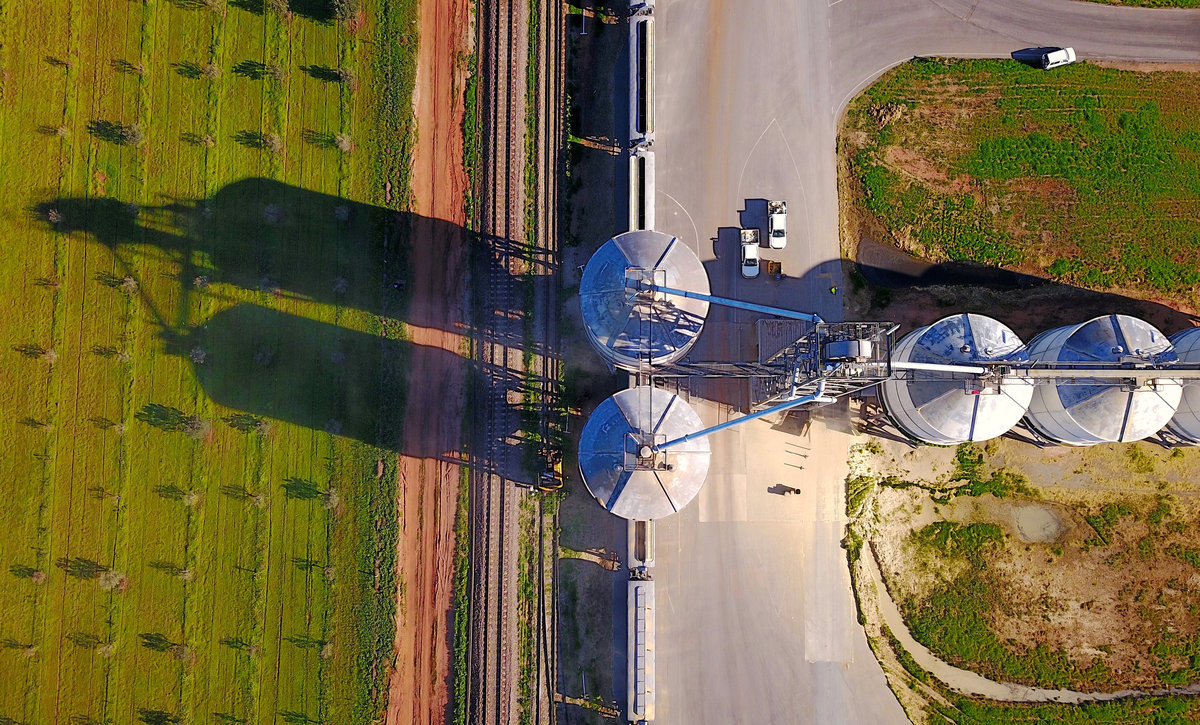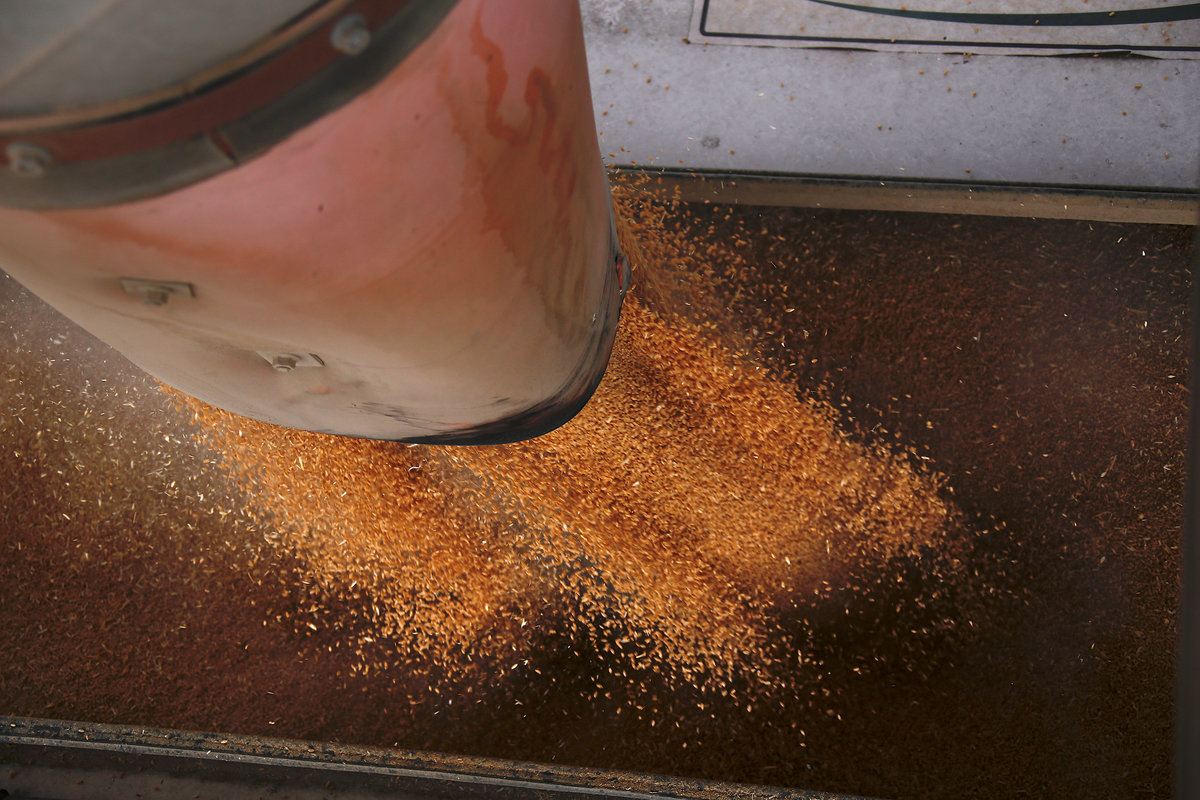
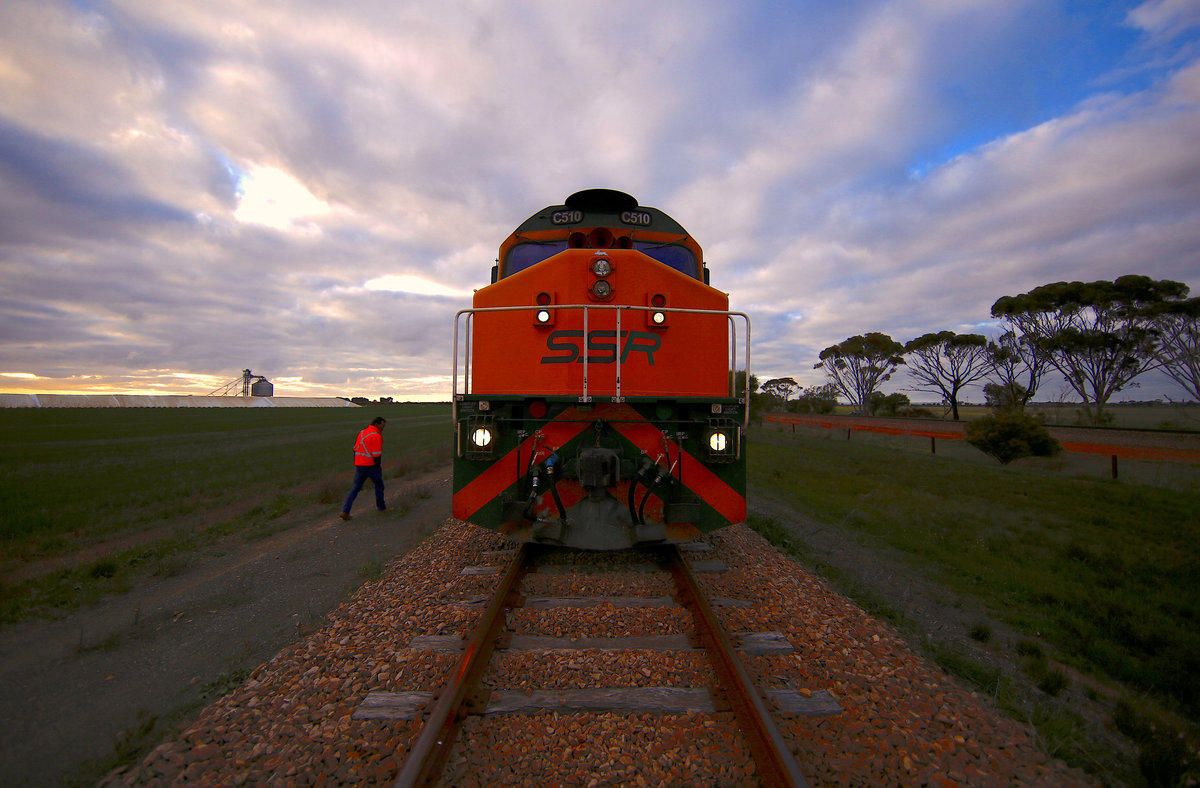
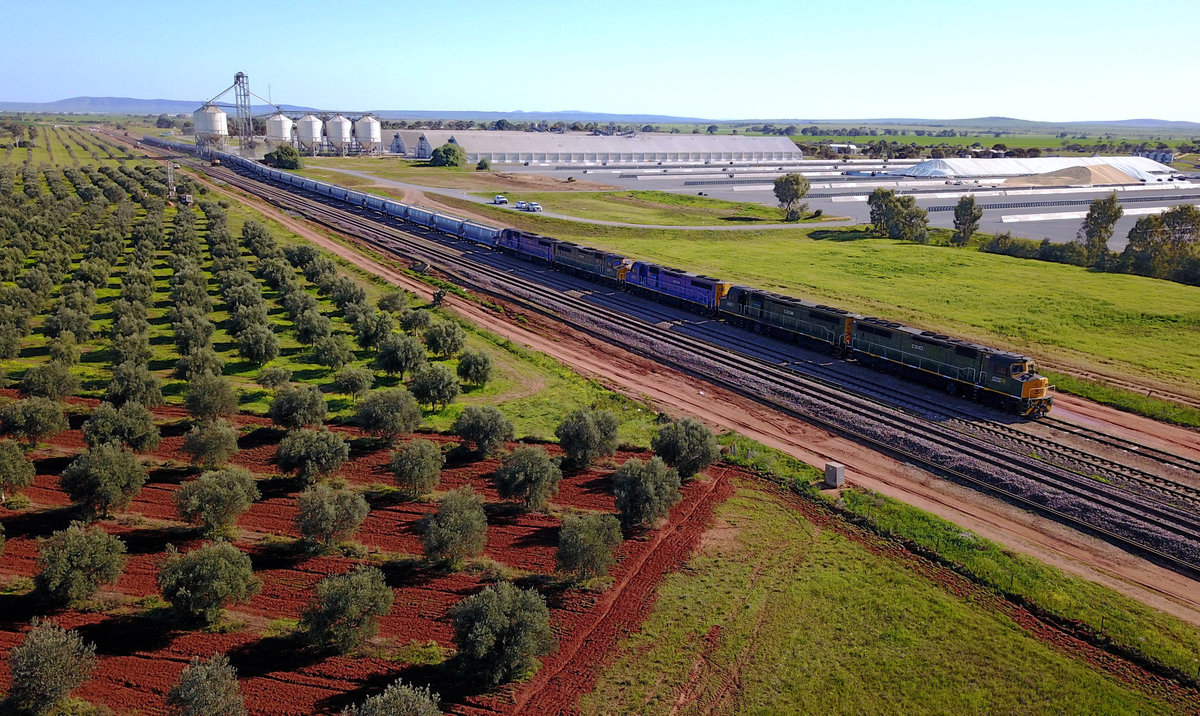
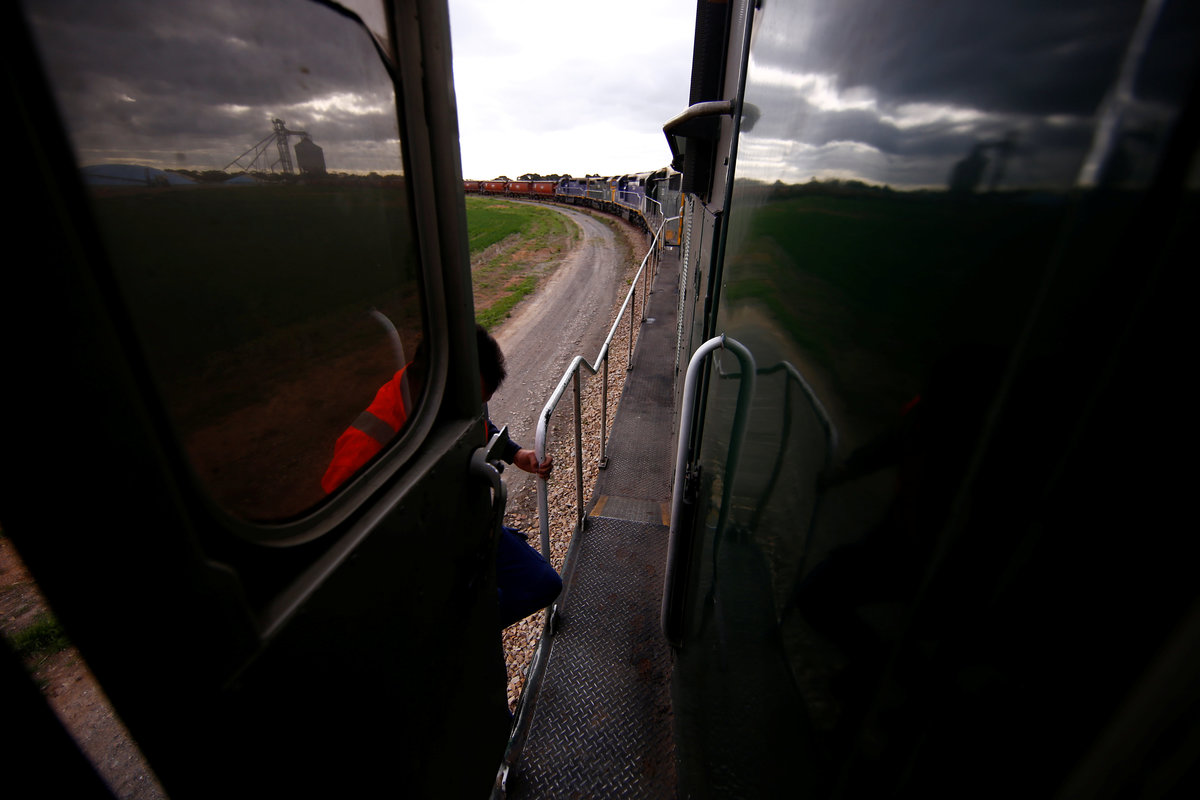
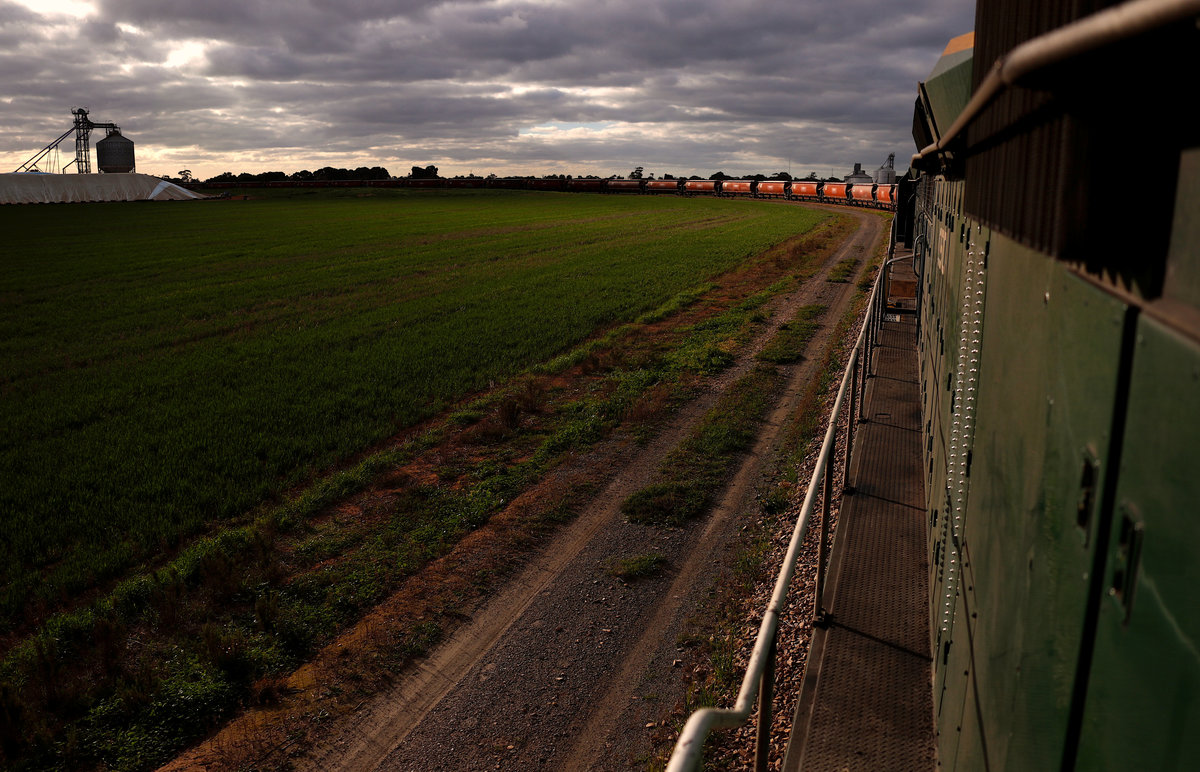
MALLALA, Australia (Reuters) - Until a few months ago, train driver Gavin Slater had never seen anything like it. Five locomotives, with a combined 15,000 horsepower, ready to pull 101 wagons brimful of grain.
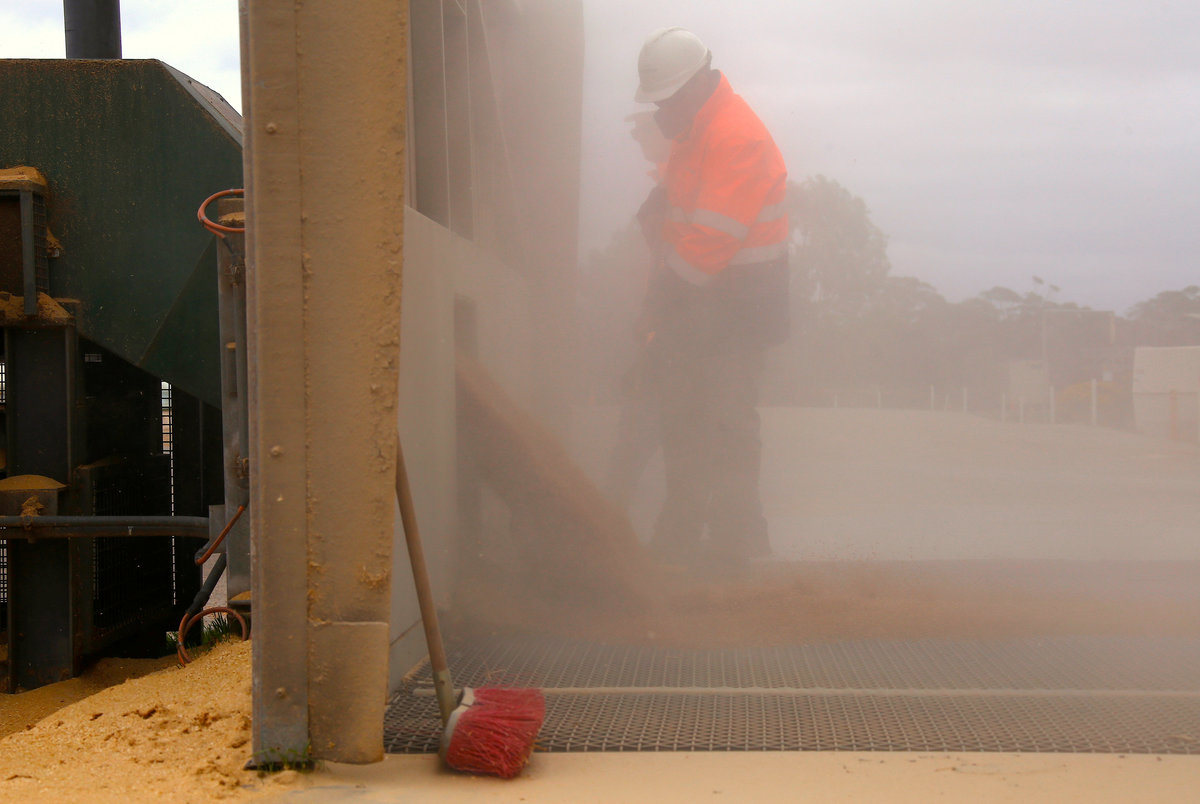
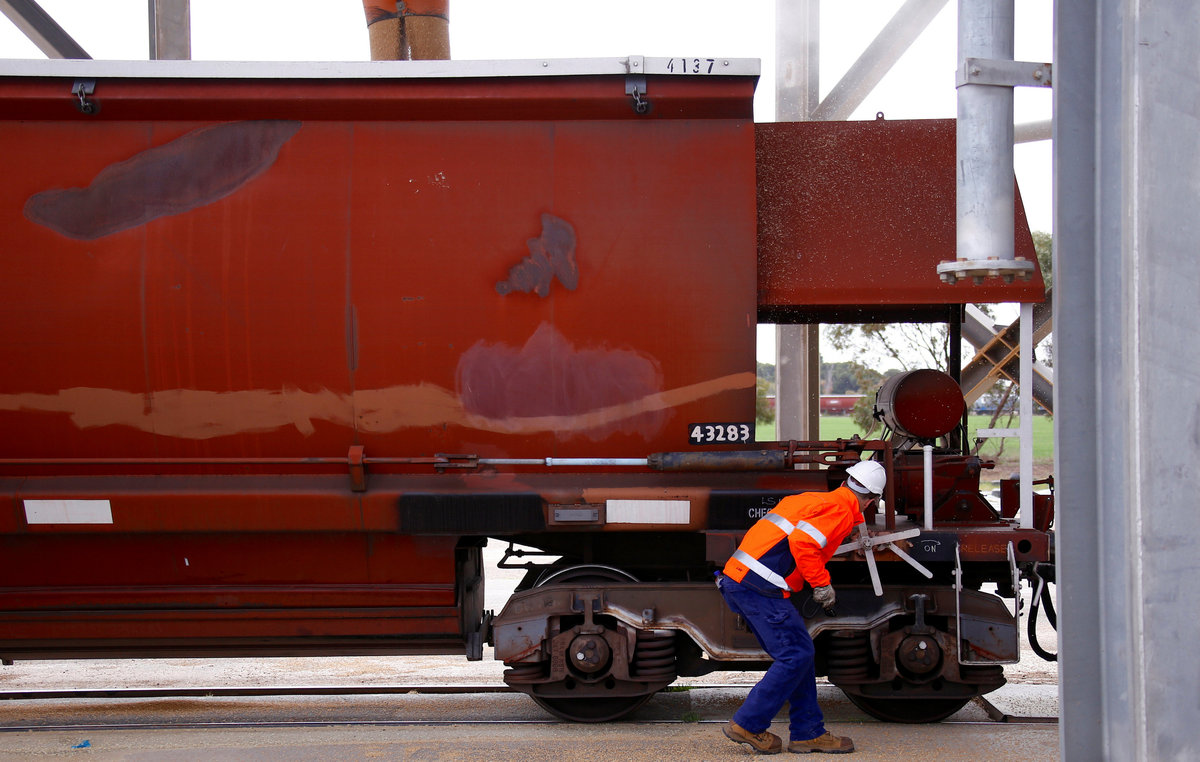
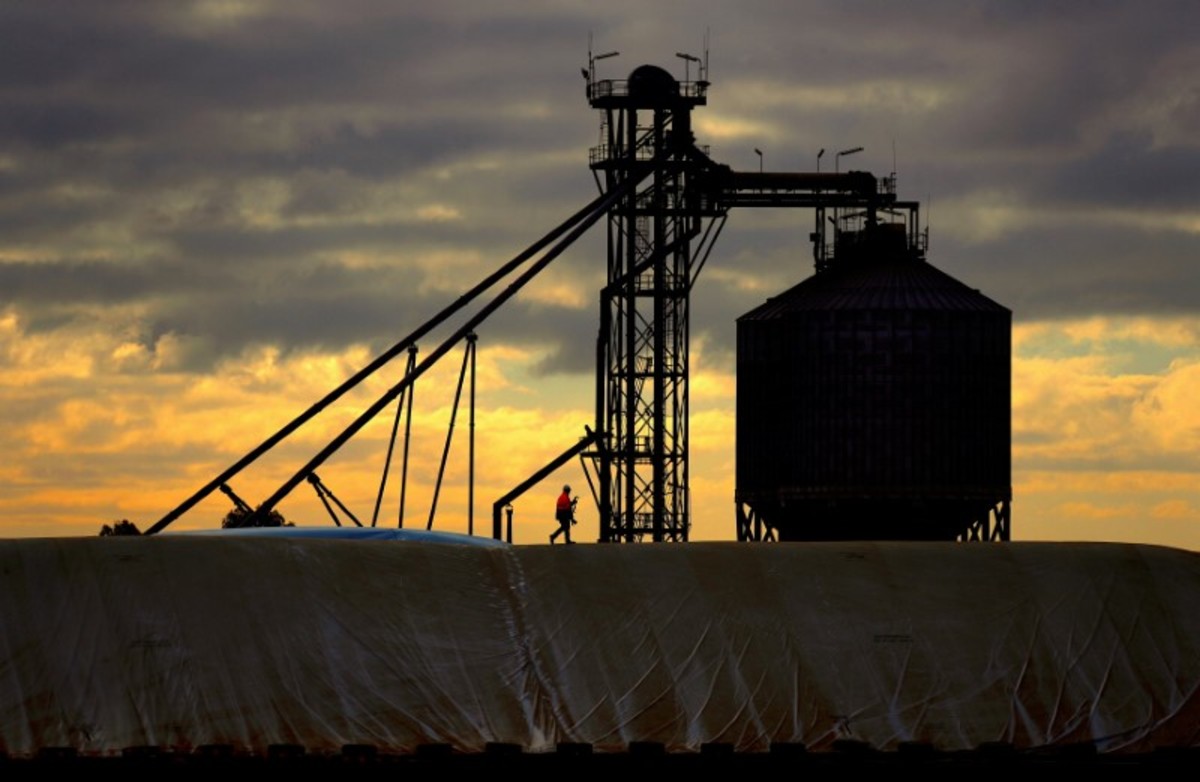
The converted coal carriages behind Slater were being loaded in Mallala, a town of several hundred people in Australia's fertile southern wheat belt.
It's one of few farming areas in the country able to provide grain to parched eastern states to keep cattle and sheep fed and flour mills grinding amid one of the worst droughts on record.
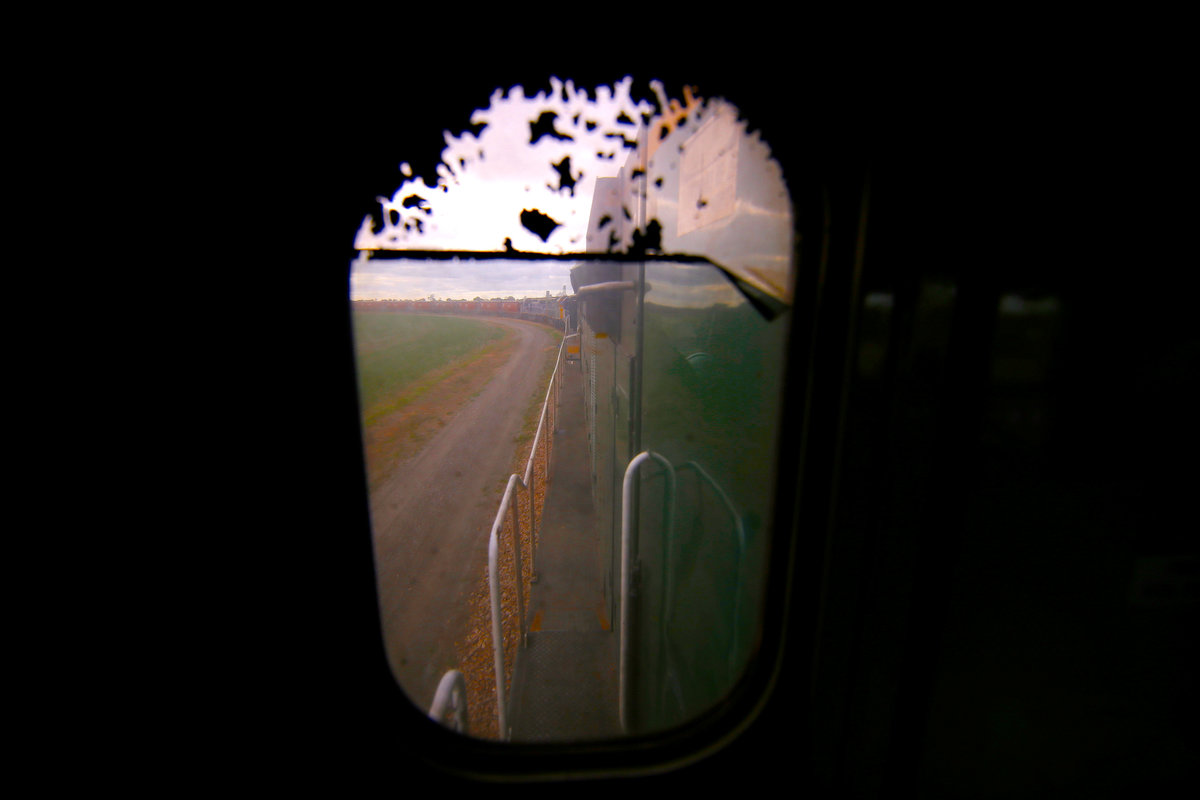
"It's virtually double the train I'm used to driving at home; we're just as big as a coal train," Slater, who lives in an agricultural belt 300 km (190 miles) north of Sydney, told Reuters from the cab of his diesel locomotive.
"From a small pocket of South Australia to feed virtually the rest of Australia - it's good," he said before heading off on the overnight trip to rural New South Wales (NSW), Australia's most populous state.
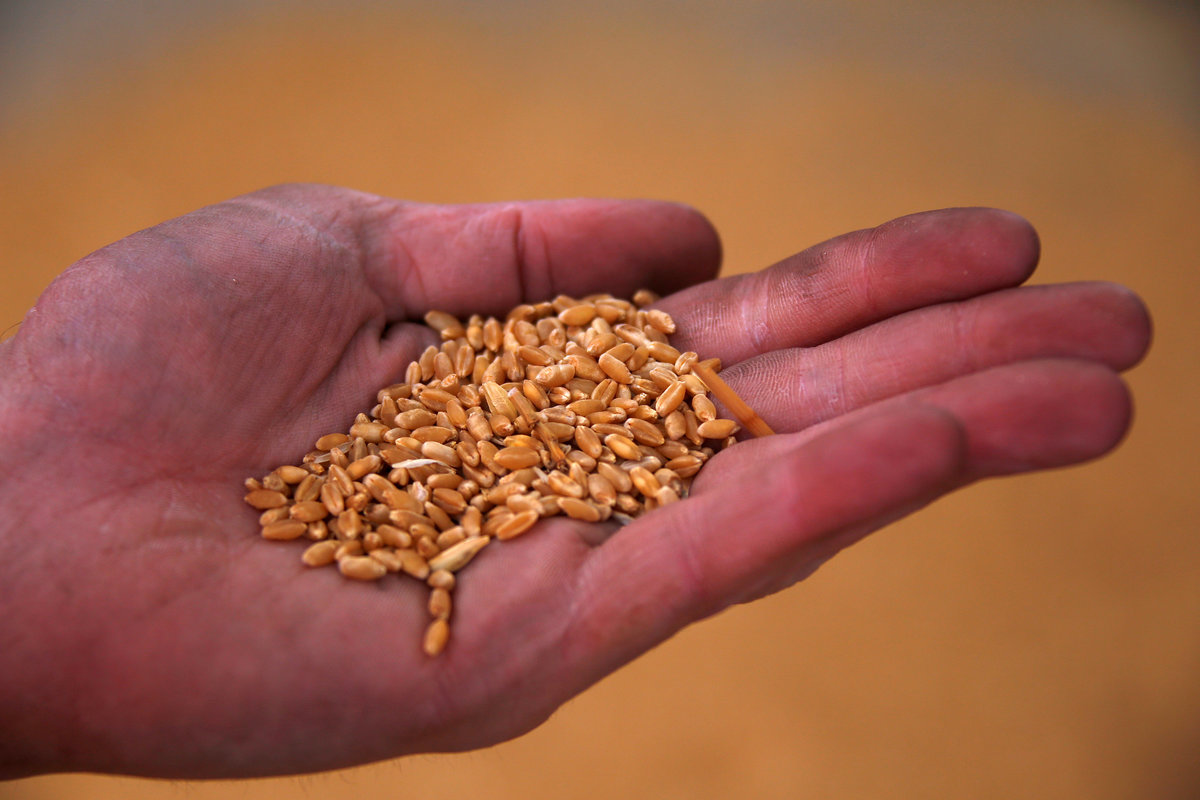
Bone-dry conditions for the second successive year in Australia's major eastern grain growing areas are creating the demand and prices to restart domestic trade routes not used since the height of the last major drought a decade ago.
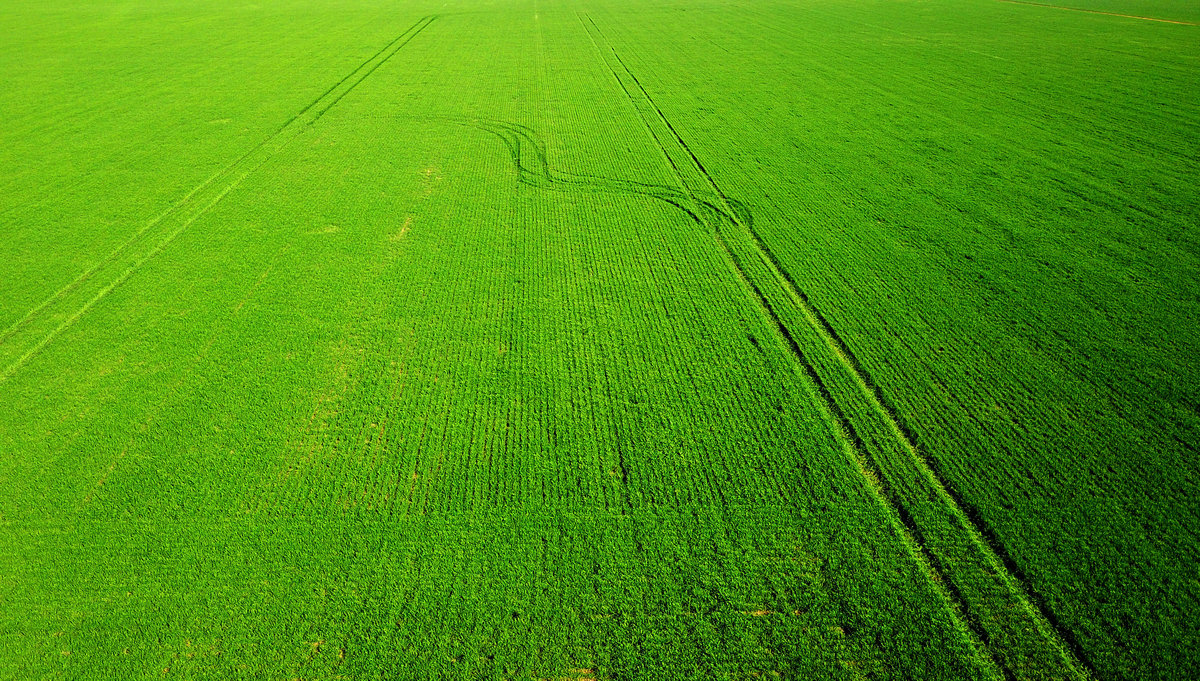
South Australian farmers are selling whatever grain they have left in their silos at bumper prices in the knowledge the knee-high wheat in their fields will produce another decent crop in a couple of months.
A spokesman for food and bakery company Allied Pinnacle said its flour mills had been sourcing additional grain from South Australia since February.
But as Australia, the world's fourth-largest wheat exporter, diverts grain for internal use, Asian flour millers are locking in record volumes of wheat from rival producers to make up for the shortfall.
GRAIN FOCUS
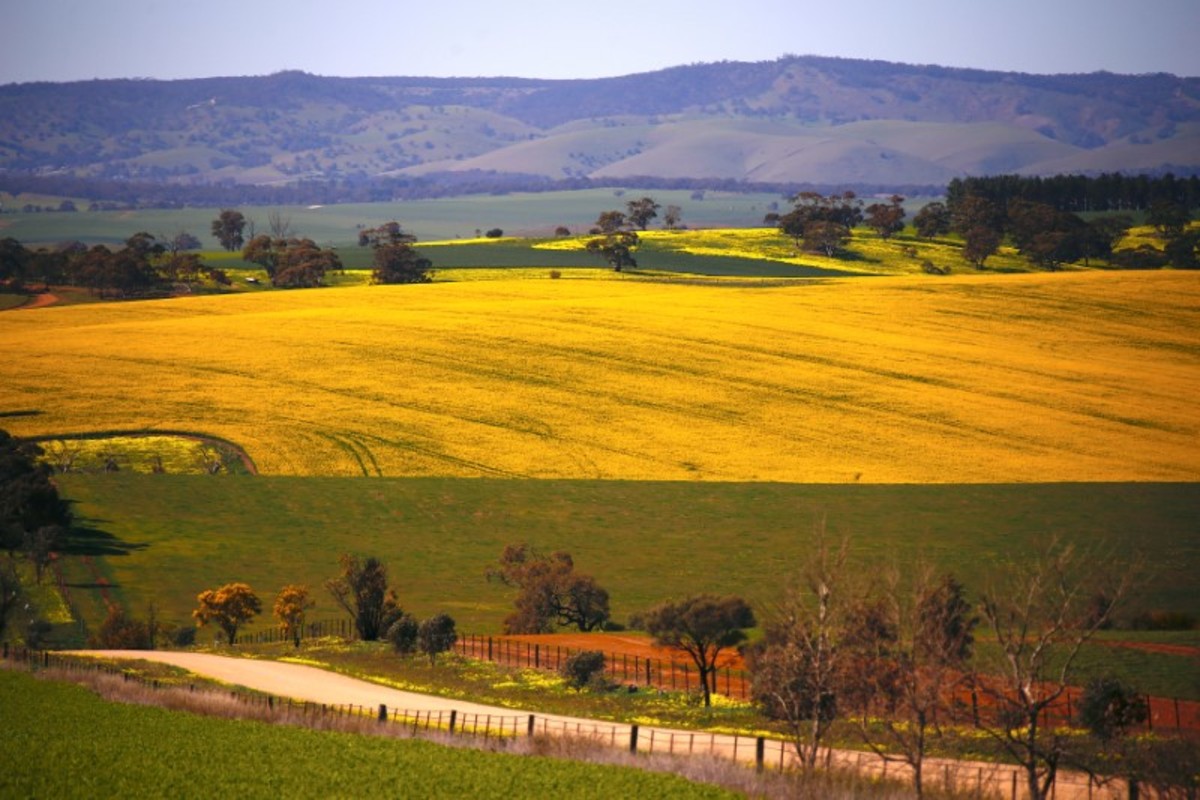
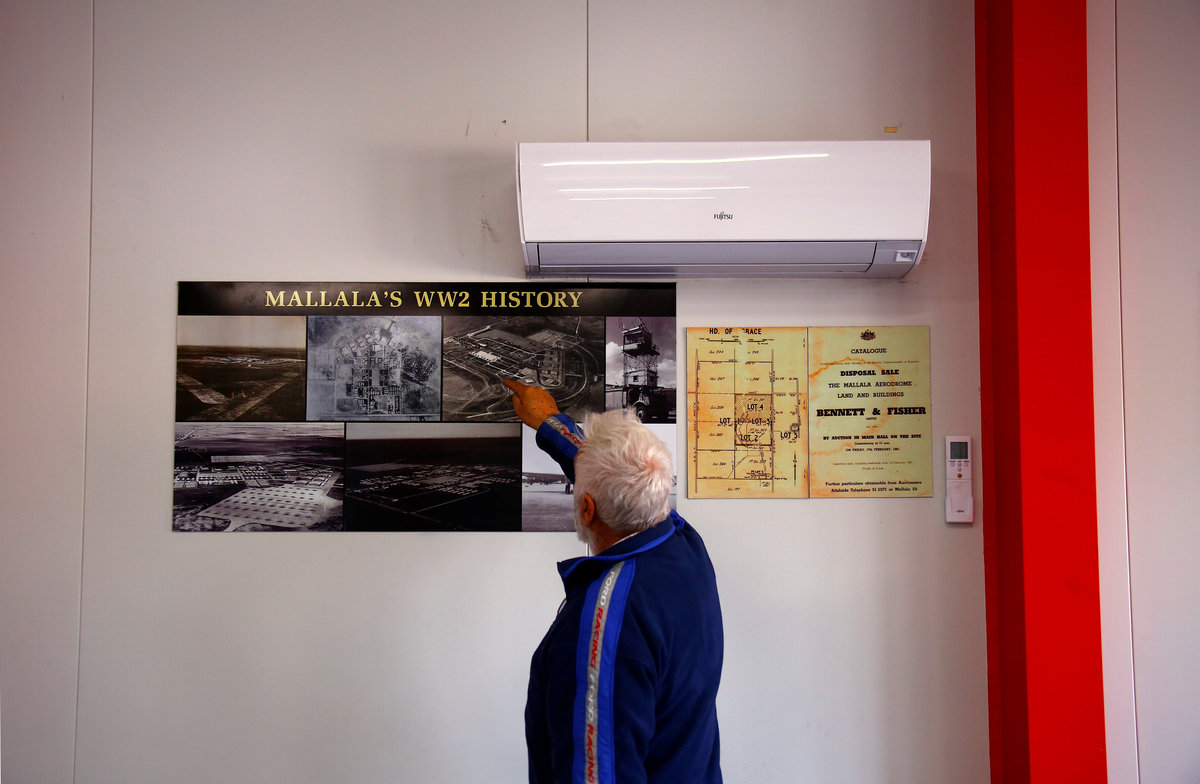
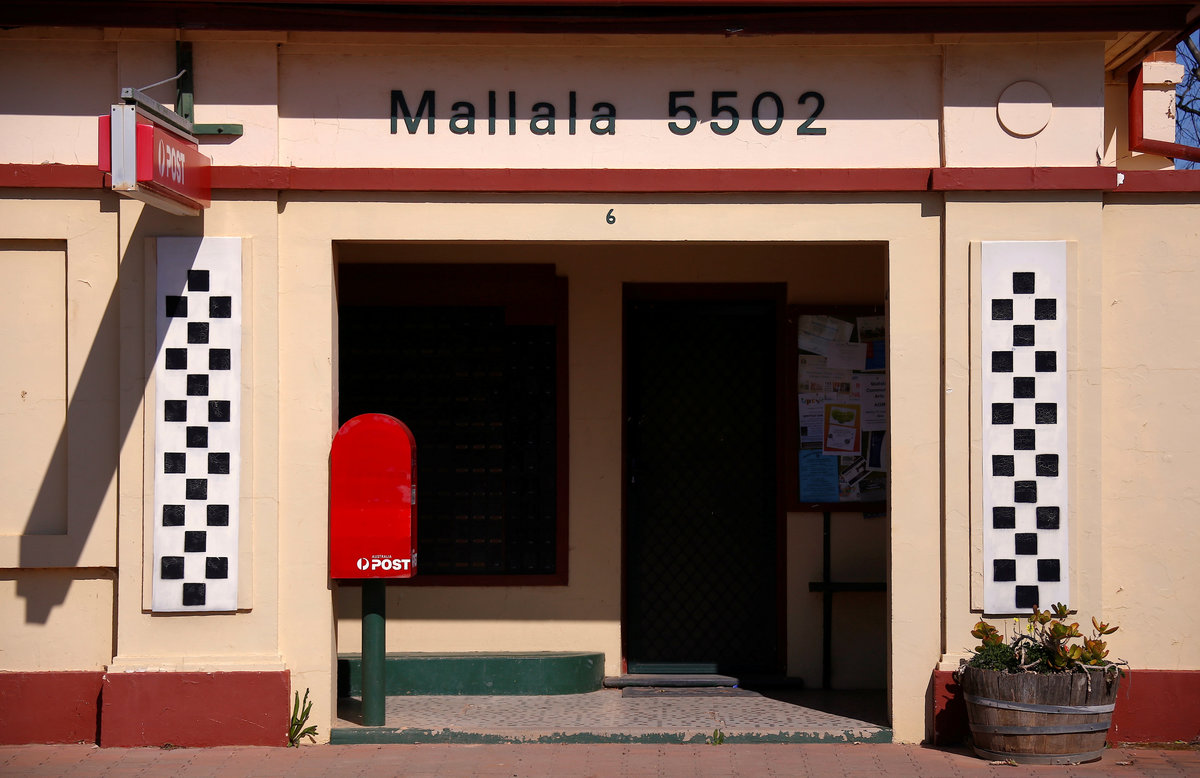
Mallala, surrounded by flat, green and canola-yellow fields 60 km (40 miles) north of South Australia's capital of Adelaide, is best known for its motor race circuit that, in better times, hosted the Australian grand prix.
In recent years, the town's biggest employer, its hospital, closed, and its only pub almost went bankrupt.
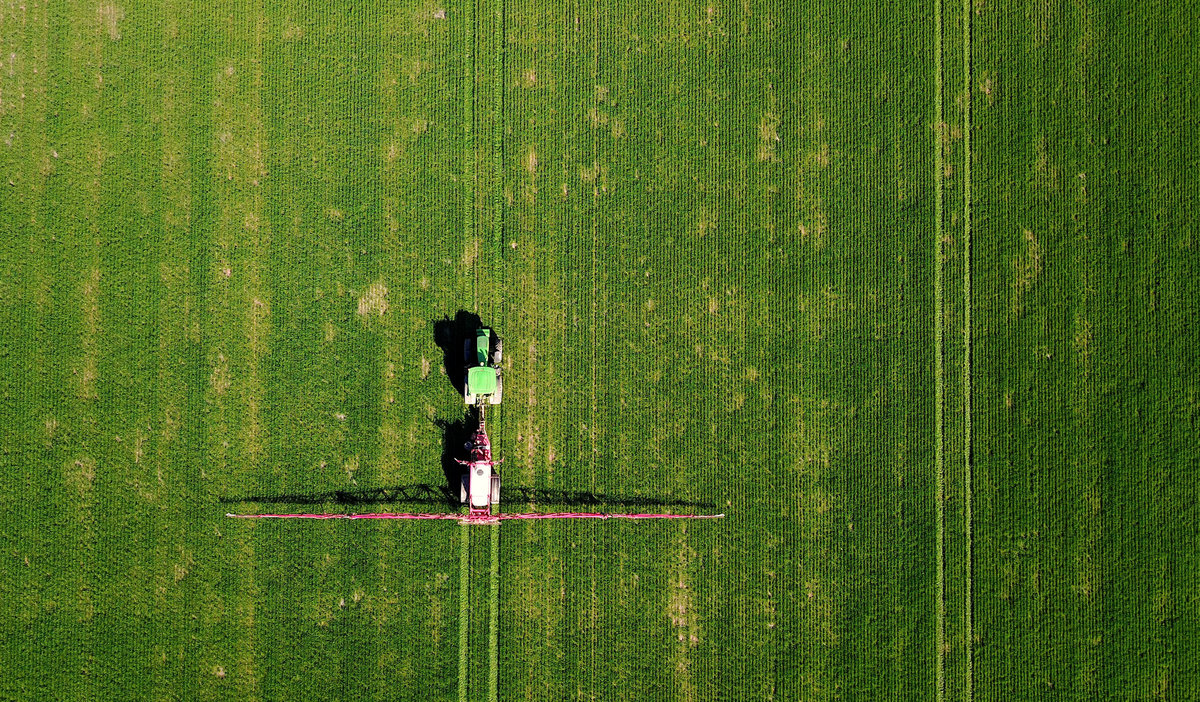
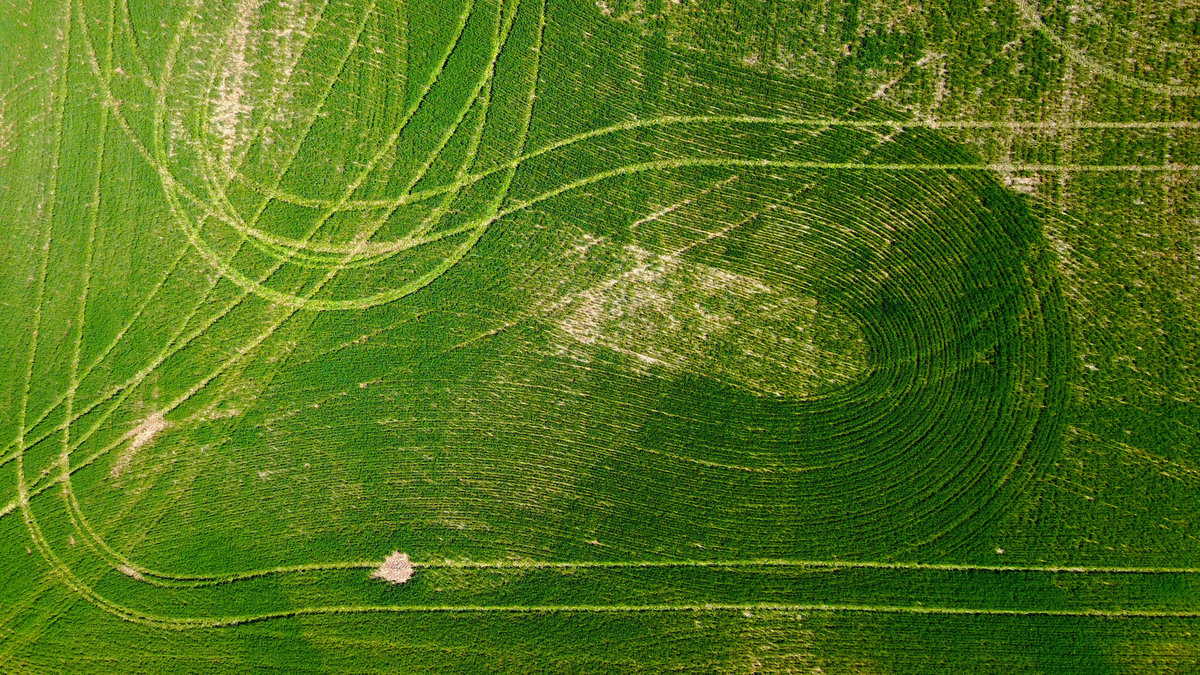
But a decision by local farmers to prioritise grain growing over livestock is proving prescient as eastern regions struggle with a second year of little or no rain.
Three months out from the start of the important wheat harvest, the entire state of NSW is in drought. Recent erratic rains can do little to salvage crops that have already failed, or weren't planted at all.
The NSW wheat crop is forecast to come in at 2.4 million tonnes, according to Glencore Agriculture, which is less than one-third its 10-year annual average.
While the drought is most acute in NSW, it extends north into Queensland and is also cutting production in some south-eastern grain-growing areas, meaning a lean year for the country's largest agricultural export.
EXPORTS DIVERTED
One saving grace is an anticipated bumper wheat crop in Western Australia, which is expected to enjoy a harvest in excess of 10 million tonnes this season, about 2 million tonnes above its 10-year average.
However, Jason Craig, general manager of marketing and trading at the country's largest grain exporter, Western Australia-based CBH Group, said east-coast buyers were pushing up prices and outbidding overseas importers.
That's meant grain ships travelling from Western Australia to east coast ports, instead of to markets in Asia.
Sixteen grain vessels, mainly from Western Australia and South Australia, have entered Queensland state's Port of Brisbane in 2018, according to figures provided by the port, compared to just one in 2017.
Similar shipments were made during the 2006-2008 drought, but demand is much stronger now, traders say.
"This will be a record movement – we've never seen movement like this," said Philip Hughes, general manager for trading at Glencore Agriculture.
That's meant less grain for other buyers.
Australian wheat exports to Indonesia have plunged to 1.2 million tonnes in 2018, down more than a half from the 2.66 million tonnes during the same period last year, according to industry data.
Rival exporters including Argentina, Canada, Ukraine and the United States have all increased wheat exports to Indonesia over the same period.
"Australia has sold very little new-crop wheat as of now as against at least a couple of million tonnes traded by this time in a normal year," said one Singapore-based grains trader at an international trading company.
'NO BREAD, NO BUNS, NO NOTHING'
The impact of the drought and cost of freighting grain around Australia is starting to work its way through the supply chain into the cost of flour.
Wheat prices delivered to Brisbane are up nearly 30 percent over the last six months with a tonne of wheat now trading at just over A$400 ($292) a tonne, data from agricultural data company Profarmer shows.
"Everyone is holding on and getting ready for an increase," in flour prices, said Baking Association of Australia executive officer Tony Smith. "It will have to flow through."
Australia's central bank also recently noted risks the drought posed to farm output and export forecasts.
Conditions in Mallala may not be ideal - farmers say the wheat crop should be a foot (30 cm) higher by this time of the year - but it's a green oasis compared to the dusty interiors of NSW and southern Queensland.
Mallala publican David Algar said the prosperity of the town was directly tied to crop conditions. Good rainfall just over a month ago safeguarded the wheat crop and meant patrons were "staying for an extra beer or two", he said.
Peter Irish, a local wheat farmer who is cropping just under 2,000 hectares (4,900 acres), said he didn't know how long the region could meet the demand coming out of the east.
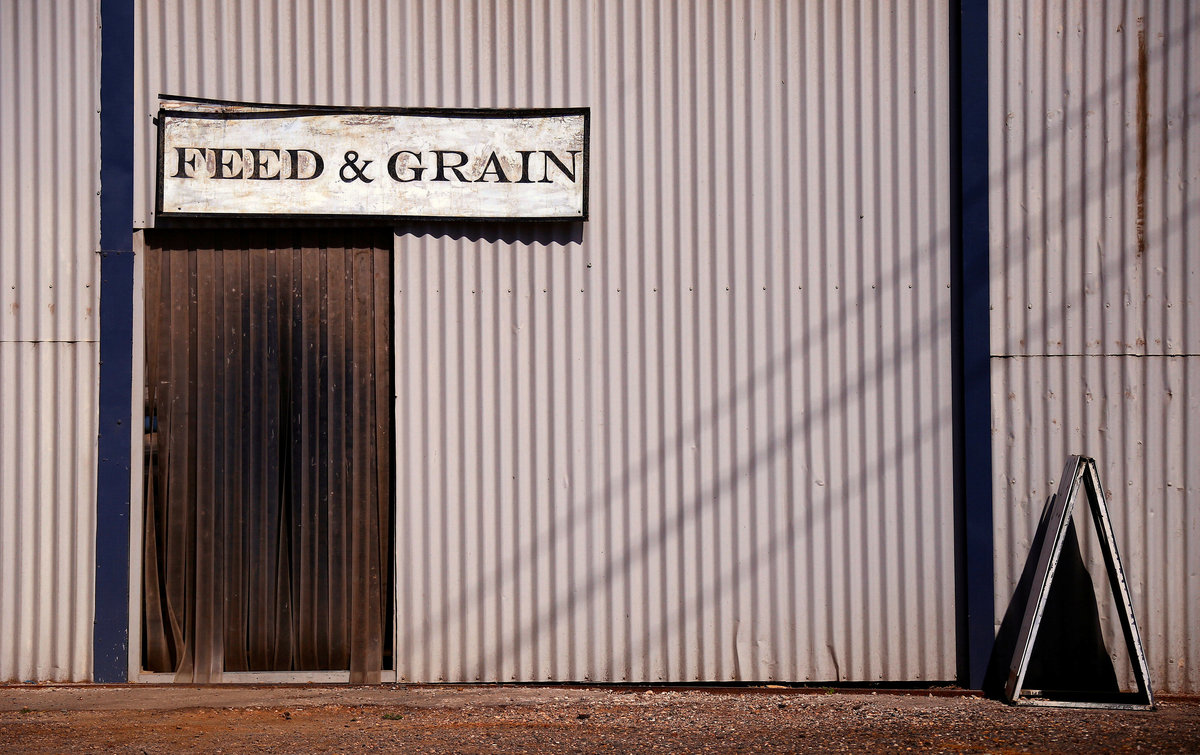
The area is set up for exports, but domestic demand would soak up most of the region's output this year, Irish told Reuters.
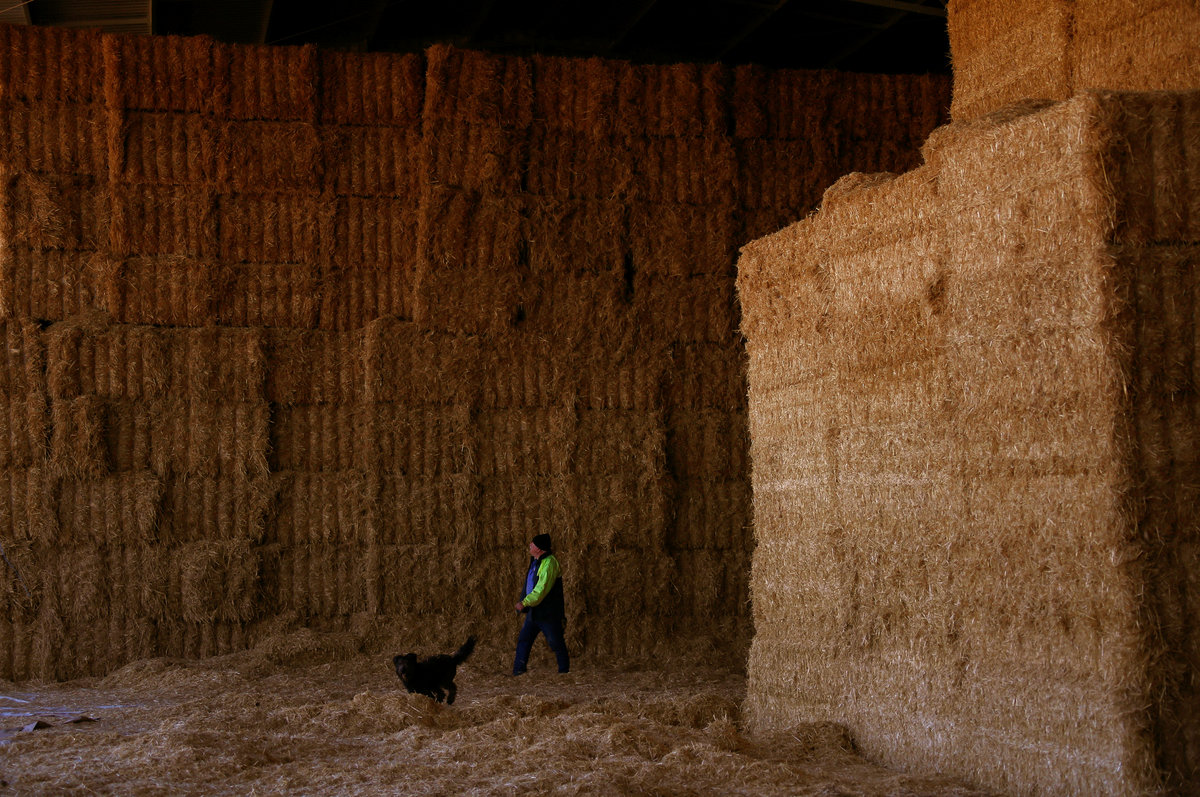
"I don't know how it's going to work out because Australia is an export nation; we export our grain," he said, standing in front of a barn loaded with hay bales tagged for both domestic and overseas buyers.
"Flour is a must-have thing isn't it? No flour, no bread, no buns, no nothing." Graphic: The cancer eating away at farms - https://tmsnrt.rs/2M4UXP7
(Reporting by Jonathan Barrett in MALLALA; additional reporting by Colin Packham in SYDNEY; Naveen Thukral in SINGAPORE and Bernadette Christina in JAKARTA; Editing by Lincoln Feast.)