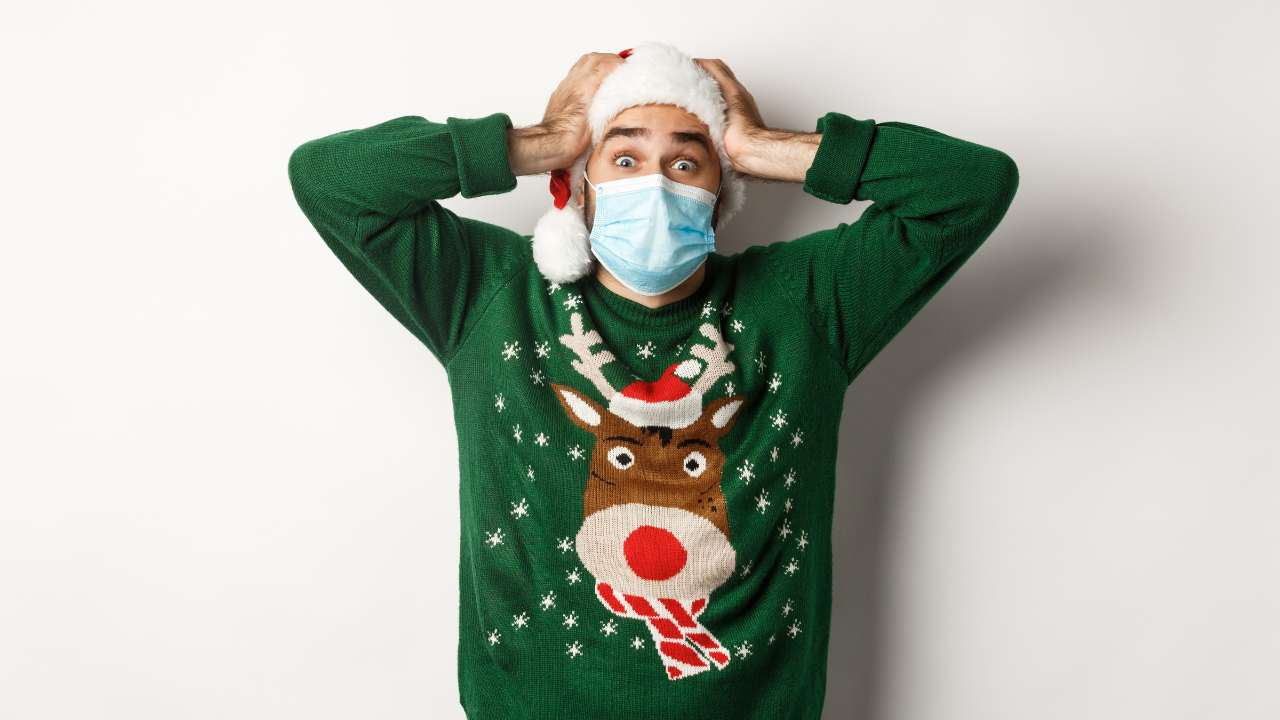
Given the recent report of the JN.1 variant in Delhi, prioritizing safety precautions is crucial to minimize transmission. JN. 1, a sub-variant of omicron, is less virulent but equally infectious. While it induces a milder illness resembling a common cold, the current case in Delhi involved a traveler with comorbidities who incidentally had COVID. Although there's no immediate cause for alarm, it's advised to maintain the standard COVID precautions such as social distancing, mask-wearing, staying hydrated, and prioritizing overall health. The government has issued an alert, urging awareness, but panic is unnecessary with proper precautions in place.
Should one be concerned about the spread of JN.1?
Experts warn that because people now have a wide range of antibodies from immunizations, previous infections with different versions, or both, it might be challenging to distinguish minute differences in symptoms produced by distinct COVID-19 variants like JN.1. However, a person's immunity and general health are more important in determining the kinds and severity of symptoms than the specific variant that causes the infection.
Symptoms of COVID variant JN.1
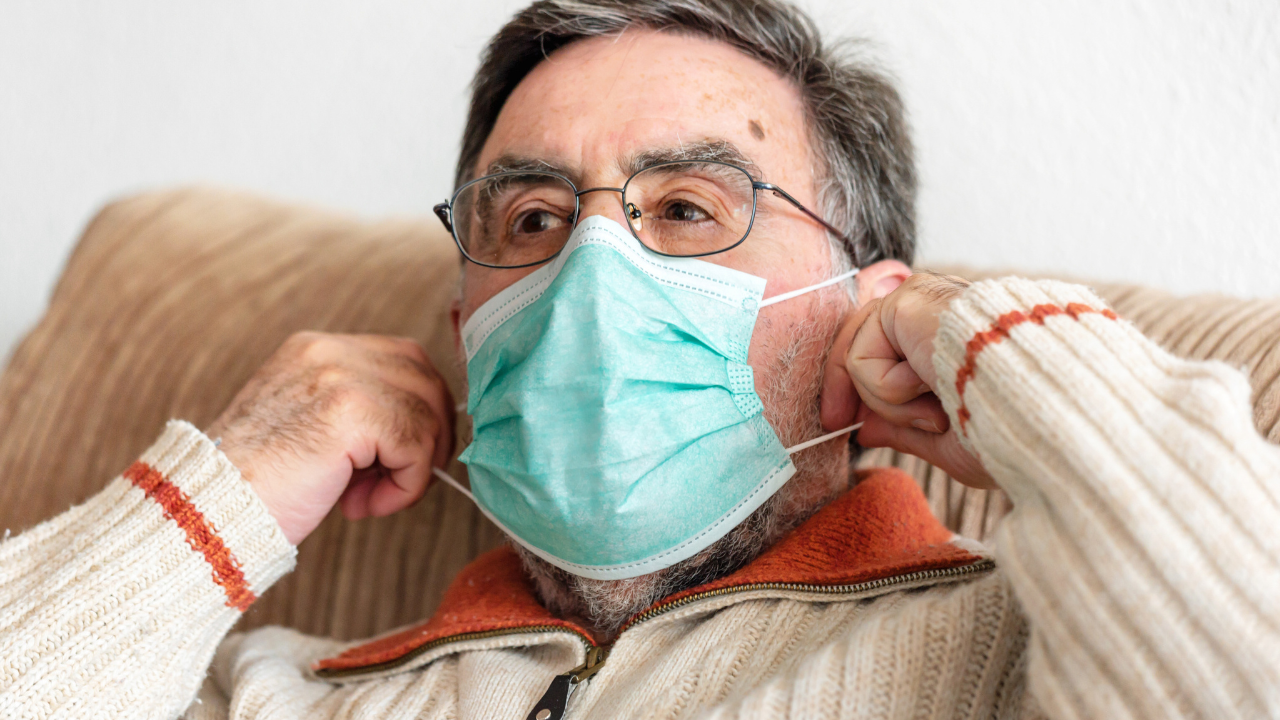
Dr. Prathiba Dogra, Sr Consultant, Pulmonology, Marengo Asia hospitals, Gurgaon says, “Runny nose, sore throat, headache, and occasional gastrointestinal issues like nausea, vomiting, abdominal pain, and diarrhea are common symptoms of JN.1. The severity is generally mild, but the virus is highly infectious and easily transmissible. Treatment primarily focuses on addressing symptoms through symptomatic measures.”
Prevention of JN.1
Full vaccination and booster shots, where recommended, play a pivotal role in fortifying defenses against severe illness. Emphasizing the use of well-fitted masks, frequent hand hygiene, and practicing social distancing remain key measures. Enhancing indoor ventilation through windows or air purifiers can mitigate airborne transmission risks. For seniors and children, staying indoors, especially in polluted areas, is advised. Avoiding crowded places and seeking prompt medical attention for symptoms or suspected exposure are essential precautions.
Strengthening individual immunity involves adhering to quarantine and isolation guidelines and maintaining overall well-being. Vigilance and strict adherence to prescribed protocols remain the foundation of collective safety.