As COVID-19 races up the Amazon River, health services struggle to keep up
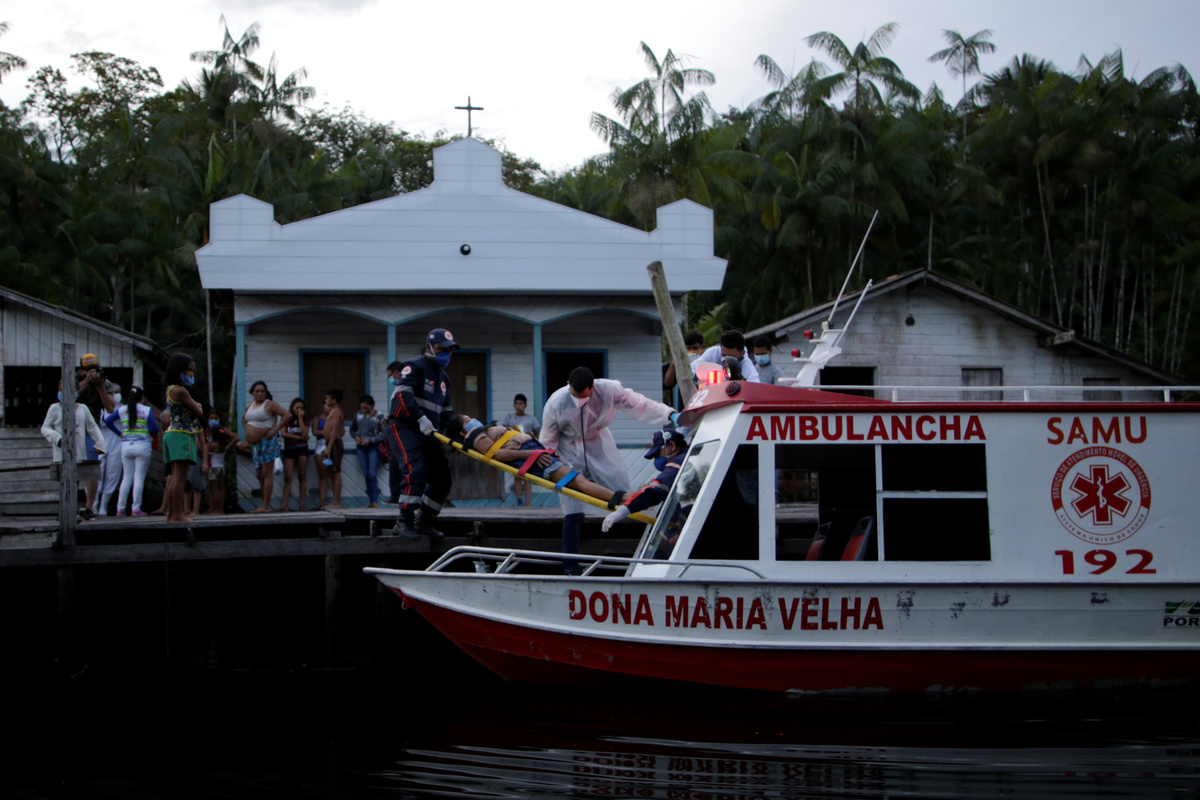
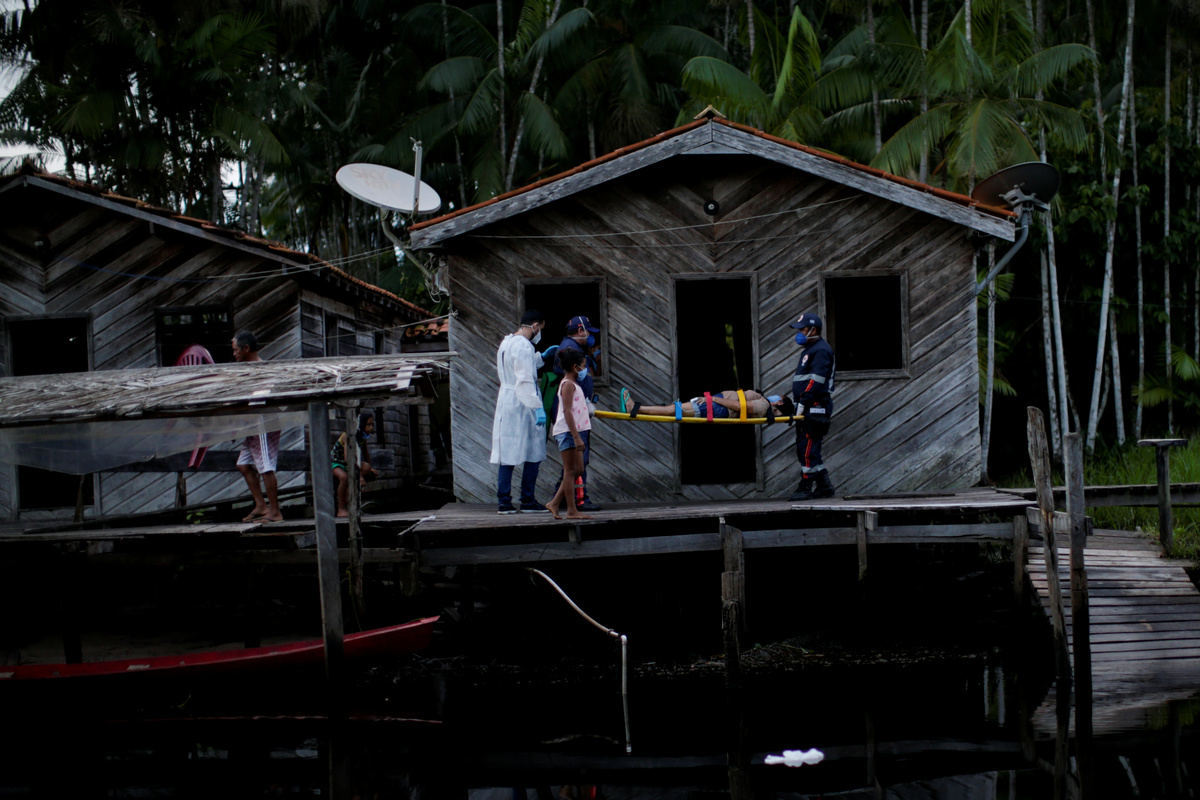
Maria Angela, 56, who has tested positive for COVID-19, is transferred by Dr Jorge Hernandez, 35, and health workers from her home at the riverside community Menino de Deus, onto an ambulance boat as she is taken to hospital, as healthcare workers visit riverside communities to check on residents during the coronavirus disease (COVID-19) outbreak, in the municipality of Portel, on Marajo island, Para state, Brazil, June 13, 2020. REUTERS/Ueslei Marcelino
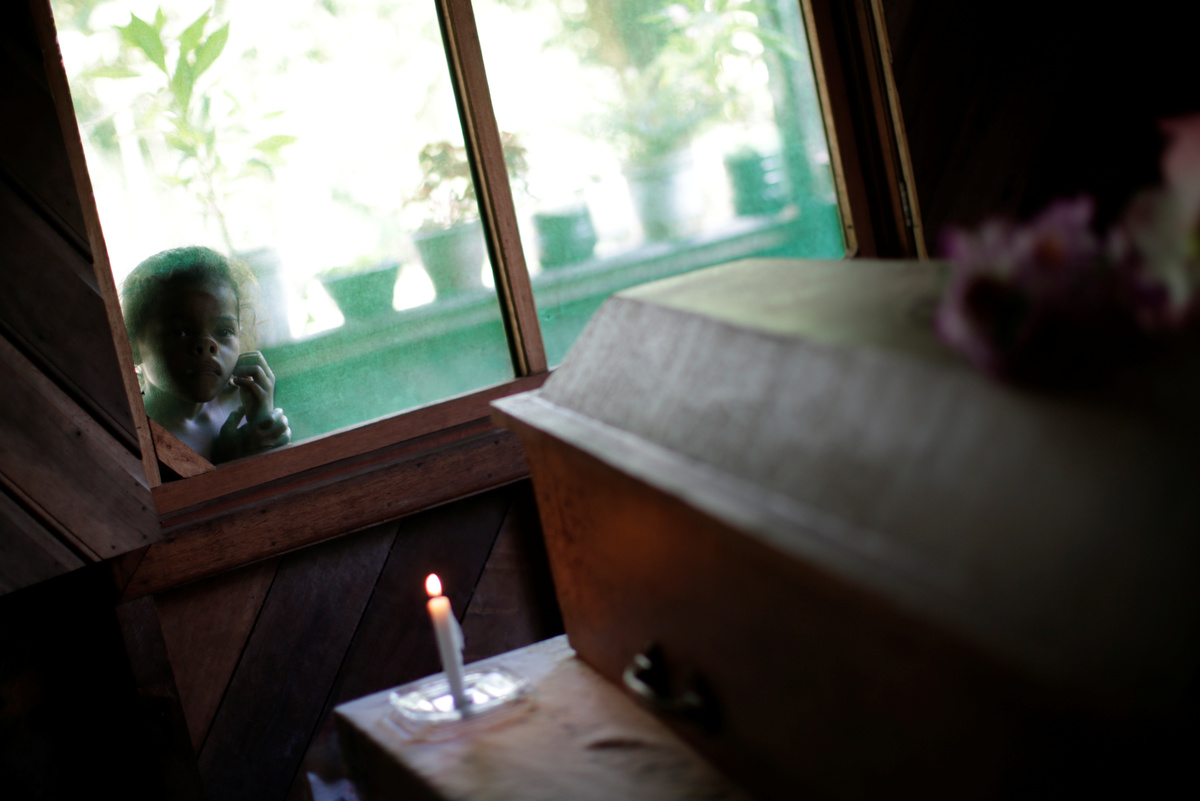
After days suffering from shortness of breath, 49-year-old Andrelina Bizerra da Silva fainted suddenly.
Her family, Brazilian acai berry farmers on a tributary of the Amazon River, put her in a small boat with an outboard motor and raced down the winding Acuti Pereira River to the nearest health clinic in the town of Portel.
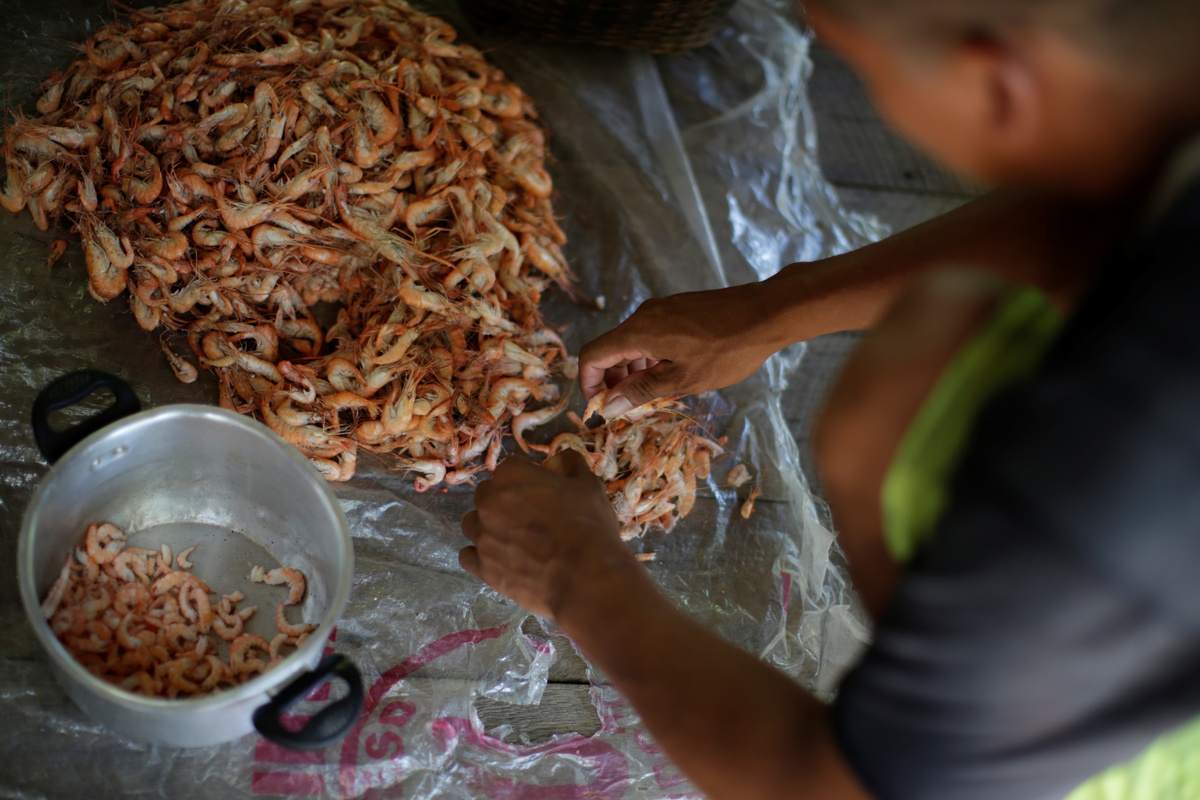
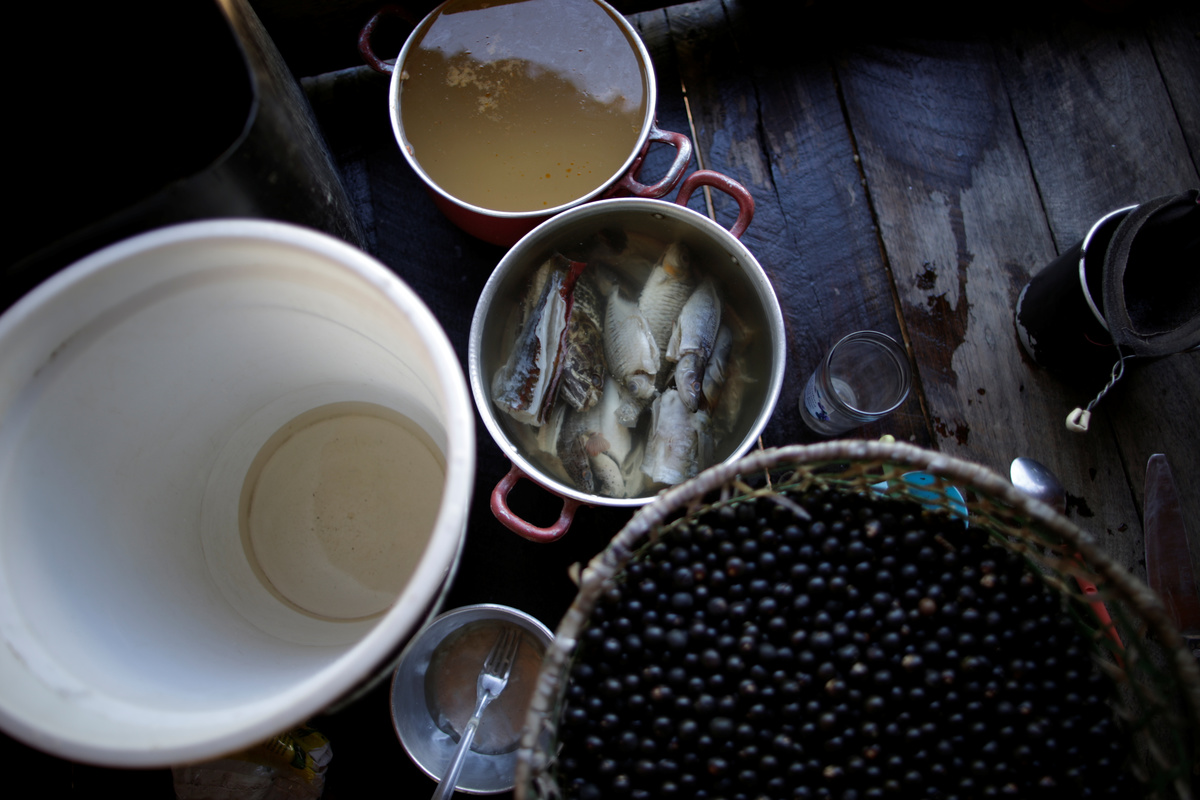
A resident of the riverside community Galileia, whose wife tested positive for COVID-19, removes the shells of prawns as he prepares a meal at his home, while being visited by healthcare workers as they visit riverside communities to check on residents during the coronavirus disease (COVID-19) outbreak, in the municipality of Melgaco, on Marajo island, Para state, Brazil, June 4, 2020. REUTERS/Ueslei Marcelino
Without tests to confirm if she had COVID-19 or sufficient facilities to treat her if she did, officials at that outpost directed them further downriver to the biggest hospital nearby, in the town of Breves.
Six hours had passed by the time they reached Breves.
Silva was already dead.
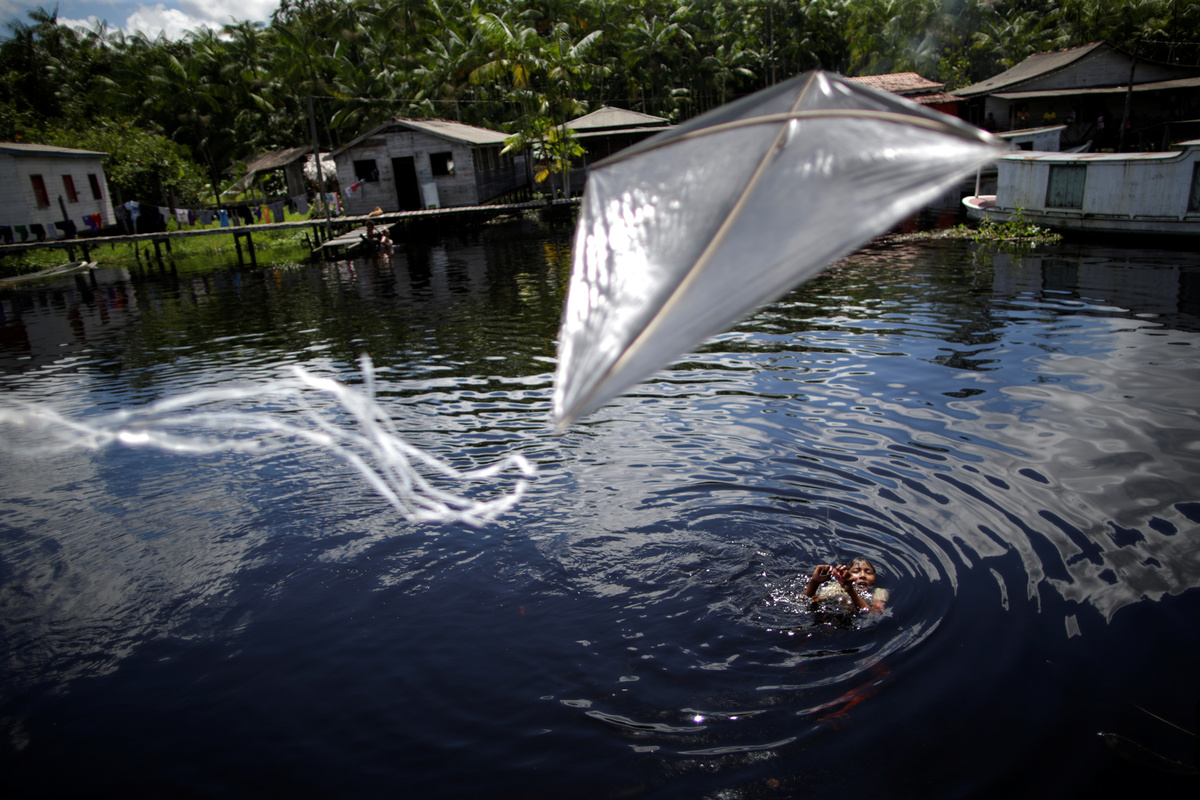
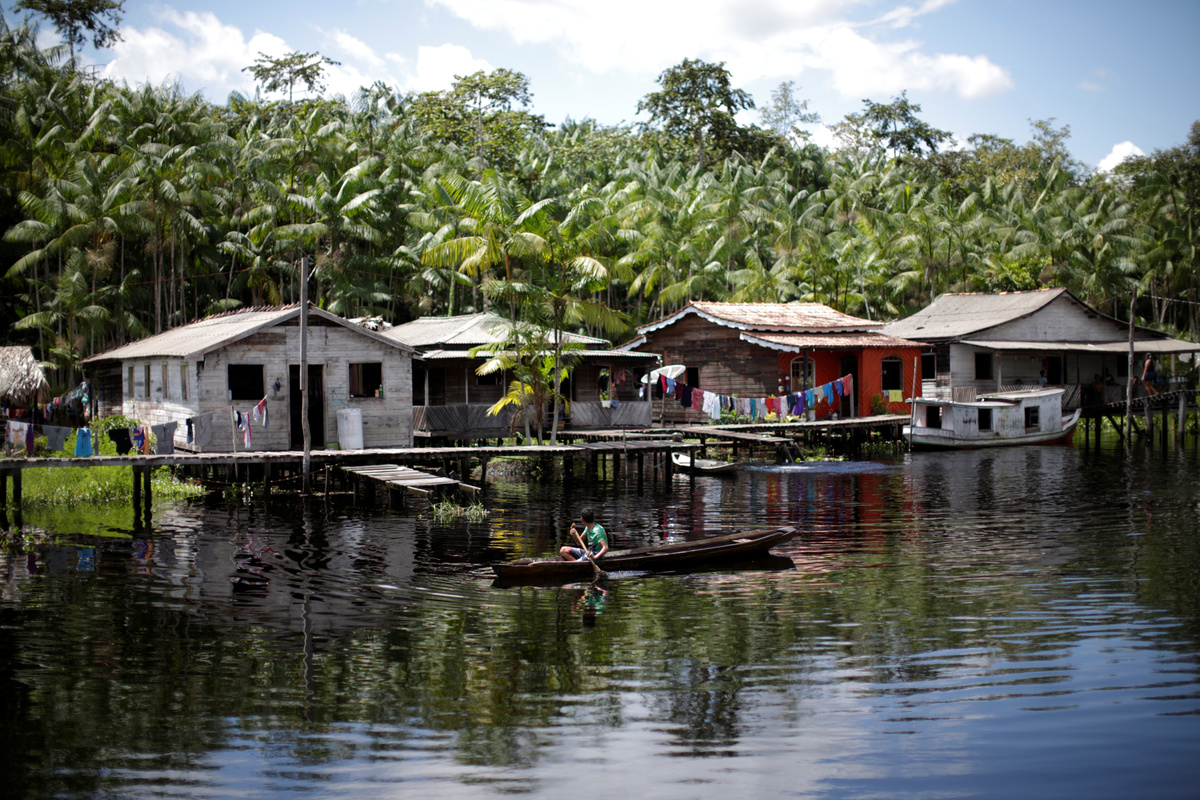
A boy plays with a kite as he swims in the river Acuti Pereira at the riverside community Santo Ezequiel Moreno where he lives, during the coronavirus disease (COVID-19) outbreak, in the municipality of Portel, on Marajo island, Para state, Brazil, June 5, 2020. REUTERS/Ueslei Marcelino
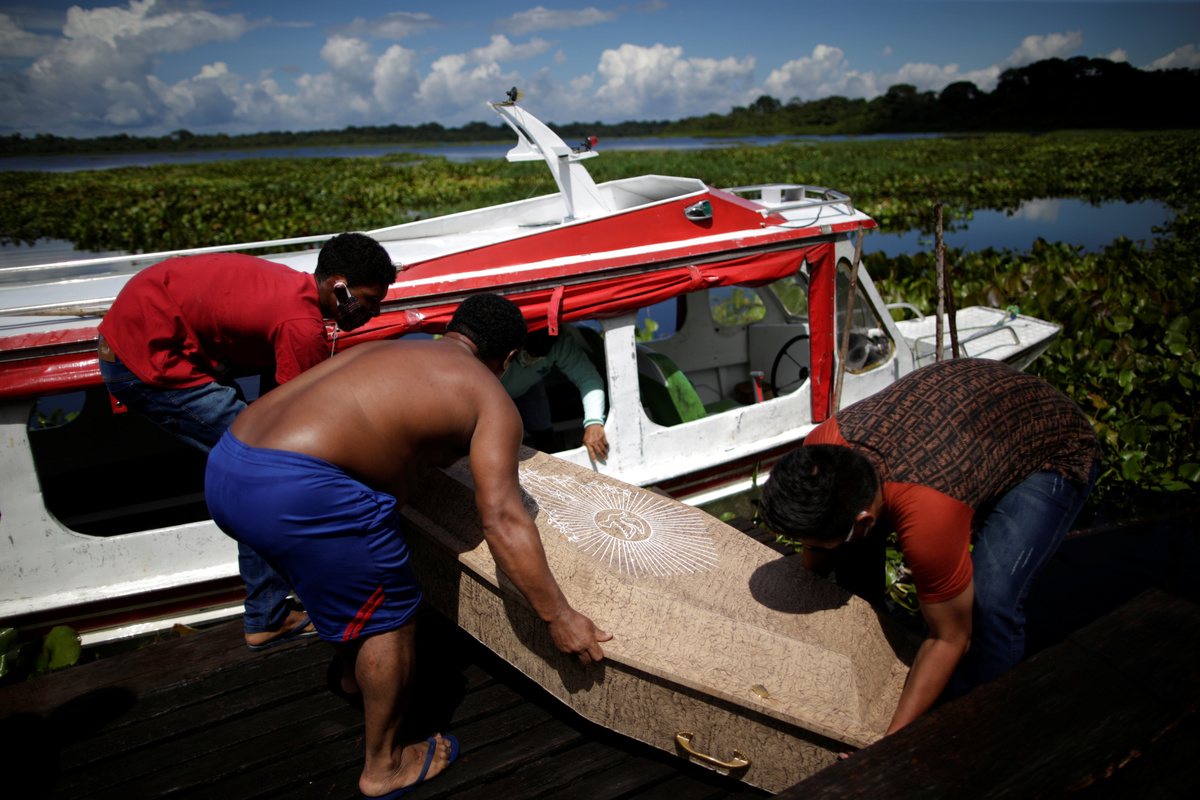
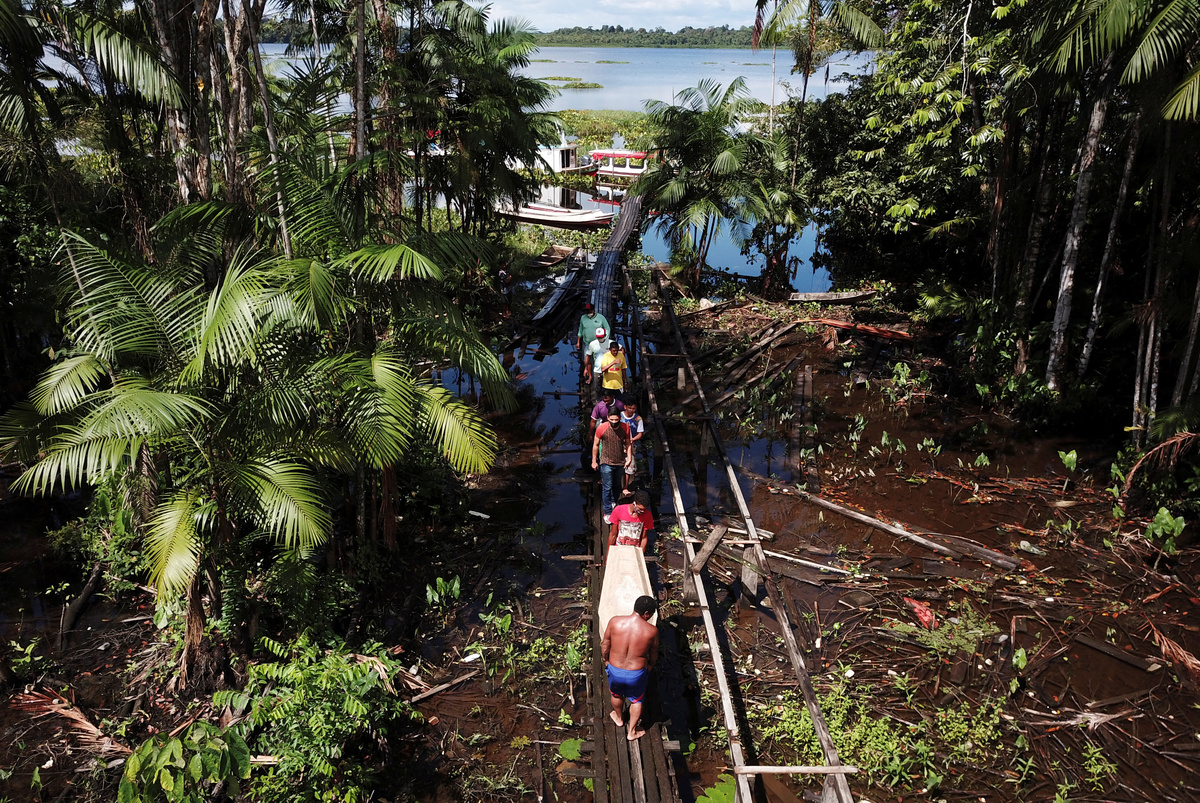
"To be honest, there are a lot of negative thoughts among us," said her nephew Felipe Costa Silva, after making the return trip with her coffin in the same boat. "How long is this going to last for? How many people are going to die?"
As the coronavirus outbreak in Brazil rockets past 1 million cases, more than anywhere outside the United States, the frontlines have shifted increasingly from modern hospitals in major cities to poor, remote corners of this massive country.
The cities of Belem and Macapa at the mouth of the Amazon River emerged as major coronavirus hotspots in April and May. The virus has since spread deep into surrounding rural areas.
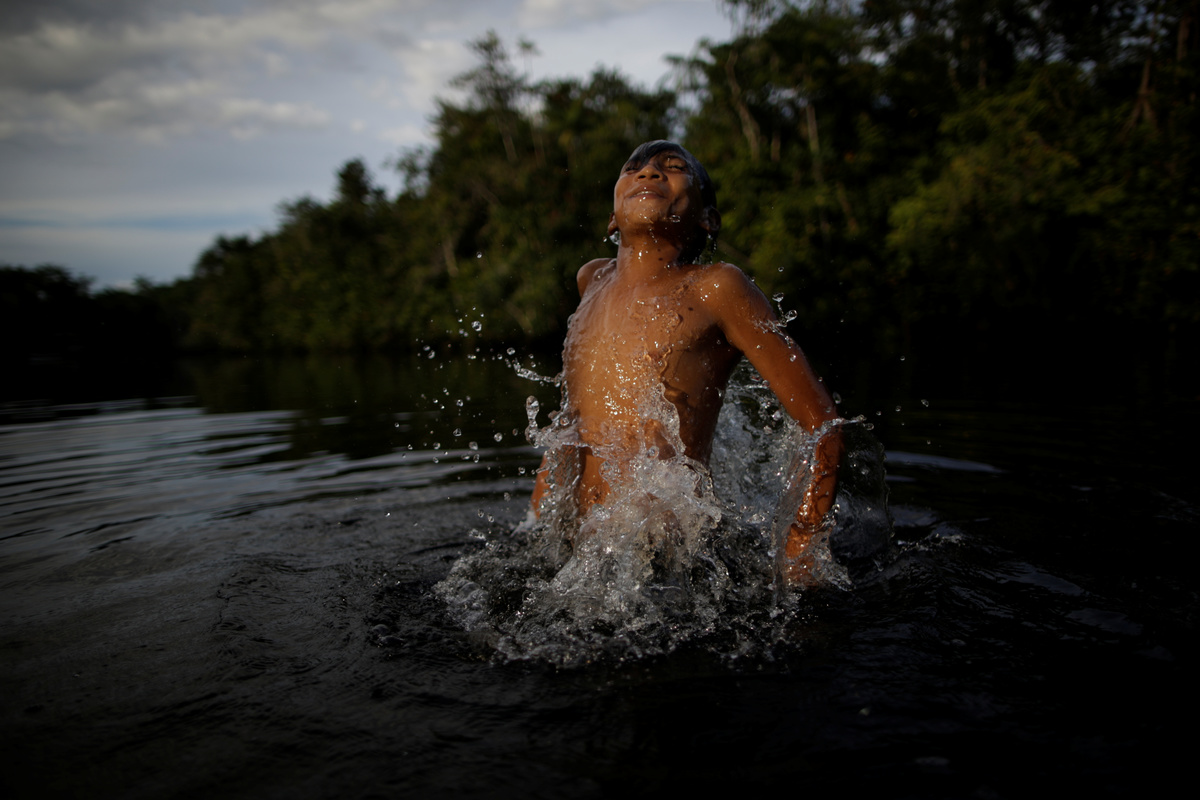
Luciendro Costa, 13, whose mother tested positive for COVID-19, bathes in the river Acuti Pereira, at the riverside community Menino de Deus, as healthcare workers visit riverside communities to check on residents during the coronavirus disease (COVID-19) outbreak, in the municipality of Portel, on Marajo island, Para state, Brazil, June 13, 2020. REUTERS/Ueslei Marcelino
Reuters spent a week accompanying medical professionals in their battle with the pandemic near Marajo Island, which splits the Amazon in two as it approaches the Atlantic Ocean.
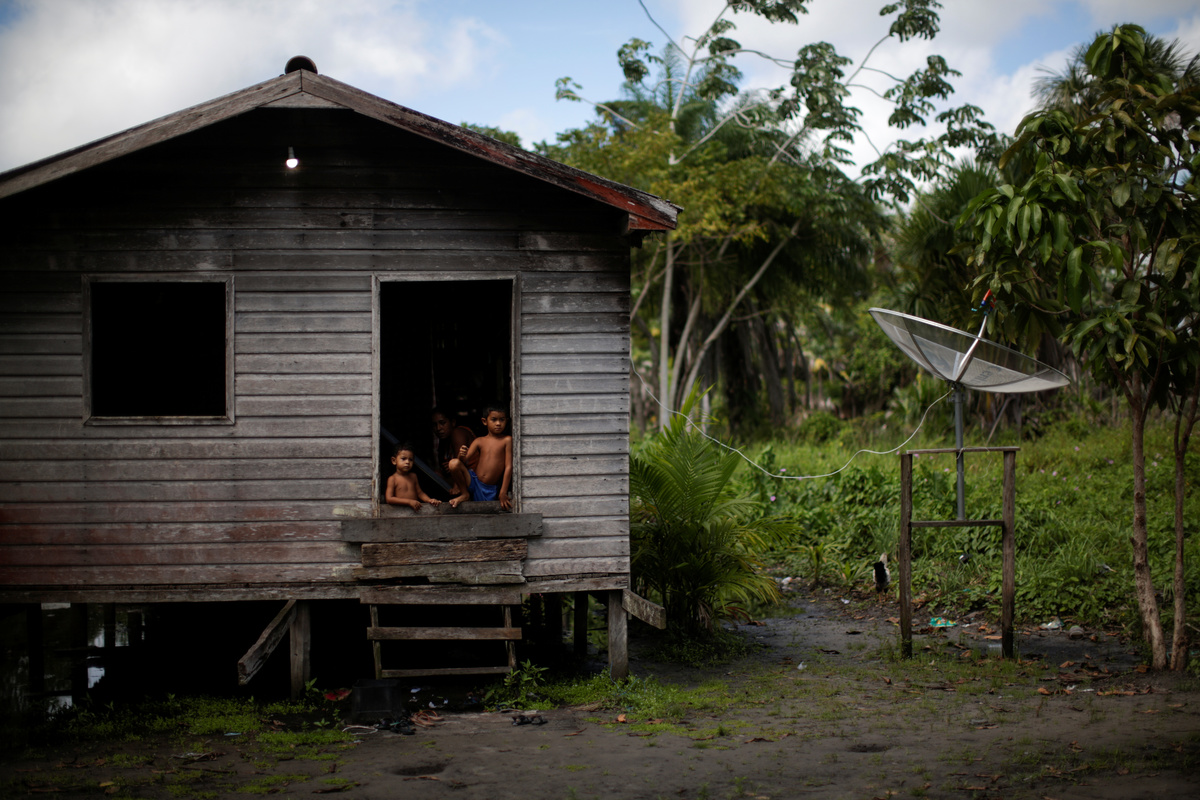
In isolated settlements built on stilts along the river, most households survive on fishing and harvesting local fruits, earning just a few dollars a day. Social distancing is nearly impossible in wooden shacks built close together. Many lack phones and it can take a day or more to reach health clinics.
The coronavirus has taken root here, killing scores and infecting hundreds more, public health records show. Reuters saw that severe infections are often identified and treated late, when odds are against the patients.
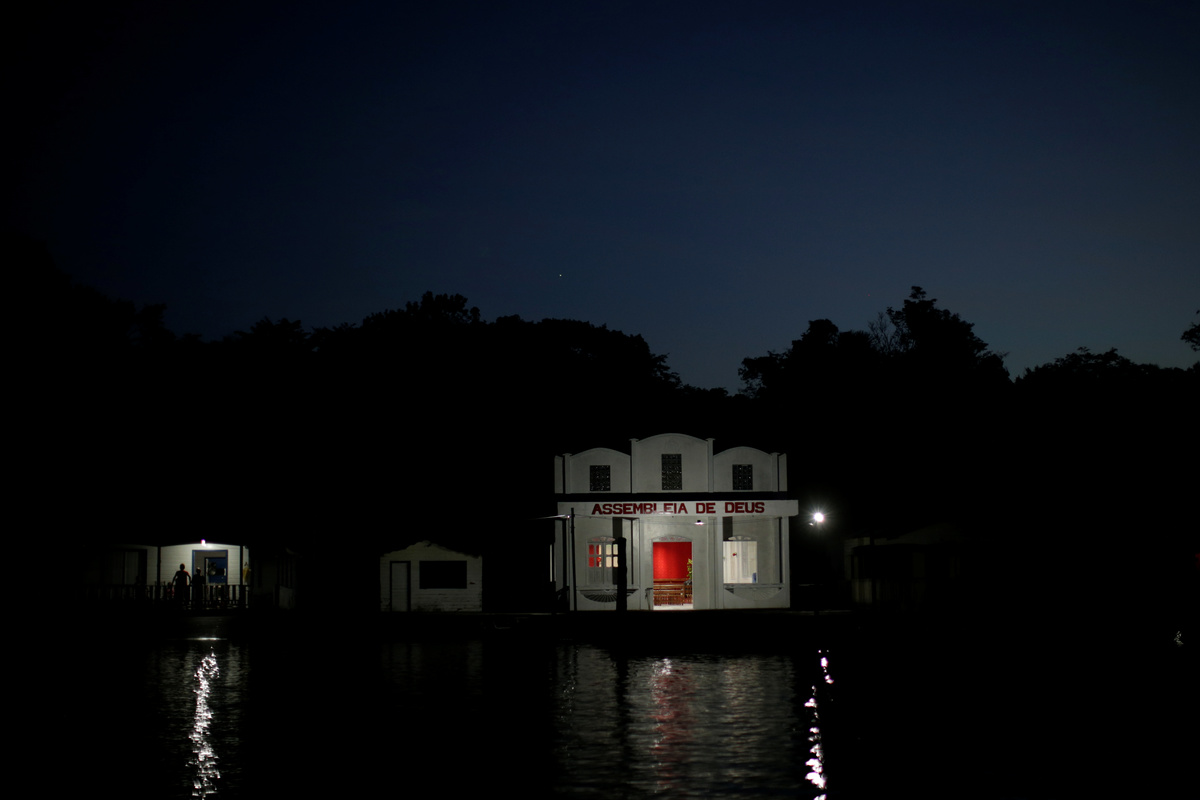
Assembleia de Deus, a church that sits by the river Parauau, stands in the municipality of Breves, during the coronavirus disease (COVID-19) outbreak, Marajo island, Para state, Brazil, June 7, 2020. REUTERS/Ueslei Marcelino
Yet public health professionals put on a brave face, making house calls and ferrying patients on hours-long boat trips.
"It's quite complicated because of the difficulty of access," said Alex Glaison, a medic, after treating a patient in their riverside home. "What keeps us going is getting results."
Some residents live 36 hours from the town center, turning healthcare into a logistical nightmare, said Nizomar Junior, the municipal health secretary in Portel, a small town just across the river from Marajo Island.
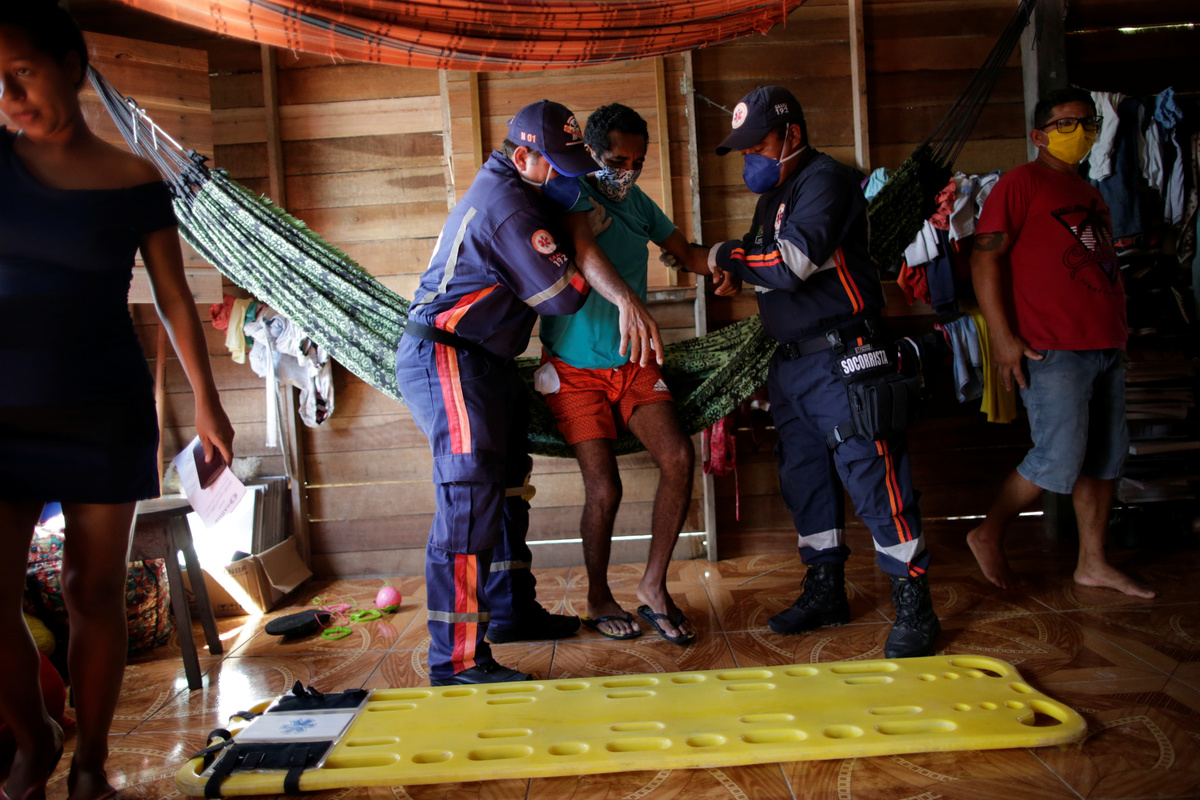
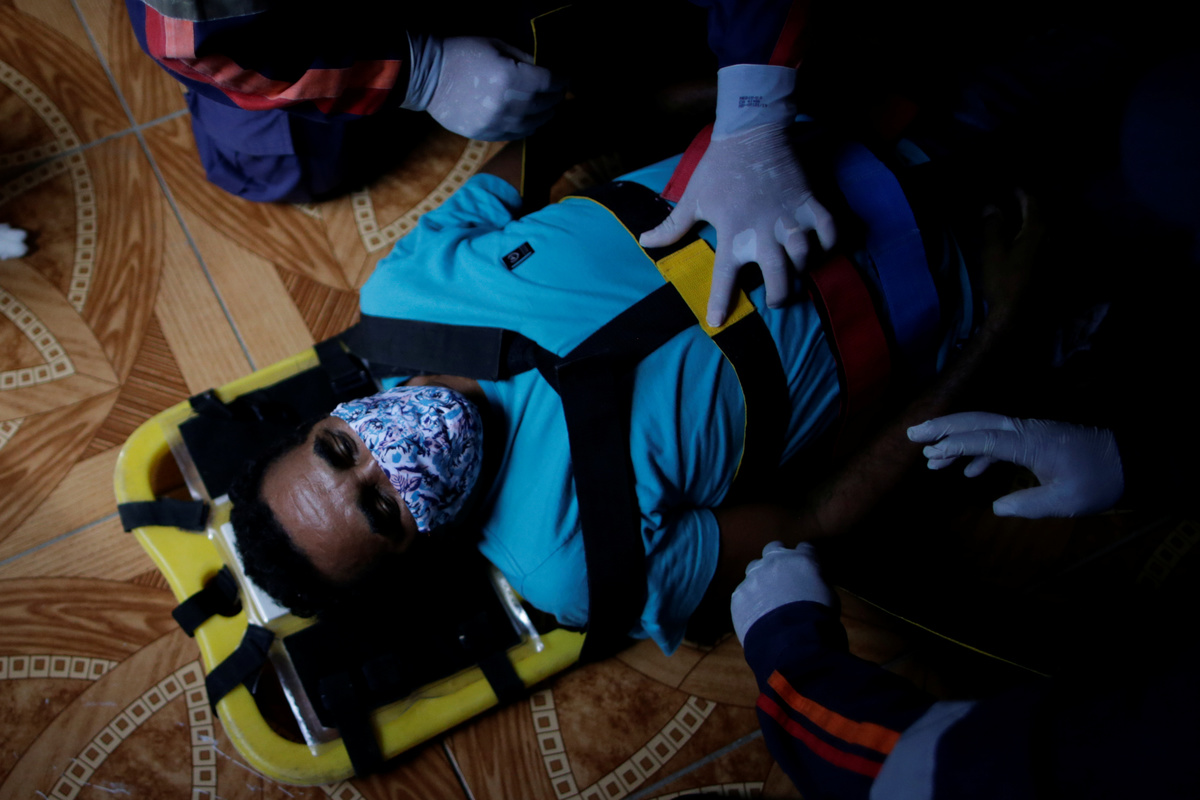
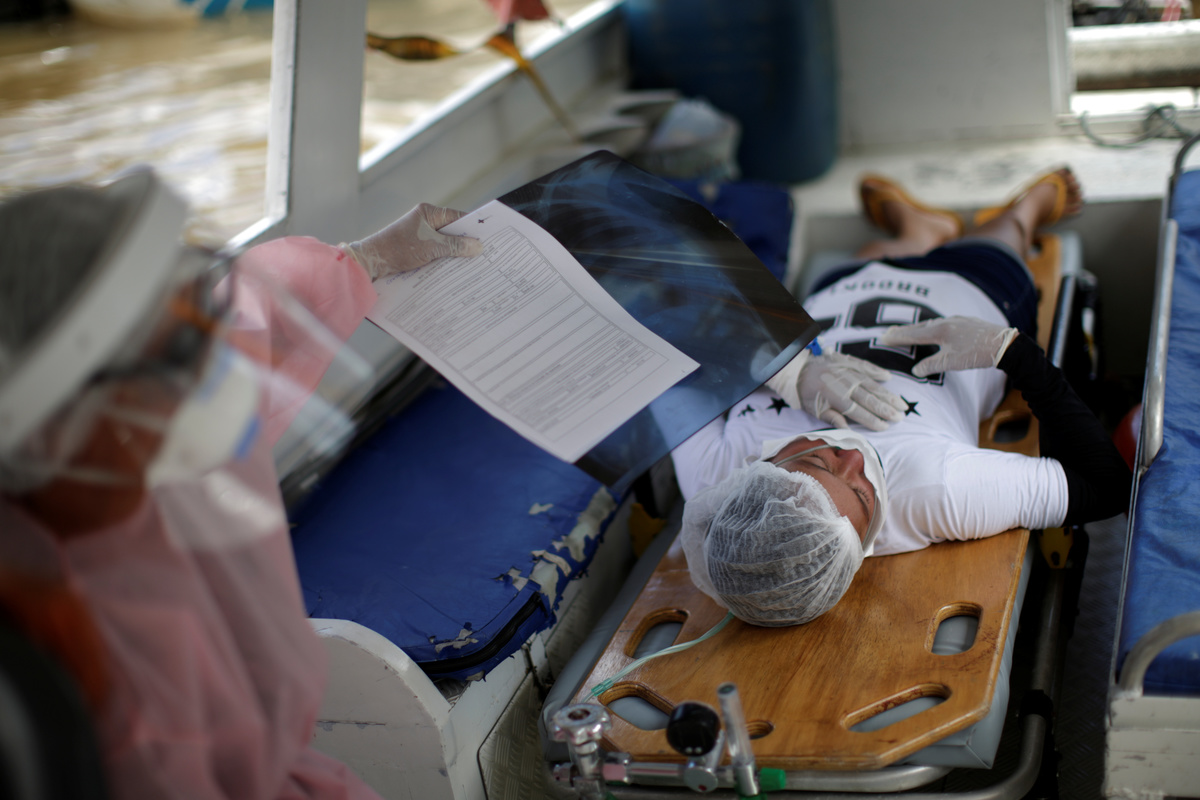
Healthcare workers move Valter da Silva, 51, who tested positive for COVID-19, onto a stretcher as he is transferred to hospital from his home at the riverside community Pinheiro, as healthcare workers visit riverside communities to check on residents during the coronavirus disease (COVID-19) outbreak, in the municipality of Portel, Marajo island, Para state, Brazil, June 13, 2020. REUTERS/Ueslei Marcelino
He leads a sprawling team of medics that routinely travel hours on end, often battling unpredictable currents and fast-approaching weather fronts.
Maria Luiza Costa, a manioc farmer, is one of those isolated residents. She and her mother had come down with headaches and flu-like symptoms, but their coronavirus cases were not confirmed until medical workers visited their home, tucked far up a tributary.
Their sickness had kept them from work. Costa said she was scraping by with a monthly subsidy of 600 reais ($116) from the federal government.
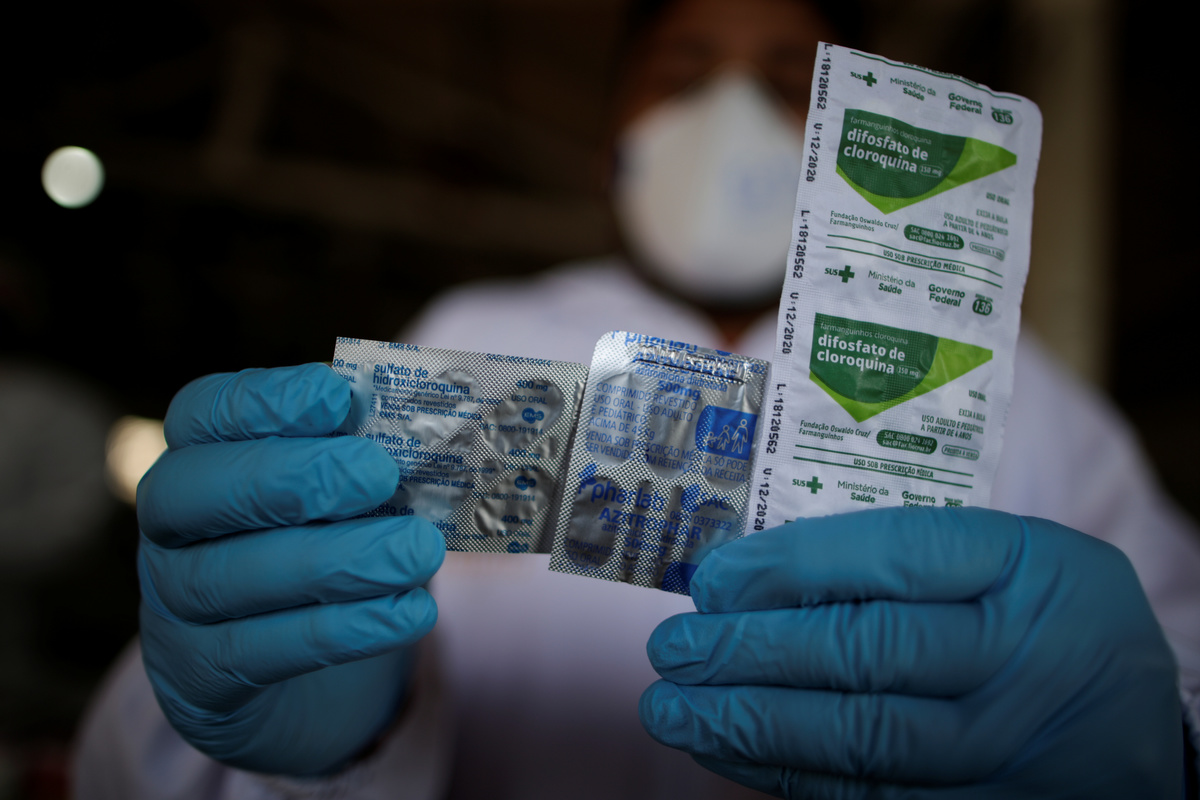
A healthcare worker holds a packet of hydroxychloroquine sulfate, azitrophar and chloroquine diphosphate, which some doctors have been distributing to people who have tested positive for COVID-19, as part of a remedy kit for treatment, at the riverside community Santo Ezequiel Moreno, as healthcare workers travel to riverside communities during the coronavirus disease (COVID-19) outbreak, in the municipality of Portel, at Marajo island, Para state, Brazil, June 5, 2020. REUTERS/Ueslei Marcelino
For many residents, the pandemic marks their first contact with the public health system. It is a relief for some, but can bring a gnawing anxiety as treatment means sending relatives far downriver.
Andreza Lima de Cruz, 25, watched as doctors on a floating ambulance motored away with her father to the hospital in Portel after he tested positive for the coronavirus.
"We know that arriving there, there's no certainty that he'll come back," Lima said. "I honestly want him to stay here. But we have to think of him as well."
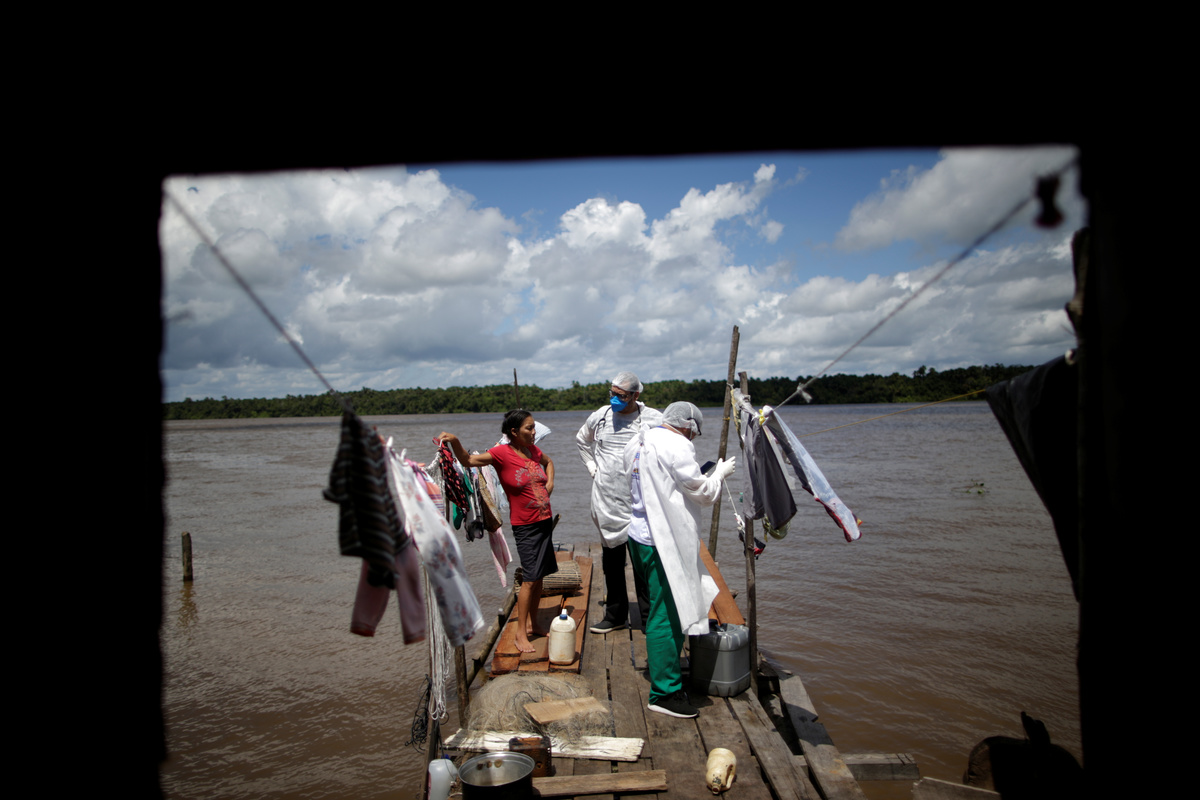
Healthcare workers speak to a woman who lives at the riverside community Galileia, as healthcare workers visit riverside communities to check on residents during the coronavirus disease (COVID-19) outbreak, in the municipality of Melgaco, Marajo island, Para state, Brazil, June 4, 2020. REUTERS/Ueslei Marcelino
(Reporting by Ueslei Marcelino and Leonardo Benassatto; Writing by Gram Slattery; Editing by Brad Haynes and Rosalba O'Brien)
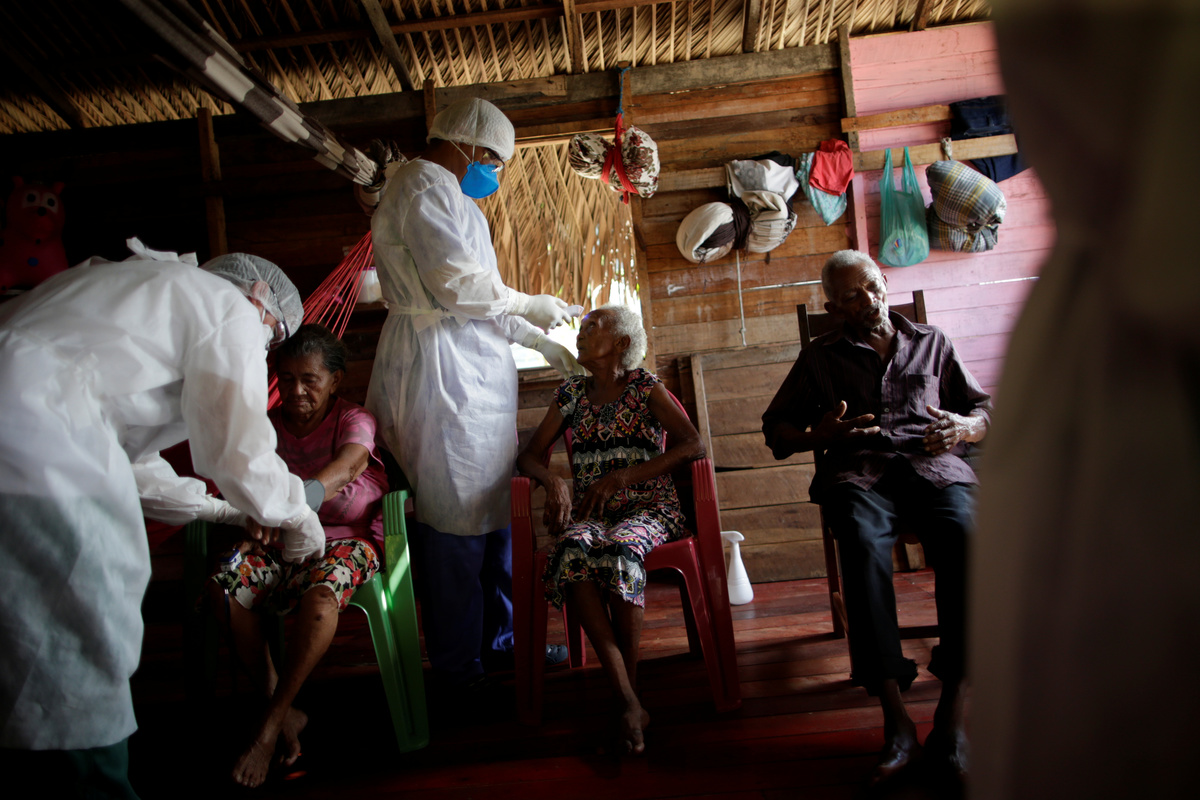
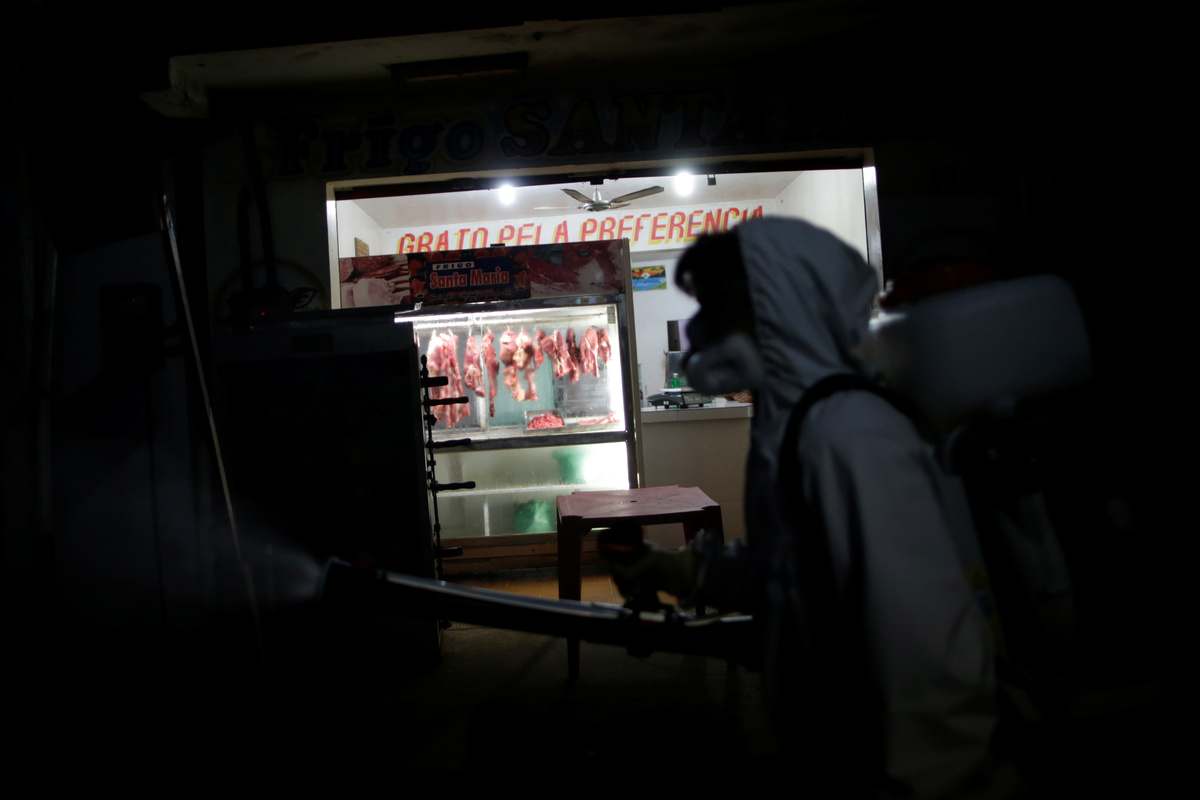
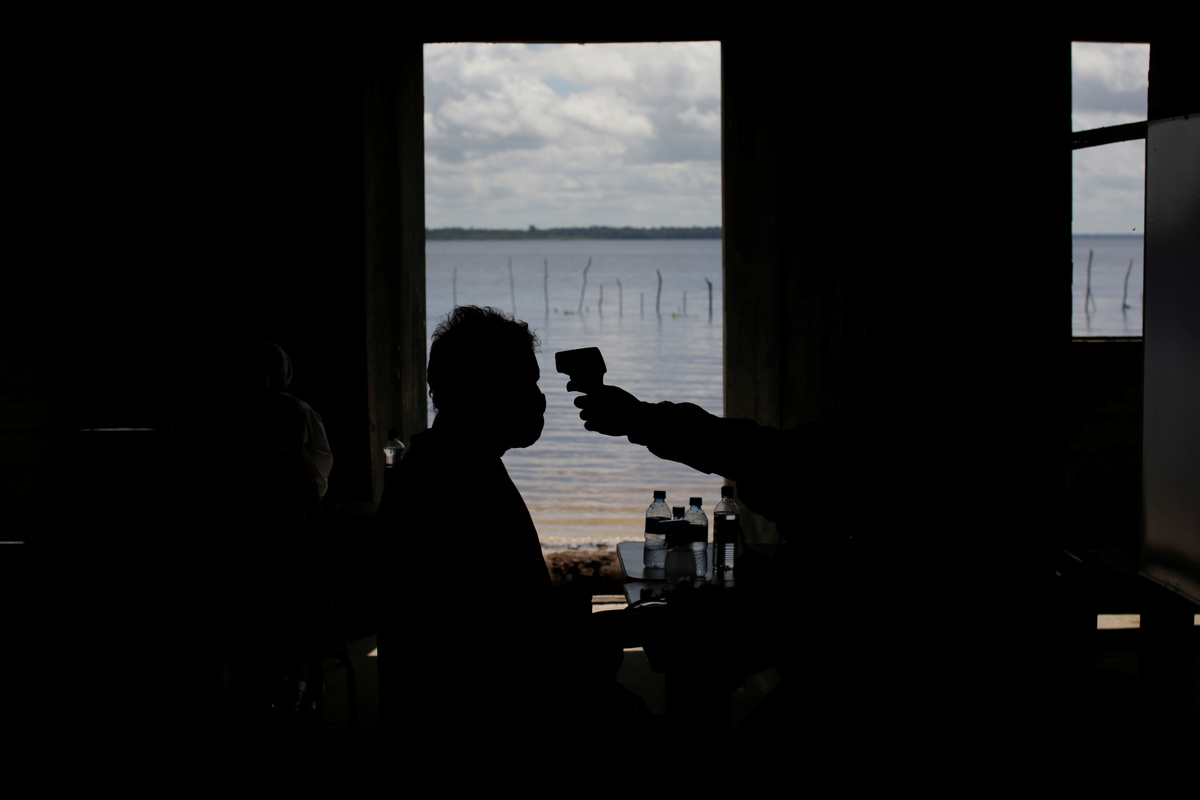
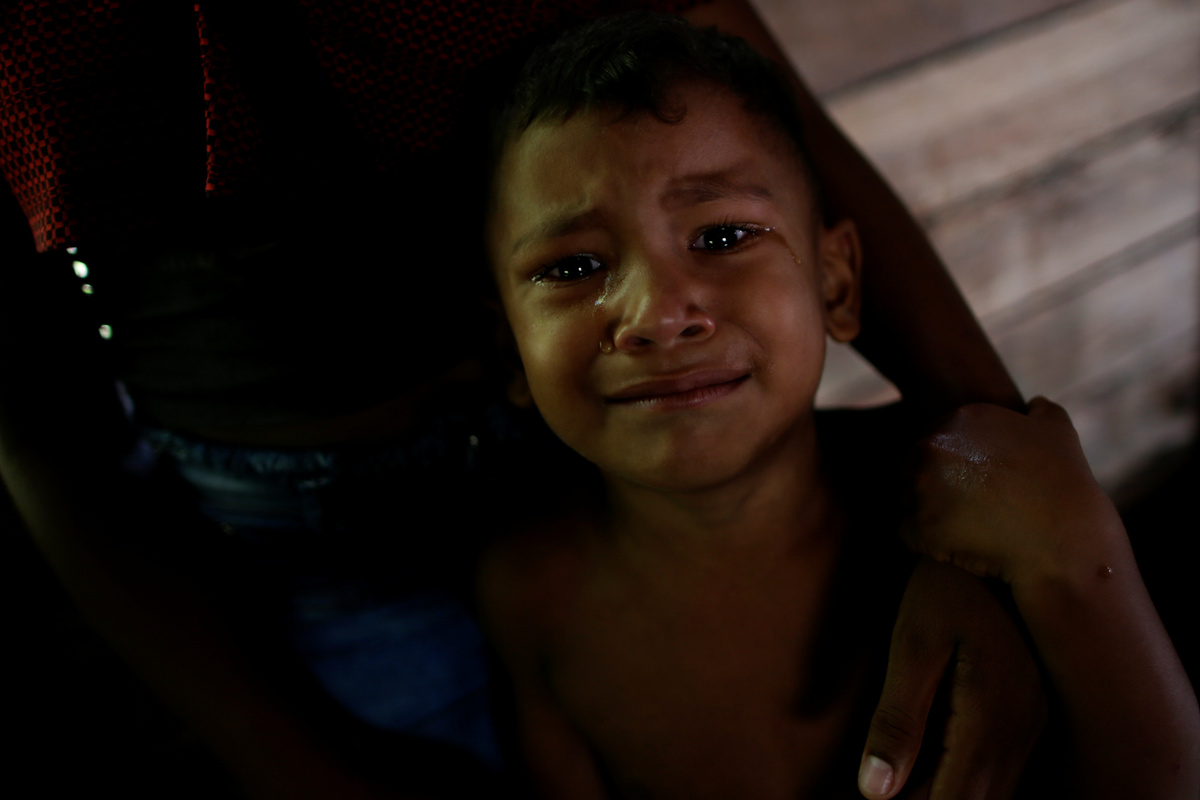
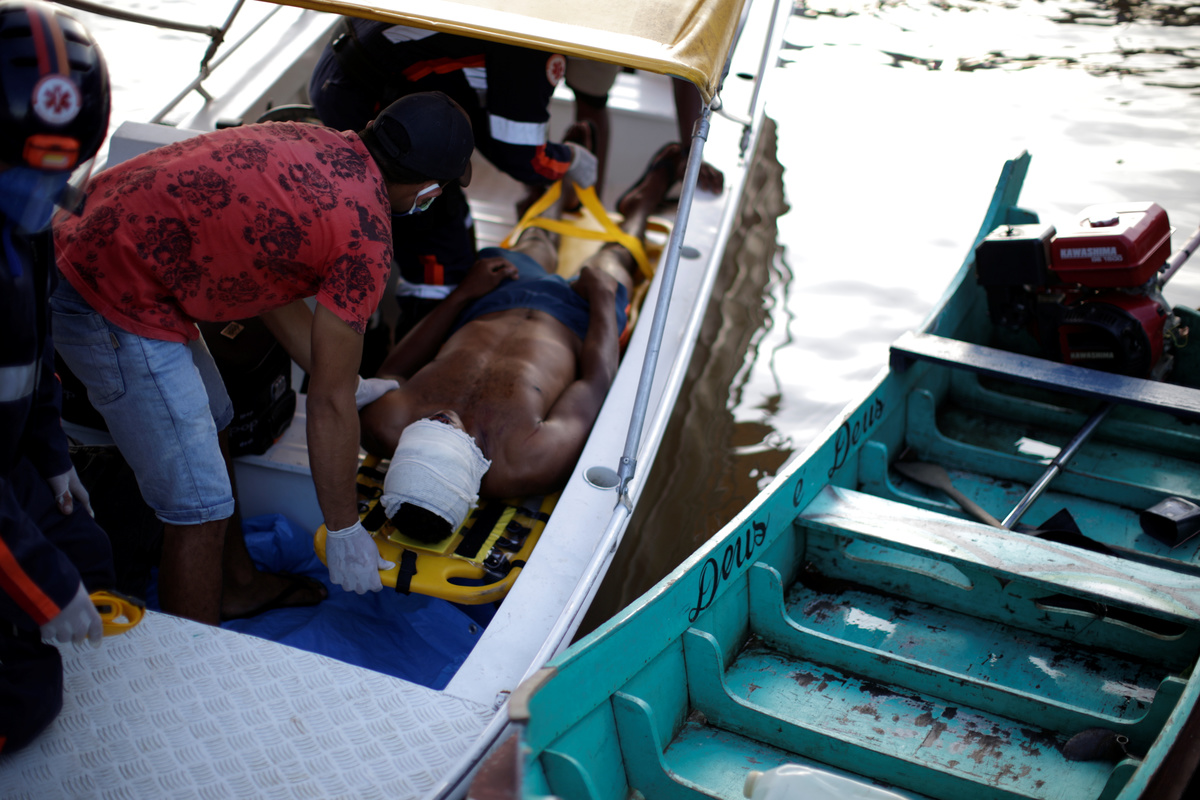
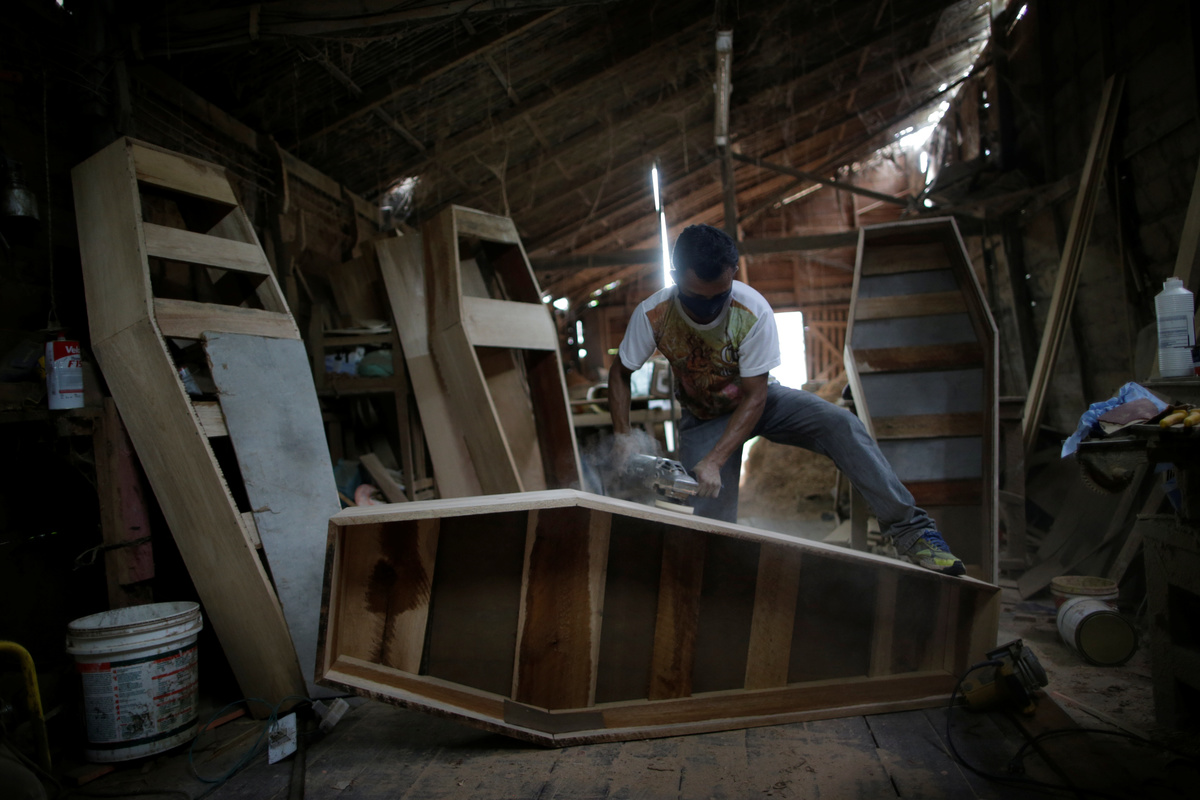
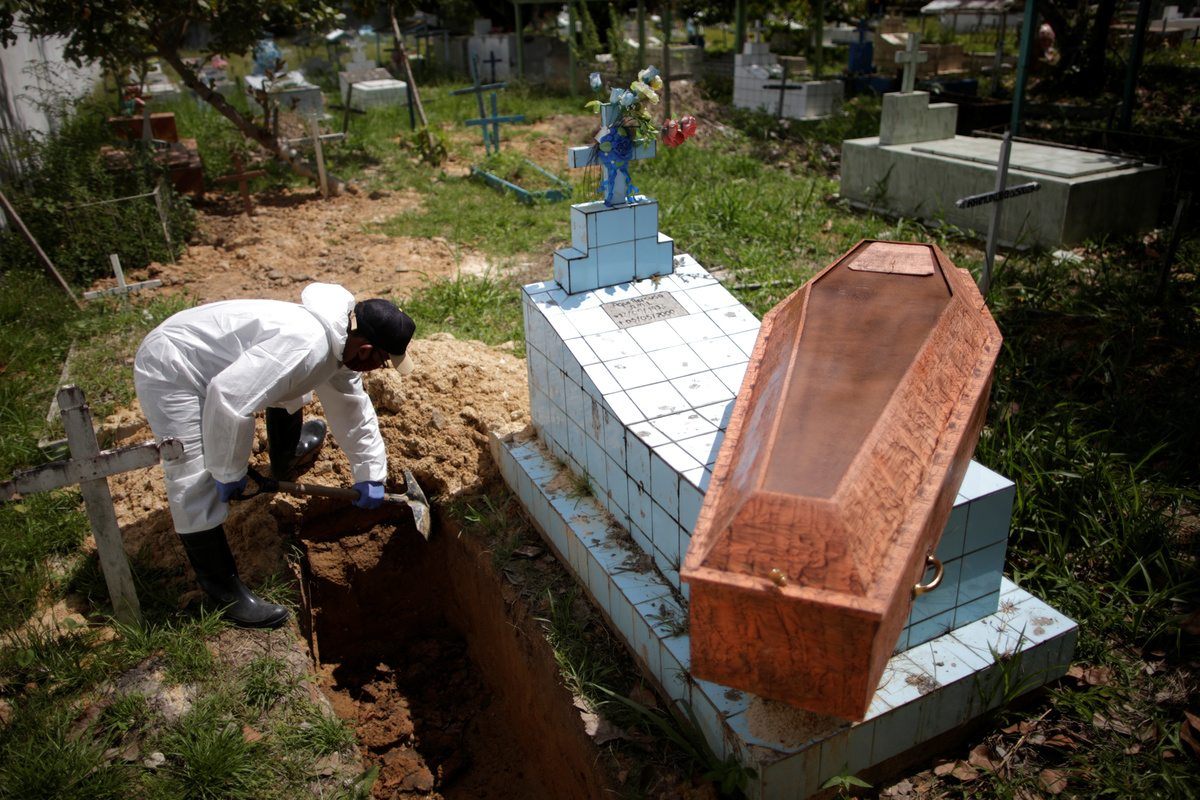
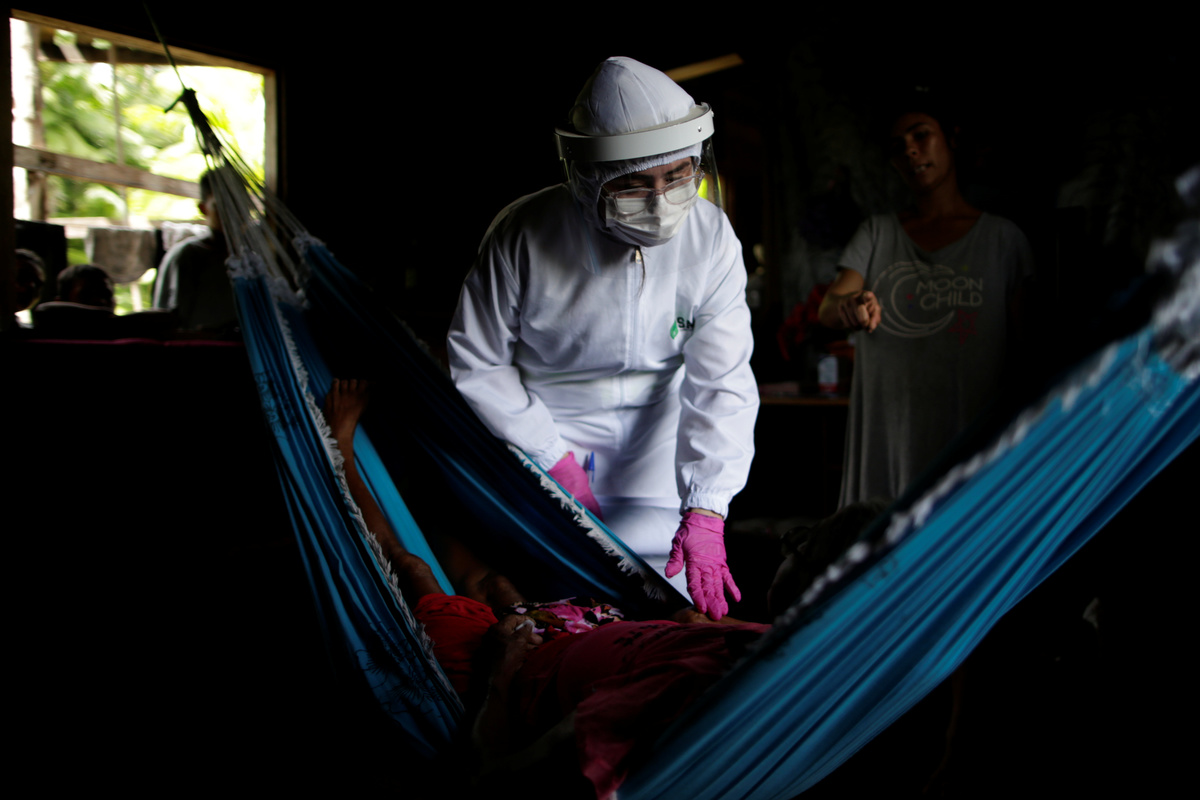
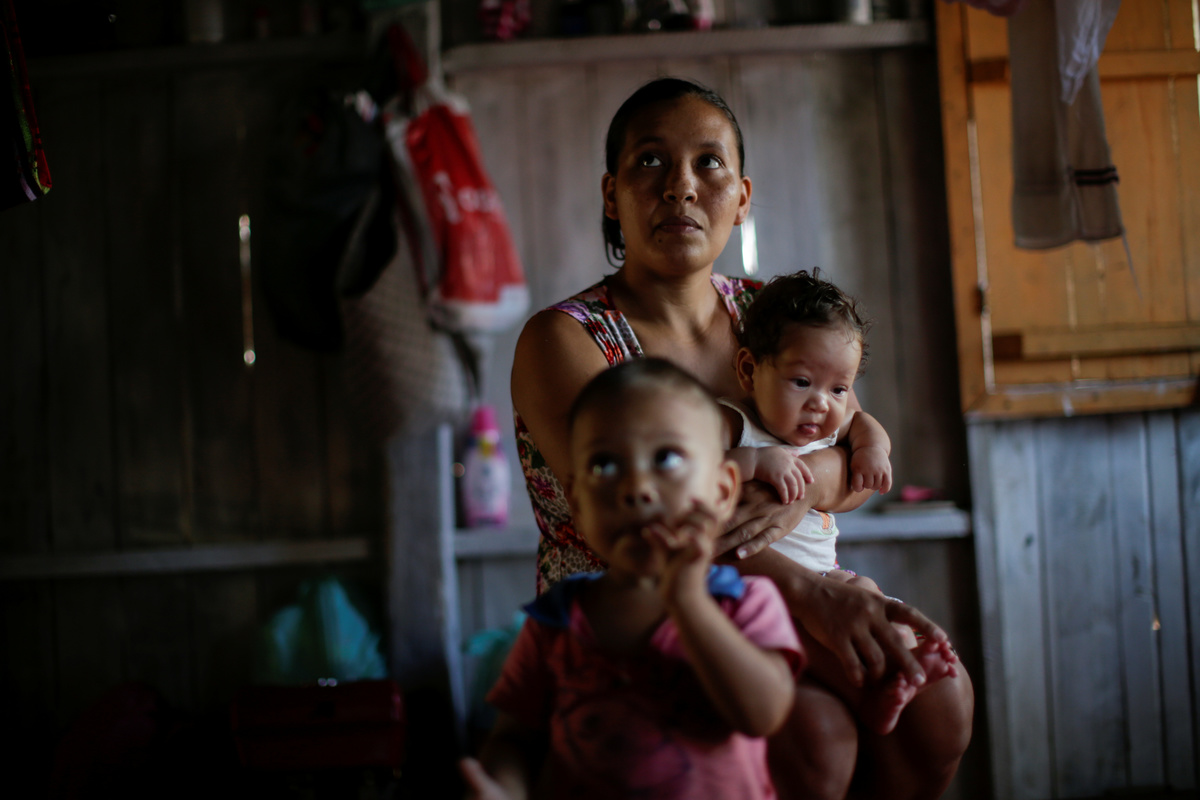
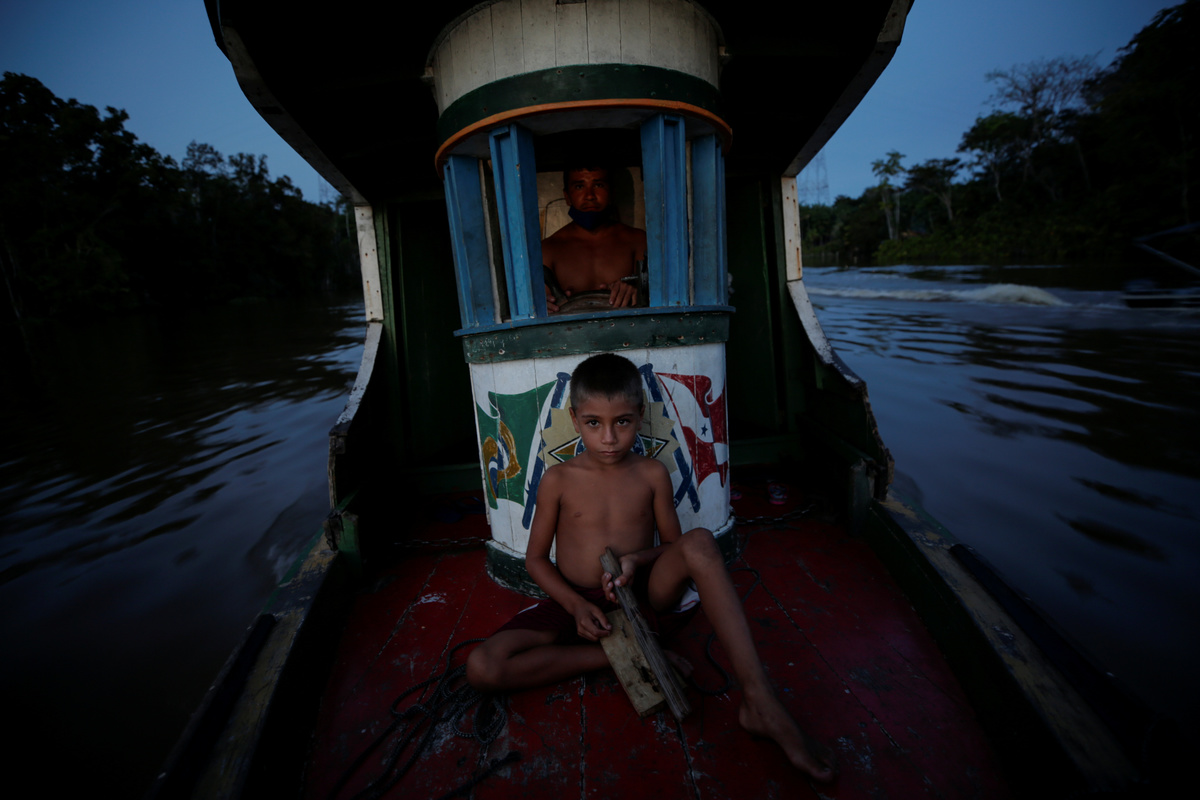
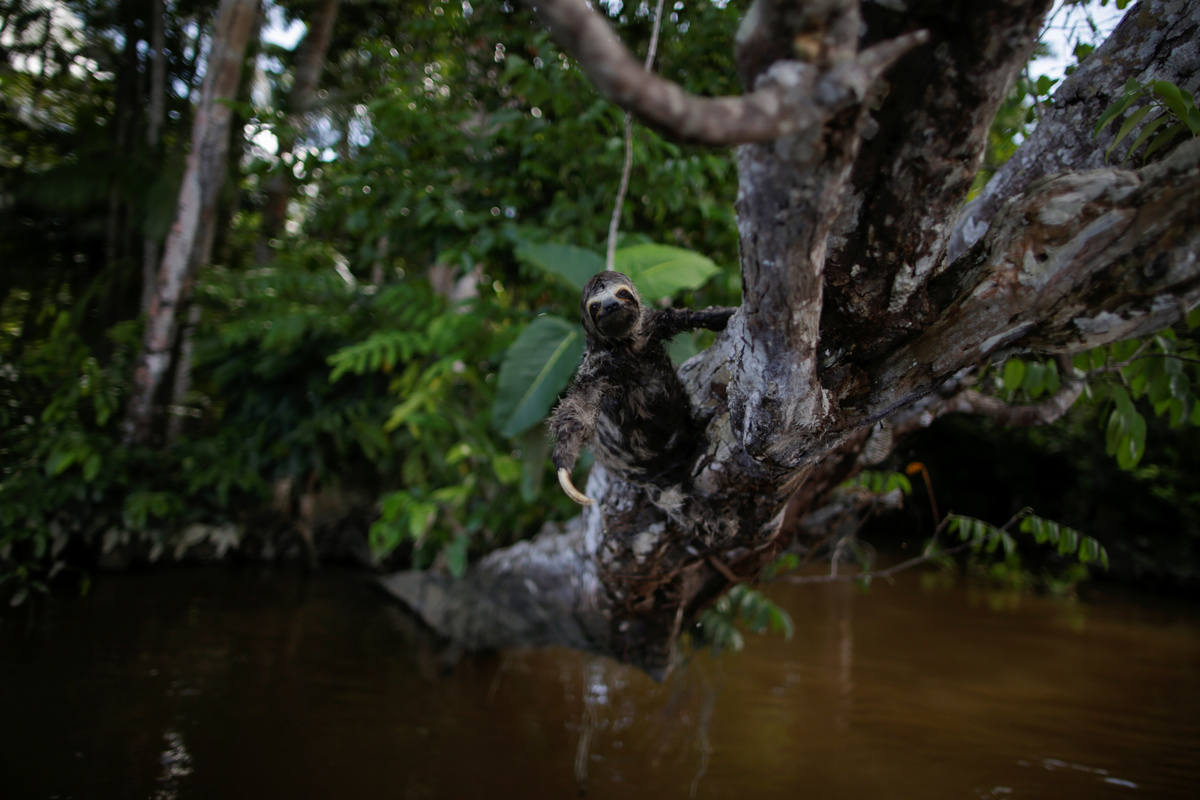
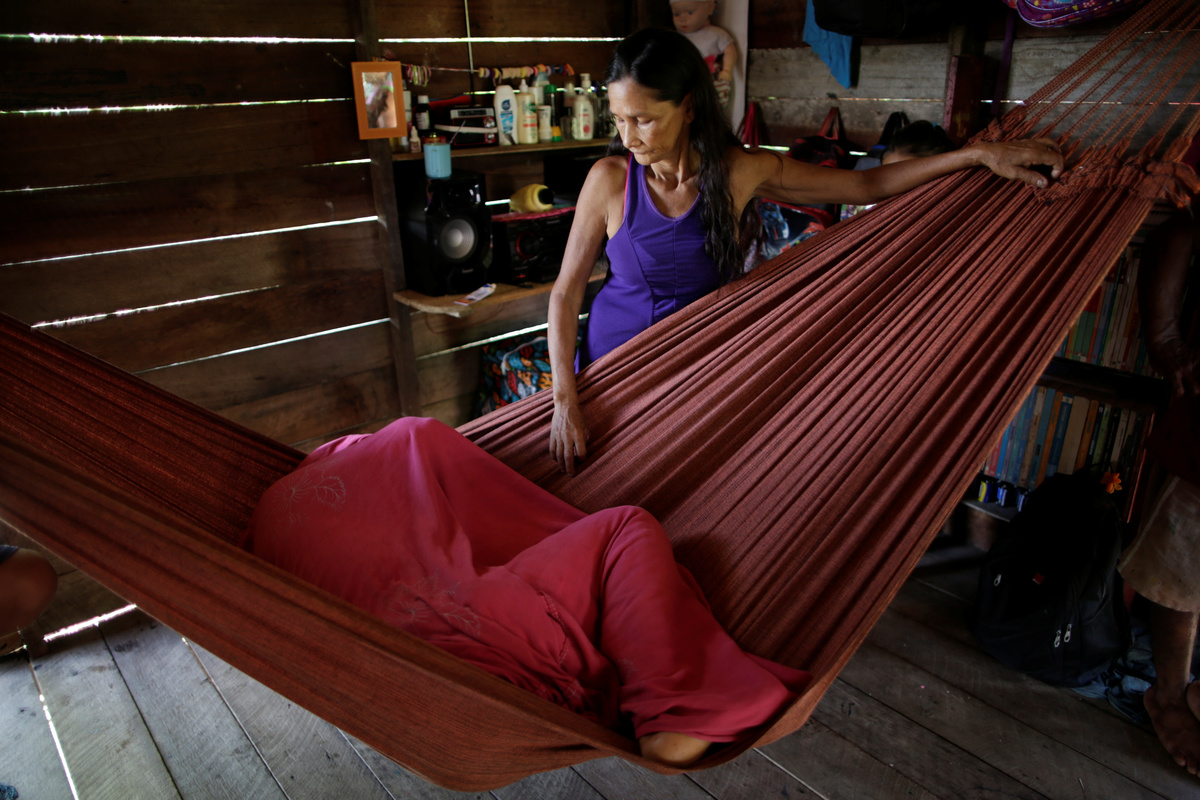
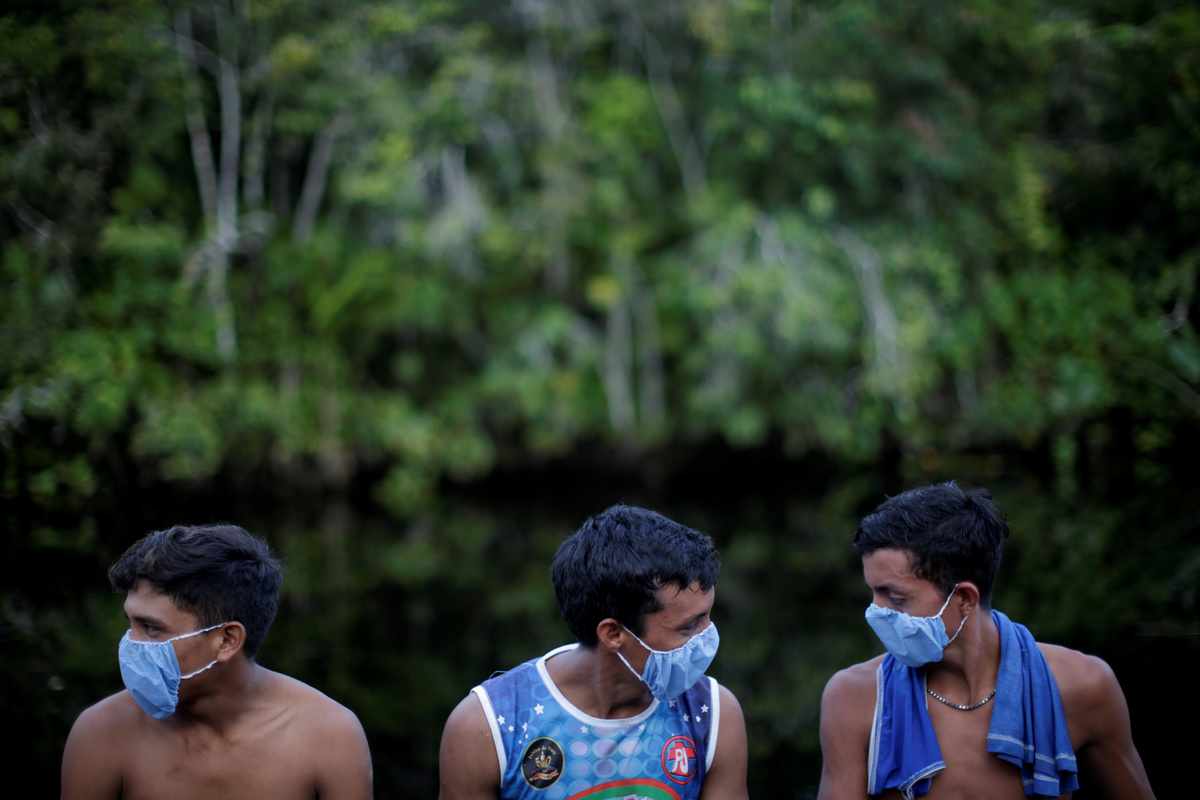
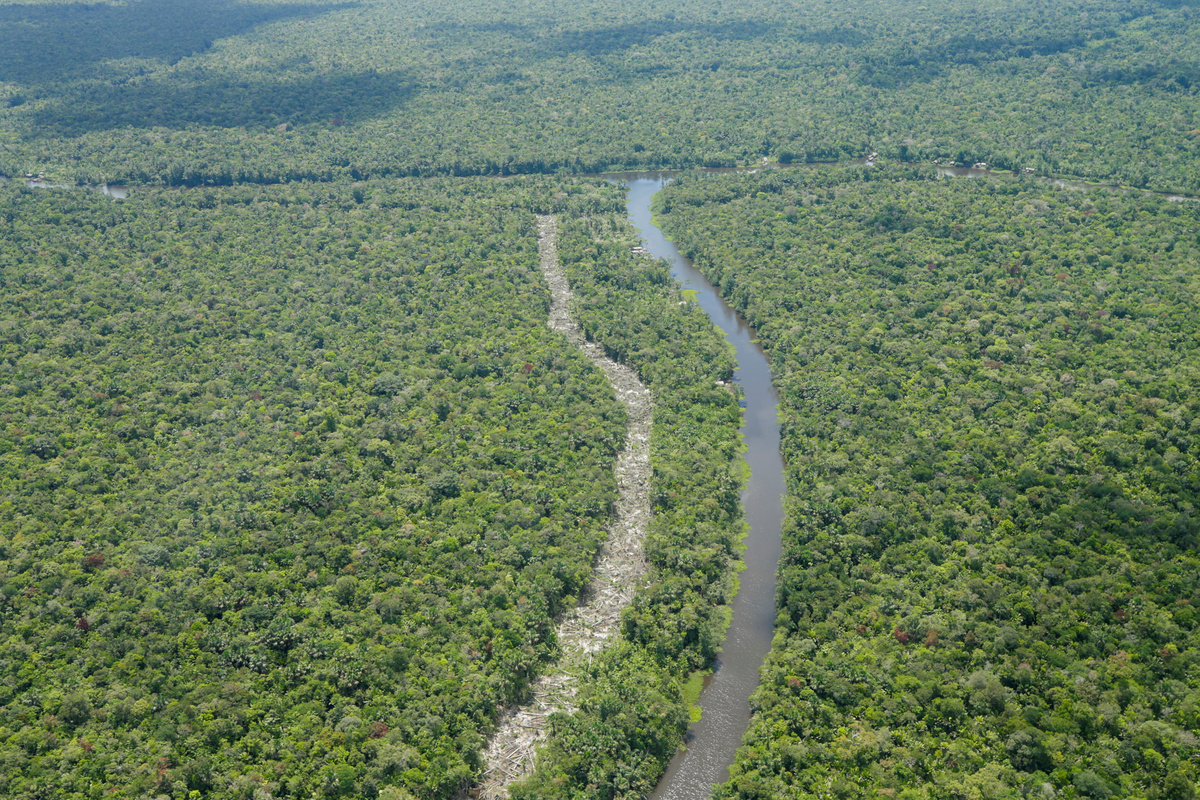
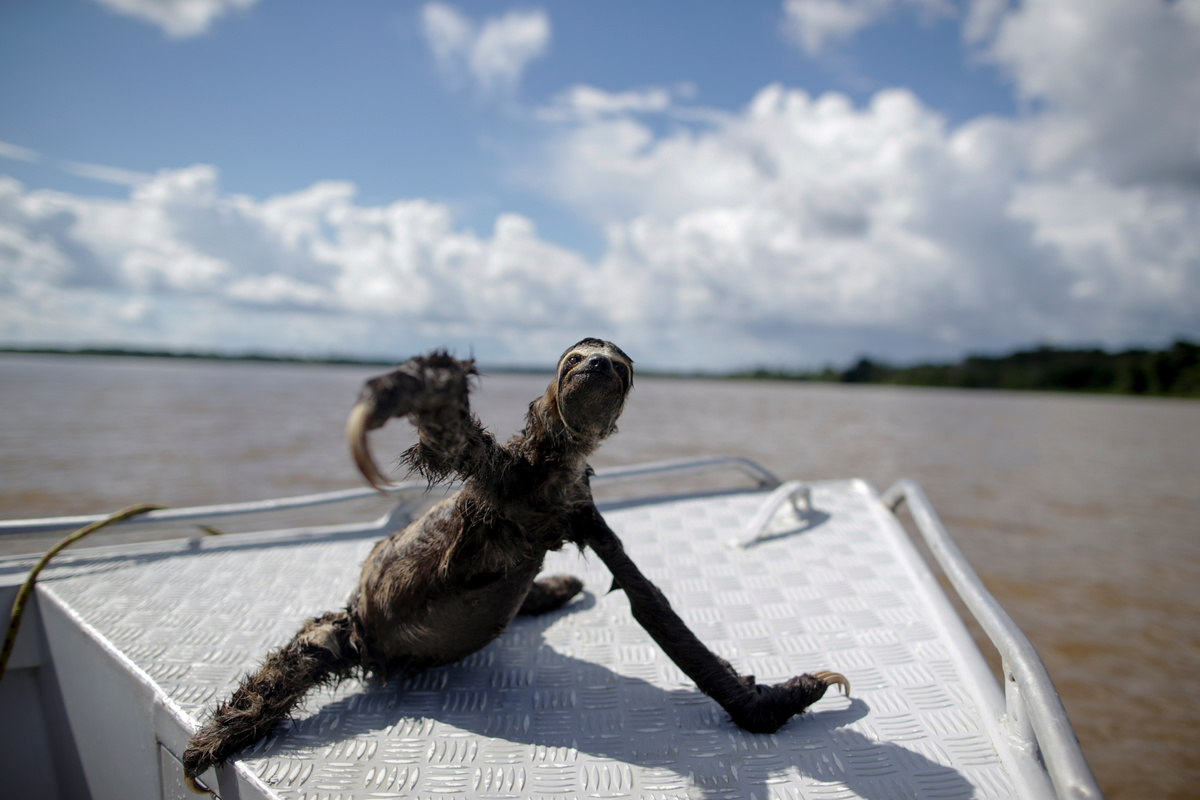
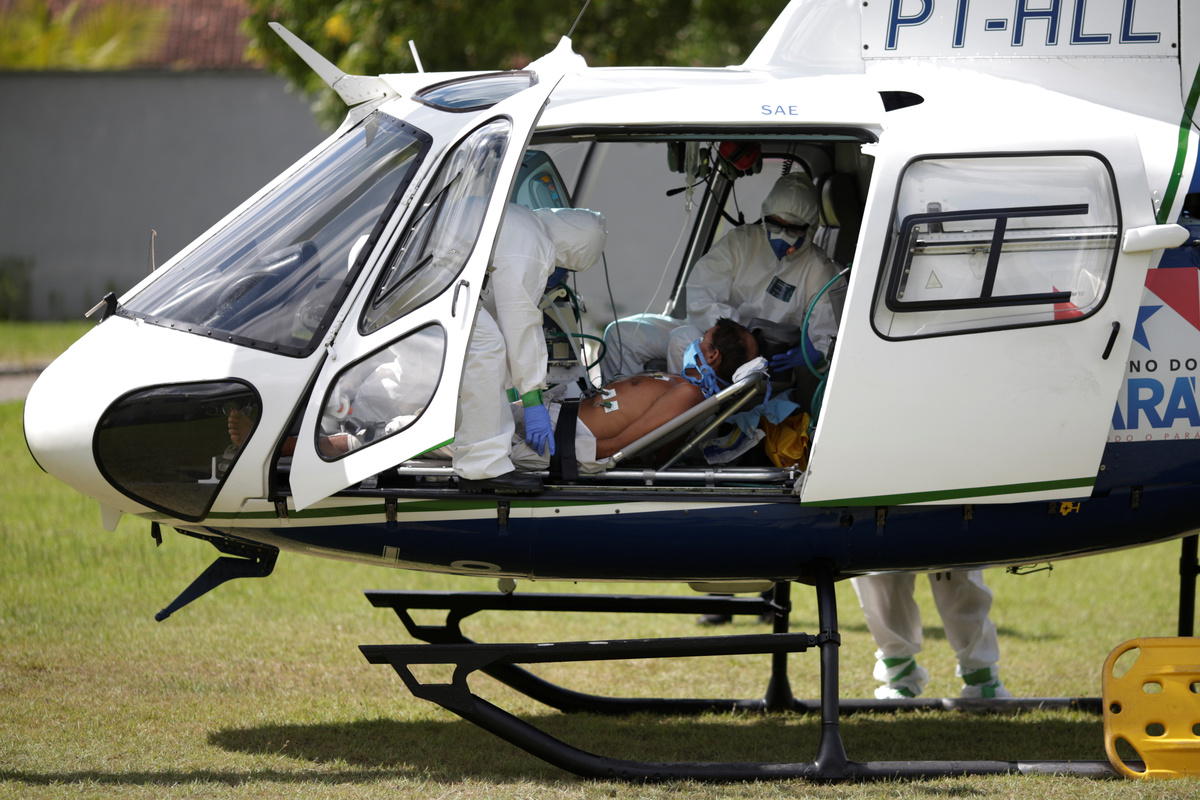
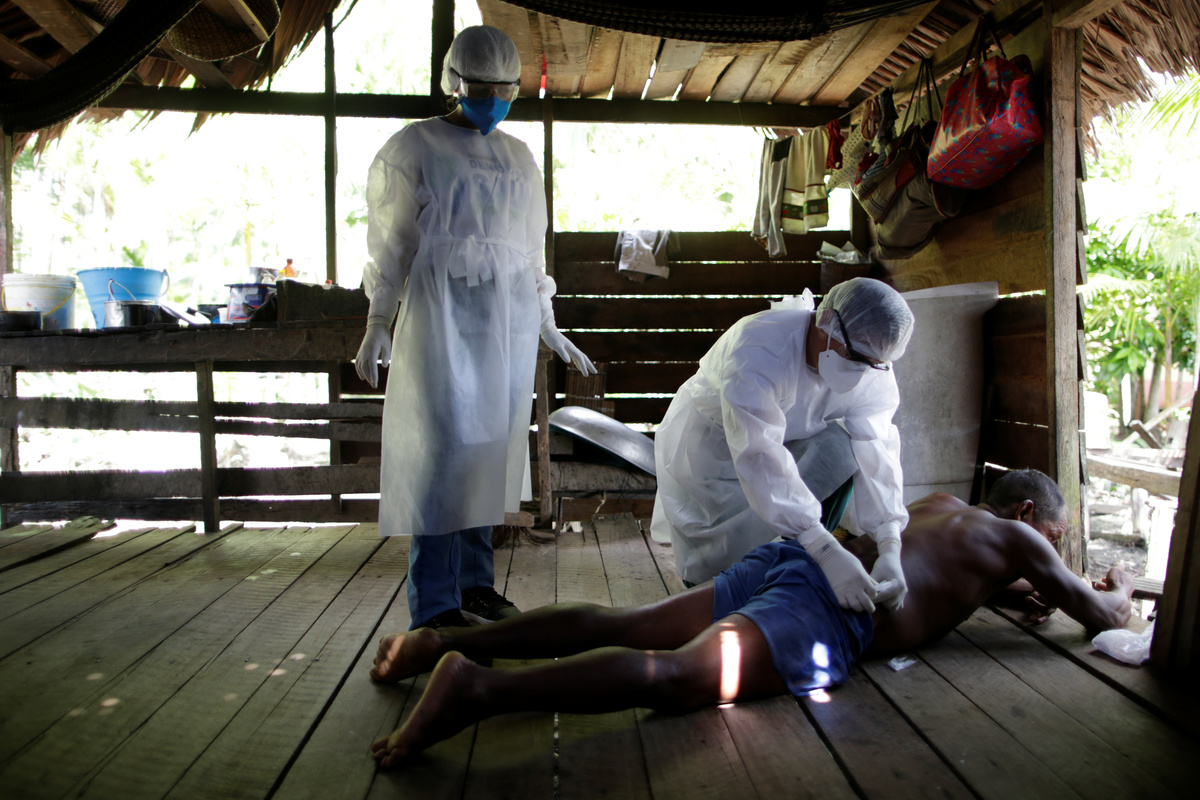
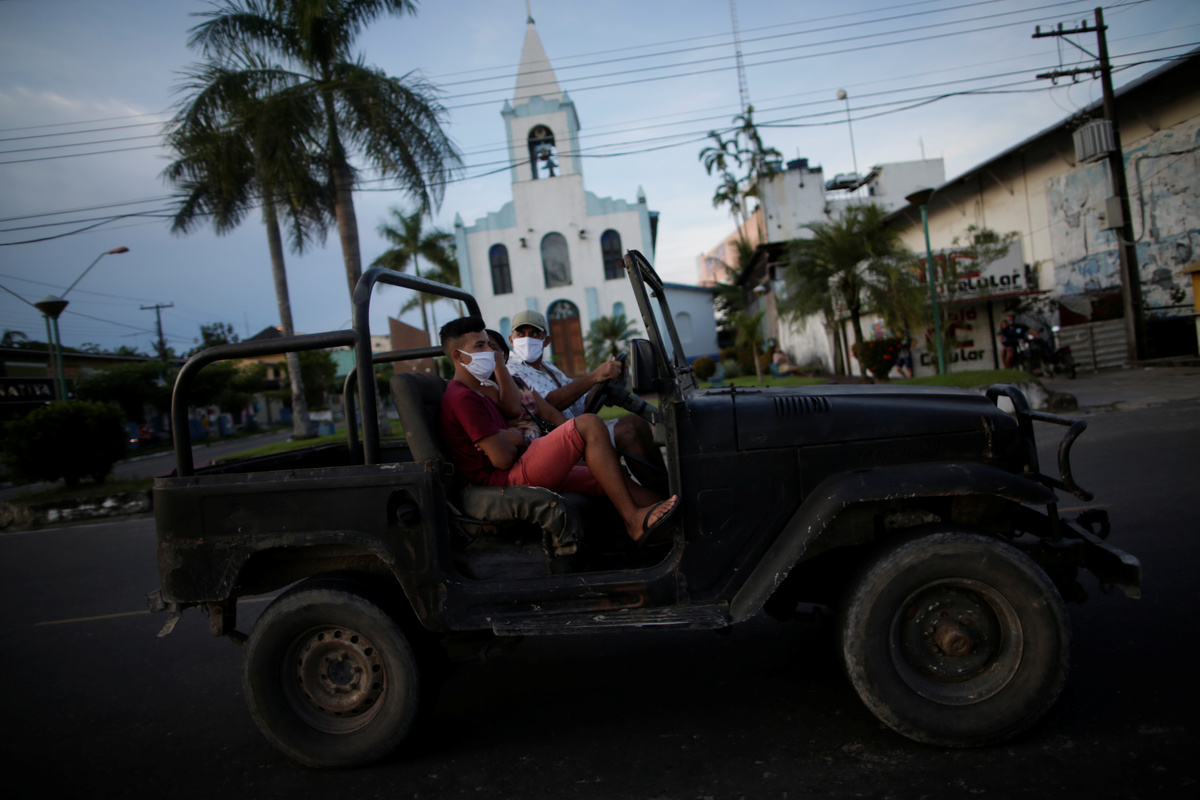
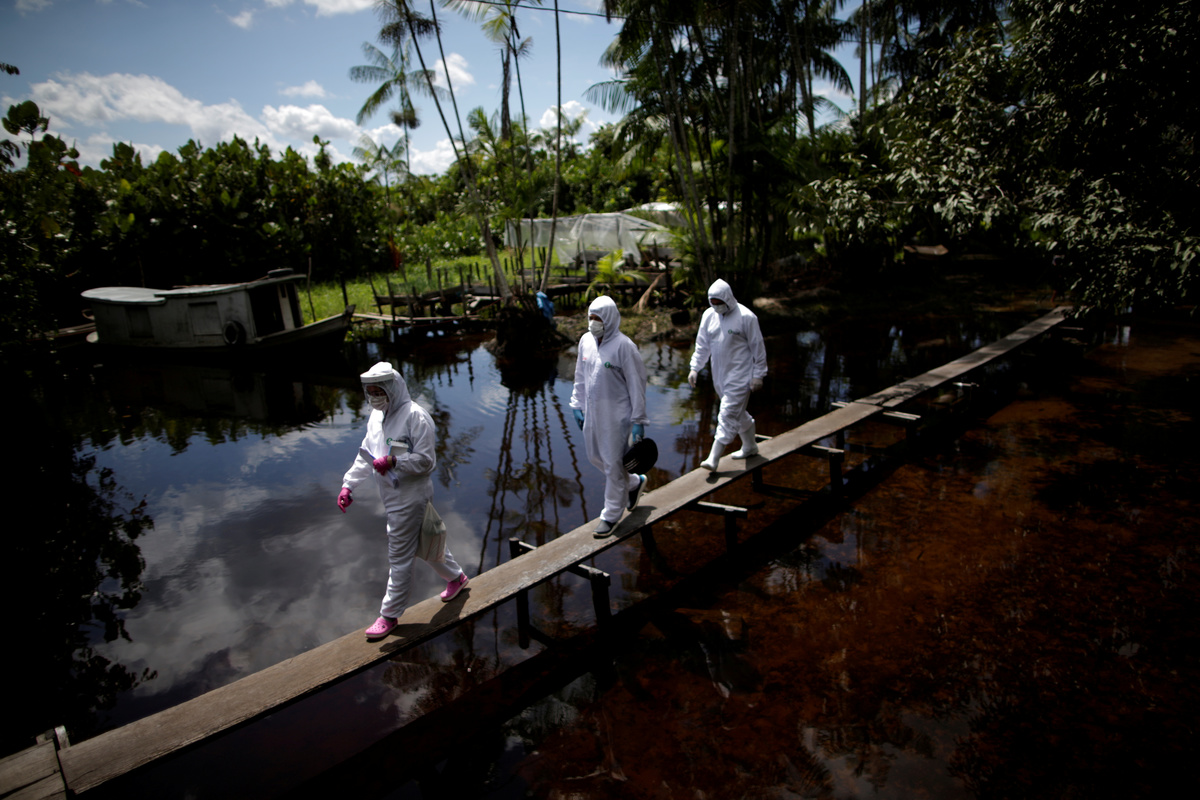
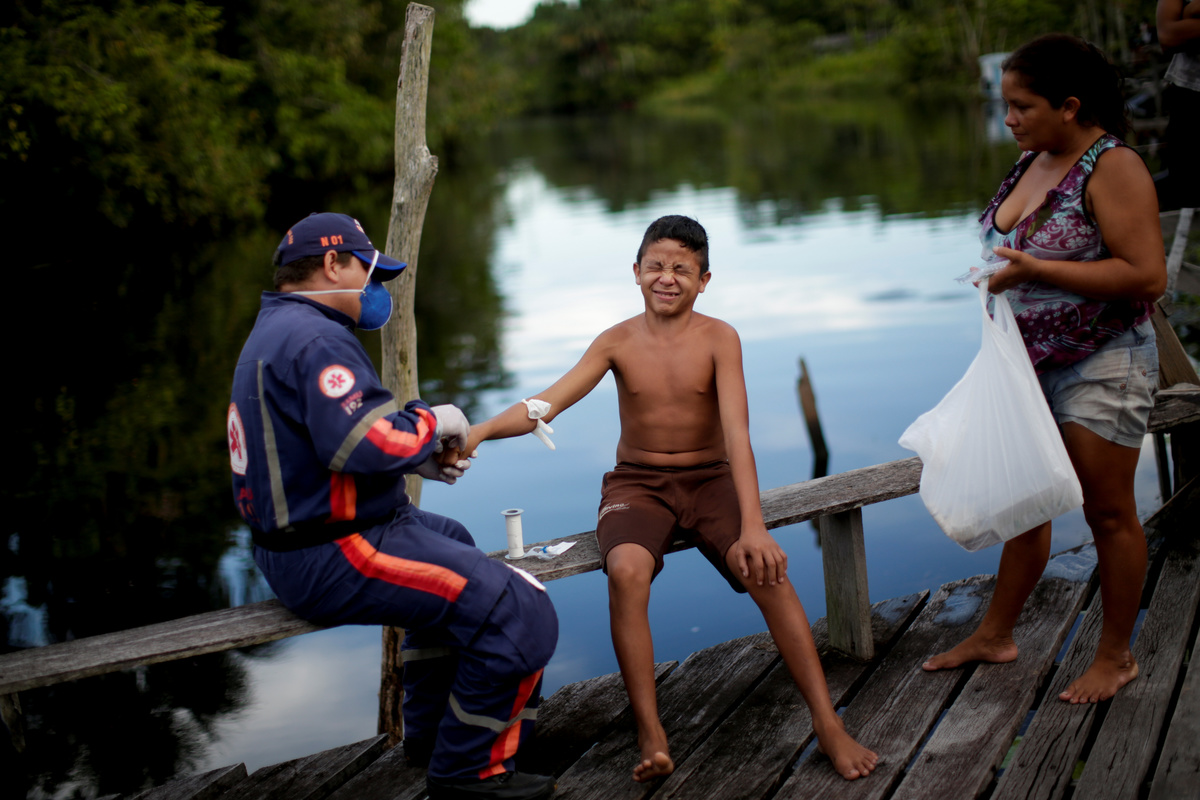
Dr Jorge Hernandez, 35, stands near Maria Angela, 56, who has tested positive for COVID-19, as healthcare workers carry her on a stretcher at the riverside community Menino de Deus where she lives, to be taken onto an ambulance boat to be transferred to hospital, as healthcare workers visit riverside communities to check on residents during the coronavirus disease (COVID-19) outbreak, in the municipality of Portel, on Marajo island, Para state, Brazil, June 13, 2020. REUTERS/Ueslei Marcelino Healthcare workers check Carmem Silva, 79, Benedeita Vieira Santos, 105 and Manuel Ferreira Santos, 96 at the riverside community Galileia where they live, as healthcare workers visit riverside communities to check on residents during the coronavirus disease (COVID-19) outbreak, in the municipality of Melgaco, on Marajo island, Para state, Brazil, June 4, 2020. REUTERS/Ueslei Marcelino A street cleaner disinfects a street wearing protective clothing (PPE), during the coronavirus disease (COVID-19) outbreak, in the municipality of Breves, on Marajo island, Para state, Brazil, June 3, 2020. REUTERS/Ueslei Marcelino A healthcare worker checks a man's temperature at the riverside community Pinheiro, as healthcare workers visit riverside communities to check on residents during the coronavirus disease (COVID-19) outbreak, in the municipality of Portel, on Marajo island, Para state, Brazil, June 13, 2020. REUTERS/Ueslei Marcelino A boy reacts as he watches healthcare workers treating his father, who had a piece of wood stuck inside of his foot, at the riverside community Galileia where they live, as healthcare workers visit riverside communities to check on residents during the coronavirus disease (COVID-19) outbreak, in the municipality of Melgaco, on Marajo island, Para state, Brazil, June 4, 2020. REUTERS/Ueslei Marcelino Paramedics treat a man who was injured in a boat accident on the river Parauau as they help to move him onto a boat to be transported to a Hospital, during the coronavirus disease (COVID-19) outbreak, in the municipality of Breves, Marajo island, Para state, Brazil, June 7, 2020. REUTERS/Ueslei Marcelino Jorge Silva, 35, an employee who works at Terra Santa Urns Factory, which manufactures coffins, buffs the wood of a coffin, during the coronavirus disease (COVID-19) outbreak, in the municipality of Breves, on Marajo island, Para state, Brazil, June 9, 2020. REUTERS/Ueslei Marcelino A gravedigger wears protective clothing (PPE) as he buries Edivaldo da Silva, 77, who died of COVID-19, at Recanto da Paz, a cemetery in the municipality of Breves, during the coronavirus disease (COVID-19) outbreak, on Marajo island, Para state, Brazil, June 7, 2020. REUTERS/Ueslei Marcelino Maria de Nazare 80, lies on a hammock as she is checked by Marilia Correa, 38, a nurse, at her home at the riverside community Pinheiro, as healthcare workers visit riverside communities to check on residents during the coronavirus disease (COVID-19) outbreak, in the municipality of Portel, at Marajo island, Para state, Brazil, June 6, 2020. REUTERS/Ueslei Marcelino A child looks through the window as the coffin holding Andrelina Bizerra da Silva, 49, who died on the way to a health clinic after she experienced days of suffering from shortness of breath and then fainted at her home, is left next to a burning candle during her wake, by the river Camaraipi where she lived, during the coronavirus disease (COVID-19) outbreak, in the municipality of Portel, on Marajo island, Para state, Brazil, June 10, 2020. REUTERS/Ueslei Marcelino Children sit by the entrance of their home at the riverside community Pinheiro, while healthcare workers visit riverside communities to check on residents during the coronavirus disease (COVID-19) outbreak, in the municipality of Portel, on Marajo island, Para state, Brazil, June 13, 2020. REUTERS/Ueslei Marcelino Maria de Jesus, 36, sits with her children in her home at the riverside community Galileia, as she reacts to being told by healthcare workers that she has tested positive for COVID-19, as healthcare workers visit riverside communities to check on residents during the coronavirus disease (COVID-19) outbreak, in the municipality of Melgaco, on Marajo island, Para state, Brazil, June 4, 2020. REUTERS/Ueslei Marcelino Amadeu Amaral, 7, sails with his father along the Parauau River, during the coronavirus disease (COVID-19) outbreak, in the municipality of Breves, Marajo island, Para state, Brazil, June 7, 2020. REUTERS/Ueslei Marcelino A three-toed sloth hangs from a tree near a house at the riverside community Sao Jose, during the coronavirus disease (COVID-19) outbreak, in the municipality of Melgaco, on Marajo island, Para state, Brazil, June 4, 2020. REUTERS/Ueslei Marcelino A man experiencing severe pain and symptoms of COVID-19, waits on a hammock for healthcare workers to transfer him from his house at the riverside community Galileia, to a hospital, during the coronavirus disease (COVID-19) outbreak, in the municipality of Melgaco, on Marajo island, Para state, Brazil, June 4, 2020. REUTERS/Ueslei Marcelino Men wear protective face masks as they sit outside at the riverside community Menino de Deus, as healthcare workers visit riverside communities to check on residents during the coronavirus disease (COVID-19) outbreak, in the municipality of Breves, Marajo island, Para state, Brazil, June 13, 2020. REUTERS/Ueslei Marcelino Houses stand along the river of the riverside community Santo Ezequiel Moreno, during the coronavirus disease (COVID-19) outbreak, in the municipality of Portel, on Marajo island, Para state, Brazil, June 5, 2020. REUTERS/Ueslei Marcelino An aerial view through an airplane window shows a deforested plot of land near a river as the aeroplane travels between the city of Belem and Breves, during the coronavirus disease (COVID-19) outbreak, on Marajo island, Para state, Brazil, June 3, 2020. REUTERS/Ueslei Marcelino Relatives of Andrelina Bizerra da Silva, 49, who died on the way to a health clinic after she experienced days of suffering from shortness of breath and then fainted at her home, carry the coffin holding her body off a boat, to be taken into her home before her wake, by the Camaraipi River where she lived, during the coronavirus disease (COVID-19) outbreak, in the municipality of Breves, Marajo island, Para state, Brazil, June 10, 2020. REUTERS/Ueslei Marcelino Relatives of Andrelina Bizerra da Silva, 49, who died on the way to a health clinic after she experienced days of suffering from shortness of breath and then fainted at her home, carry the coffin holding her body into her home before her wake, by the Camaraipi River where she lived, during the coronavirus disease (COVID-19) outbreak, in the municipality of Breves, Marajo island, Para state, Brazil, June 10, 2020. "To be honest, there are a lot of negative thoughts among us," said Felipe Costa Silva, Bizerra da Silva's nephew. "How long is this going to last for? How many people are going to die?" REUTERS/Ueslei Marcelino A three-toed sloth sits on a boat near the riverside community Sao Jose during the coronavirus disease (COVID-19) outbreak, in the municipality of Melgaco, on Marajo island, Para state, Brazil, June 4, 2020. REUTERS/Ueslei Marcelino Davi da Silva Alves, 39, who is a resident of a riverside community along of the Pacaja River, is treated by healthcare workers as he experiences COVID-19 symptoms while being transferred to a hospital on an ambulance helicopter, during the coronavirus disease (COVID-19) outbreak, in the municipality of Breves, Marajo island, Para state, Brazil, June 8, 2020. REUTERS/Ueslei Marcelino Healthcare workers treat a man who had a piece of wood stuck inside of his foot, at the riverside community Galileia, as healthcare workers visit riverside communities to check on residents during the coronavirus disease (COVID-19) outbreak, in the municipality of Melgaco, on Marajo island, Para state, Brazil, June 4, 2020. REUTERS/Ueslei Marcelino Healthcare workers move Valter da Silva, 51, who tested positive for COVID-19, onto a stretcher to be transferred to hospital from his home at the riverside community Pinheiro, as healthcare workers visit riverside communities to check on residents during the coronavirus disease (COVID-19) outbreak, in the municipality of Portel, Marajo island, Para state, Brazil, June 13, 2020. REUTERS/Ueslei Marcelino Acai berries and fish are left on a table at a home being visited by health care workers who are visiting riverside communities to check on residents during the coronavirus disease (COVID-19) outbreak, in the municipality of Melgaco, on Marajo island, Para state, Brazil, June 4, 2020. REUTERS/Ueslei Marcelino Shirley Moraes, 39, who tested positive for COVID-19, is transferred to a hospital on an ambulance boat from Melgaco to Breves, as healthcare workers visit riverside communities to check on residents during the coronavirus disease (COVID-19) outbreak, in the municipality of Breves, on Marajo island, Para state, Brazil, June 10, 2020. REUTERS/Ueslei Marcelino Men wearing protective face masks drive by in an open-top car during the coronavirus disease (COVID-19) outbreak, in the municipality of Breves, on Marajo island, Para state, Brazil, June 7, 2020. REUTERS/Ueslei Marcelino Healthcare workers Marilia Correa, 38, a nurse, Nizomar Monteiro, 38, a health secretary and Ademilton Valente, 34, a boat driver, walk along a bridge to access a house in the riverside community Pinheiro, as they visit riverside communities to check on residents during the coronavirus disease (COVID-19) outbreak, in the municipality of Portel, on Marajo island, Para state, Brazil, June 6, 2020. REUTERS/Ueslei MarcelinoA healthcare worker treats a child who has an infection, as his mother looks on, in front of their home at the riverside community Menino de Deus, as healthcare workers visit riverside communities to check on residents during the coronavirus disease (COVID-19) outbreak, in the municipality of Portel, on Marajo island, Para state, Brazil, June 13, 2020. REUTERS/Ueslei Marcelino
Sign up to read this article
Read news from 100’s of titles, curated specifically for you.