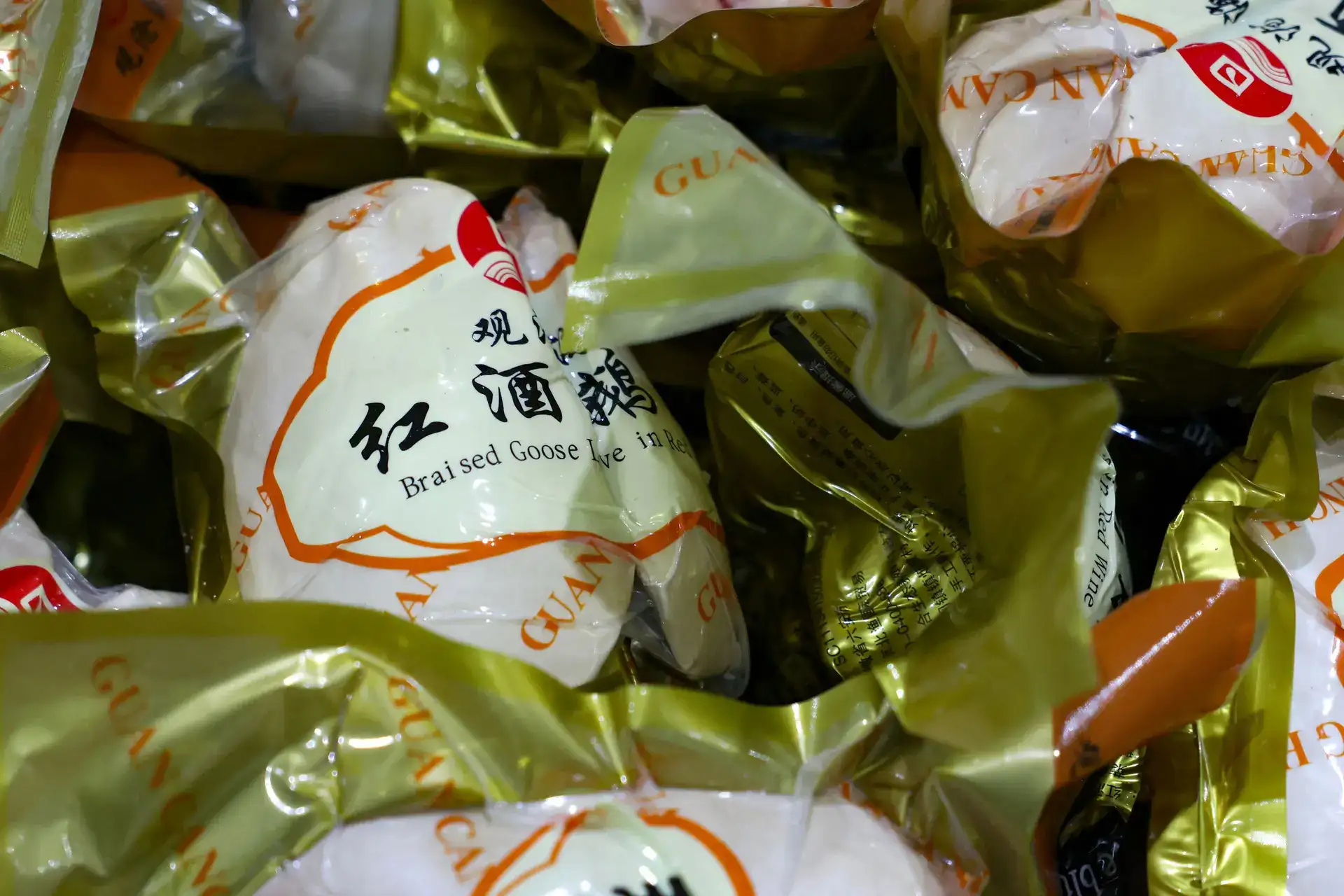
Li Fengshan grew up so poor he could only afford one meal a day. Today, the 50-year-old drives a white Maserati SUV, funded by ballooning foie gras profits from his geese farm in eastern China.
Over the last 10 years in China, foie gras - the fattened livers of force-fed ducks or geese - has gone from a high-end delicacy to a popular affordable product, spurring farmers like Li to become even more ambitious.
His company, Changhao Biotechnology - a mid-sized foie gras producer - made 300 metric tons last year and is planning a big jump to 500 tons this year. The average French producer, by contrast, makes around 10 tons a year.
While impediments to exports - not least China's own customs rules - abound, Li has started to tiptoe into overseas markets, shipping 6,000 cans to Dubai last year.
China's massive surge in output, much cheaper costs and pricing as well as increasing demand worldwide for the product mean it's only a matter of time before exports grow, domestic farmers say.
"Our foie gras agricultural products will eventually end up on numerous overseas tables. It's inevitable," said Li.