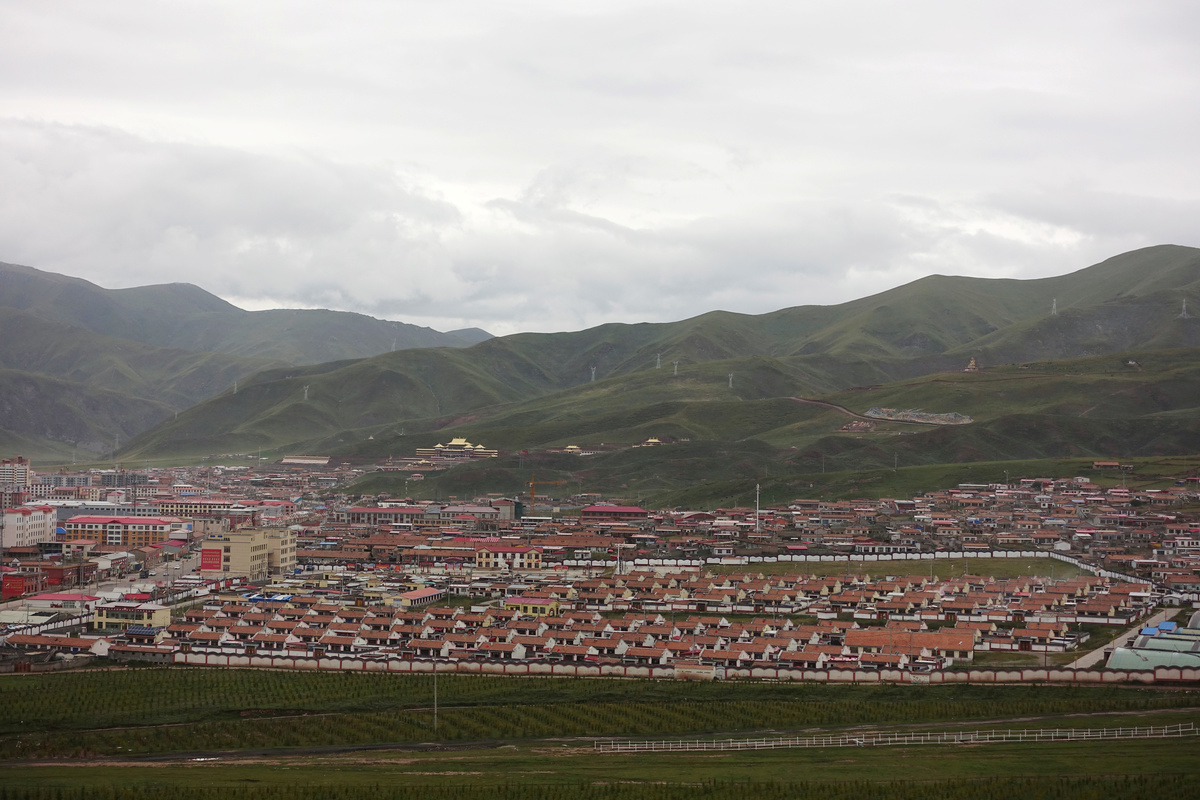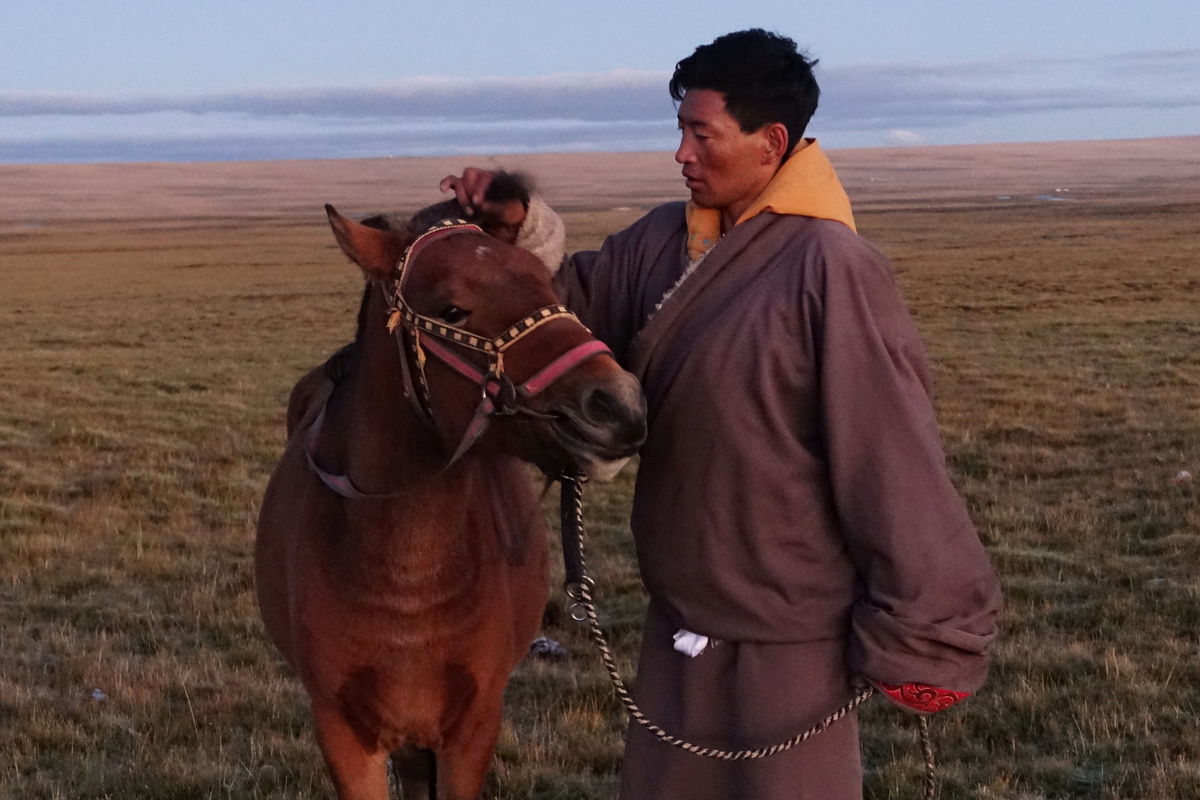
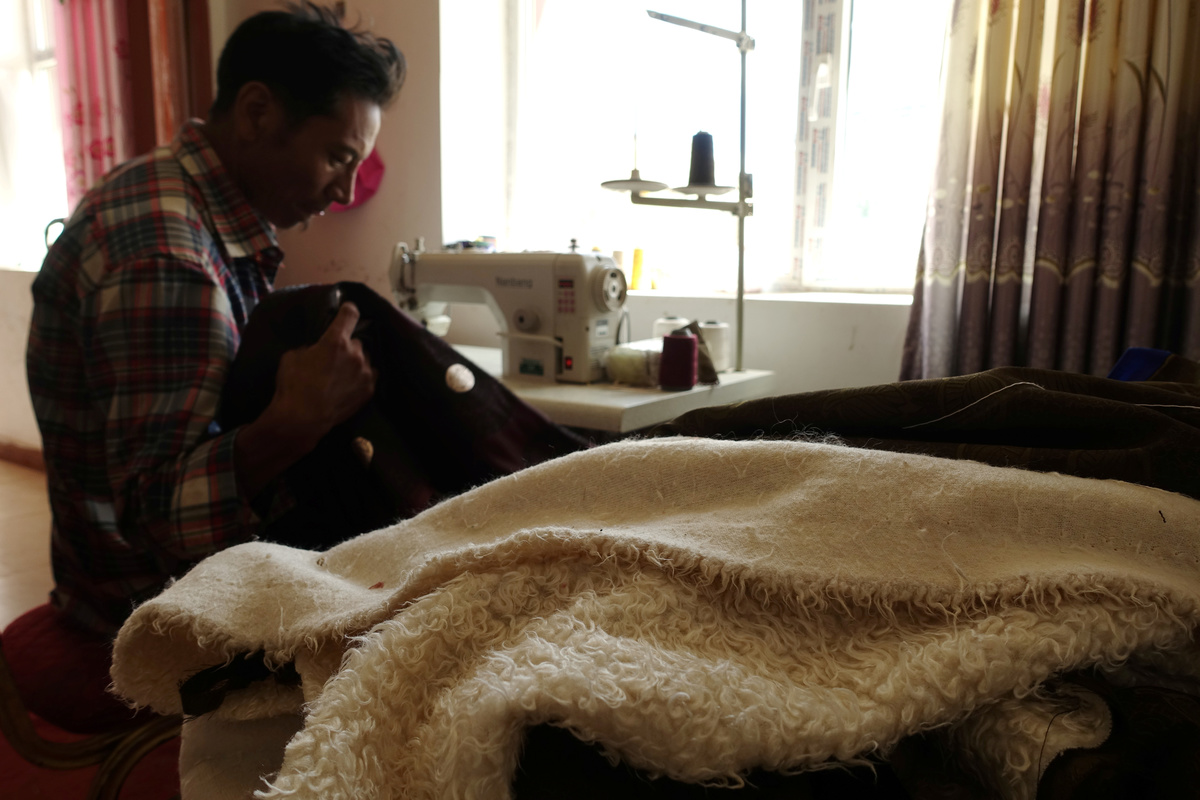
MADOI, China (Reuters) - Former nomad Yanglo spent his youth tending yaks and sheep in the highlands of China's Qinghai province, but the Tibetan is now often found huddled over a sewing machine in his modest brick home around 160 kilometers (100 miles) away stitching sheepskin coats.
The 45-year-old was among tens of thousands of Tibetan nomads who resettled in rural townships in the early 2000s, wooed by financial compensation from a Chinese government keen to pull the region back from ecological disaster.
Yanglo, who makes traditional Tibetan clothing to supplement his income as a park ranger in the upper Yellow River basin, is a model resettler.
"I am used to it now, and I don't plan to return to the grasslands," Yanglo told Reuters as he worked at his electric sewing machine in a resettlement village on the outskirts of Madoi county, around 2,000 kilometers from Beijing.
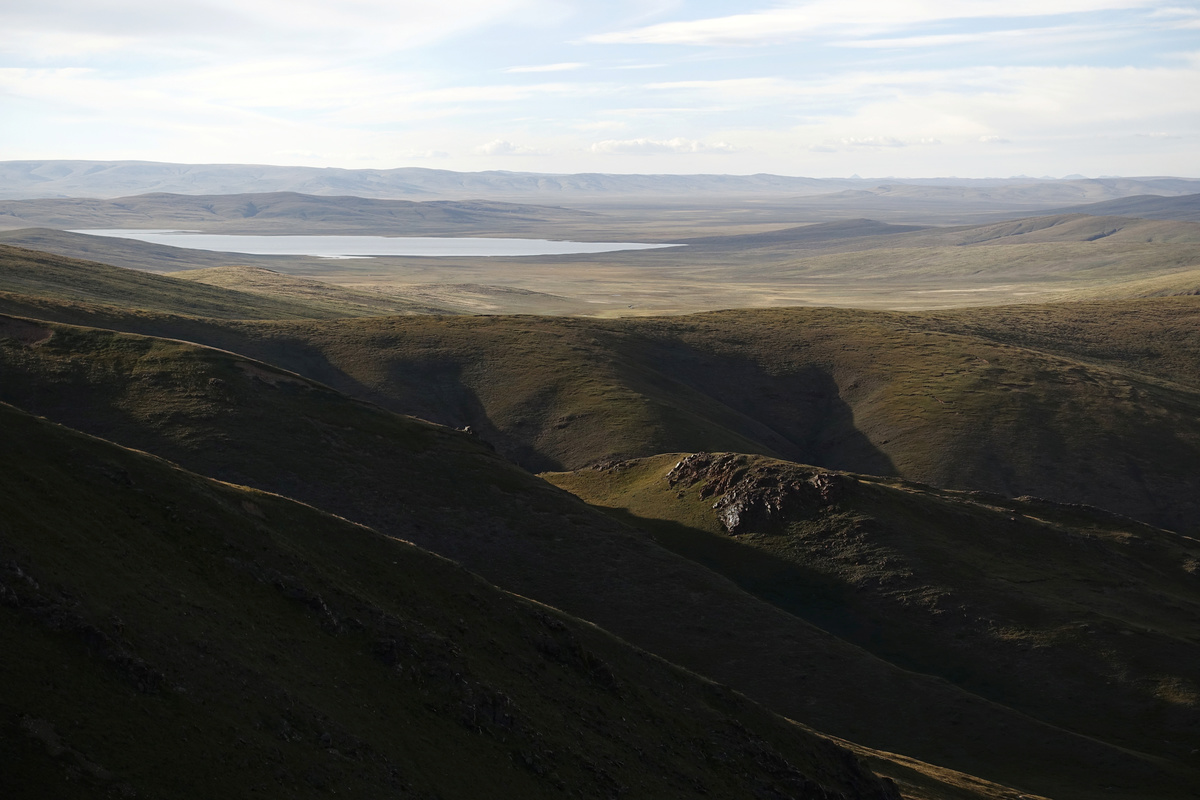
That is fortunate for Yanglo, as the government plans to declare a 123,100-square kilometer area of alpine grasslands, wetlands and lakes - roughly equivalent in size to England - as a national park by the end of next year. That will officially block him and many other migrants from ever returning to their former pastoral life.
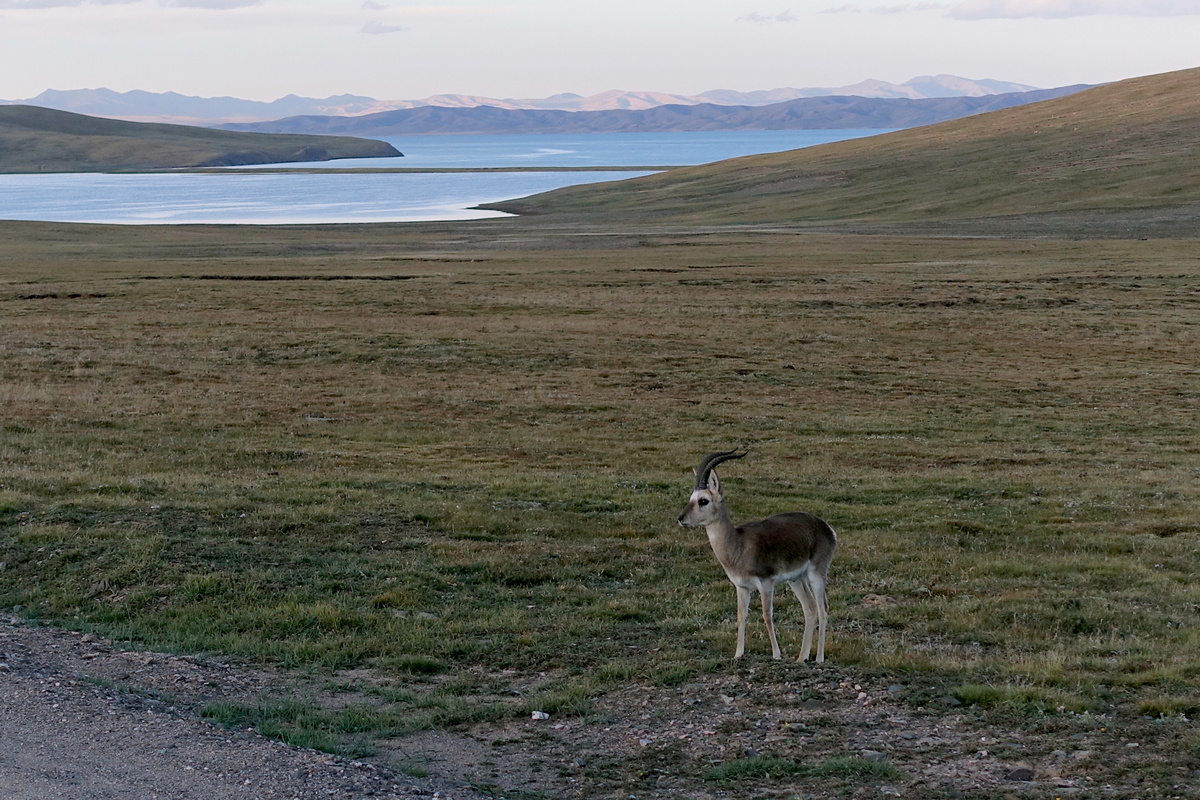
China says the relocations have been key to saving the grasslands and helping Tibetans escape from poverty, but there is international concern the drive is coming at too high a cost, including the loss of cultural traditions and communities.
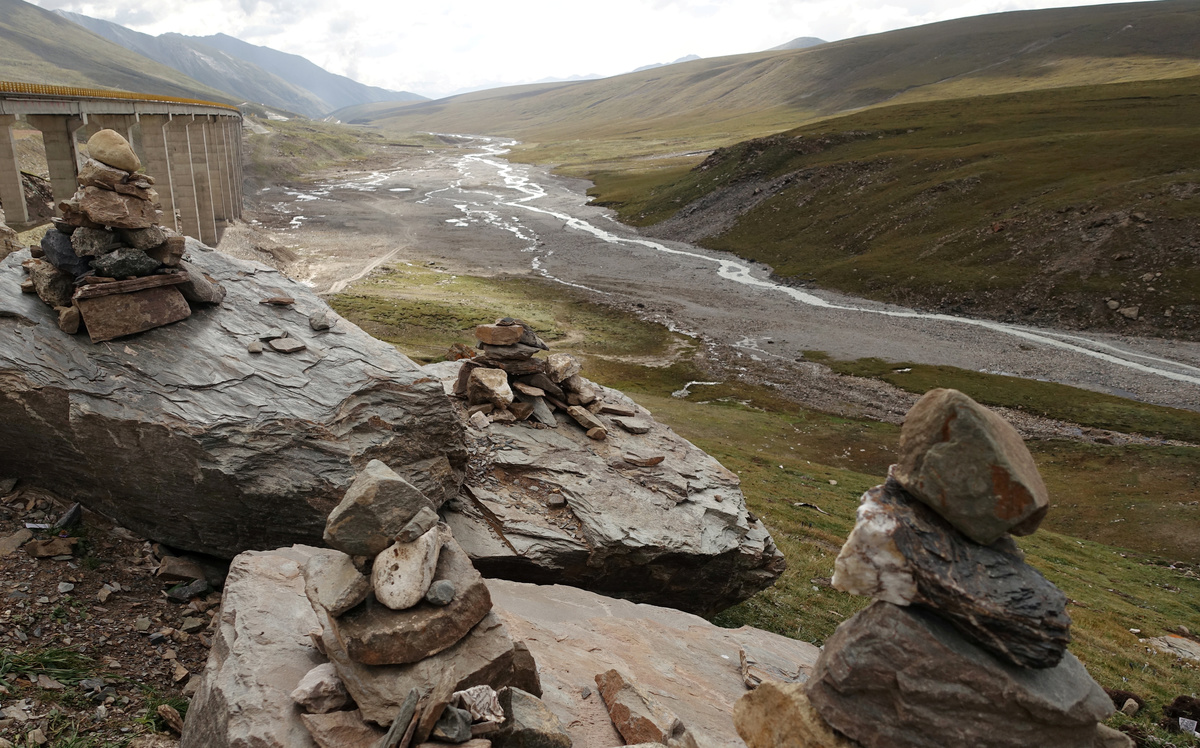
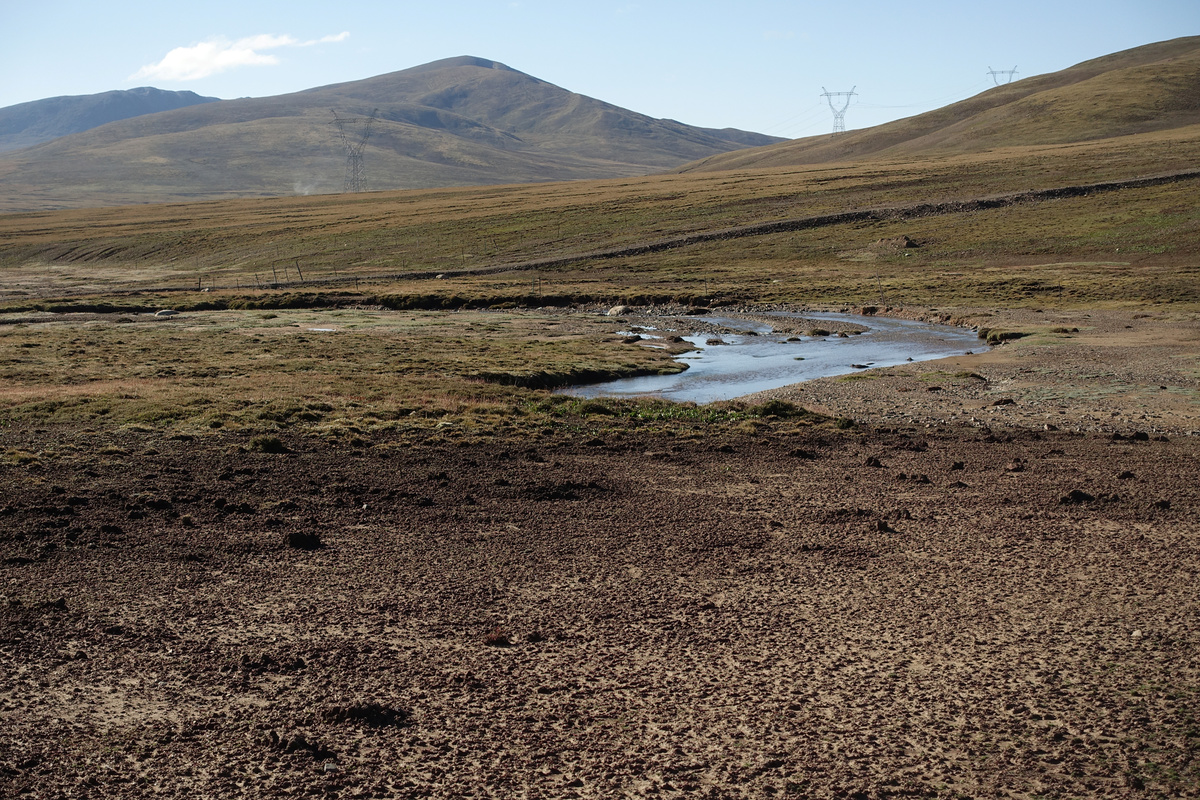
The government was spurred into action at the turn of the century when the upper course of the Yellow River began drying up, depleted by agriculture, industrialization and mining. The 5,464-kilometre (3,395-mile) river even failed to reach the sea in some years.
Blaming global warming and overgrazing, China turned the upper basins of the Yangtze, Lancang (Mekong) and Yellow River into a nature reserve known as Sanjiangyuan. The government has invested more than 18 billion yuan ($2.53 billion) in conserving the local ecology since 2005, and plans to further invest 900 million yuan this year.
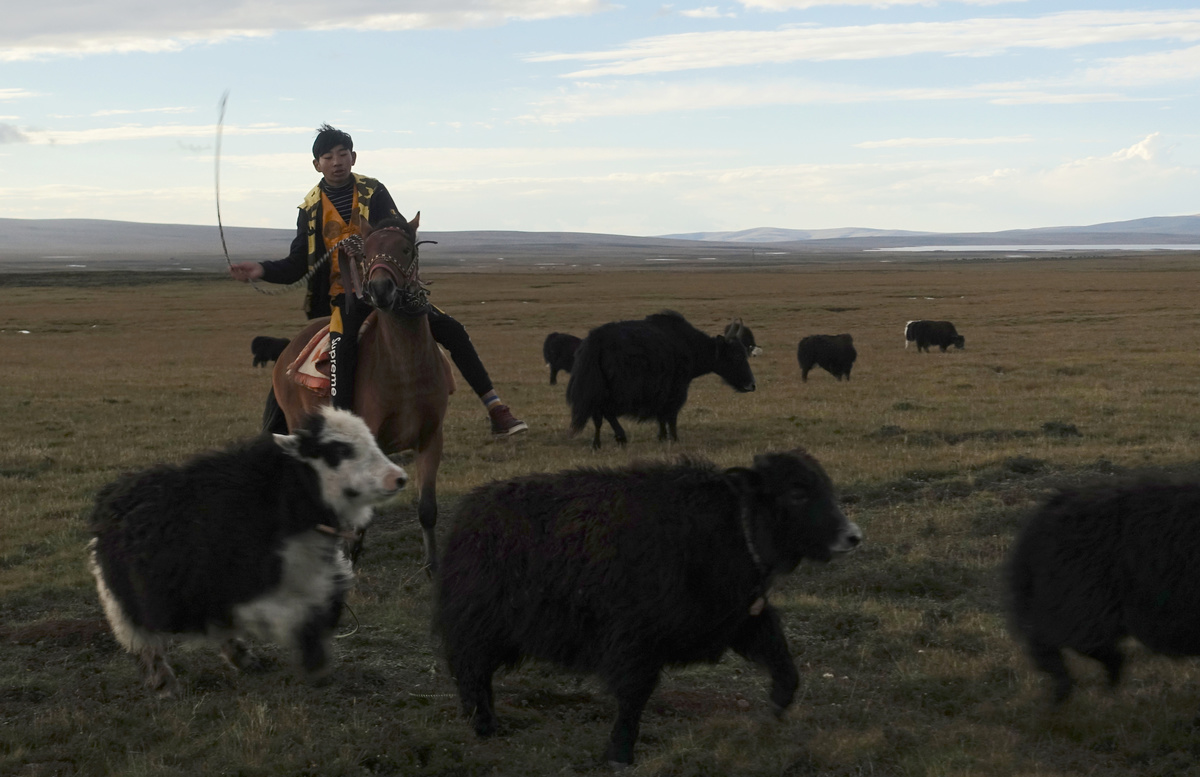
The government gave families who were willing to move from the area tens of thousands of yuan each in one-off compensation payments and thousands more yuan in recurring subsidies for grain and fuel. Almost 100,000 Tibetans have shifted to towns since 2005, according to state media.
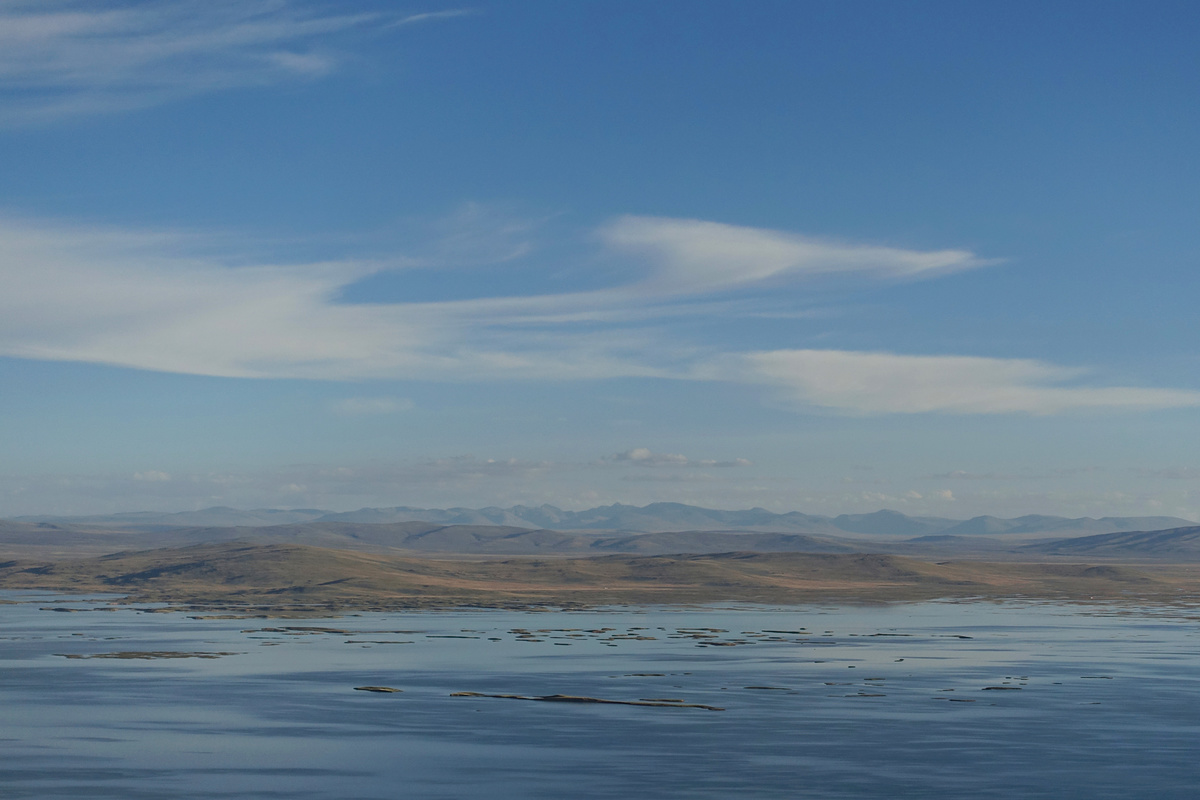
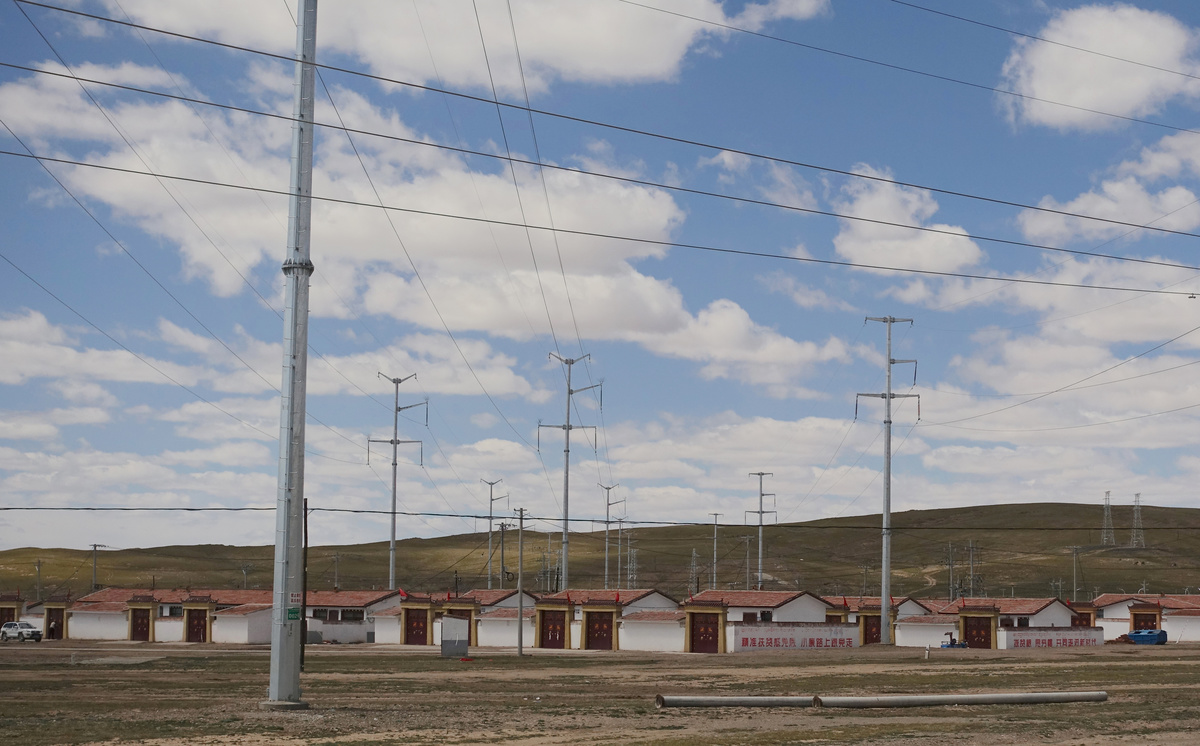
Yanglo, who like some Tibetans goes by one name, left his home on the shores of Gyaring and Ngoring, a pair of high-altitude lakes near the headwaters of the Yellow River, in 2003. Last year, he was given a brick house with a walled yard in a specially built village of about 1,000 homes.
LOST IDENTITY
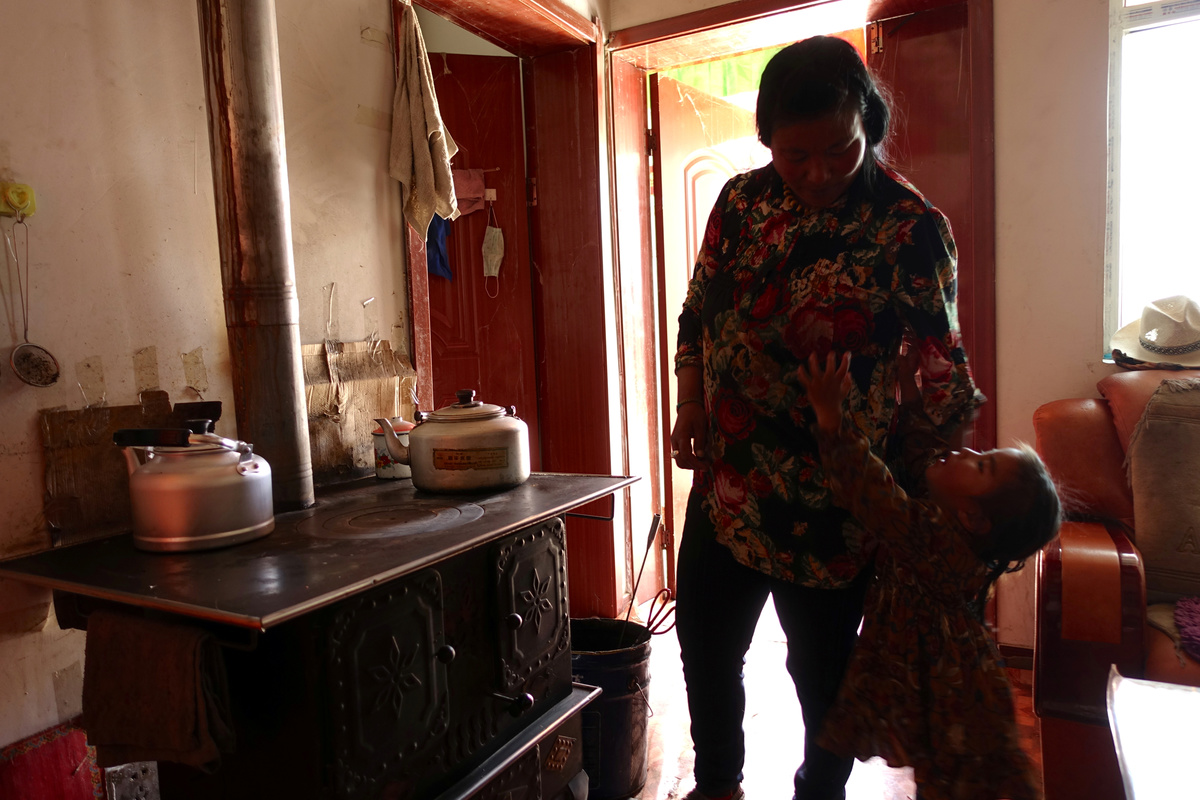
There is little in Yanglo's home to remind his family of their nomadic past. His three children were all born after he had left the grasslands.
"My children are too young to know the difference, so I've borrowed a few yaks and let my children milk them," said Yanglo, speaking in Tibetan. "At least they can be near the animals."
But his biggest wish is for his children "to get a better education and acquire some culture" by assimilating further.
Ironically, that is what some human rights groups are worried about, fearing permanent mass migration will end a unique way of life.
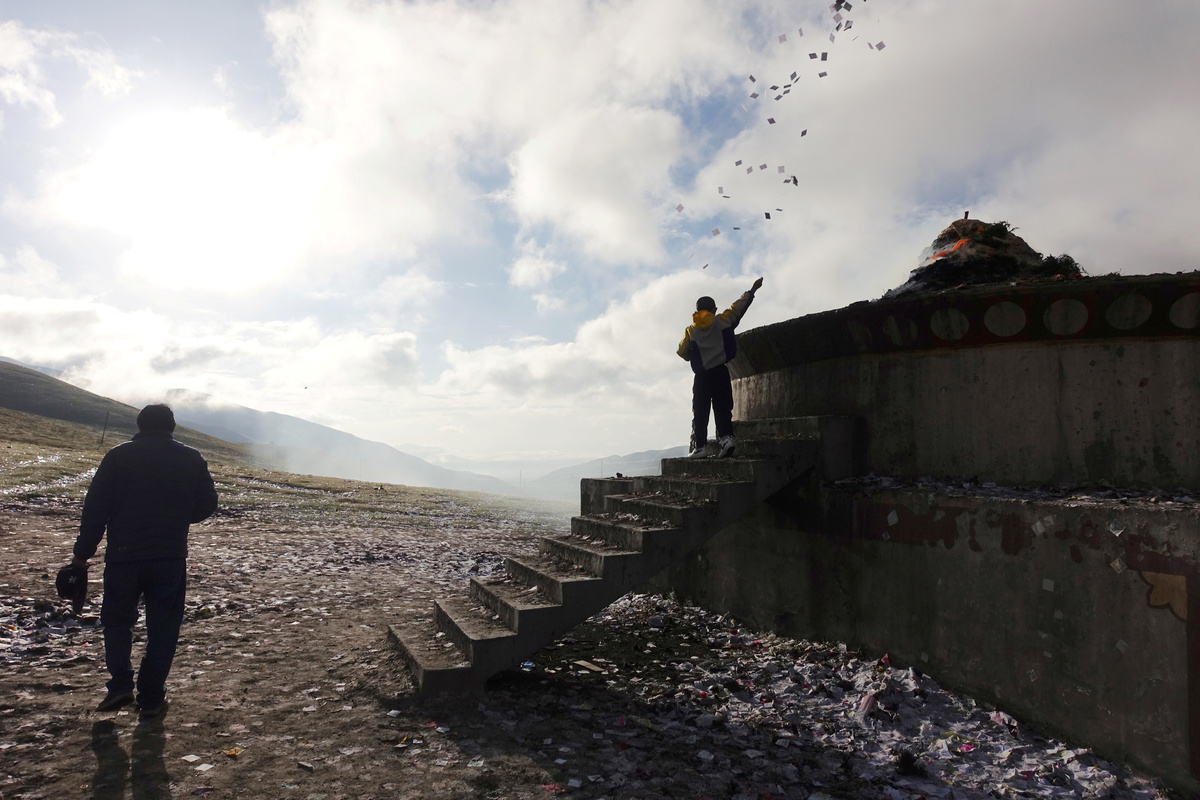
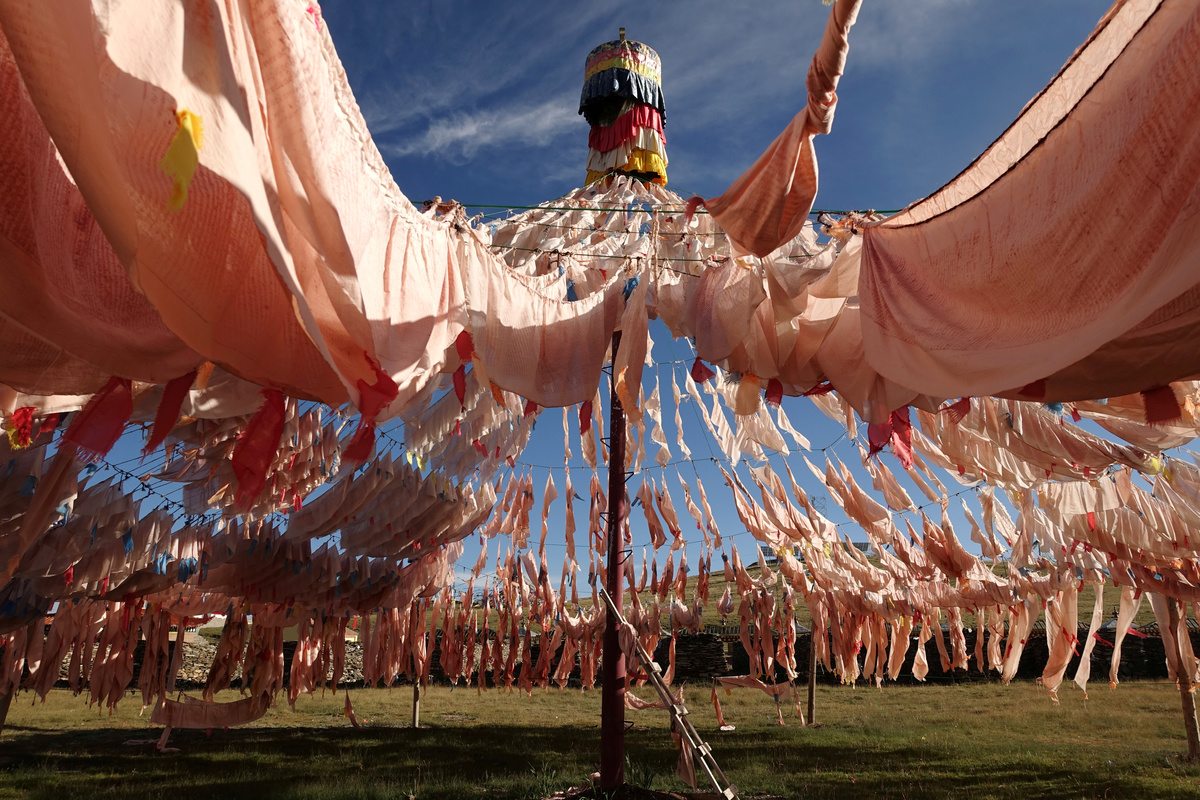
For Tibetans, the natural world is more than a source of corporeal sustenance. It is also a spiritual landscape inhabited by deities and demons that demand respect and sacrifice.
Sonam Dargyal, who grew up in Lancang before becoming a physician in Yushu county, south of Madoi, has spent years collecting Tibetan folk tales, from stories of why a rock formation resembles a Buddha's head to flying lamas with magical powers.
"If we don't pass down these stories, future generations will have no knowledge of them," he said. "Our folklore and our traditions will then be truly lost."
Others warn that the inability of many of the nomads to adapt to life in the townships effectively leaves them in no-man's land, culturally and socially, with many unable to communicate in Chinese and lacking skills to widen their employment horizons.
"In the grasslands, they are free and they are self-assured," said Meng Xiangjing, a professor in population and development studies at Renmin University in Beijing.
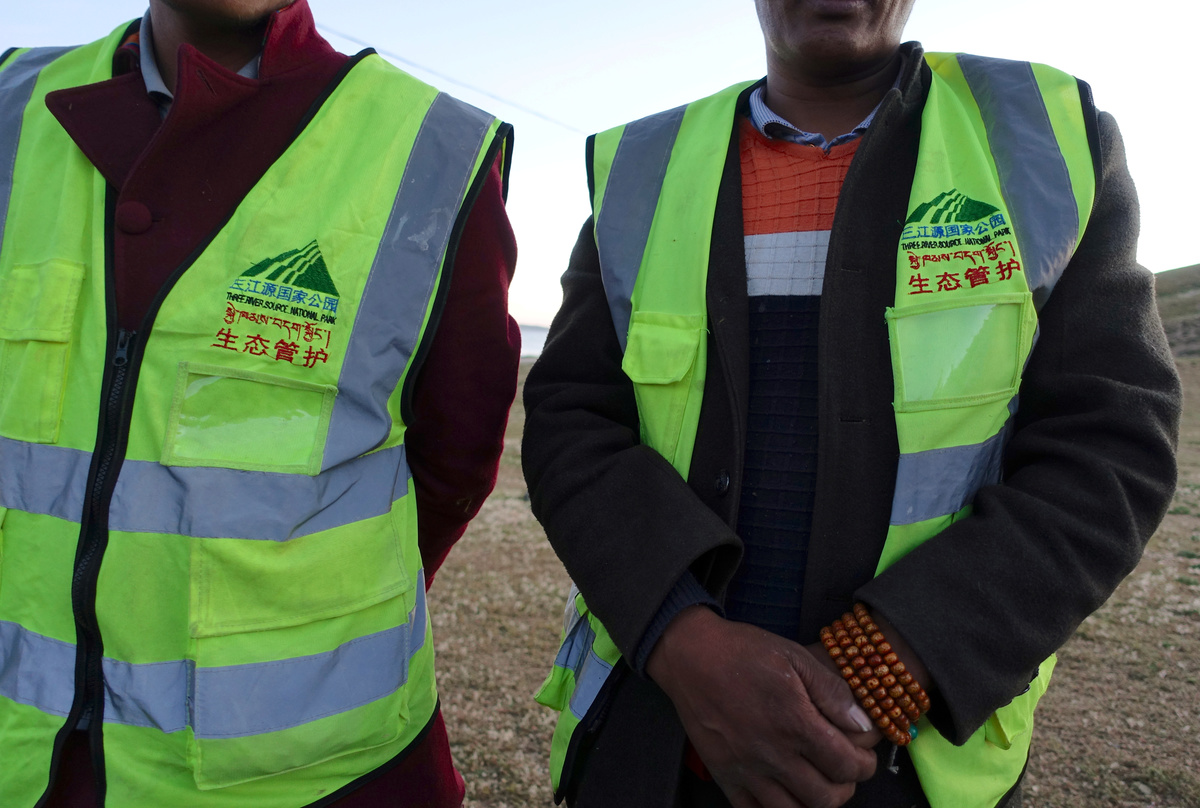
To generate stable income, nomads are encouraged to explore work in areas such as scientific monitoring and ecological protection, as well as rural tourism and traditional handicraft production, the administration bureau of the Sanjiangyuan National Park said in a faxed statement.
"In principle, there is no large-scale relocation of nomads," the administration bureau of the Sanjiangyuan National Park told Reuters. "We respect the will of the herders and guide them to relocate voluntarily."
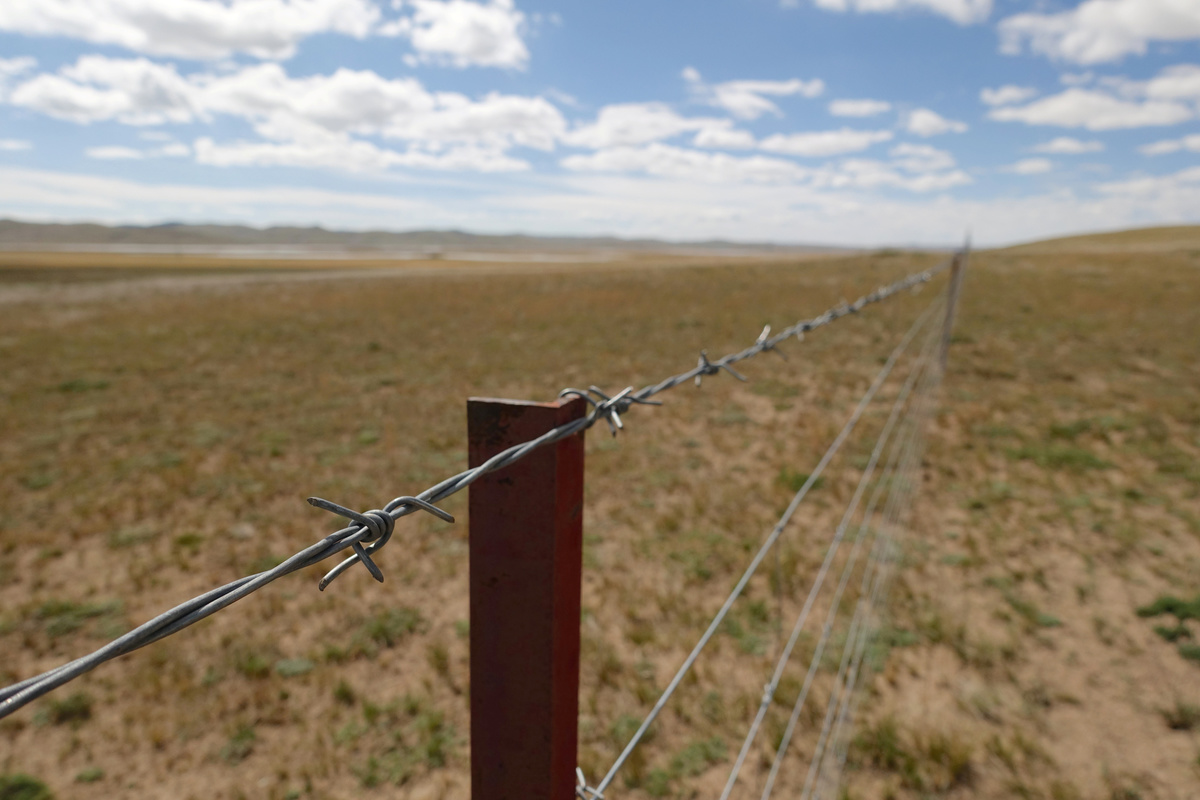
Yet the creation of the national park effectively closes the door to return for anyone who lived within designated core zones, which comprise 75% of the park, where human activity will be restricted and livestock herding banned.
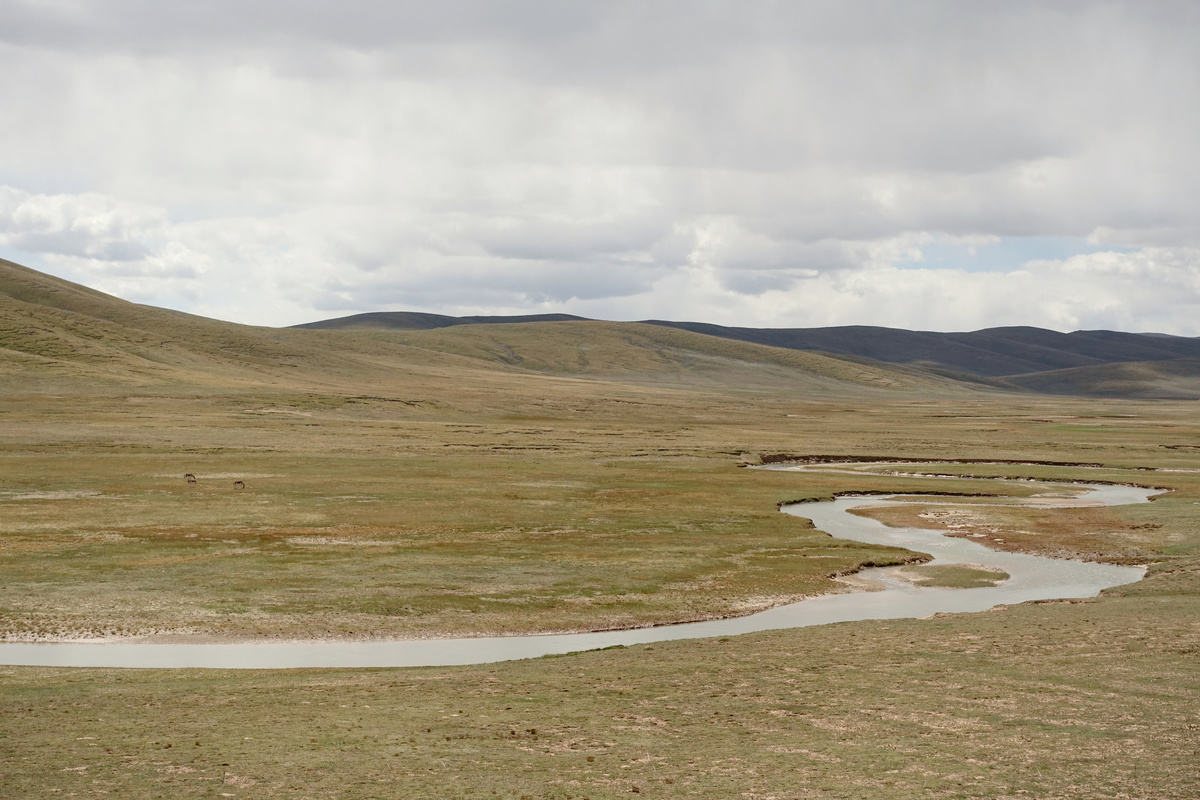
Some herding families still reside in the core zones, according to some Tibetans whom Reuters spoke to in the area, but they were unable to say whether or not the nomads are in the process of resettlement ahead of the 2020 opening of the national park. The park's administration bureau did not respond to a question about whether families remained in the core zones.
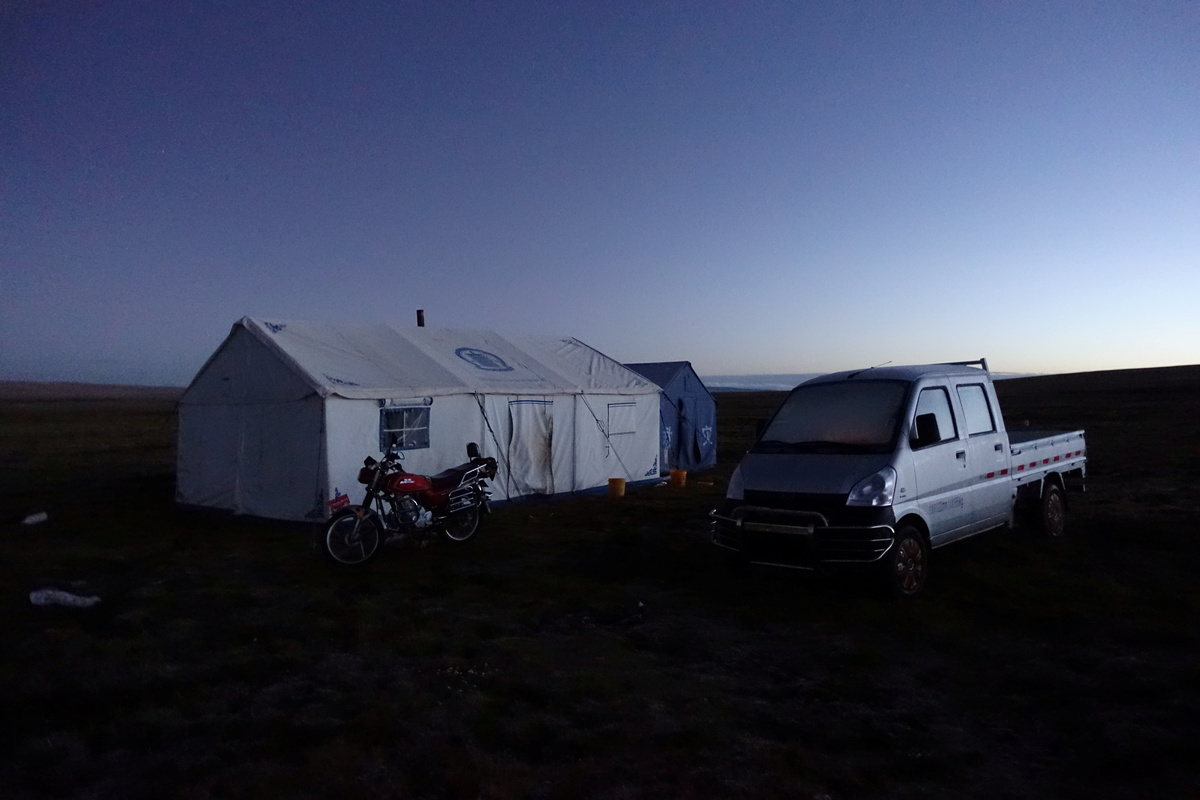
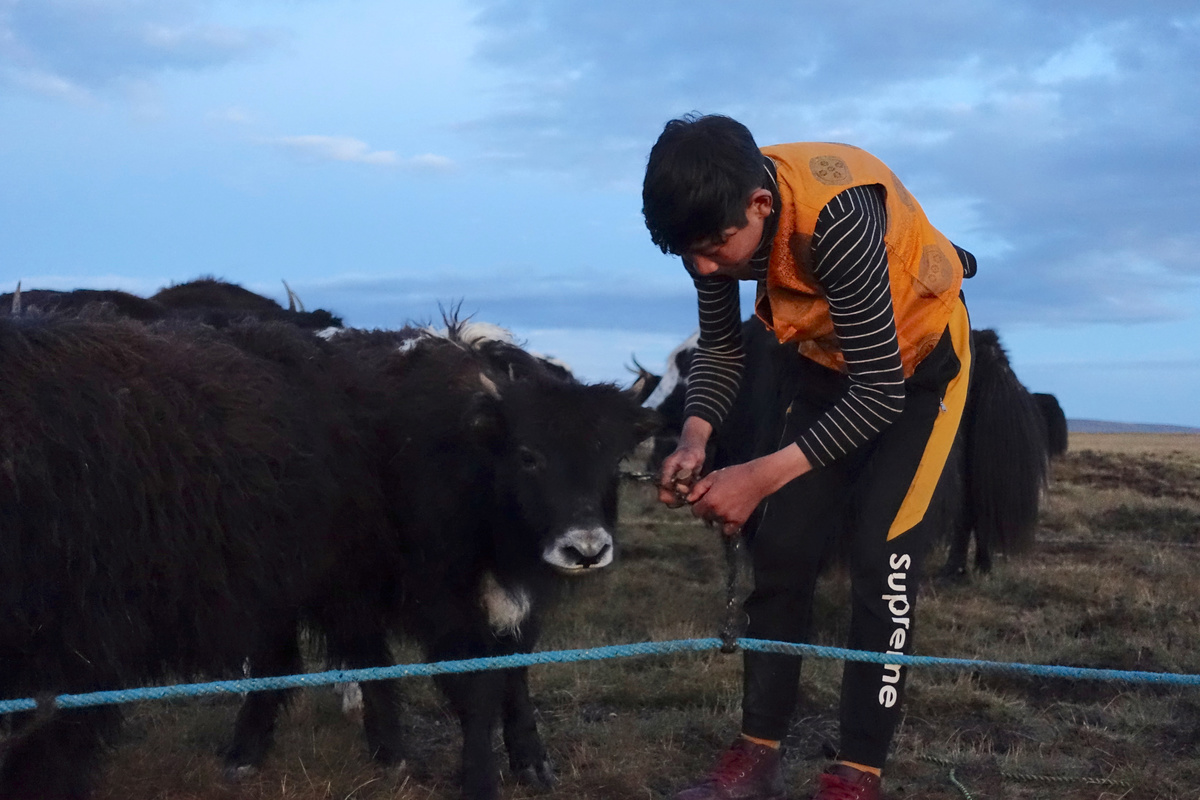
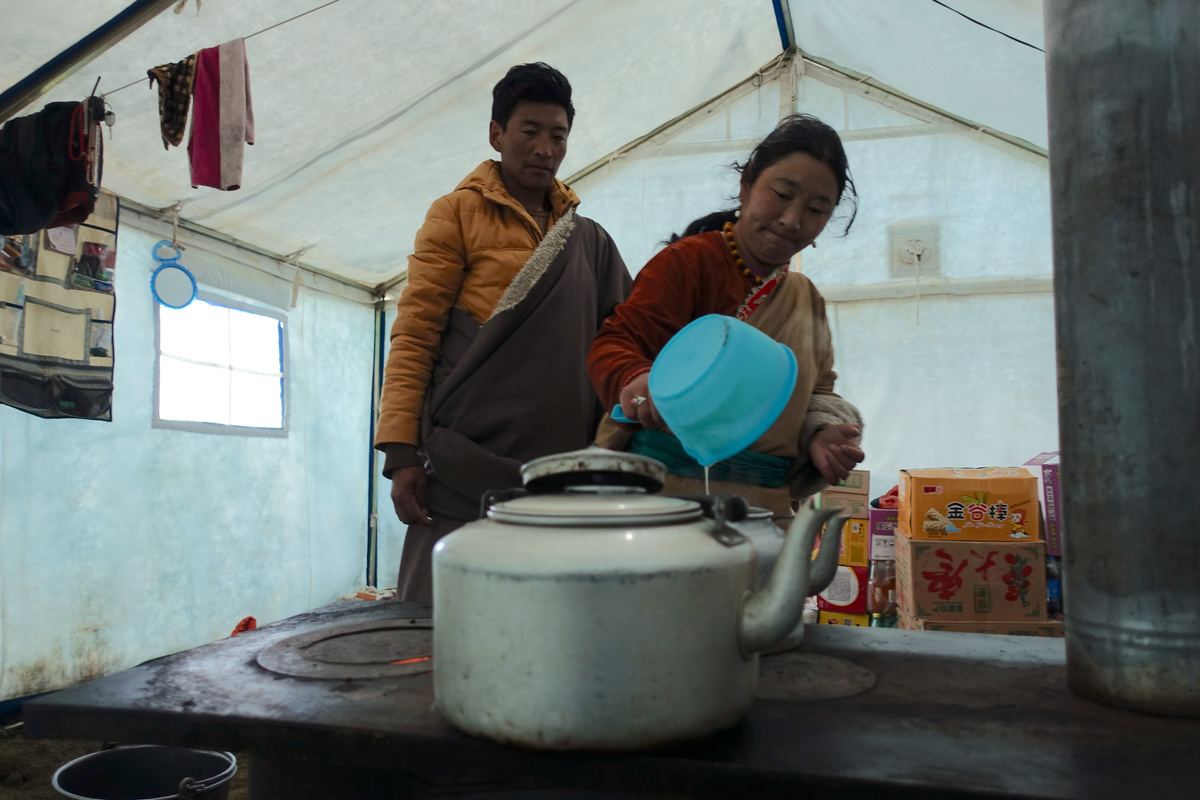
Tenzin, a nomad who tends a herd of yaks across thousands of acres of grassland just outside the designated core zone of the national park, has resisted moving despite being given a house in Madoi county, which his younger daughters live in during school terms.
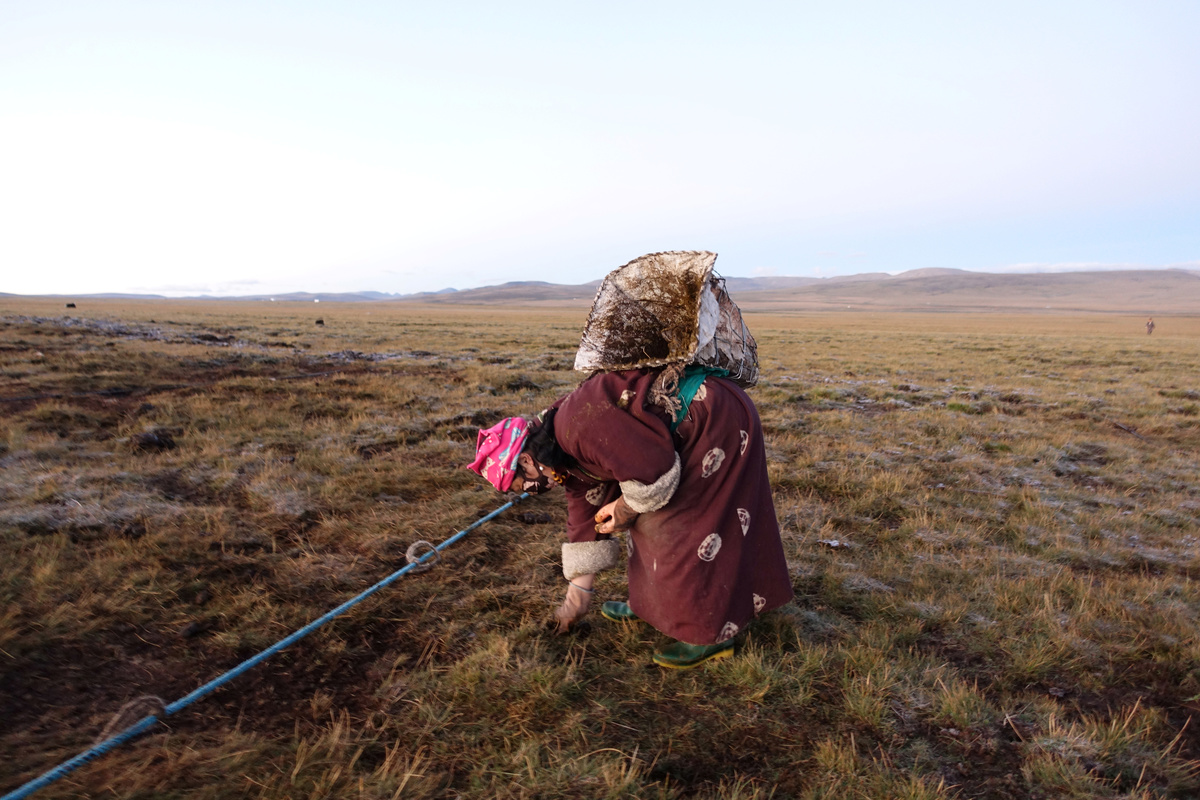
The 35-year-old, his wife and adolescent son, who spend their days herding and milking yaks and picking up slabs of yak dung for use as fuel, can stay put in the highlands for now.
But Tenzin is uneasy about the future.
"I'll be very sad if my son inherits the land to then give it up," he said.
(Reporting by Ryan Woo; additional reporting by Beijing newsroom; editing by Jane Wardell)