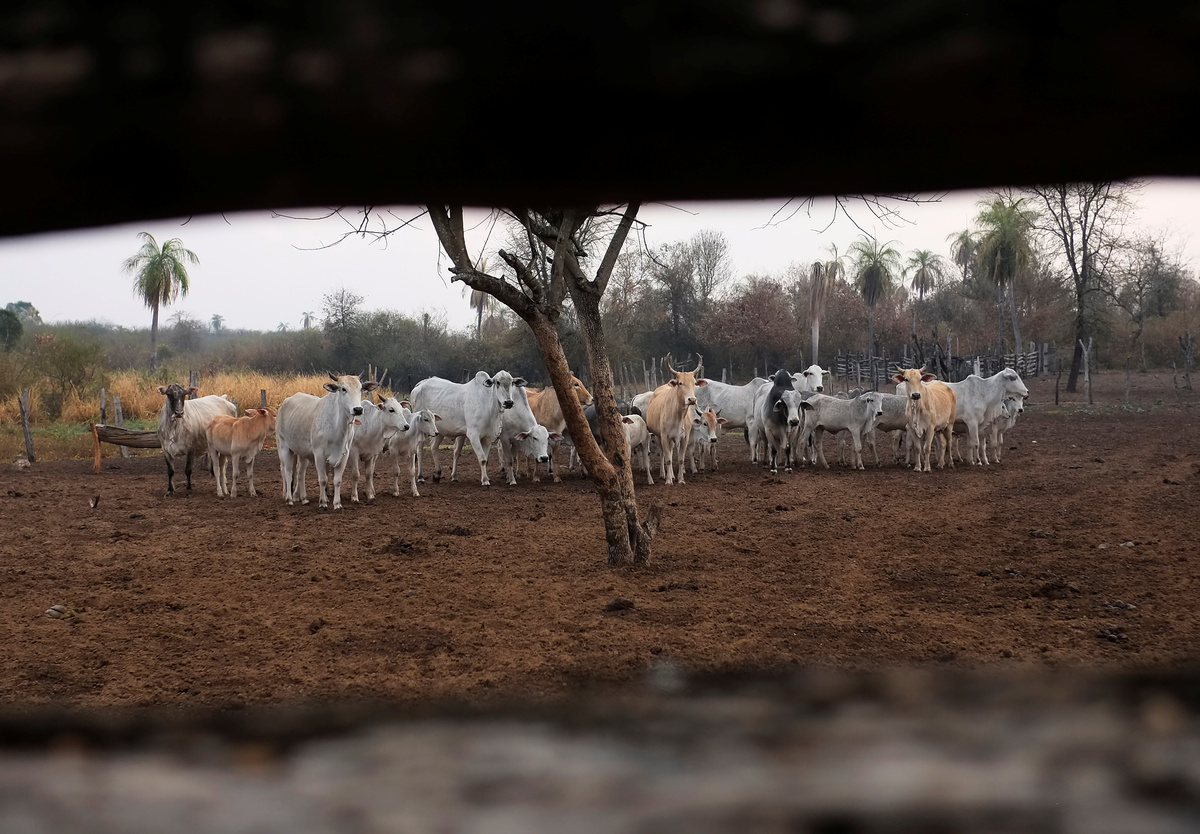
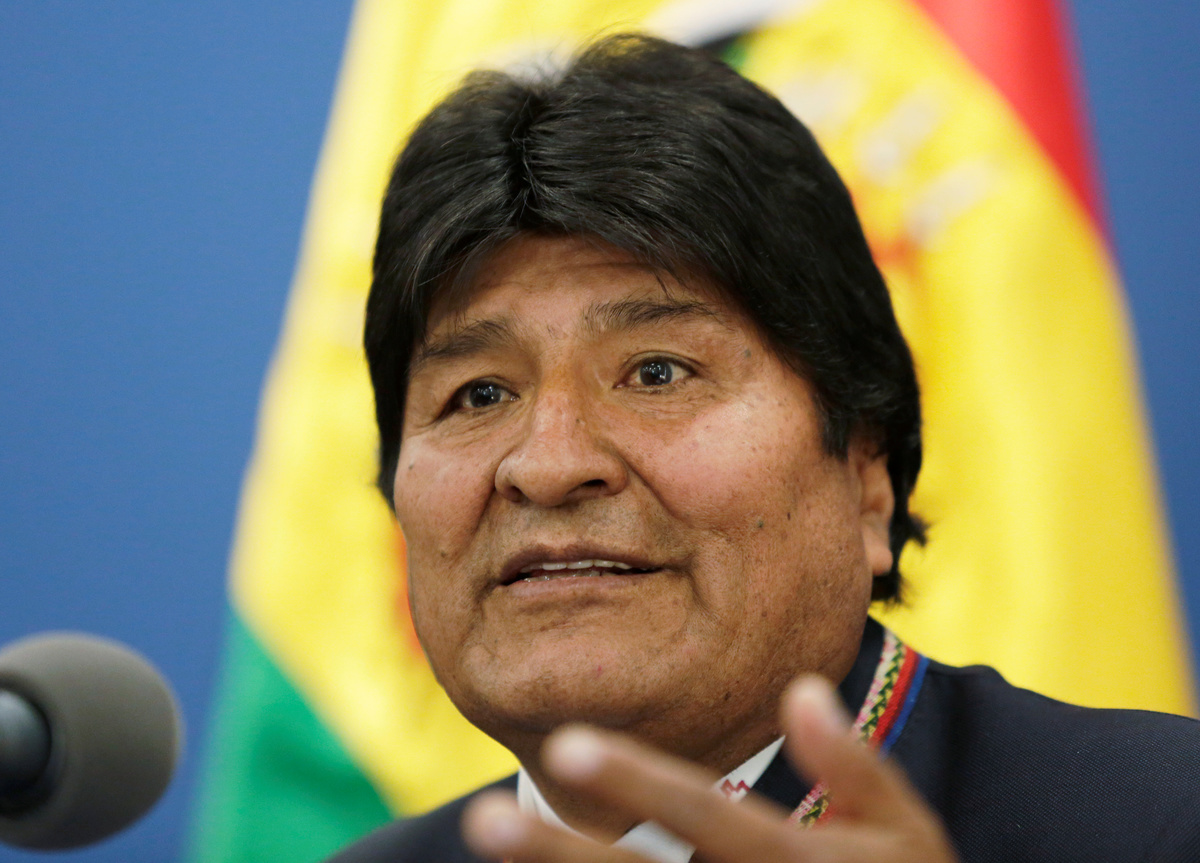
SANTA CRUZ DE LA SIERRA/LA PAZ, Bolivia (Reuters) - In the tropical Bolivian city of Santa Cruz de la Sierra, a wealthy farming hub on the edge on the Amazon rainforest, President Evo Morales gathered with ranchers late last month to celebrate a maiden shipment of beef to China.
An elaborate ceremony was staged to mark what was supposed to be a crowning achievement in Morales' plan to make Bolivia a global foods supplier - entry to China's massive market just as Beijing shops around for alternatives to U.S. producers.
"This is just another tool to ensure we continue growing economically," said Bolivia's first indigenous president, who often goes as "Evo," at the Aug. 28 event. The country would send 8,000 tonnes of beef to China next year, he added.
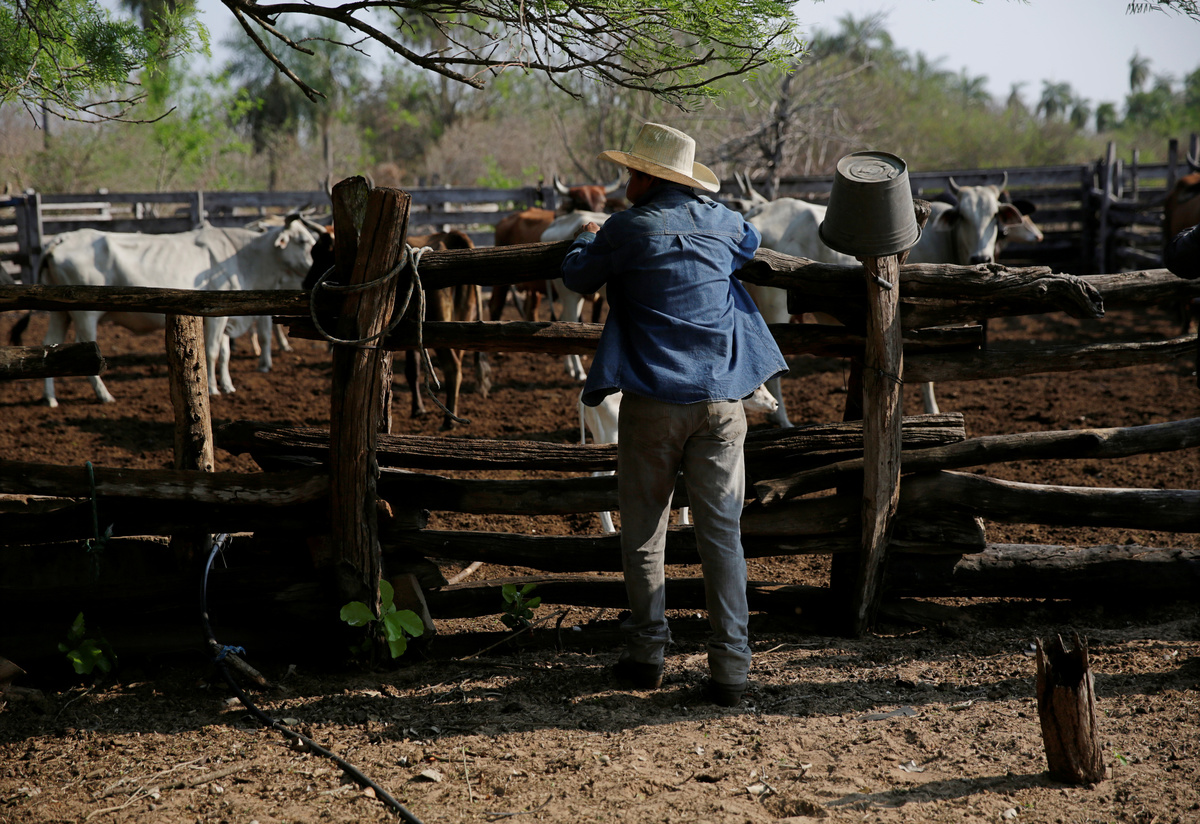
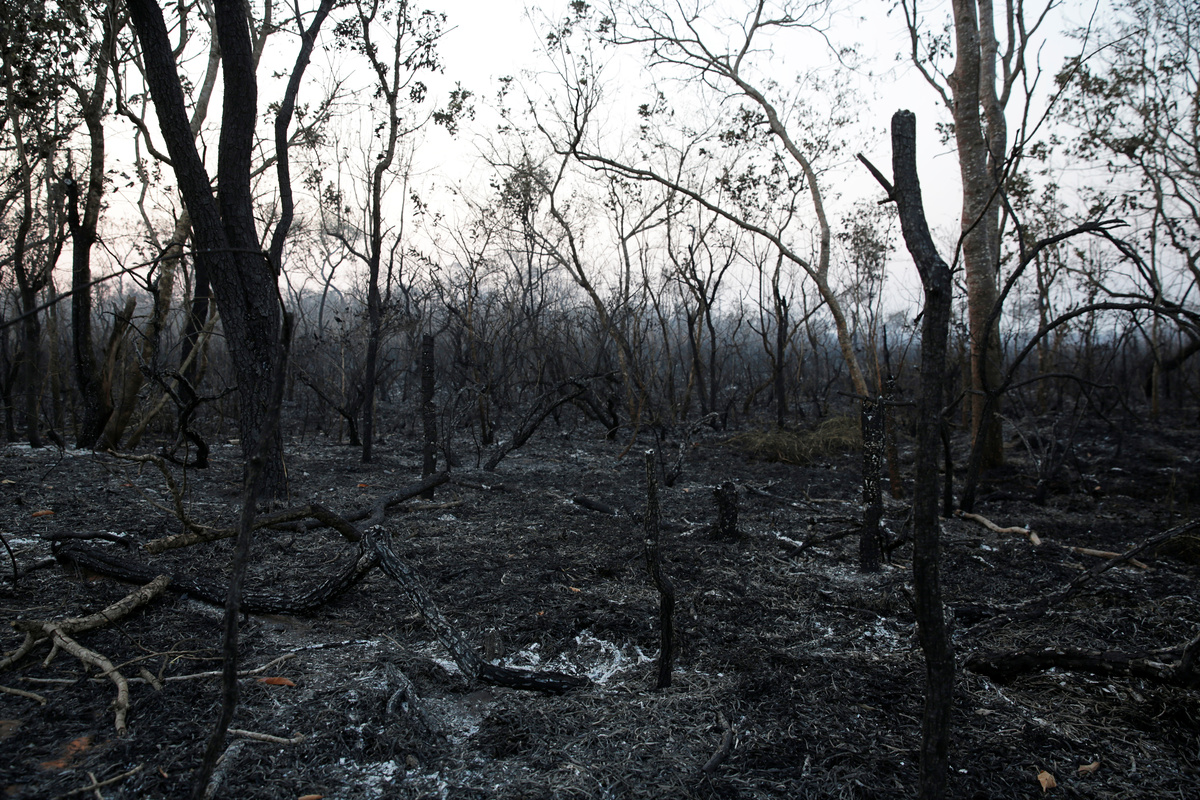
On the outskirts of the city, however, the cost of a rapid increase in farming was clearly visible. Wildfires were raging, likely sparked by a rise in slash-and-burn land clearances for cattle ranching or soy farming.
The Bolivian fires, which mirror those burning across swathes of Brazil, threaten to derail Morales' bid for a fourth consecutive term in office and another five years of "Evonomics," his brand of capitalism mixed with socialist state intervention.
Critics link the fires to laws Morales has passed encouraging farmers and ranchers to settle in forested areas in recent years. That includes permission this year to use slash-and-burn methods to ramp up output despite a drought.
The scale of the fires is massive, threatening what is seen as a natural bulwark against climate change. In recent weeks, they have swept over 2.1 million hectares (5.2 mln acres) in land-locked Bolivia, an area almost the size of New Jersey, burning more than 700,000 hectares of forest in protected reserves, according to a report by local conservation group FAN.
And they have drawn attention to Morales' newfound support for an industry once at odds with his government and put him on the defense ahead of the Oct. 20 election.

"Before (the fires) it was going to be hard for him to find support from undecided voters. Now it's going to be much harder," said political analyst Marcelo Arequipa. "It's looking complicated for him."
Graphic: Bolivia burning graphic - https://fingfx.thomsonreuters.com/gfx/editorcharts/BOLIVIA-WILDFIRES-POLITICS/0H001QEVG894/eikon.png
"COURSE OF HISTORY"
Morales' support for farming has surprised some. Unlike far-right President Jair Bolsonaro in Brazil, who has called climate change a hoax, Morales is known as a strident environmentalist abroad, often talking about the need to protect "Pachamama," or Mother Earth, in global forums.

But Morales is also keen to push for development and economic growth in Bolivia, one of South America's poorest countries. At home, his government is increasingly becoming known as an ally of farming and ranching interests, calling agricultural commodities the "new gold" that will help diversify the economy away from Bolivia's key export, natural gas.
"These fires might change the course of history," said La Paz-based political scientist Franklin Pareja. "They're so big they've started to expose other things. For example, that this isn't just about giving opportunities to poor people but favoring agroindustrial corporate interests."
After a wave of criticism over his government's initial slow response to the fires, Morales leapt into action late last month, hiring a Boeing SuperTanker to douse flames with water and joining firefighters battling them on the ground with hoses.

Morales' chances of electoral success may now hinge on whether the outrage over the fires can be leveraged by main rival Carlos Mesa. Some recent opinion polls indicate Mesa could triumph in a potential second round run-off.
"This is a national disaster," Mesa told local broadcaster Red Uno. "We know who caused this disaster, Evo Morales and his irresponsible land-use policies."
The government has denied its policies have fueled the fires, calling it "a lie" and promising to invest whatever was necessary to re-grow the forests.
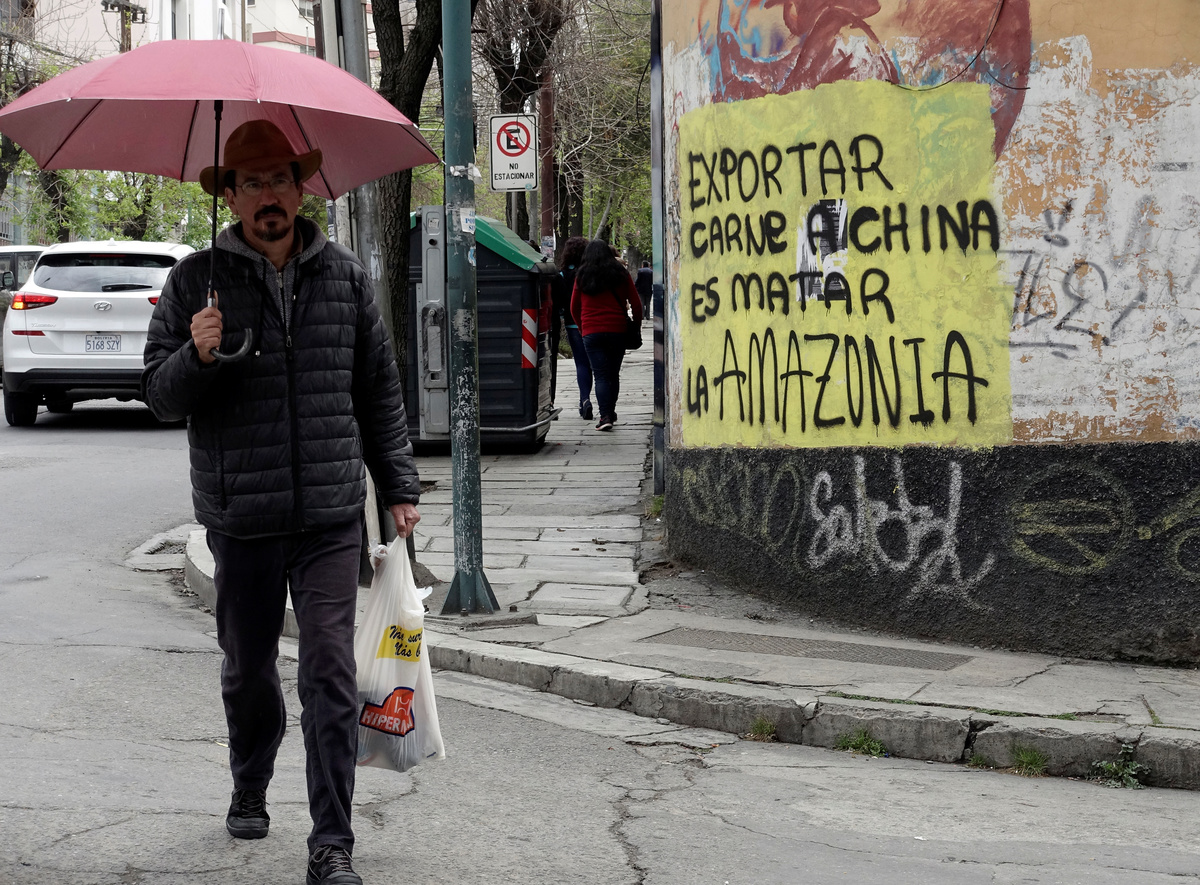
Morales, once a coca farmer himself, placed the blame on periodic droughts that hit hard this year. "If you smoke a cigarette and toss it out it'll spark and there's a fire," Morales told ranchers at the ceremony in Santa Cruz last week.
Graphic: Bolivia farm trade graphic - https://fingfx.thomsonreuters.com/gfx/editorcharts/BOLIVIA-WILDFIRES-POLITICS/0H001QEVH897/eikon.png
KILL THE GOLDEN GOOSE
A decade ago, Morales was so despised in Santa Cruz he avoided the agriculture fair it hosts ever year. The traditionally conservative farming province feared his plans to break up large rural estates.
But he has become less unpopular among farmers since he announced a plan in 2013 to triple Bolivia's farm land to 13 million hectares by 2025 - a target some say is only possible by destroying large swathes of forest.
A series of government pardons for illegal deforestation starting that year encouraged landless settlers to push deeper into the Amazon, which saw deforestation from farming doubling from 2014-2018, Bolivia's forest authority said in an April report.
Morales, South America's longest-serving left-leaning president, has also backed infrastructure projects such as a $580 million Chinese highway project and a proposed transcontinental railway to Peru's Pacific coast.
This year, Morales passed a rule to encourage more soy exports and, at the start of the dry season, authorized land clearings in Amazonian provinces now raging with fires.
Agricultural business leaders said those measures were necessary to support industry, and urged Morales not to cede to demands to clamp down on the sector, despite the fires.
"The laws were well thought out and... should not be repealed," said Oscar Pereyra, the president of a major cattle-growing association in Bolivia. "We can't kill the 'goose that lays the golden eggs' of the agricultural industry."
But environmentalists and many locals fear that rampant deforestation and fires will have knock-on effects on the environment.
"Every time I go out... I see new land clearings, whether for livestock or soy," said Robert Flock, a Catholic Bishop in the Santa Cruz region. "That means more drought."
(Reporting by Monica Machicao in Santa Cruz and Daniel Ramos in La Paz; Additional reporting by Mitra Taj; Writing By Mitra Taj; Editing by Adam Jourdan and Rosalba O'Brien)