Landscape architecture is more than a green garnish. It can generate an ecosystem of parks, streets, squares, woodland and waterways to make cities healthier, safer and richer.
Arup, the global engineering, planning and design business, has been redefining urban planning by gathering existing research into a major report, Cities Alive, that shows the social, economic and environmental benefits of green infrastructure and how it applies to new developments or retrofitting.
The company argues green space is being sliced out of design briefs to cut costs because it’s seen as purely aesthetic and a “token decorative garnish”.
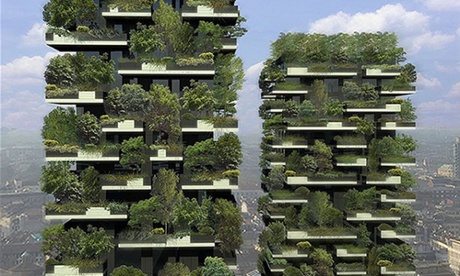
Cities Alive, launched in 2014, recognises that money talks, but highlights the value of green infrastructure to planners, architects, designers, as well as developers, public authorities, landowners and users. It defines green infrastructure as integrated networks of open spaces, woodland and parks, green streets, squares, healthy waterways, cycle ways and pedestrian routes as well as green roofs, walls and facades.
It puts the case for cities’ long-term resilience. It shows how urban wetlands, permeable paving and water roofs help cities cope with extreme rainfall. Canopy cover protects against fluctuating temperatures and wind. Green roofs and walls enrich crowded parts of the city and clean the air. Together they produce liveable microclimates, absorb pollution and act as carbon sinks.
It also argues that contact with nature reduces stress levels, stimulates better health and helps people recover faster from illness. A greener city fosters cycling and walking. It asks whether cities can rise to the challenge of global warming and depleting resources to become safe, healthy, creative and innovative.
The report examines the products and technologies that might be deployed in future cities, such as underground roads allowing nature to flourish above, water roofs, vertical farming and even glowing, bioluminescent trees that could one day replace street lighting and cut CO2.
The team has begun implementing some of its ideas in projects for the Crown Estate, TfL and the Fitzrovia business improvement district.