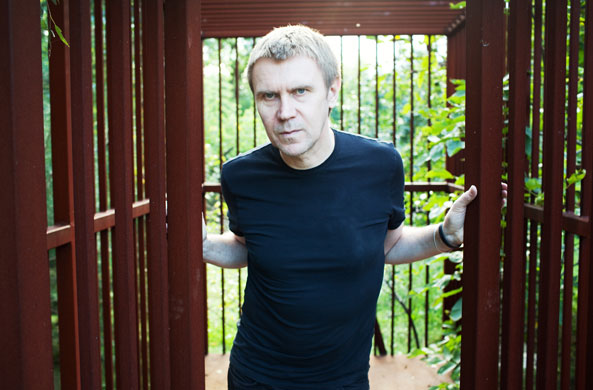
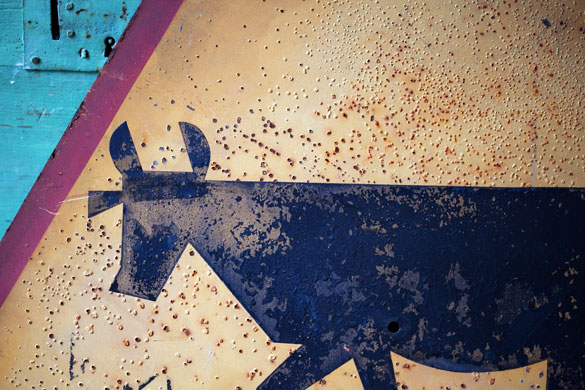
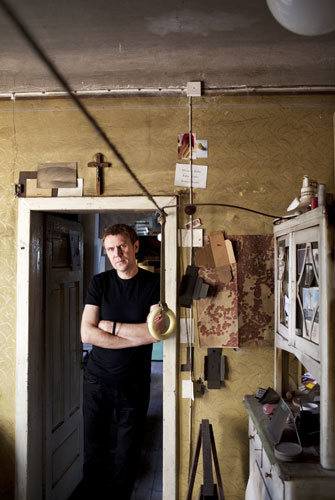
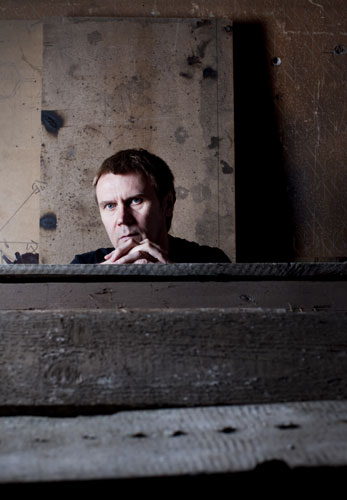
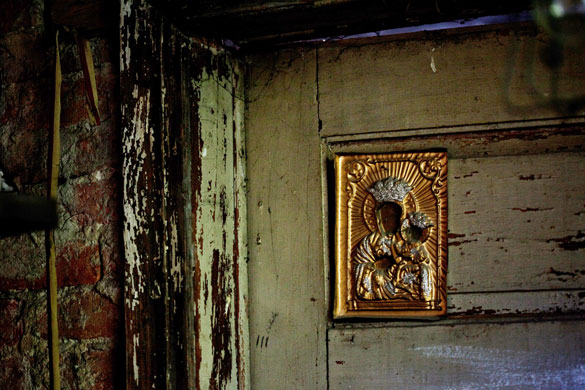
Balka has been visiting Treblinka, the notorious Nazi death camp, for more than a decade. He says that until the second world war, most of the population was Jewish, and they all ended up at the campPhotograph: David Levene/David LeveneHaving seen all but one of the Tate's previous 10 Unilever projects – everything but Anish Kapoor's Marsyas – Balka says that each commission makes it feel harder for the next artist. But he won't divulge what he's going to doPhotograph: David Levene/David LeveneA road sign Balka found near his studio in Otwock, a spa town close to Warsaw, where he grew upPhotograph: David Levene/David Levene
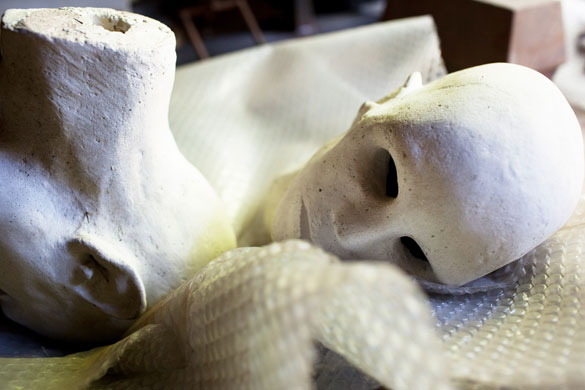
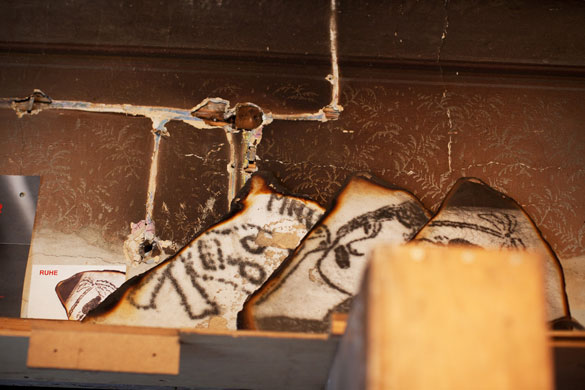
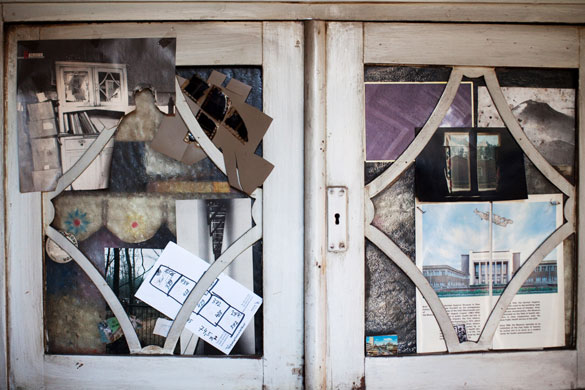
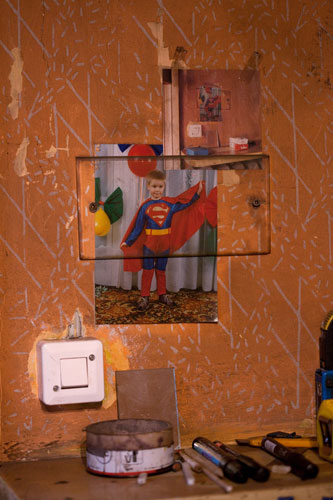
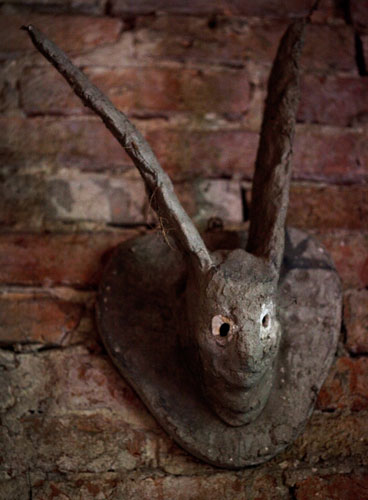
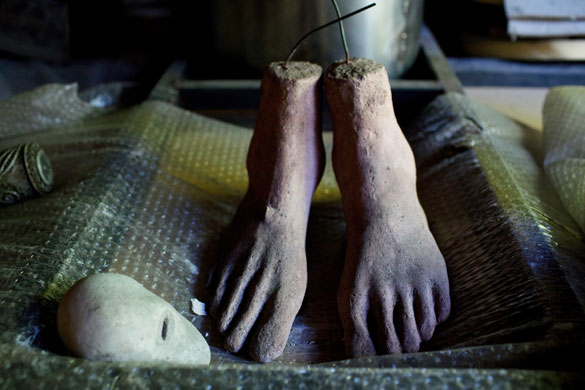
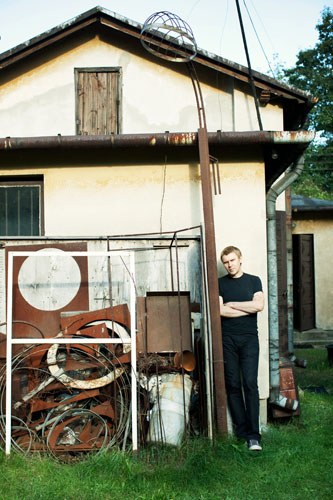
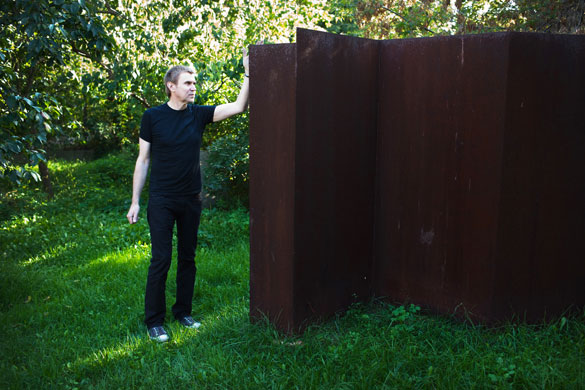
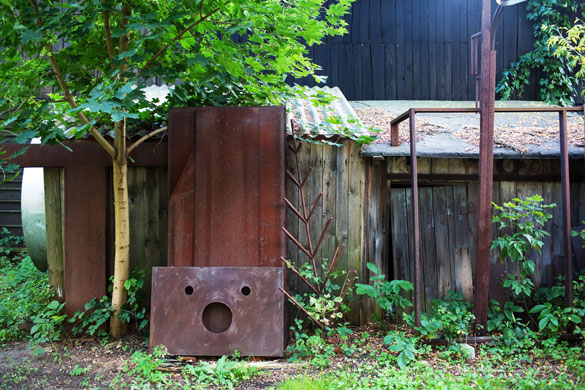
Balka's studio, in the little house where he spent much of his childhood, was damaged by a fire in the early 1990s. Afterwards, Balka exhibited the scorched and blackened drawings that survivedPhotograph: David Levene/David LeveneBalka talks about a local Jewish cemetery, an abandoned place with bones poking out of the sandy soil. A visiting American curator picked one up to take home as a souvenir, before Bałka stopped herPhotograph: David Levene/David LeveneThe floor of Balka's studio is crammed with piles of floorboards and dismantled staircases, abandoned projects, and a homemade version of a Rietveld modernist chairPhotograph: David Levene/David LeveneA portrait of Balka's son, dressed in a Superboy costumePhotograph: David Levene/David LeveneSome of Balka's sculptures incorporate sweat and urine; others have heating elements inserted, so that they are the temperature of the human body when exhibitedPhotograph: David Levene/David LeveneEven though Balka has been showing internationally since 1990, he says his father, who works as a headstone engraver in a studio nearby, doesn't think much of his son's workPhotograph: David Levene/David LeveneBalka broaches the subject of the Holocaust in his work, but insists it is not all about that. 'It is about being,' he saysPhotograph: David Levene/David Levene'Much of what I do is about falling down, and about gravity,' Balka saysPhotograph: David Levene/David LeveneIn the garden, Balka stands among the outcuts and debris left behind from his sculpturesPhotograph: David Levene/David LeveneBalka stopped making figurative work in 1989, wanting to avoid illustrationPhotograph: David Levene/David LeveneAdrian Searle says: 'A sense of the absurd runs through [Balka's] art, making it poignant rather than pompousPhotograph: David Levene/David Levene
Sign up to read this article
Read news from 100’s of titles, curated specifically for you.