Art in Tel Aviv: Highlights from the city's 2009 biennial
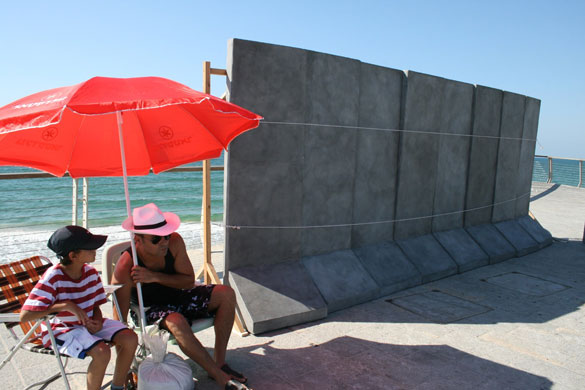
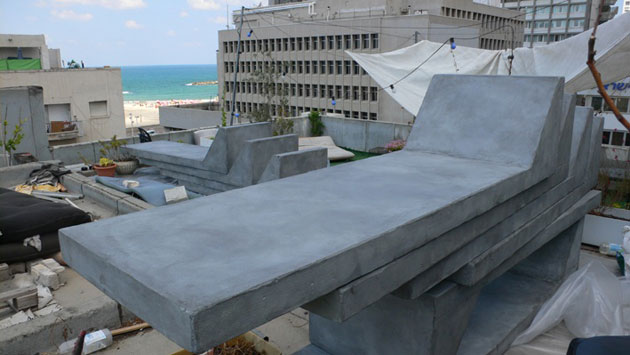
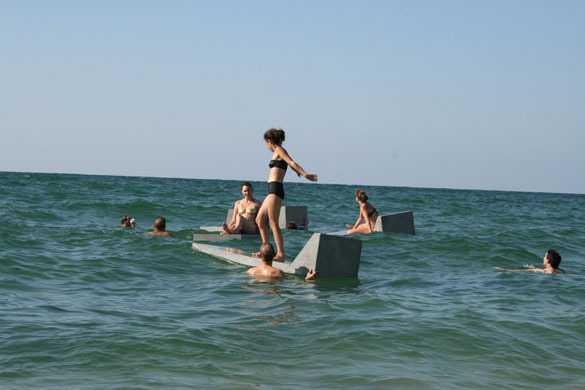
In Shelly Federman's artwork Aberstein (2009), members of the public are encouraged to interact with polystyrene wedges resembling sections of the separation wallPhotograph: Shelly Federman'There is something polite about the wall,' says Shelly Federman of her project. 'In this city you never see it. I want to bring the responsibility back and make people feel uncomfortable'Photograph: Shelly FedermanThe wedges in Federman's Aberstein artwork are just a quarter of the size of their West Bank counterpartsPhotograph: Shelly Federman
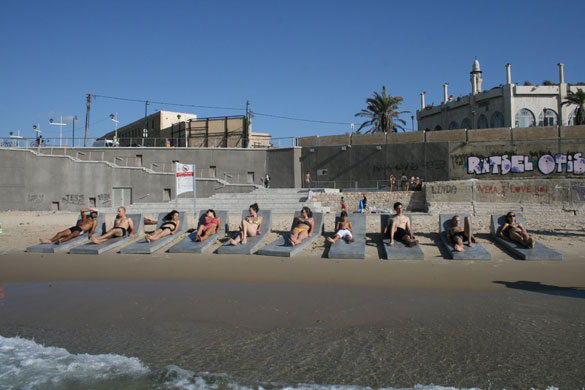
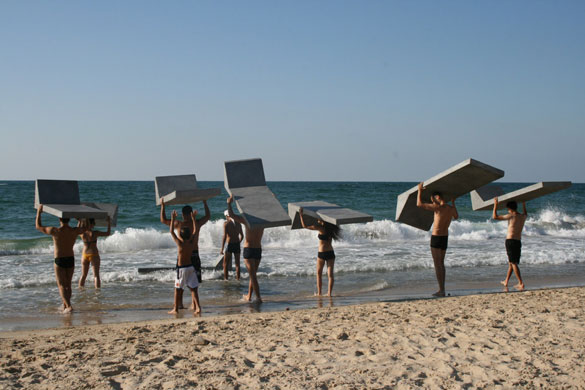
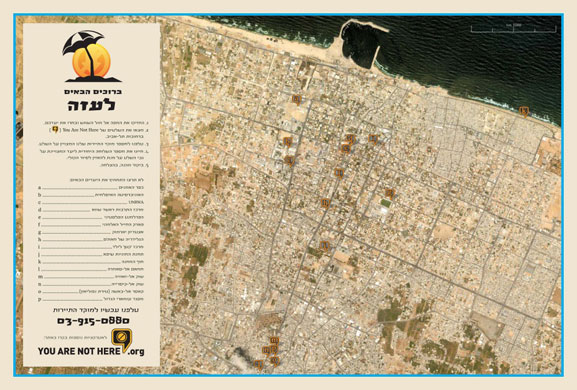
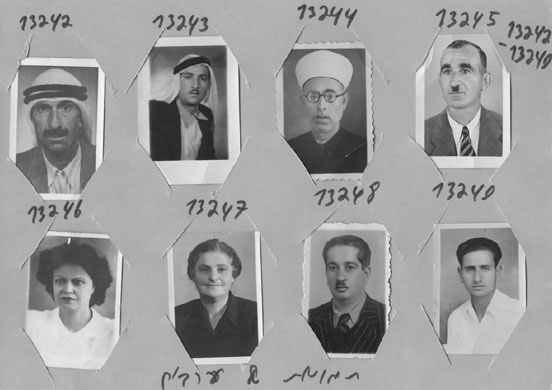
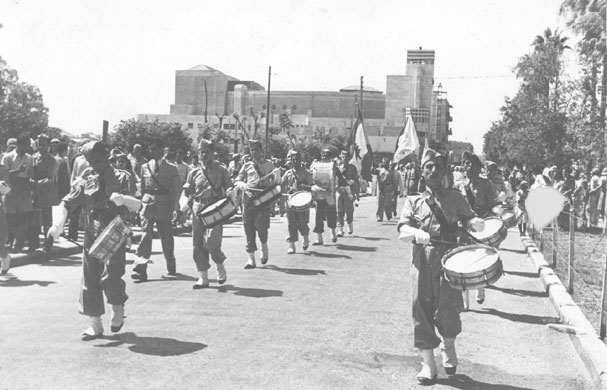
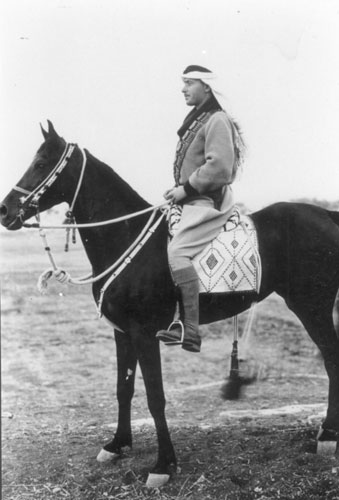
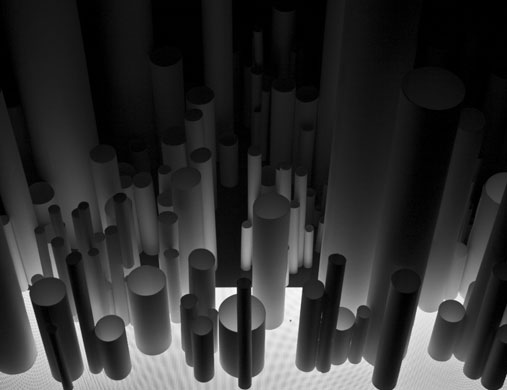
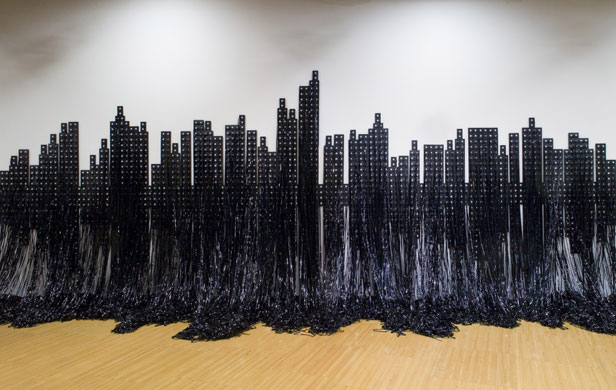
Israelis are encouraged to treat the sections of wall as lounge chairs ...Photograph: Shelly Federman... and as surf boardsPhotograph: Shelly Federman'I am trying to show the audience that there is no way to be passive,' says Federman, 'because when you are passive you are actually taking part in something that is terrible'Photograph: Shelly FedermanAn artwork by Mushon Zer-Aviv and Laila El-Haddad entitled You Are Not Here Photograph: Mushon Zer-Aviv and Laila El-HaddadWhen the Israeli Ministry of Defence archives opened in 2002, Israeli curator Rona Sela spent three years selecting images of Palestinians that predate the establishment of the state in 1948. This document, containing pictures of Arabs, was originally in the files of the Information Service and is dated around 1949-1950Photograph: Hagana ArchiveA picture of a procession in Jaffa, taken in early 1948 by an unknown photographerPhotograph: IDF and Ministry of Defence ArchiveA picture of Al-Qawuqji, a top Palestinian commanding officer, taken in 1936. Rona Sela’s hope is to establish a deeper understanding of Israel’s Palestinian minority. 'They know our history, our language. Yet despite living next to them we know nothing of theirs,' she saysPhotograph: Palmach ArchiveJan Tichy's Installation No 6 (Tubes), 2009. The artist intends to draw attention to the undercurrents beneath the city’s surface. He says: 'Tel Aviv may be called the White City, but it sits on big black issues. And in many ways it is the unseen here that has an immense influence'Photograph: Jan TichySkyline (2007), a collection of 1,500 VHS cassettes arranged like a cluster of high-rises by Mounir Fatmi, one of the only two Arabs to exhibit in the biennialPhotograph: Mounir Fatmi
Sign up to read this article
Read news from 100’s of titles, curated specifically for you.






.jpg?w=600)