Get all your news in one place.
100’s of premium titles.
One app.
Start reading
Reuters
Reuters
Entertainment
Daniel Dickson and Ben Hirschler

Trio wins chemistry Nobel for work on antibody drugs, smart enzymes

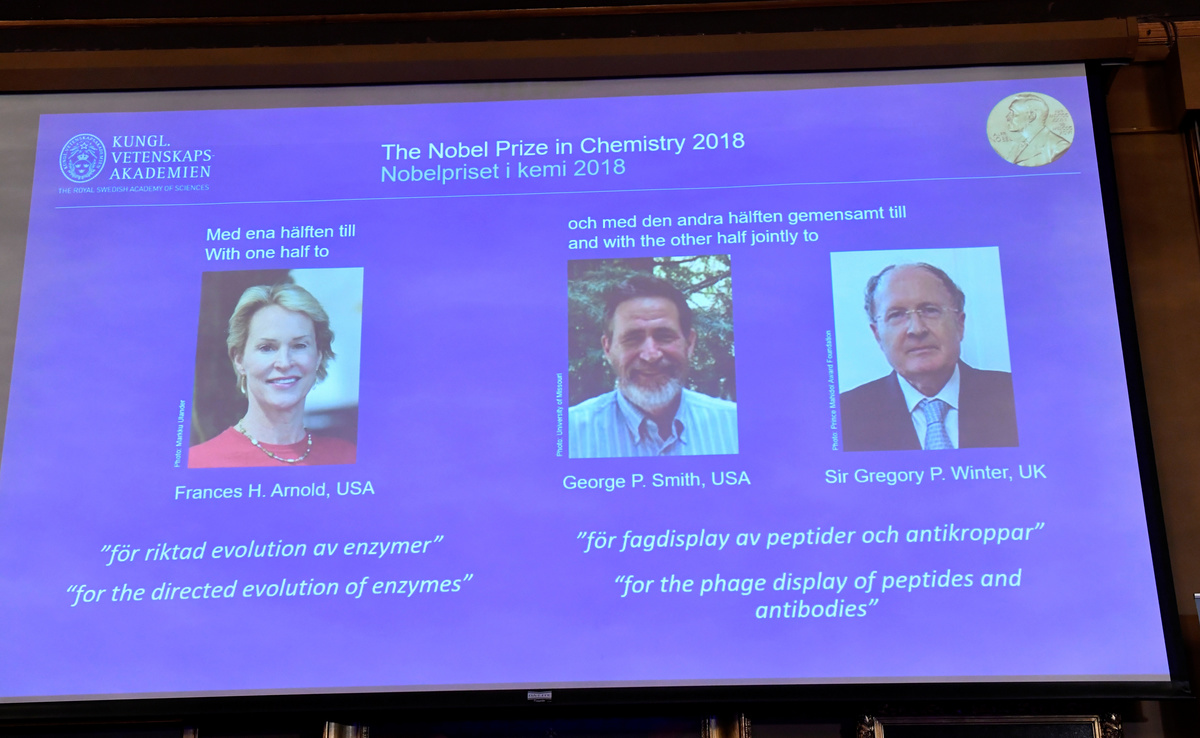
Pictures of the 2018 Nobel Prize laureates for chemistry: Frances H. Arnold of the United States, George P. Smith of the United States and Gregory P. Winter of Britain are displayed on a screen during the announcement at the Royal Swedish Academy of Sciences, in Stockholm, Sweden, October 3, 2018. Jonas Ekstromer/TT News Agency/via REUTERS

STOCKHOLM/LONDON (Reuters) - Two Americans and a Briton won the 2018 Nobel Prize for Chemistry on Wednesday for harnessing the power of evolution to generate novel proteins used in everything from environmentally friendly detergents to cancer drugs.

The fruits of this work include the world's top-selling prescription medicine -- the antibody injection Humira sold by AbbVie for treating rheumatoid arthritis and other autoimmune diseases.
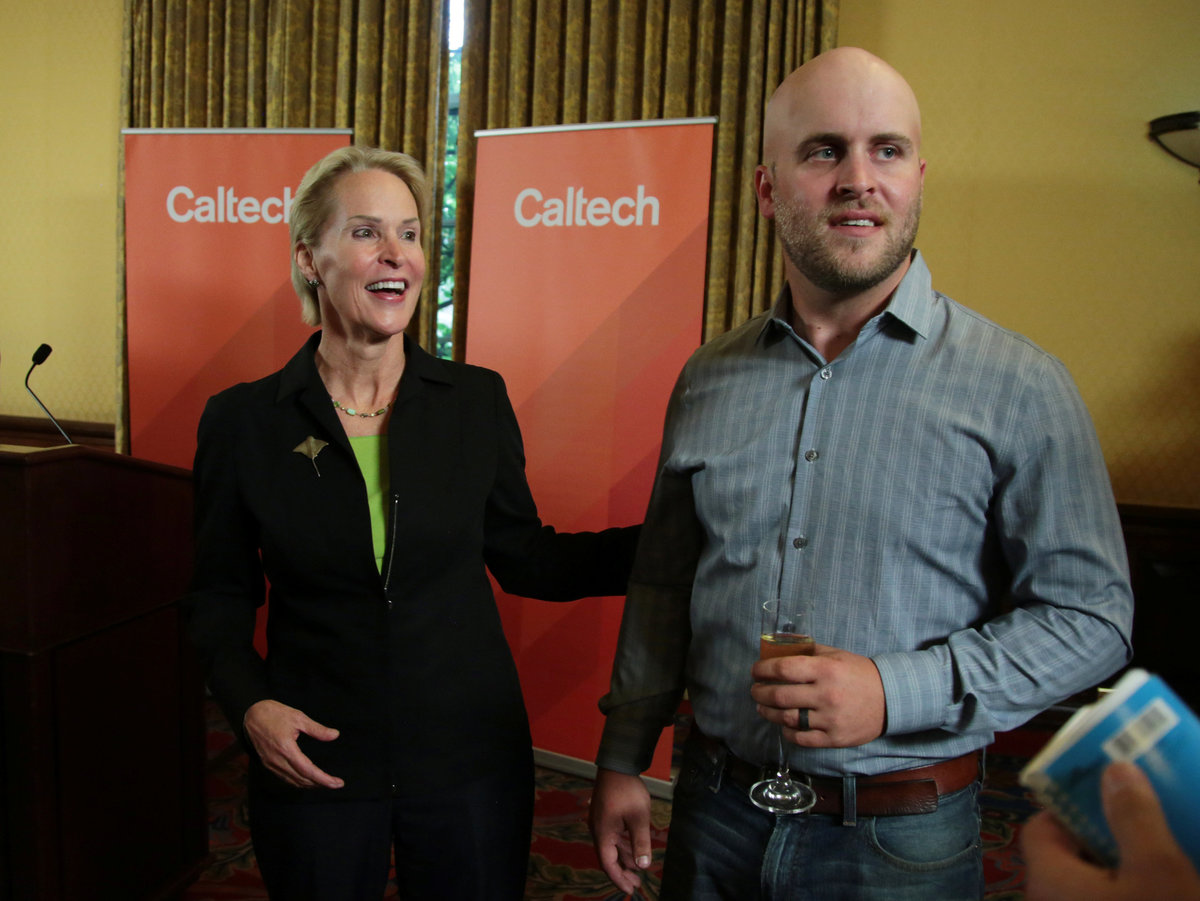
Frances Arnold, winner of the 2018 Nobel Prize in Chemistry, stands with her son James Bailey (R), during a news conference at California Institute of Technology (Caltech) in Pasadena, California, U.S., October 3, 2018. REUTERS/Kyle Grillot

Frances Arnold of the California Institute of Technology, George Smith from the University of Missouri and Gregory Winter of Britain's MRC Laboratory of Molecular Biology were awarded the prize for pioneering science in enzymes and antibodies.

Arnold, only the fifth woman to win a chemistry Nobel, was awarded half of the nine million Swedish crown ($1 million) prize while Smith and Winter shared the other half.

"Some people breed cats and dogs. I breed molecules," Arnold told Reuters after learning of the award, which she said had come as a complete surprise.
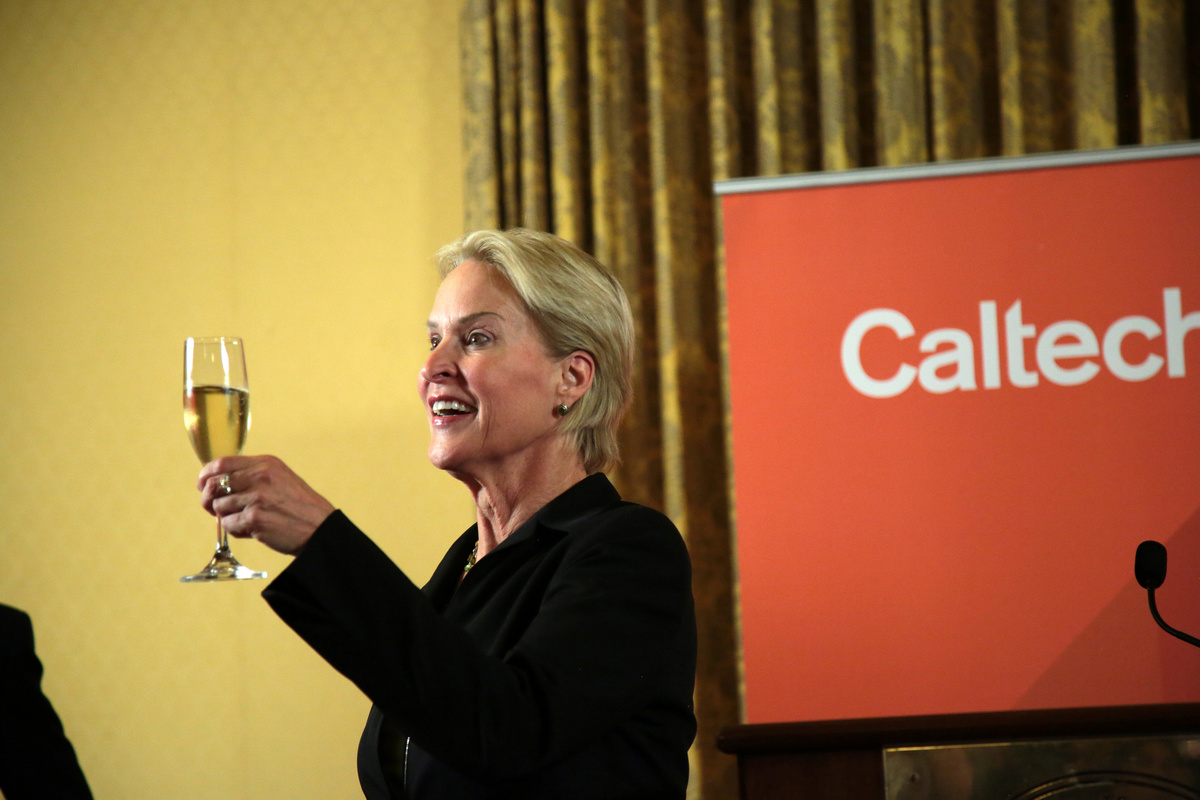
Frances Arnold, winner of the 2018 Nobel Prize in Chemistry, toasts during a news conference at California Institute of Technology (Caltech) in Pasadena, California, U.S., October 3, 2018. REUTERS/Kyle Grillot

The Royal Swedish Academy of Sciences said Arnold had transformed science by using the principles of evolution -- genetic change and selection -- and to evolve new types of proteins very fast.

Arnold is the second woman to win a Nobel prize this year after Canada's Donna Strickland shared the physics award on Tuesday.

Her research on enzymes -- proteins that catalyze chemical reactions -- laid the bedrock for the development of better industrial chemicals and pharmaceuticals.
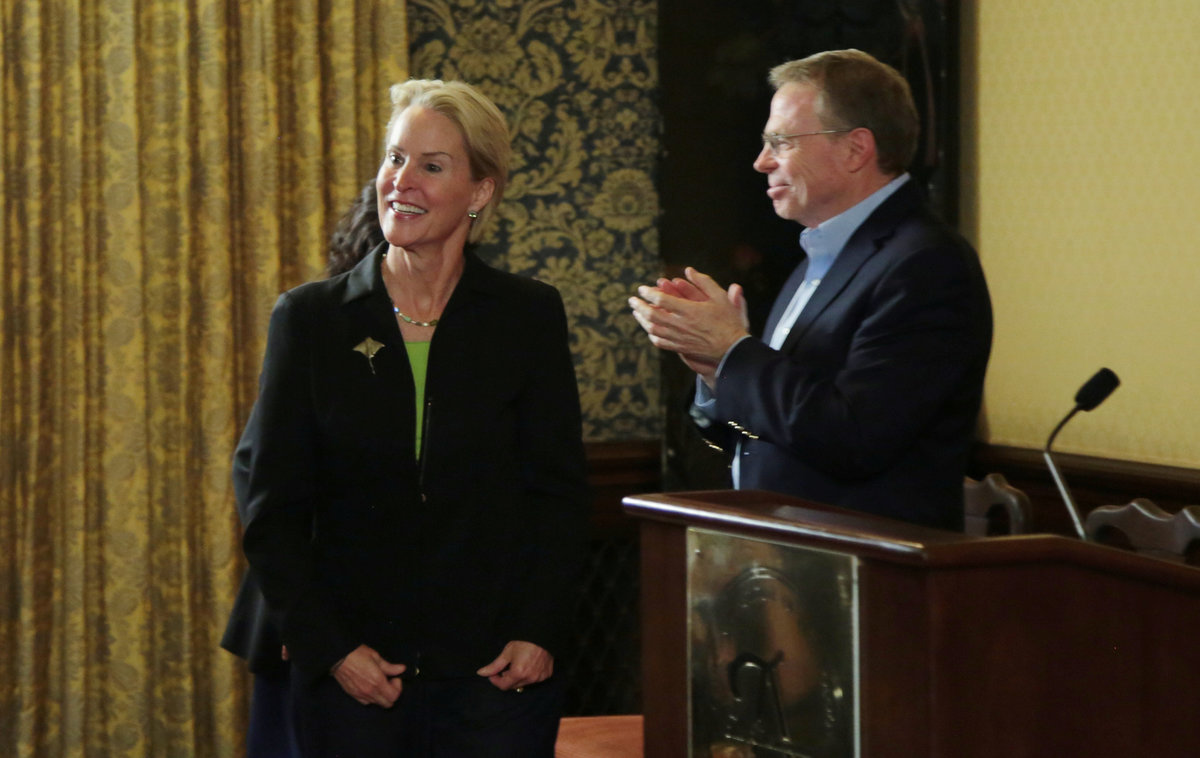
Frances Arnold, winner of the 2018 Nobel Prize in Chemistry, is applauded by Caltech Provost David A. Tirrell (R), during a news conference at California Institute of Technology (Caltech) in Pasadena, California, U.S., October 3, 2018. REUTERS/Kyle Grillot?

"There are enzymes now in detergents that we use in our dishwasher and have been evolved by this process. There are also enzymes that can create new types of biofuels or that catalyze the formation of building blocks for new medicines," said chairman of the Nobel chemistry committee Claes Gustafsson.

"All this you can do with enzymes that Frances Arnold has developed."
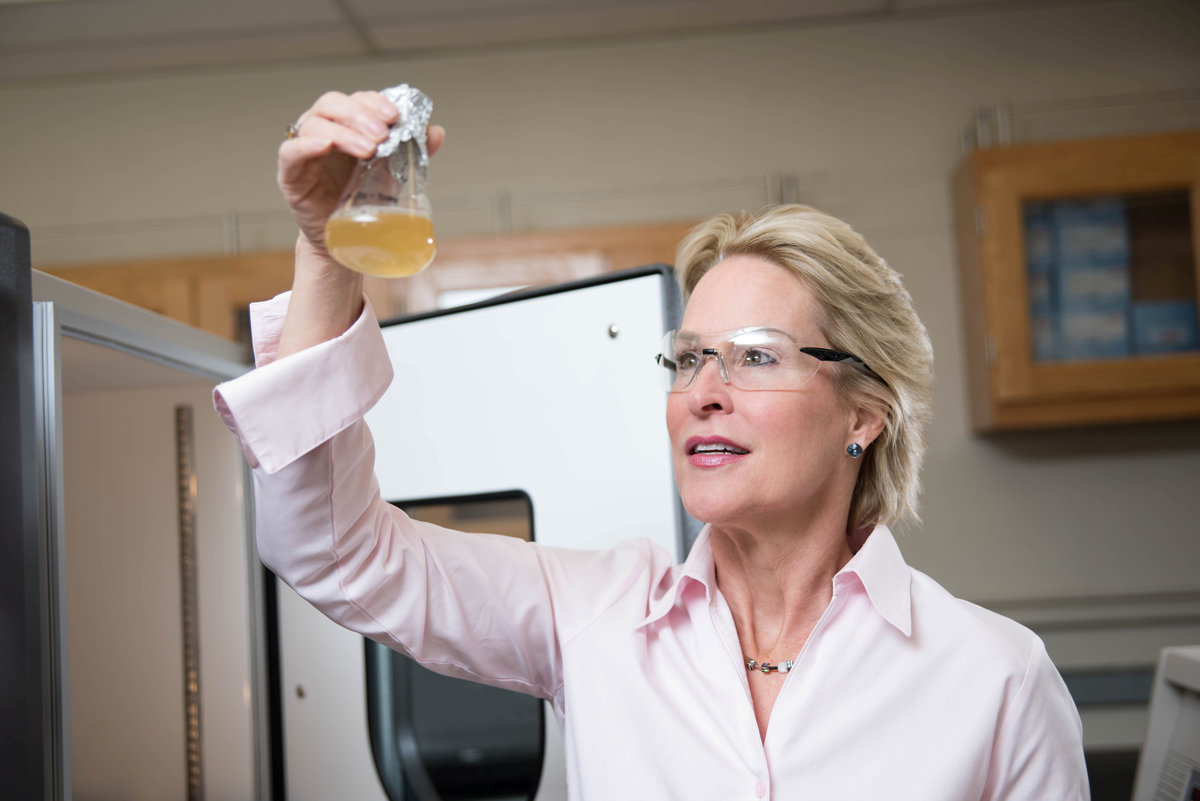
Frances Arnold of the California Institute of Technology (CalTech), a winner of the 2018 Nobel Prize for Chemistry, poses in a laboratory in an undated photo provided to Reuters by Caltech October 3, 2018. California Institute of Technology/Handout via REUTERS

PARADIGM SHIFT

Smith developed a method using a virus that infects bacteria to produce new proteins while Winter used the same phage display technique to engineer the evolution of antibodies, with the aim of producing more effective medicines.

Humira, or adalimumab, was the first drug based on Winter's work to win regulatory approval in 2002. It has since gone on to become a blockbuster, with sales last year of $18 billion.
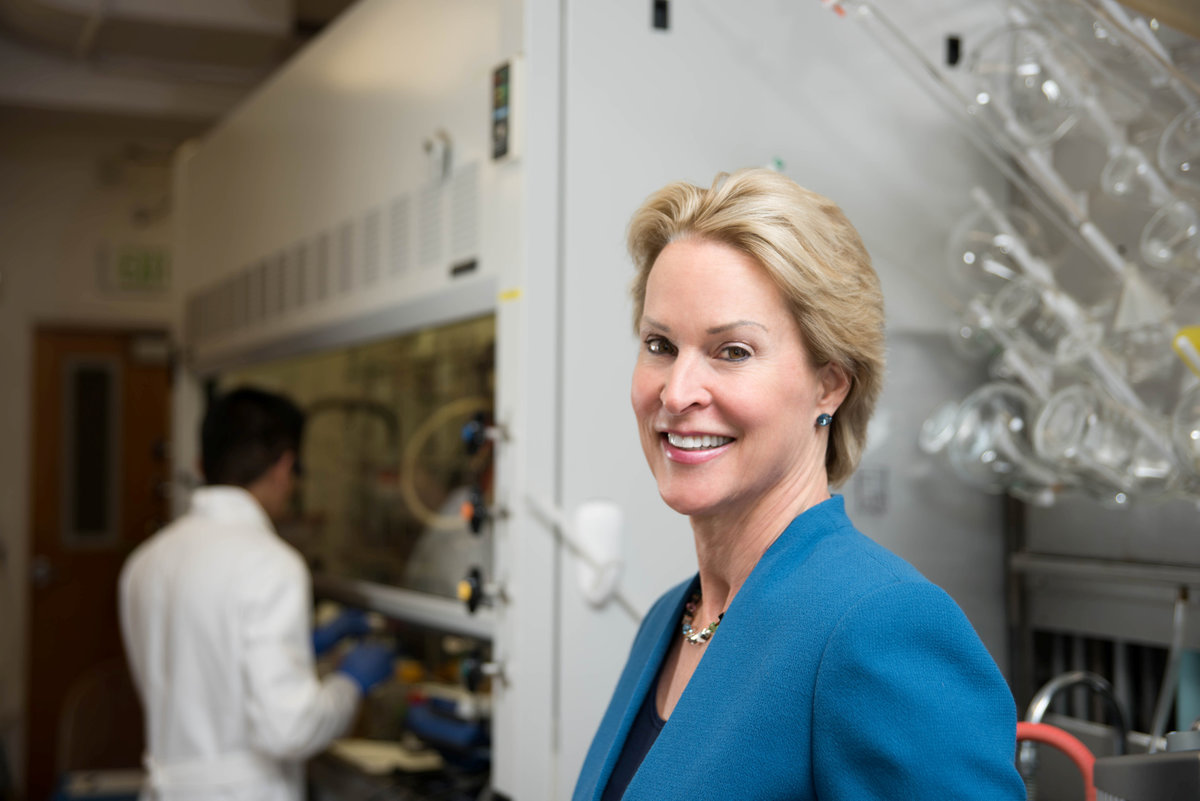
Frances Arnold of the California Institute of Technology (CalTech), a winner of the 2018 Nobel Prize for Chemistry, poses in a laboratory in an undated photo provided to Reuters by Caltech October 3, 2018. California Institute of Technology/Handout via REUTERS

"With this medicine, far fewer people with rheumatoid arthritis are forced to use a wheelchair," said immunologist Dan Davies of the University of Manchester.

Other antibody drugs at the cutting edge of medicine use the same technology, including a number of treatments that have proved highly effective against cancer.

Winter said he was surprised by the huge commercial success of antibody drugs, which he put down in large part to the high prices that drug companies have managed to charge for them.
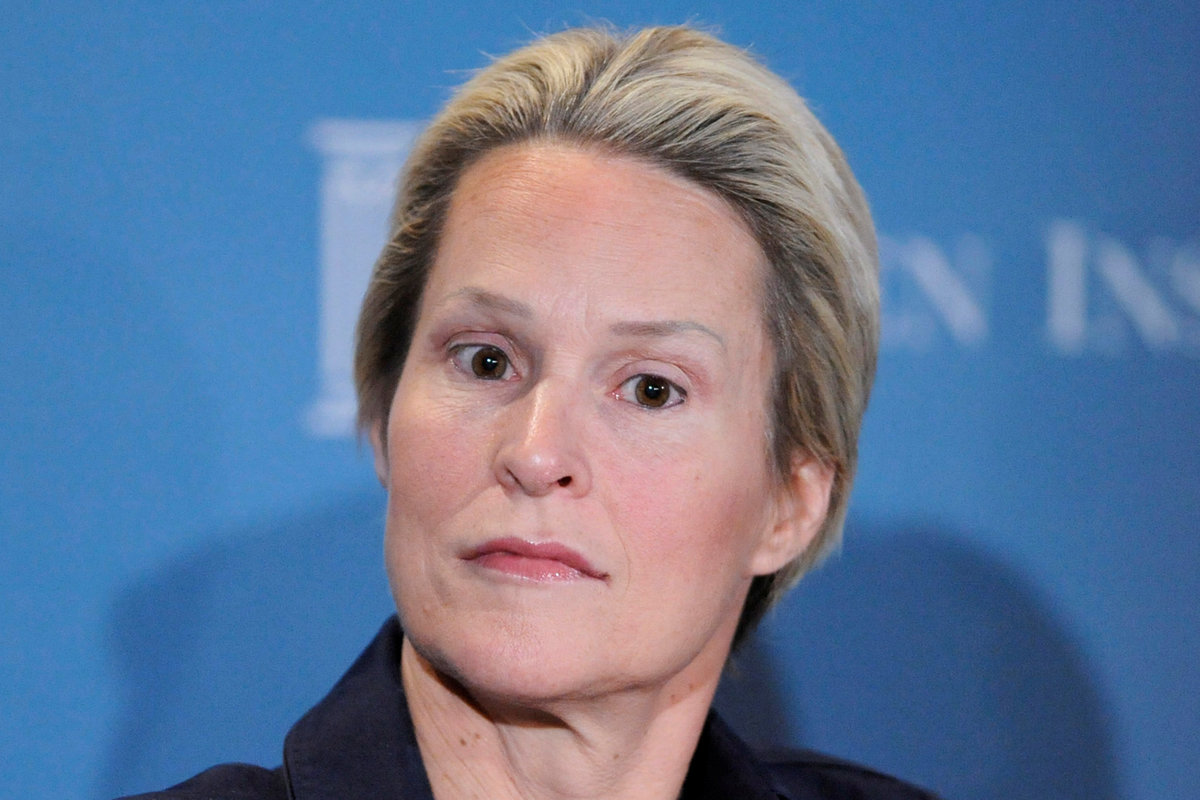
FILE PHOTO: Frances Arnold, Dick and Barbara Dickinson Professor of Chemical Engineering and Biochemistry, California Institute of Technology, participates in the Investing in the Future: Accelerating the Clean-Tech Revolution panel at the 2008 Milken Institute Global Conference in Beverly Hills, California April 30, 2008. REUTERS/Phil McCarten/File Photo

"I had no idea they would be so commercially successful ... it was a complete paradigm shift," he told reporters in a conference call. "Antibodies as a pharmaceutical product are still growing great guns."

The prizes for achievements in science, literature and peace were created and funded in the will of Swedish dynamite inventor and businessman Alfred Nobel and have been awarded since 1901.

For the first time in decades, the Nobel line-up did not feature a literature award after a rift within the Swedish Academy over a rape scandal involving the husband of a board member left it unable to select a winner.
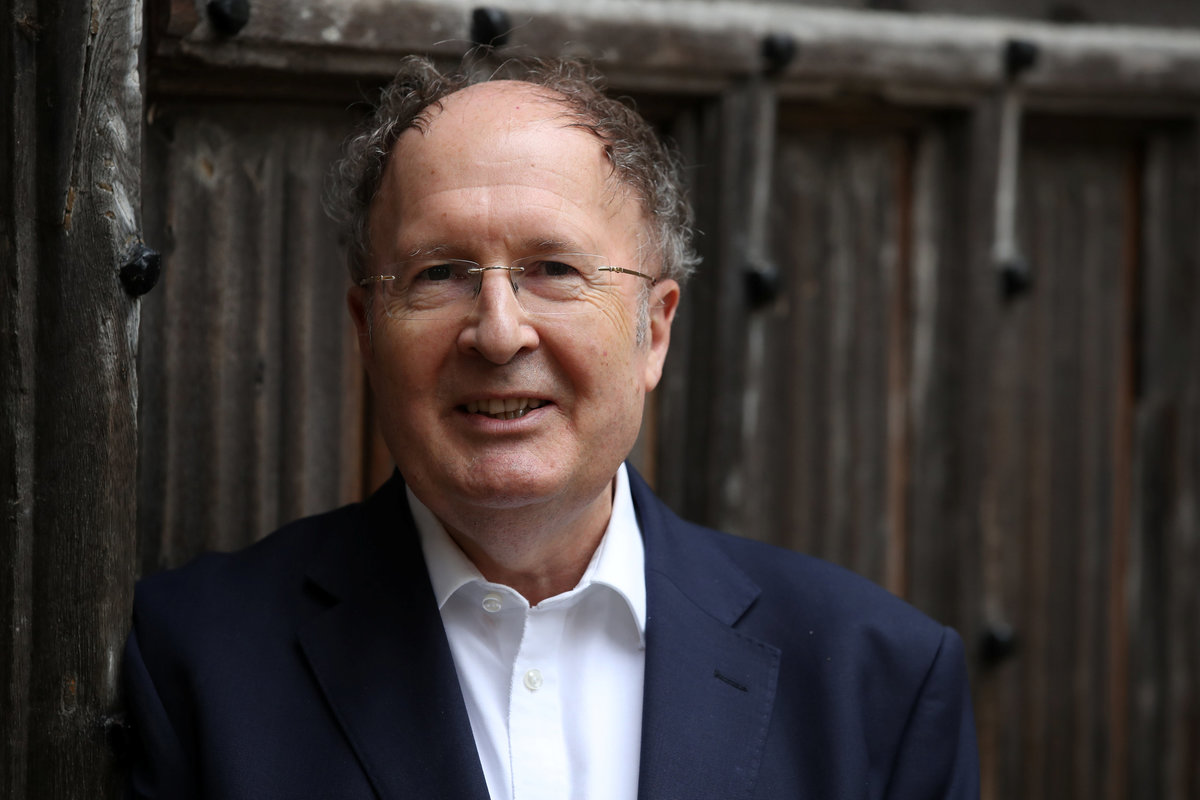
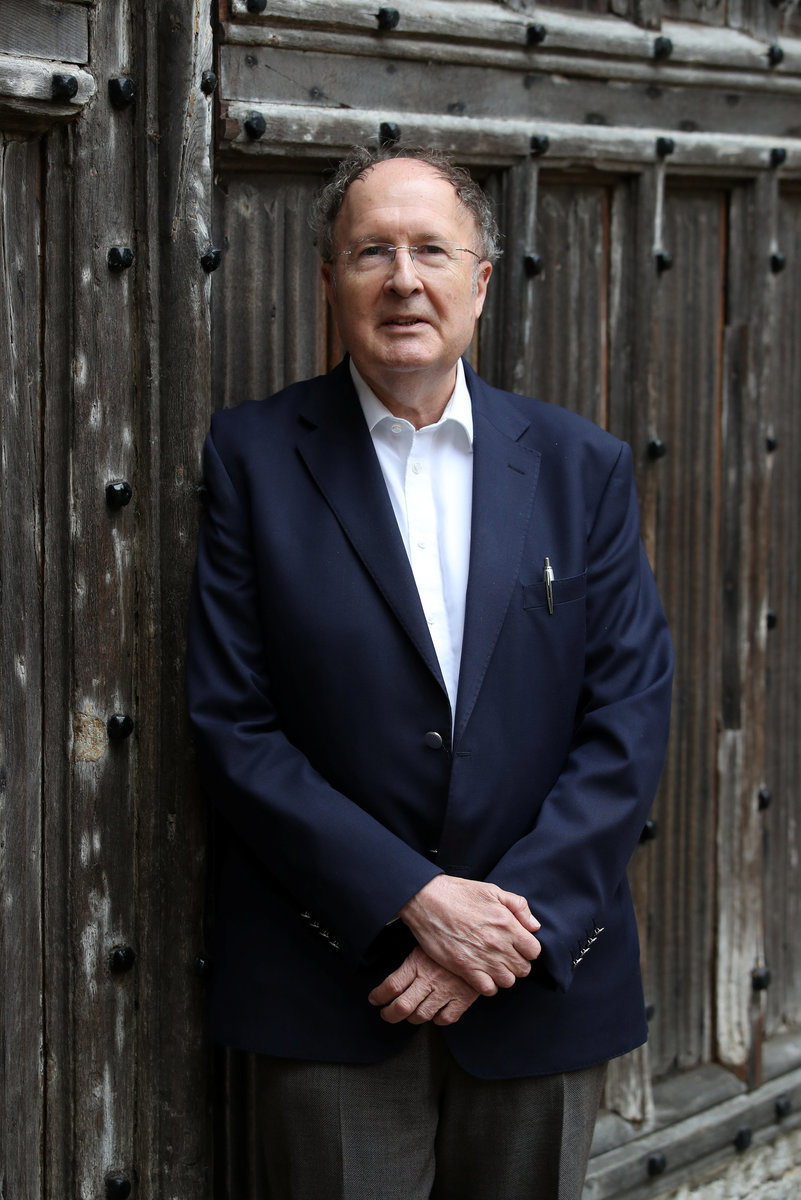
Gregory Winter, poses for photographs after being awarded the Noble Prize for Chemistry, outside Trinity College Cambridge, Britain, October 3, 2018. REUTERS/Chris Radburn

The science and peace prizes are selected by other bodies. Chemistry is the third of this year's Nobel Prizes after the winners of the medicine and physics awards were announced earlier this week.

(Nobel laureates graphic http://tmsnrt.rs/2y6ATVW)
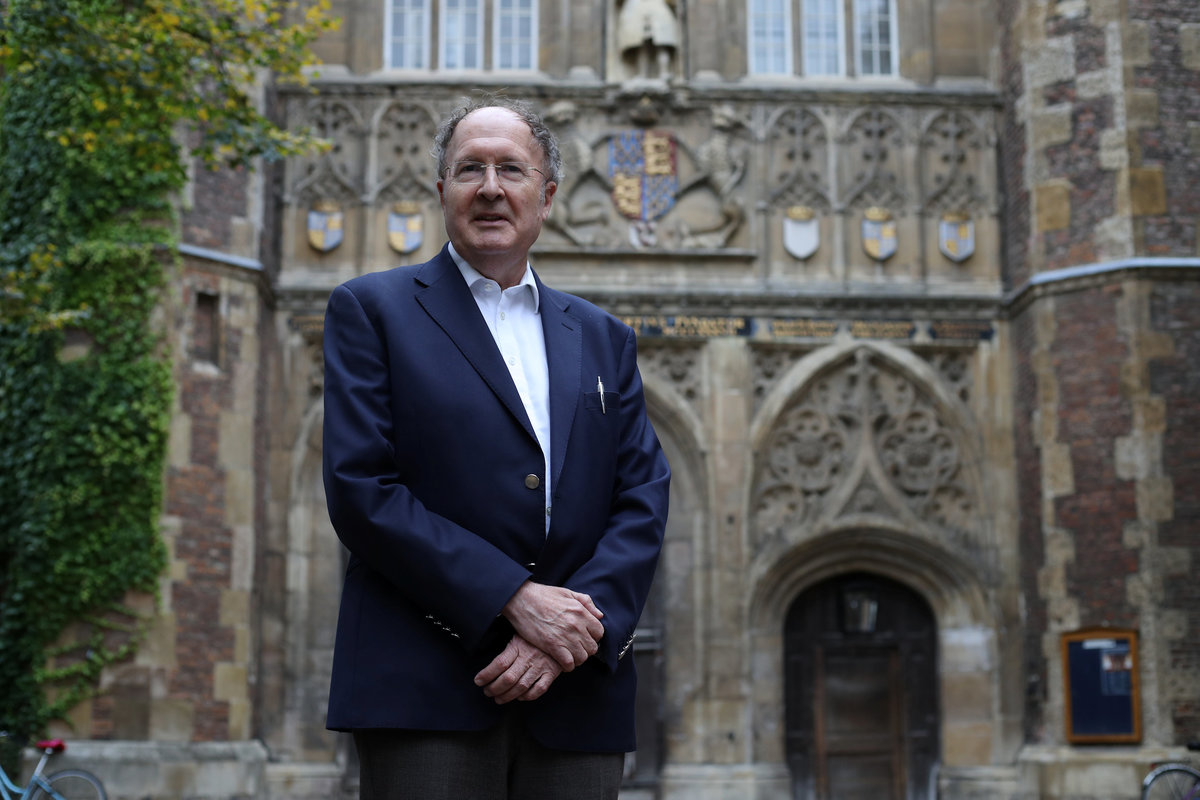
Gregory Winter, poses for photographs after being awarded the Noble Prize for Chemistry, outside Trinity College Cambridge, Britain, October 3, 2018. REUTERS/Chris Radburn

George P. Smith from the University of Missouri, a winner of the 2018 Nobel Prize for Chemistry, poses at his home in Columbia, Missouri, U.S. October 3, 2018. Courtesy of Marjorie Sable/Handout via REUTERS

(Additional reporting by Brendan O'Brien, Anna Ringstrom, Niklas Pollard, Simon Johnson and Helena Soderpalm, Editing by Richard Balmforth, William Maclean)


George P. Smith from the University of Missouri, a winner of the 2018 Nobel Prize for Chemistry, poses at his home in Columbia, Missouri, U.S. September 5, 2018. Courtesy of Marjorie Sable/Handout via REUTERS
George P. Smith from the University of Missouri, a winner of the 2018 Nobel Prize for Chemistry, takes phone calls from well-wishers at his home in Columbia, Missouri, U.S. October 3, 2018. Courtesy of Marjorie Sable/Handout via REUTERS
Gregory Winter, poses for photographs after being awarded the Noble Prize for Chemistry, outside Trinity College Cambridge, Britain, October 3, 2018. REUTERS/Chris Radburn
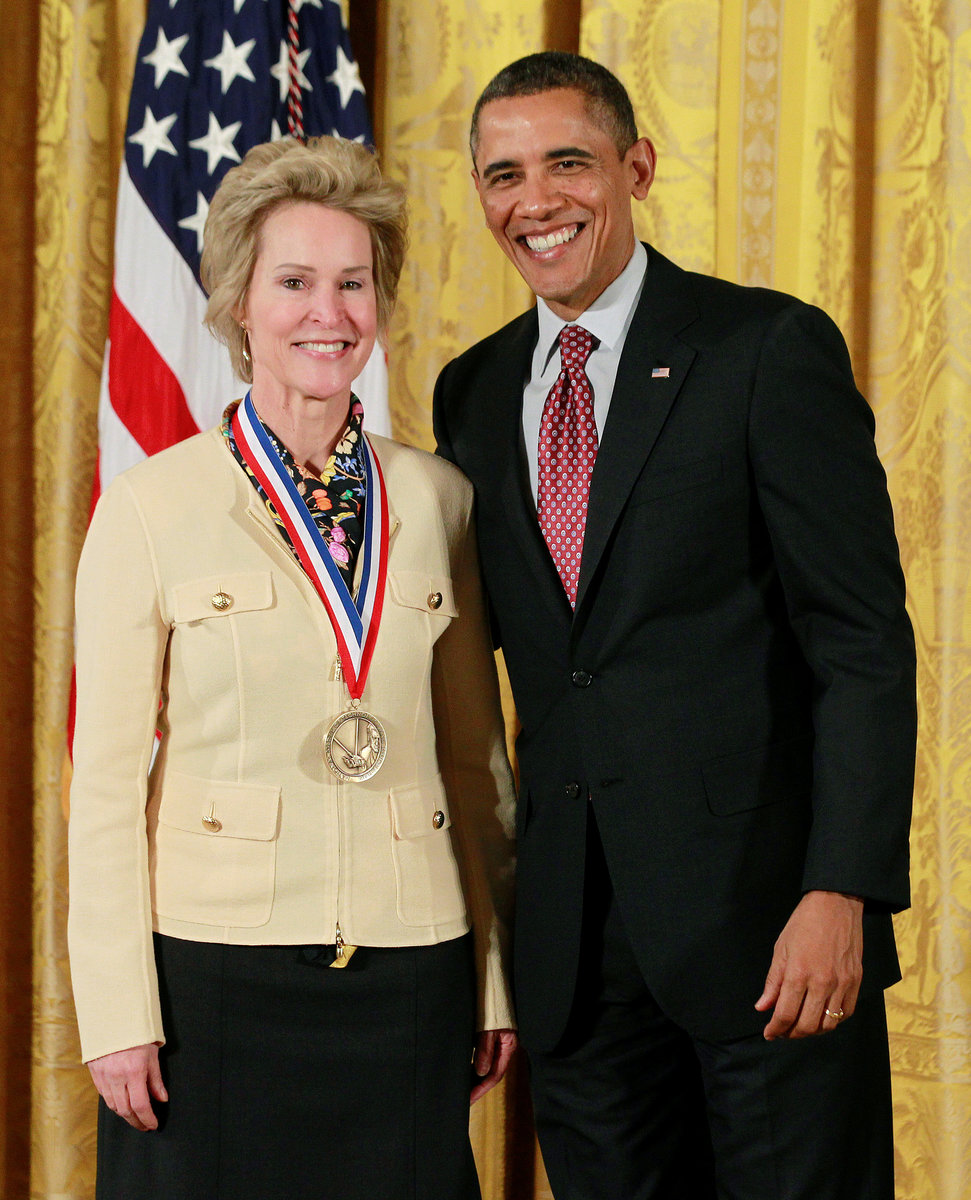
FILE PHOTO: U.S. President Barack Obama presents the National Medal of Technology and Innovation to Dr. Frances Arnold from the California Institute of Technology during a ceremony in the East Room of the White House in Washington, February 1, 2013. REUTERS/Jason Reed/File Photo
Sign up to read this article
Read news from 100’s of titles, curated specifically for you.
Already a member? Sign in here
Related Stories
Top stories on inkl right now
One subscription that gives you access to news from hundreds of sites
Already a member? Sign in here
Our Picks
Fourteen days free
Download the app
One app. One membership.
100+ trusted global sources.