Guardian Weekly global edition cover 4 September 2020 Photograph: GNM
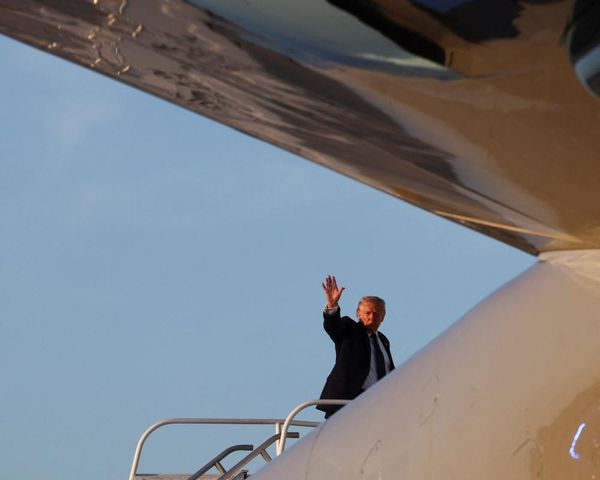
As the Republican party’s apocalyptic convention came to an end with Donald Trump’s speech outside the White House on 27 August, another US city was on fire. This time it was Kenosha in Wisconsin, where Jacob Blake – an unarmed black man – was shot multiple times in the back by police. In the unrest that followed, a white teenager was able to shoot three people and walk past police officers while carrying an assault weapon. We look at this two-tiered justice system and at another deadly week on the streets of the United States – and how the president hopes to use moments like these to win re-election in November.

From the outbreak of the coronavirus pandemic, the journalist Laura Spinney, alongside the rest of the formidable Guardian and Observer science team, has helped us to understand some of the most vital stories behind the science. Her latest piece looks at how the race for a vaccine, which started off as a collaborative global mission, has become another weapon for nationalist leaders who are keen to show off their own country’s might – even at the risk of rushing out an immunisation before it has been properly tested. When a safe vaccine is found – or if one is found – how do we ensure that it is distributed equitably?
More than five years have passed since Angela Merkel declared that Germany could take in an influx of refugees escaping the horrors of the Syrian civil war. Many confidently declared that the German chancellor’s decision to allow more than a million asylum seekers into her country would be her political undoing. Today, Merkel is as popular as she ever was thanks to her handling of the pandemic. But, as Philip Oltermann reports from Berlin, many of those who sought refuge in Germany are also thriving – and helping their new homeland, too.
To get the Guardian Weekly delivered to your home, click here

.jpg?w=600)