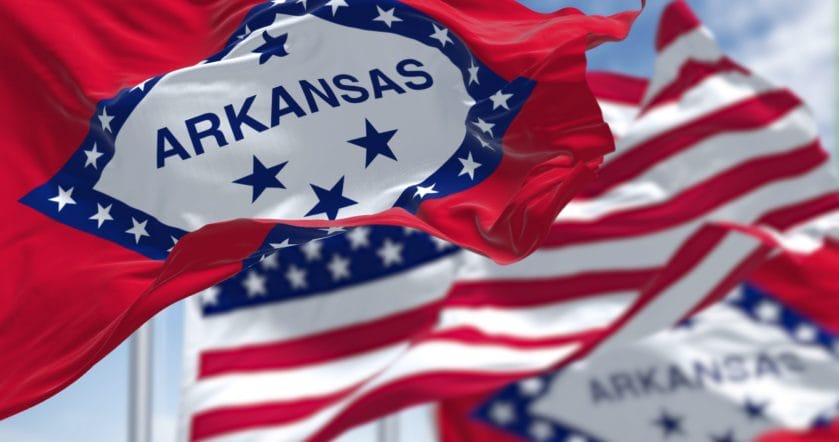
On January 1, 2026, Arkansas officially eliminated the state sales tax on groceries, a move celebrated as a major victory for household budgets. Shoppers expected to see a noticeable drop in their weekly bill immediately. However, weeks into the new year, many Arkansans are checking their receipts and feeling confused and cheated because the “Tax” line item is still there, and the total hasn’t budged as much as anticipated. The reality is not a glitch in the register; it is a misunderstanding of how the tax code actually works.
The “State” vs. “Local” Distinction
The law that went into effect on January 1 repealed the state portion of the sales tax. What many shoppers didn’t realize is that the state tax on groceries had already been whittled down to a minuscule 0.125% over previous years. The heavy lifting on your tax bill actually comes from local taxes and city and county levies, which remain in full effect. In many parts of Arkansas, combined local sales taxes can reach upwards of 2% or 3%. So, while the state took its tiny sliver off the top, the bulk of the tax burden remains, legally collecting revenue for your local municipality.
The Inflation Mask
Furthermore, standard grocery inflation has effectively swallowed the savings. Because the state tax cut was less than one-eighth of one percent, it only takes a minor price increase from a manufacturer to wipe out that benefit. If a loaf of bread went up by five cents due to transport costs in 2026, that increase is larger than the fraction of a penny you saved on the tax. The tax cut is real, but it is being invisible-ized by the broader economic context of rising food prices.
The Prepared Food Loophole
Another reason your receipt might look unchanged is the distinction between “groceries” and “prepared food.” The tax exemption applies specifically to staple groceries. It typically does not apply to prepared foods, which are taxed at the full general sales tax rate. If your cart contains a rotisserie chicken, a bag of hot potato wedges from the deli, or a heated sandwich, those items are still taxed heavily. This “mixed cart” taxation keeps the total tax line higher than expected.
Check Your Receipt for “Food Tax”
To verify you are actually getting the cut, look closely at your receipt. Most grocery store POS systems have separated taxes into “General Sales Tax” and “Food Tax”. The “Food Tax” rate should now reflect only your local city and county rate. If you live in a city with a 2% local tax, your grocery tax line should be exactly 2%. If it is 2.125%, the store may not have updated its system yet.
The Long-Term Perspective
While the immediate impact feels underwhelming, economists argue that the elimination of the grocery tax is a long-term win for the state’s competitiveness. It removes a layer of bureaucracy and aligns Arkansas with the majority of states that do not tax essential food. However, for the family trying to make ends meet this week, the advice remains the same: the tax code won’t save you, but smart shopping might.
What to Read Next
The Resolution Tax Why Healthy Groceries Spike in Price Every January
How Grocery Rewards Programs Became the New Tax on the Poor
Why Are Some States Bringing Back Grocery Taxes in 2025?
10 Items Still Taxed as “Luxury” in Grocery Stores Across the U.S.
5 Food Staples That Could Be Taxed in 2025
The post Arkansas Grocery Tax Update: Why Your Receipt Total Isn’t Dropping as Expected appeared first on Grocery Coupon Guide.