Image Source: Pexels
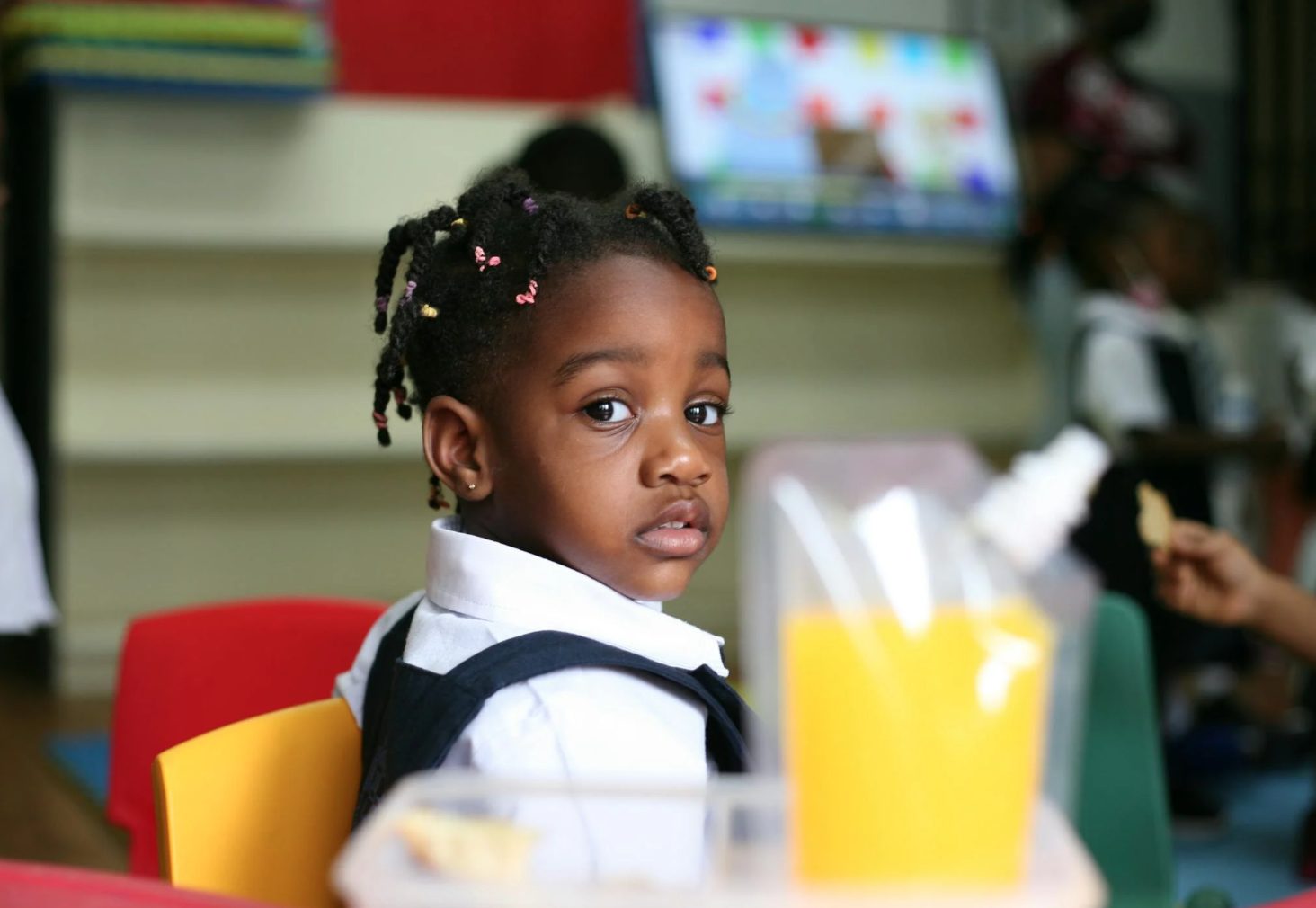
Arizona parents are seeing a growing shift in how early childhood screening is approached, as programs expand across the state. These screenings are designed to identify developmental delays, behavioral concerns, and learning challenges before children enter kindergarten. For many families, this means earlier support and better long-term outcomes for their children. The push reflects a broader national trend emphasizing prevention over intervention, especially in education and health. As Arizona invests more resources into these efforts, parents are being encouraged to take a more active role in their child’s developmental journey.
Why Early Childhood Screening Matters More Than Ever
Early childhood screening programs are gaining traction because research consistently shows that the first five years of life are critical for brain development. In Arizona, educators and healthcare providers are working together to ensure children are assessed early for speech, motor skills, and social development. For example, a preschooler struggling with language delays may benefit significantly from early speech therapy, preventing larger academic challenges later. According to data from organizations like the American Academy of Pediatrics, early detection can reduce the need for special education services by up to 30 percent. This proactive approach not only supports children but also reduces long-term costs for families and school systems.
How Arizona Is Expanding Access to Screening Services
Arizona has been steadily increasing access to screening through schools, pediatric clinics, and community centers. Many districts now offer free developmental screenings for children as young as three years old, making it easier for families to participate regardless of income. Mobile screening units and partnerships with local nonprofits are also helping reach rural and underserved communities. For instance, some programs allow parents to complete preliminary screenings online before attending in-person follow-ups. This multi-channel approach ensures that more children are evaluated early, especially those who might otherwise fall through the cracks.
What Parents Should Expect During a Screening
Parents often feel uncertain about what happens during an early childhood screening, but the process is typically straightforward and non-invasive. Children may be asked to complete simple activities like stacking blocks, identifying colors, or responding to basic questions. Specialists observe how the child communicates, moves, and interacts, providing a well-rounded picture of development. In many cases, results are shared immediately, along with recommendations if any concerns arise. Parents should view screenings as a helpful check-in rather than a test, offering insight into their child’s growth and areas where support may be beneficial.
Addressing Common Concerns and Misconceptions
Some parents worry that screenings could label or stigmatize their child, but experts emphasize that the goal is support, not diagnosis. Early childhood screening does not automatically lead to formal diagnoses; instead, it highlights areas that may need closer attention. Another concern is cost, yet many programs in Arizona are free or covered by insurance, making them accessible to most families. There is also a misconception that children will “”grow out of”” developmental delays without intervention, which is not always the case. By addressing concerns early, families can avoid more significant challenges later, both academically and socially.
Real-Life Impact: How Early Screening Changes Outcomes
Consider a real-life scenario where a four-year-old in Phoenix struggled with attention and social interaction but had not yet entered a structured school environment. After participating in a community screening program, the child was referred to early intervention services, including behavioral therapy. Within a year, noticeable improvements were seen in communication and classroom readiness. Stories like this highlight the tangible benefits of early detection and timely support. These programs are not just theoretical—they are actively shaping better futures for Arizona children every day.
A Stronger Start for Arizona’s Next Generation
The expansion of early childhood screening in Arizona represents a meaningful step toward improving education and health outcomes statewide. By identifying challenges early, families can access resources that make a real difference in their child’s development. This initiative reflects a growing understanding that early support leads to long-term success, both academically and socially. Parents play a crucial role in this process by staying informed and engaged.
What steps will you take to ensure your child gets the strongest possible start, and have you considered scheduling a screening soon? Share your thoughts and experiences in the comments below to help other Arizona families navigate this important journey.
What to Read Next
Ohio Families: Developmental Screenings Are Happening Earlier
5 California Theaters Offering Sensory-Friendly Screenings for Kids With Special Needs
What You’re Missing: 6 Urgent Health Screenings Your Baby Needs
The post Arizona Parents: Early Childhood Screening Efforts Expand appeared first on Kids Ain't Cheap.