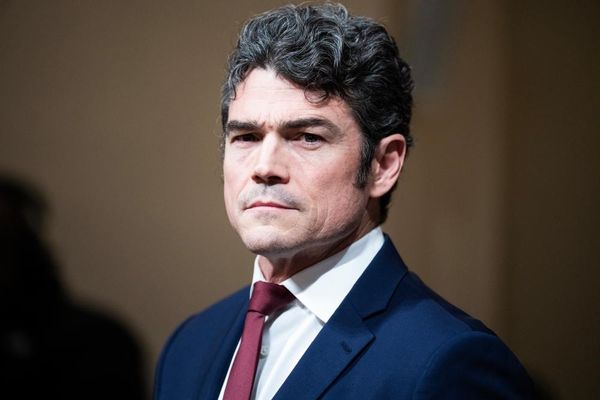
BUENOS AIRES (Reuters) - Argentina's health secretary resigned on Friday after a protocol he signed the day before, aimed at making abortion more available, was revoked by conservative President Mauricio Macri, less than a month before he is to leave office.
"Unfortunately, the repeal of the protocol forces me to resign my position as the nation's secretary of health," Adolfo Rubinstein said in his resignation letter, a copy of which was seen by Reuters.
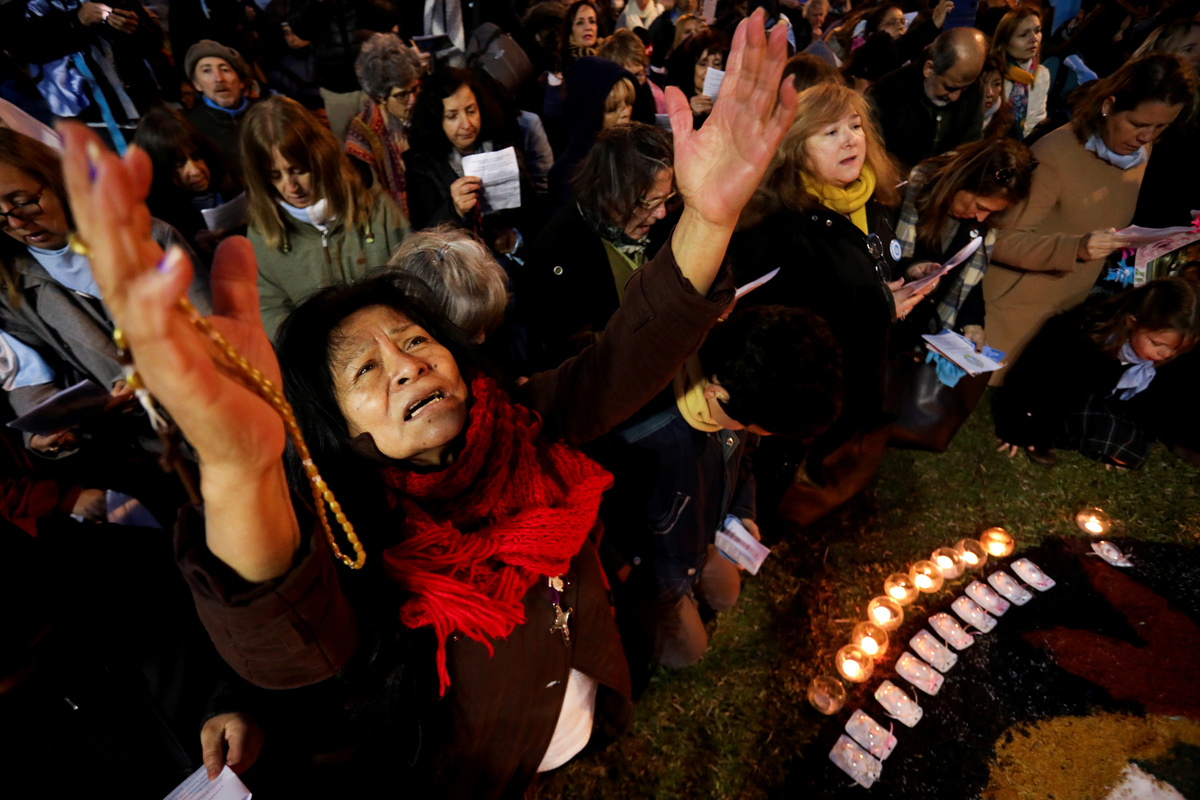
The proposed nationwide protocol would have widened the criteria under which abortion is allowed. Currently, the procedure is only legal in cases of rape or threat to the life or health of the mother, although local authorities have latitude in deciding which cases fall under the criteria.
The proposed new protocol would have considered all pregnant girls 13-years-old or younger to have been raped, hence eligible for abortion. All girls 15 and under would have been eligible for abortions due to "physical and psychological risks."
Conservative Macri shot down the wider criteria, saying that Rubinstein acted beyond his authority.
"This was a unilateral decision by the secretary, and that is wrong," Mauricio Macri said on Instagram about the issuance of the updated protocol.
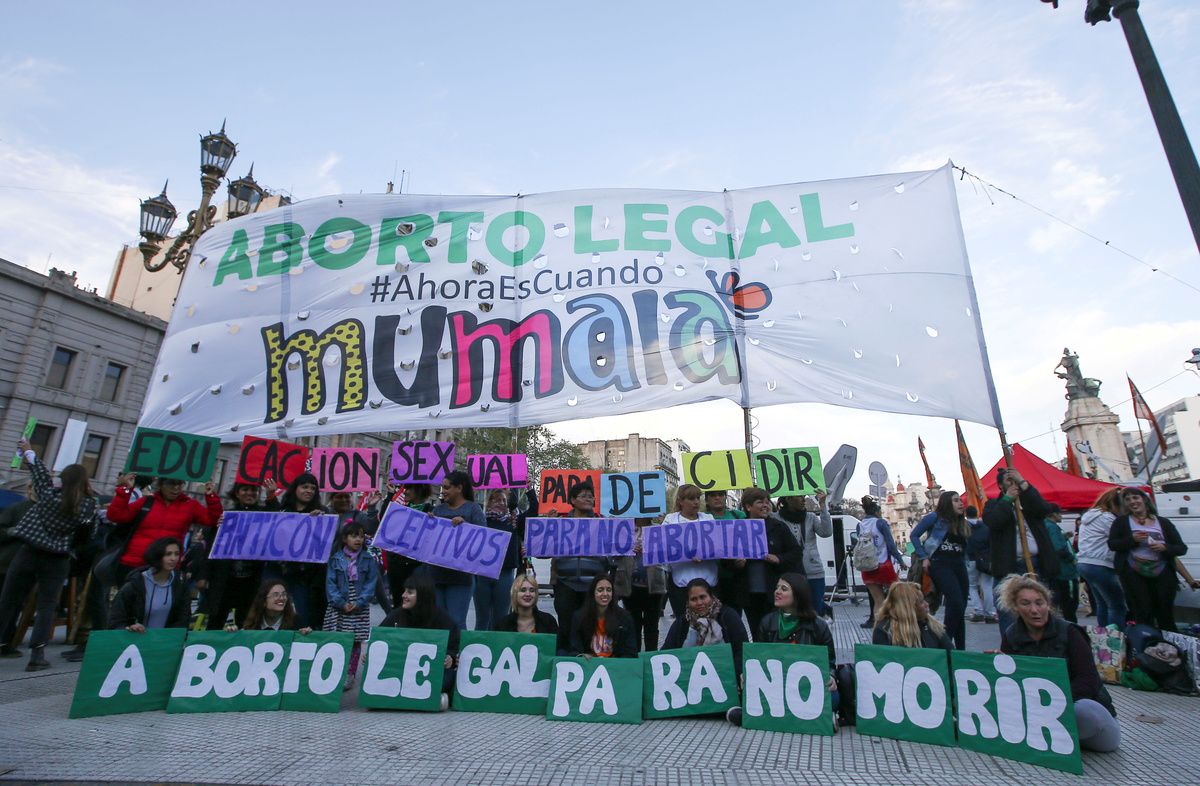
Abortion is a highly contested issue in Argentina. There are at least 350,000 illegal abortions in the country every year, the Ministry of Health estimates, though international human rights groups say the number may be higher.
President-elect Alberto Fernandez, set to take office on Dec. 10, has said he favors abortion rights and vows to send a bill to Congress once he is in power. Proposals to widen the availability of abortion have been batted back and forth between the lower house and Senate for years.
(Reporting by Marina Lammertyn; writing by Hugh Bronstein; Editing by David Gregorio)