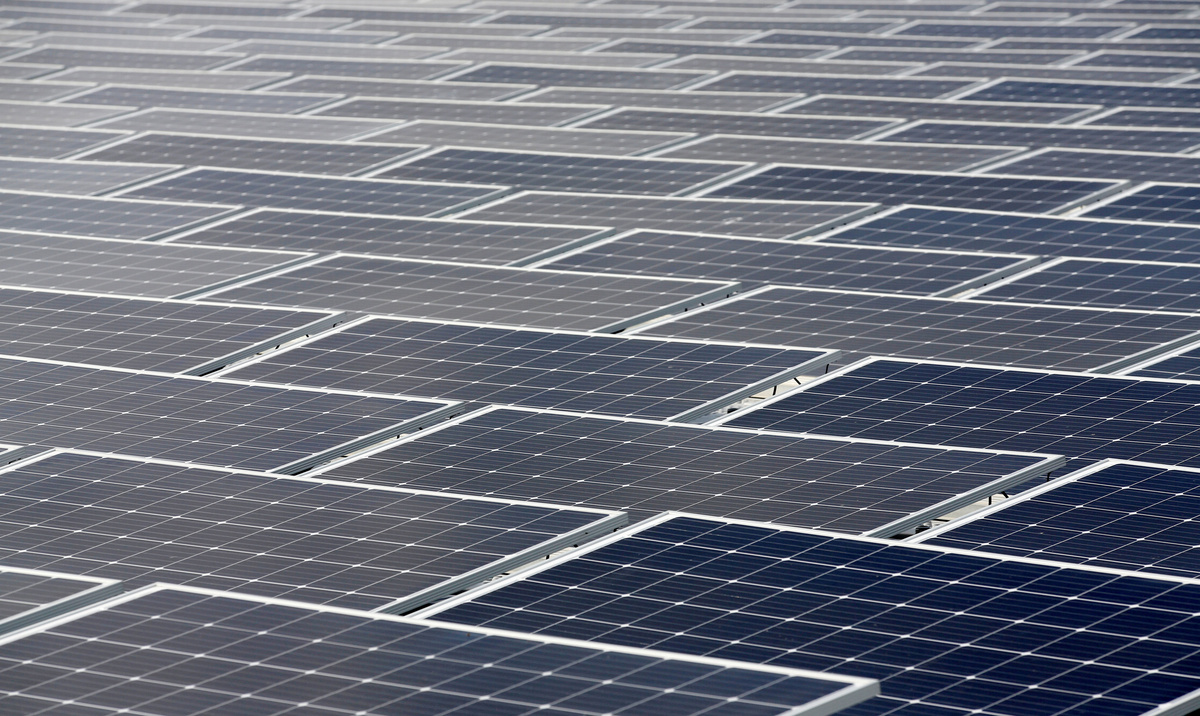
BUENOS AIRES (Reuters) - In Argentina's sunny Mendoza province, officials had been preparing to break ground on the Vecaso solar park, a 115 megawatt project costing $90 million. The culmination of nearly four years of planning, Vecaso was one of several ambitious projects to take root under a renewable energy push by the government of President Mauricio Macri.
But that project is now in limbo, along with at least two other clean energy investments totaling half a billion dollars - victims of political and economic uncertainty that has crimped cash flow into Argentine industries from shale drilling to cars.
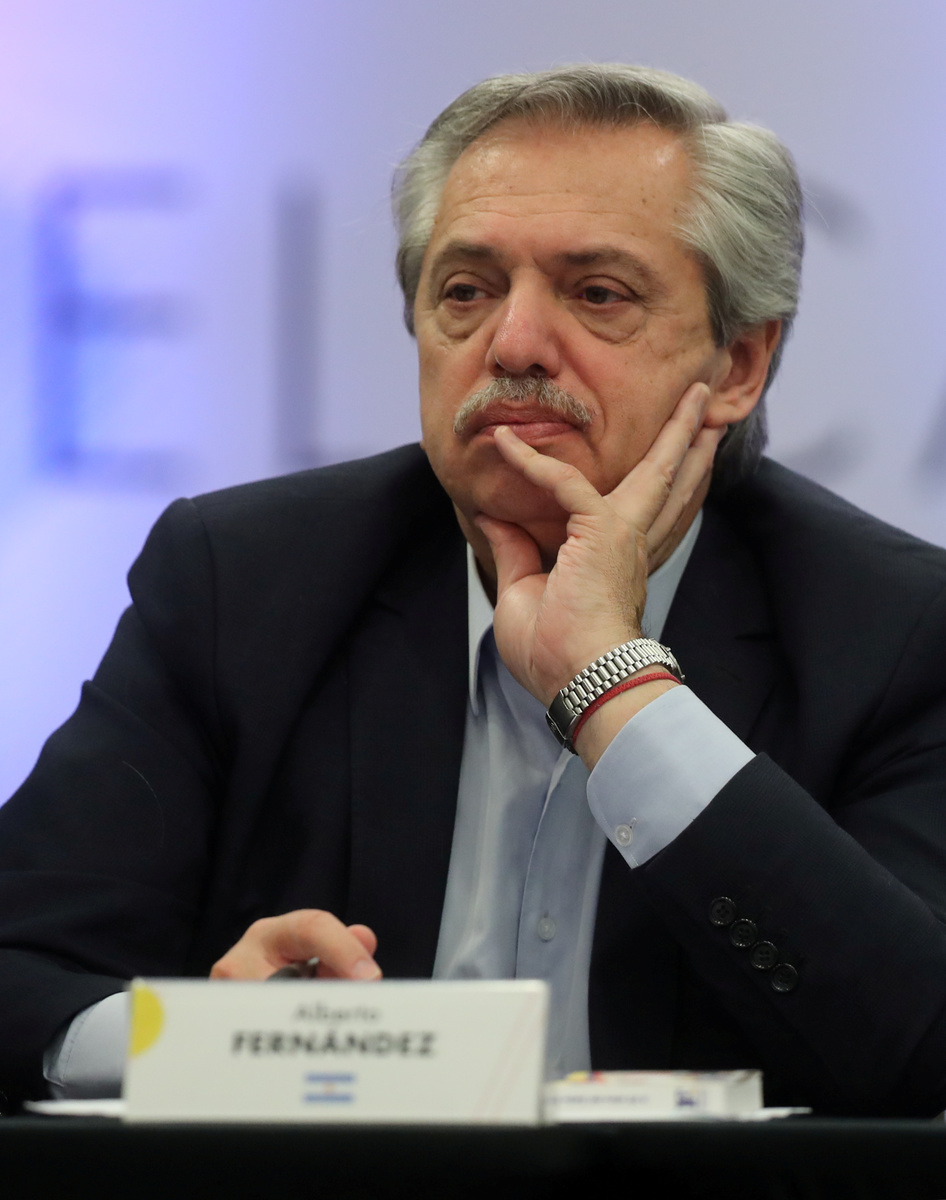
Latin America's no. 3 economy is facing default fears following a sharp market crash and has imposed stricter capital controls to protect the peso after an election last month that saw business-friendly Macri beaten by opposition candidate Alberto Fernandez.
Once a sector that represented more than $4.5 billion in investments and 9% of the country's total generation, the clean energy projects have ground to a halt as companies and financial backers wait for signals from Fernandez on his approach to energy and economic policy.
"The idea was to start construction before the end of the year, but with the current uncertainty we have been forced to adjust," said Ramiro Marquesini of Verano Capital, the Latin American company responsible for building the Vecaso solar park.
Marquesini said he hopes the construction will not be delayed beyond June of next year, if the situation has stabilized by then.
Fernandez' vice president will be firebrand former President Cristina Fernandez de Kirchner, known for interventionist economic policies during her two terms between 2007 and 2015. The return of the Peronists to power from next month has prompted investor fears that Argentina could be headed again in a more protectionist direction.
A spokesman for Alberto Fernandez did not respond to request for comment for this story.
The political uncertainty - not to mention inflation running at nearly 51% - has put up a barrier to finishing renewable energy projects in development, like the Vecaso solar park, industry executives told Reuters.
Further complicating the landscape are capital controls imposed by Macri's government that require financing institutions to convert investment dollars into pesos upon entering Argentina.
"Development banks and export credit agencies all just stopped making disbursements," said Gustavo Castagnino, communications director for Genneia, an Argentine energy firm that suspended the development of four wind farms representing a total of 200 megawatts.
Marcelo Alvarez, president of the Argentine Chamber of Renewable Energies (CADER), told Reuters in an interview that the situation was affecting "one of the few sectors that had real investments in recent times," adding that projects requiring a large initial investment were particularly affected.
In northwestern Argentina, a planned solar park in Jujuy province - already home to South America's largest solar farm - stalled after the results of the August primary election indicated that Macri was on his way out, according to a source with direct knowledge of the project.
Those behind the project had been in talks with European development banks for $100 million in funding to build a 96 megawatt solar farm. The paper work and due diligence was in advanced stages, according to the source, who declined to be named due to the political sensitivity of the issue.
Then, Fernandez trounced Macri by a wider-than-expected margin, sending the peso and markets tumbling.
"We had an informal 'ok,' but when they were presenting the project to their steering committees, after the results of the primary, they didn't say no - they told us they were going to wait until things were more stable," the source said.
The project leaders are now looking into alternative funding options, the source said.
(Reporting by Marina Lammertyn; additional reporting by Cassandra Garrison; Editing by Rosalba O'Brien)