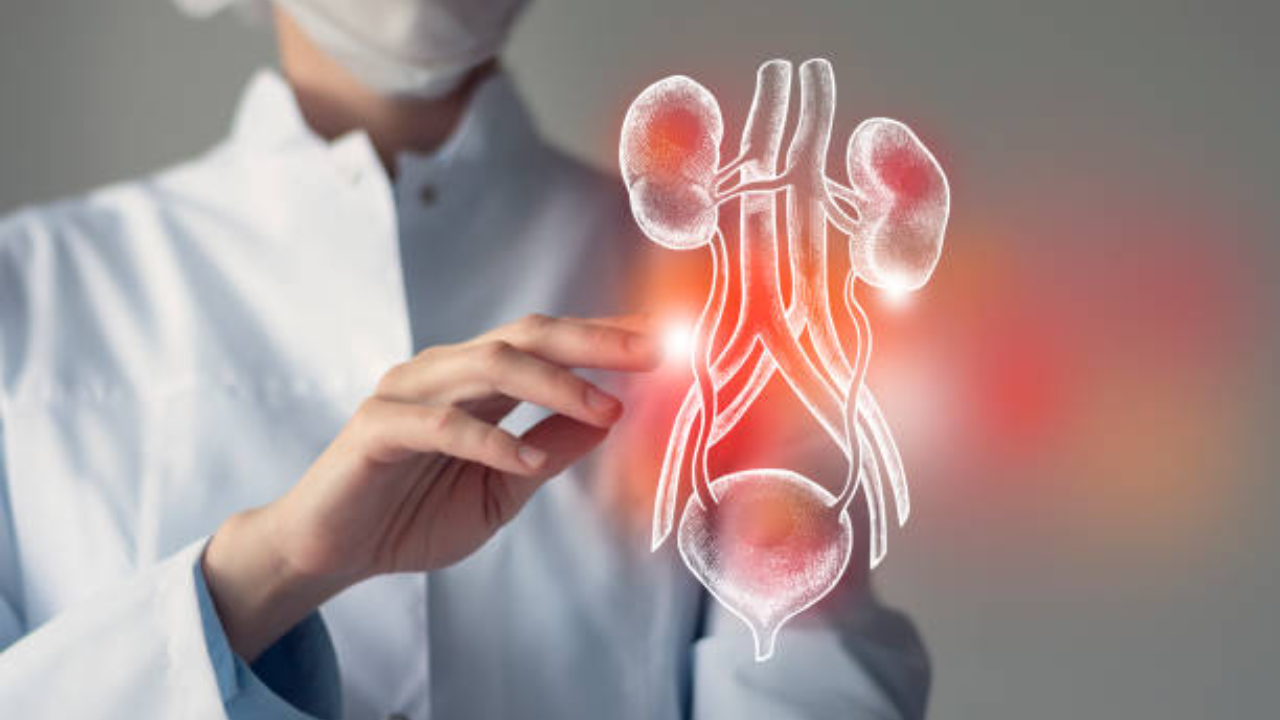
Kidney disease occurs when the kidneys lose their ability to filter waste and excess fluids from the blood. It can result from diabetes, high blood pressure, infections, or genetic disorders. Symptoms include swelling, fatigue, changes in urination, and nausea. Chronic kidney disease (CKD) progresses over time and may lead to kidney failure, requiring dialysis or a transplant. Early detection through blood and urine tests helps manage the condition. A healthy diet, regular exercise, and controlled blood pressure and sugar levels can prevent or slow progression. Consulting a doctor at the first signs of trouble is crucial for kidney health.
While kidney disease may not show symptoms in its early stages, there are several signs that you should not ignore:
Fatigue and Weakness: Accumulation of toxins due to reduced kidney function can lead to persistent tiredness and weaknessSwelling: Edema, particularly in the ankles, feet, and hands, is a common symptom due to fluid retentionChanges in urine output: Increased or decreased urination frequency, dark or foamy urine, or blood in the urine are indicative of kidney issuesShortness of breath: Fluid build-up in the lungs can cause breathing difficultiesBack pain: Pain in the lower back or sides may indicate kidney problemsNausea and vomiting: Toxin build-up can cause digestive disturbancesHigh blood pressure: Uncontrolled hypertension is both a cause and a symptom of kidney diseaseItchy skin: Dry, itchy skin can occur due to waste build-up
When to get tested
If you notice any of these symptoms or are at risk for kidney disease, it is essential to get tested. Risk factors include:
Diabetes and hypertension: These are leading causes of kidney disease globally
Family history: A history of kidney failure or disease increases your risk
Age: Being over 60 years old also elevates your risk
Testing for kidney disease
Two primary tests are used to diagnose kidney disease:
1.Estimated Glomerular Filtration Rate (eGFR): A blood test that measures kidney function by estimating how well the kidneys filter waste.
2.Urine Albumin-Creatinine Ratio (uACR): A urine test that detects protein leakage, indicating kidney damage.
Importance of early detection
Early detection and intervention can significantly improve outcomes for individuals with kidney disease. Regular monitoring and lifestyle changes can help manage the condition and prevent progression to kidney failure. If you have risk factors or notice any symptoms, consult a healthcare provider for proper evaluation and care. Prompt medical attention is crucial to maintaining kidney health and preventing complications. Being aware of potential signs and risk factors can lead to timely diagnosis and treatment of kidney disease. Regular health check-ups are essential for those at risk, and prompt medical attention is necessary if symptoms persist or worsen. By taking proactive steps, you can protect your kidney health and ensure a better quality of life.
Dr Jayant Kumar Hota, Senior Consultant, Nephrology, Indraprastha Apollo Hospitals