All of us experience sadness and also many of us go through depression. While sadness is experienced by everyone, depression is common too. However, the former is more of an emotion while the latter is a mental health condition. It is important to be able to differentiate between the two so that depression is not taken lightly, while one can also find ways to healthily manage and deal with both sadness and depression.
Understanding sadness
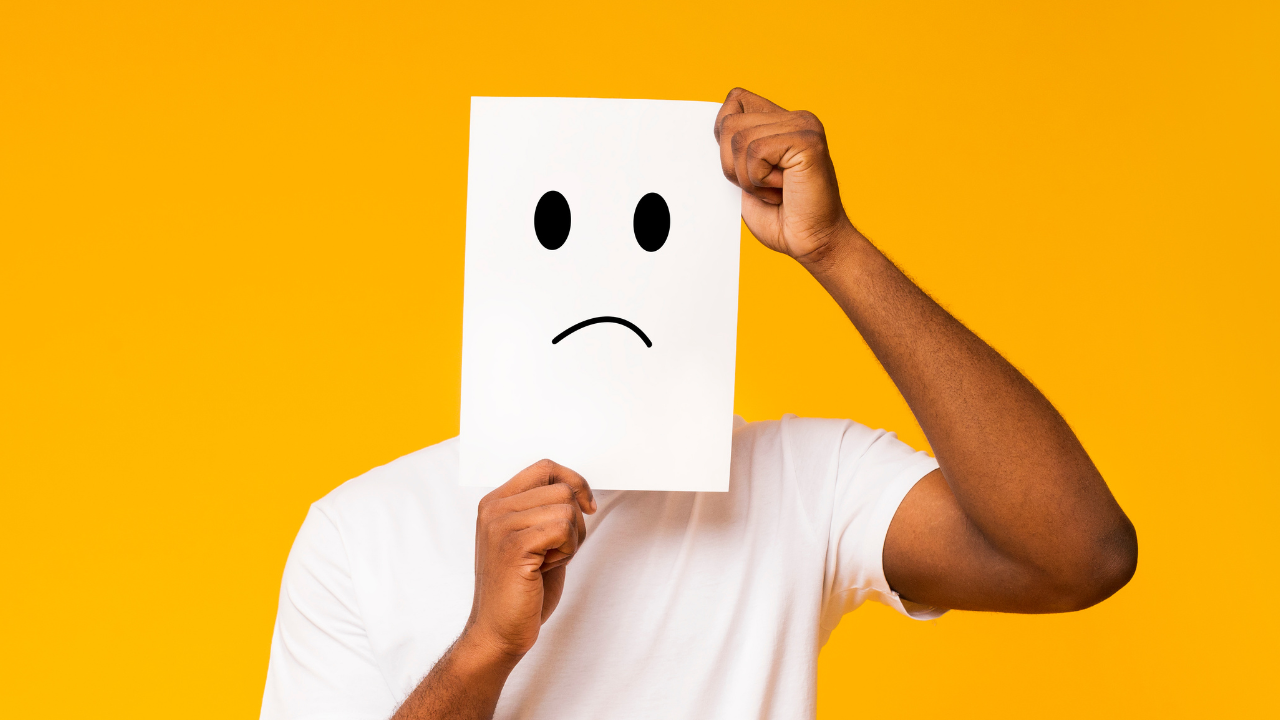
Sadness is a normal human emotion that every single person will experience multiple times in their life. There can be many events in your life that can make you feel sad – for a few minutes to even a couple of days. In most cases, sadness is triggered by external events like break up, failing an exam, losing a loved one, stress and so on. However, sadness is not a ‘disorder’ that requires medical intervention and treatment to get over, unlike depression.
Healing from sadness
While sadness is uncomfortable and heart-breaking, there are several ways to deal with it. One can get over this feeling or emotion from crying, venting, or talking out frustrations. Sometimes, distractions like watching your favorite show or working out can lift your mood and dispel your state of sadness.
Sadness usually passes with time. However, if it gets worse or lasts longer than 2 weeks, the person should consider consulting their doctor as this could be a sign of depression. Do not worry, as this is just for clarity and your doctor will be able to diagnose your situation better and help you heal.

Understanding depression
According to the US NIH, depression is a common but serious mood disorder. “It causes severe symptoms that affect how a person feels, thinks, and handles daily activities, such as sleeping, eating, or working.”
Symptoms of depression include feelings of discouragement, sadness, hopelessness, a lack of motivation and a loss of interest in activities that the individual once found enjoyable.
Healing from depression
If you think you have depression, it is important to consult your doctor for proper diagnosis and treatment. Your doctor can help to determine the level of treatment necessary to manage your symptoms. Possible treatments include medication, counseling, and psychotherapy.
Medications include selective serotonin reuptake inhibitors (SSRIs), a type of antidepressant that increases the levels of serotonin in the brain, that helps to improve mood. Psychotherapy involves talking to a trained professional. A therapist can help identify problem areas and teach coping mechanisms.