
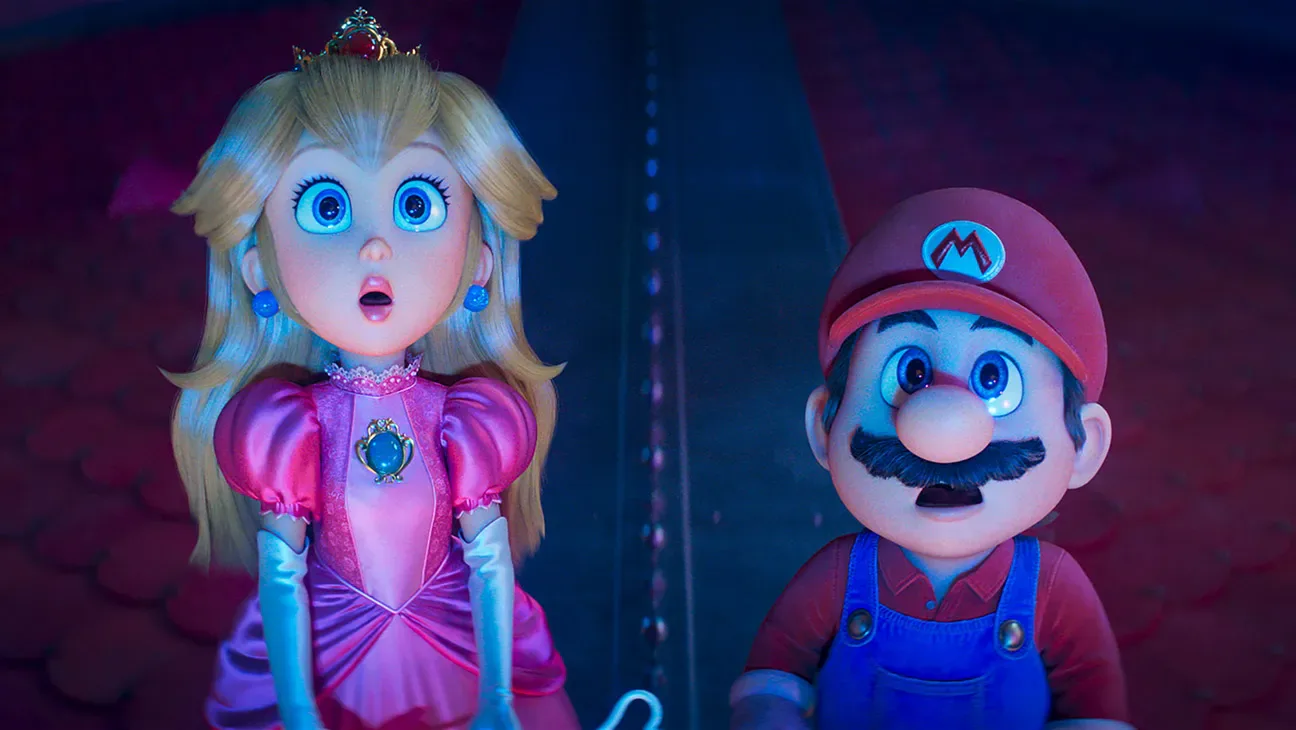
From the start of the medium in the early 60s all the way up to the modern day, the history of video games is defined by constant evolution. Pong gave way to Pac-Man, which led to Doom, which led to Call of Duty. This is an abridged history, of course, but each of those advancements corresponded with a step forward in terms of both technology and video games as an industry. We’re now on the ninth generation of video game consoles, which have achieved a level of photorealism that would’ve been thought impossible 40 years ago, and what’s more, the global video game market was valued at around $322 billion in 2025, a behemoth number larger than even film or music.
And yet, there’s trouble in paradise: As of July 7, Microsoft is set to lay off at least 3200 employees, along with axing no less than five studios, with Xbox taking the brunt of the damage. And almost as if to compete with Xbox for worst announcements, on July 9, Sony announced that they’re moving away from the manufacturing of physical discs, ushering us into a digital-only era just as games are steadily creeping up in price —look no further than GTA6, $79.99, a $10 increase from standard industry prices for new games.
Right now, the future looks to be a dire landscape for gamers, an irony contrasted against how well video game movies have been doing over the last few years, which begs the question – is there an inverse connection between the two?
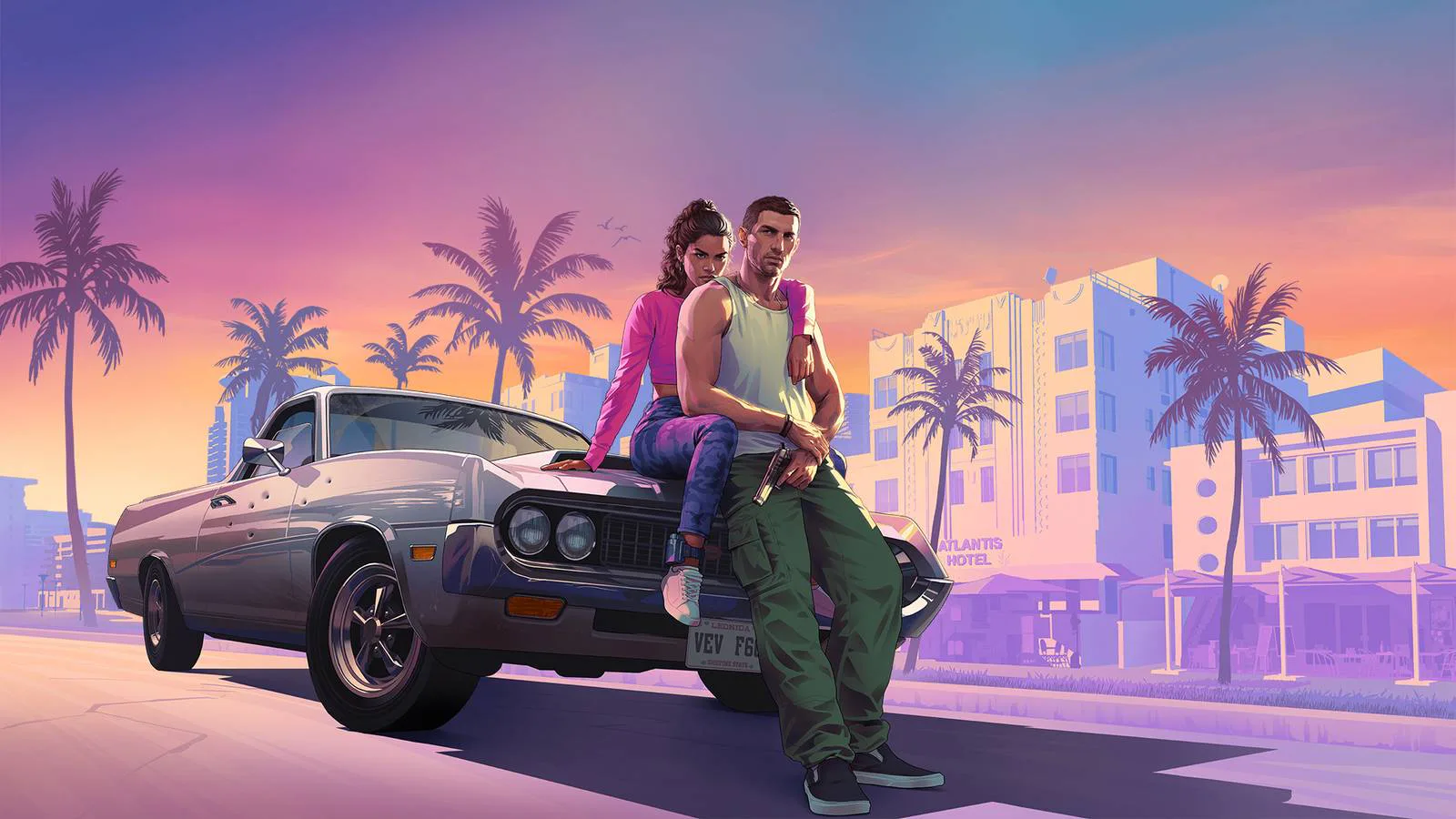
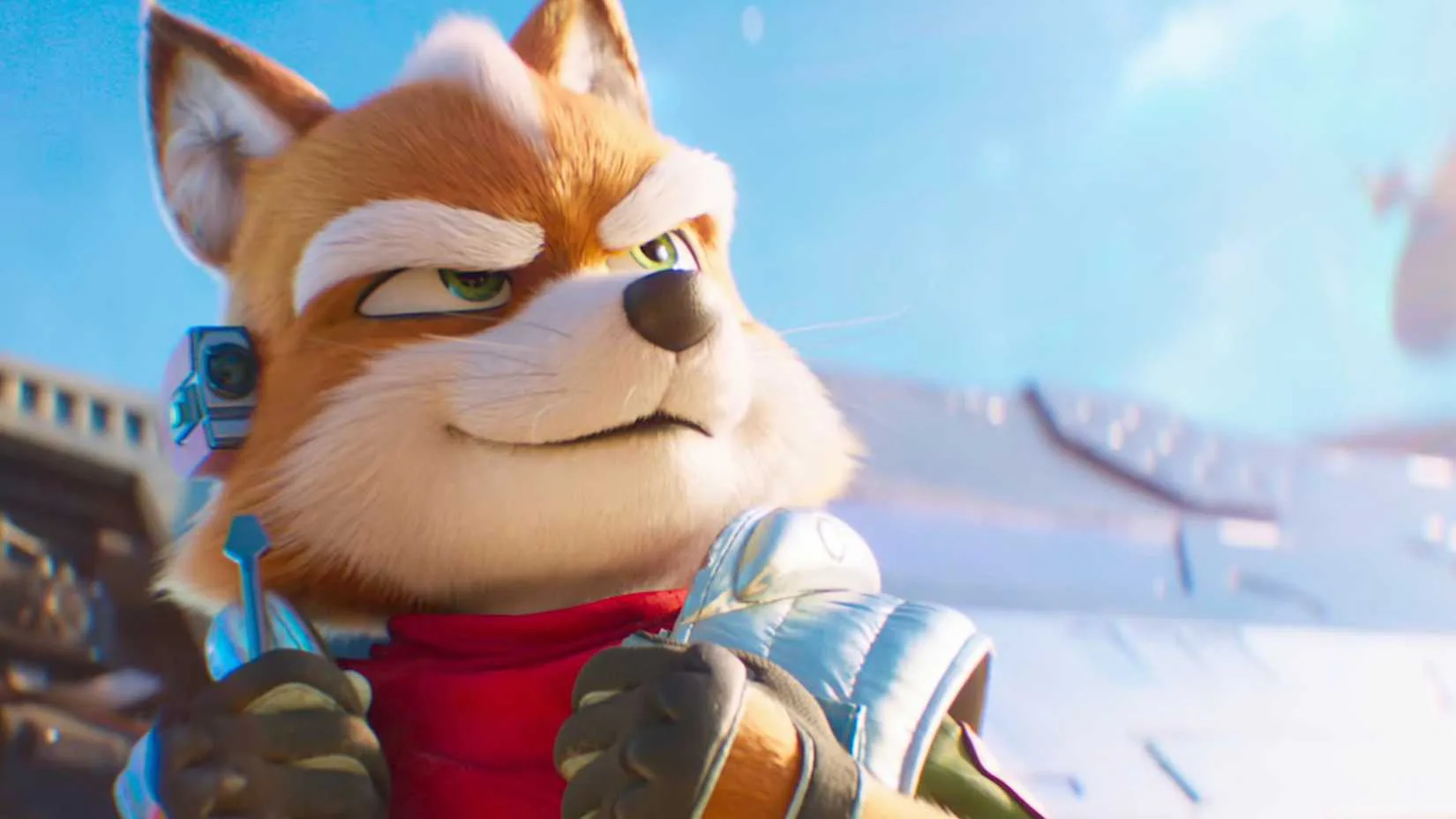
It seems like a rather odd point to bring up – after all, there’s no direct indication that the presence of movies based on games has any adverse effects on the games themselves. The Super Mario Galaxy Movie and Fox McCloud’s cameo directly preceded the arrival of a video game remake of StarFox 64, and oftentimes games will synergize events to correspond with film releases, like the game Mortal Kombat 1 providing cosmetics and themed challenges around the release of Mortal Kombat 2.
But the problem isn’t necessarily a simple cause-and-effect of films harming the gaming industry directly. The issue might be, that the increased prevalence of video game movies is reflective of a transformation in the way video games are seen as a business venture. Just like when superhero movies became a dominant force at the box office, comic books suffered in comparison to the point of becoming a supplemental niche to the films. For years, Marvel Comics was criticized for the trend of “MCU synergy,” a phenomenon by which characters and major events would be contingent on whatever was happening on-screen at that point in the universe. (For what it’s worth, comic book sales have increased slightly in the past decade, slightly up from the decrease during the height of the MCU.)
Are video games becoming more like comic books, at least in relation to Hollywood? From massive triple-A titles like as Battlefield and God of War, to niche content like Life is Strange and Dead by Daylight, to even classic games like Streets of Rage – everything is being excavated for the sake of its value outside of the art form they were created within. It’s an ethos that’s at the heart of one of the biggest debates in the gaming community, which is the battle between heavily “cinematic” games and more traditional video game experiences.
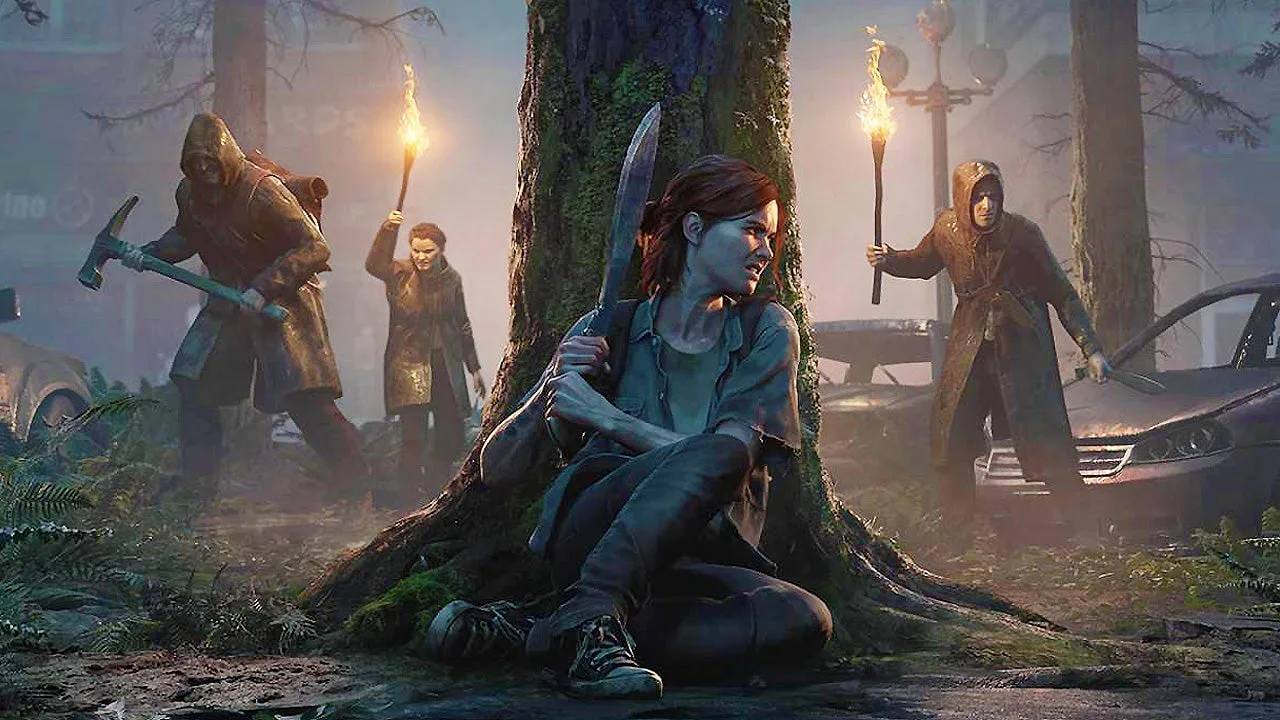
It’s hard not to look at how examples of the latter, like The Last of Us or Death Stranding, feel almost primed for the adaptations that eventually came along from the source material. That’s not to say that these are the only kinds of games that have been adapted onto the big screen, but it does seem like certain developers and publishers are approaching projects with the end goal of film or television adaptations front and center.
It would be unfair to lay the blame for the state of the industry squarely at the feet of movies, but it does feel odd that we’re getting a surge of financially successful video game adaptations at the same time as the industry is changing drastically in ways not conducive to players. All of it reflects an increasing corporatization of something that was, once upon a time, so driven by a simple sense of wonder and discovery, of making a game to create a work of art that could push the medium forward as opposed to making a game to line the pockets of corporate investors.
Hopefully, the gaming industry finds a way to move forward and reject the increasing compartmentalization of what exactly makes the medium special to the millions of people who have indulged in it for more than 4 decades now, but right now, the future does look a little bleak. At least we’ll get some good movies and TV in the meantime.