For a while NME shied away from putting Ditto on its cover, but then went all out with this memorable image, exposing more of rock’s Queen of Cool than anyone had seen before, relegating no less than Paul McCartney to a down page thumbnail photo in the process Photograph: NME
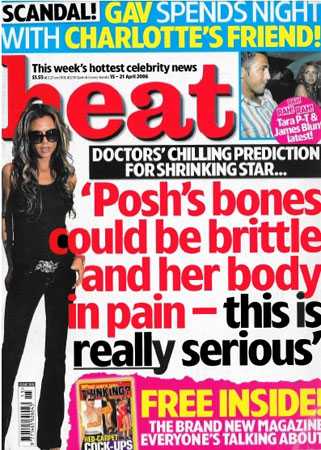
Heat covers a potential Victoria Beckham health scare in its usual witty but over-the-top way. Unusually for the magazine that regards celebrities as its catwalk and aims to put a celeb on every page, Posh has been shunted to the side of the cover to make way for the blaring headline Photograph: Heat
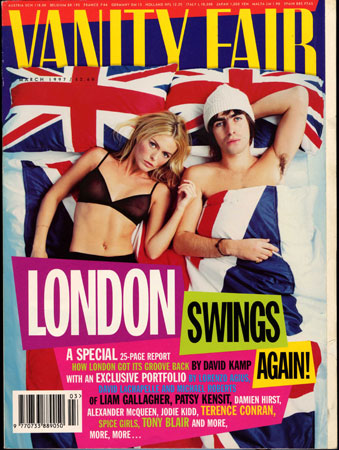
Tony Blair was poised to take the keys to Number 10 in the era of the Spice Girls, Brit Pop and Cool Britannia. And a certain Toby Young, attempting to climb the ladder at Vanity Fair, came up with the bright idea of a special edition about who was putting the great back into Great Britain. Patsy Kensit and Liam Gallagher did the honours on the cover with a Union Jack duvet Photograph: Vanity Fair
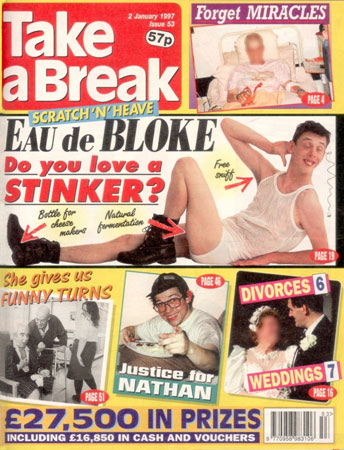
Praised as way ahead of its time, this cheeky cover turned the world of real life magazines on its head, with its skinny man and jokey headline. But the magazine also managed to cram onto its cover love, marriage, life, divorce – all human life is here Photograph: Take a Break
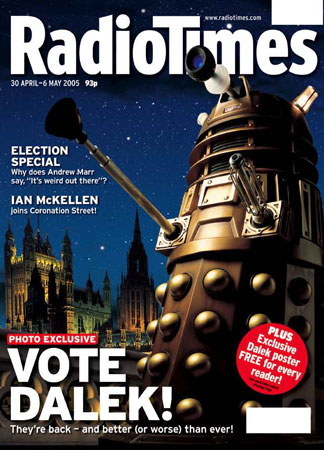
As if the Daleks ever bothered with democracy. Picked from a long line of memorable covers, this effort captured the mood of the public during the general election campaign as they awaited the return of the Daleks in Doctor Who. It also remained true to the magazine’s recognition of the cultural importance of TV and – as it recreated a scene from Doctor Who in 1964 – its own fascination with TV history Photograph: Radio Times

Creative, influential and branded obscene in a controversial trial verdict that was later quashed, Oz epitomised the 1960s and proved a training ground for Maxim publisher Felix Dennis. This first cover from 1967 boasted a feature on New Statesman editor Paul Johnson and why he is so “bloody successful”. How times change Photograph: Oz
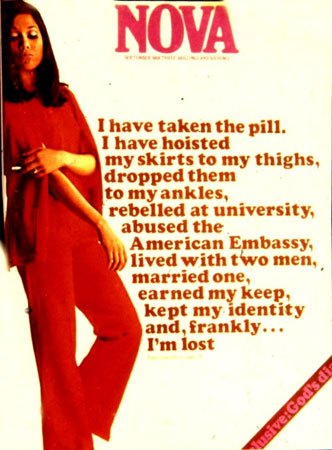
A groundbreaking style title for British women in the 1960s, Nova was a world apart from the comfortable home-making titles that dominated the market with its sexy and stylish attitude to women. This cover told a life story in 41 words and caught the confidence and confusion wrought by the sexual revolution. The magazine closed in 1975 before owners IPC attempted a shortlived revival in 2000 Photograph: Nova
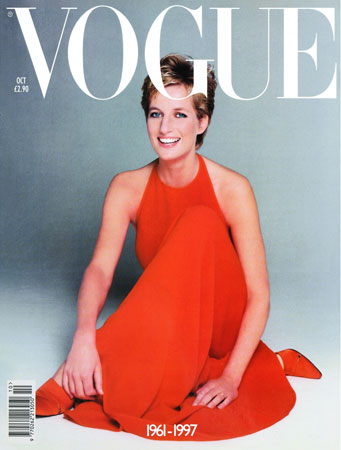
The face that sold a million magazines, and tens of millions more after her passing. Many, many magazines marked the passing of Diana, Princess of Wales after her sudden death in 1997. Vogue stood out with a simple bare cover using a Patrick Demarchelier photograph of Diana in a red dress. It stood out from the crowd Photograph: Vogue
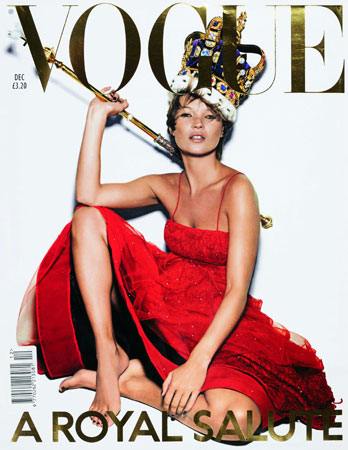
It might strike some as an odd choice to have Croydon-girl-made-good Kate Moss on the cover of Vogue as part of the royal salute tribute issue of 2001, but then Vogue’s favourite cover girl is magazine and fashion royalty to many in the industry Photograph: Vogue

A genuinely arresting cover for the film magazine of the infamous Darth Vader contained a surprise for readers as they opened the magazine to hear the villain's instantly recognisable respirator. A chip stuck to the front cover on the magazine provided sounds and had the whole industry wondering “why didn’t we think of that?” Photograph: Empire
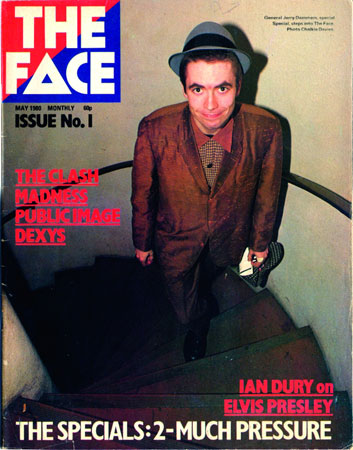
In 1980 The Face appeared and British magazines were never the same again. Editor Nick Logan launched the magazine by mortgaging his house, and designer Neville Brody ensured it became the 1980s style bible for New Romantics and the club scene Photograph: The Face

Vivienne Westwood dressed as Margaret Thatcher made a memorable cover for society magazine Tatler in 1989 and had readers doing a double take when it appeared in newsagents. “This woman was once a punk” was the cover line, using Sex Pistols-style torn newsprint typography, a daring departure for the prim and proper magazine Photograph: Tatler
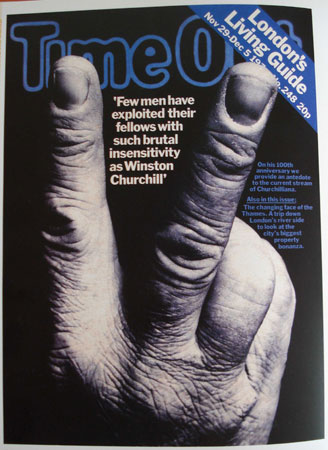
London’s guide to what’s on has weathered the storm of countless newspaper imitations. This cover from 1974, during a more confident, politicised era of the magazine, provided a two-fingered salute to Winston Churchill on the 100th anniversary of his birth as a counterpoint to the prevailing Churchillmania Photograph: Time Out

At the heart of the lads magazine explosion was Loaded, the magazine “For men who should know better”. This cover of Kevin Keegan “vandalised” with graffiti perfectly captured the magazine’s mix of intelligence and irreverence Photograph: Loaded
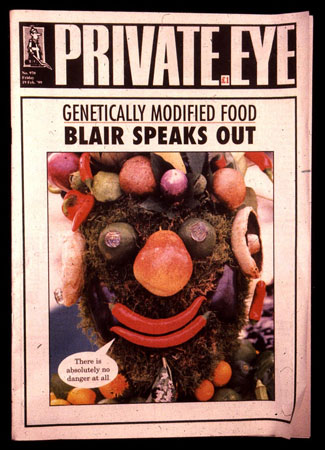
Ever since 1961, Private Eye has mixed biting satire with news other outlets have not dared to print. At the height of the genetically modified food debate of the 1990s, this cover left readers in little doubt as to Private Eye’s view of the absurdity of the situation Photograph: Private Eye