

In 2026, the focus is all on detail. While bold prints have long stolen the spotlight, a smaller, more playful trend is emerging – one that’s all about adding a little special something.
But don't fret, maximalists. This isn't a total rejection of pattern. Instead, we're upping the ante with extra fringe, piping, and statement edges on our couches and pillows to add texture, personality, and playfulness to our homes. And this small-but-mighty design trend is set to make a big impact in 2026.
From linking colors across a room to highlighting the shape of a piece, the trend offers a tactility that decorating with patterns can’t always achieve. So, why are designers championing a revival of this previously outdated look? I spoke to the experts to find out why they all want to embrace a little more pizzazz next year.
Are Statement Trims Replacing Bold Prints?
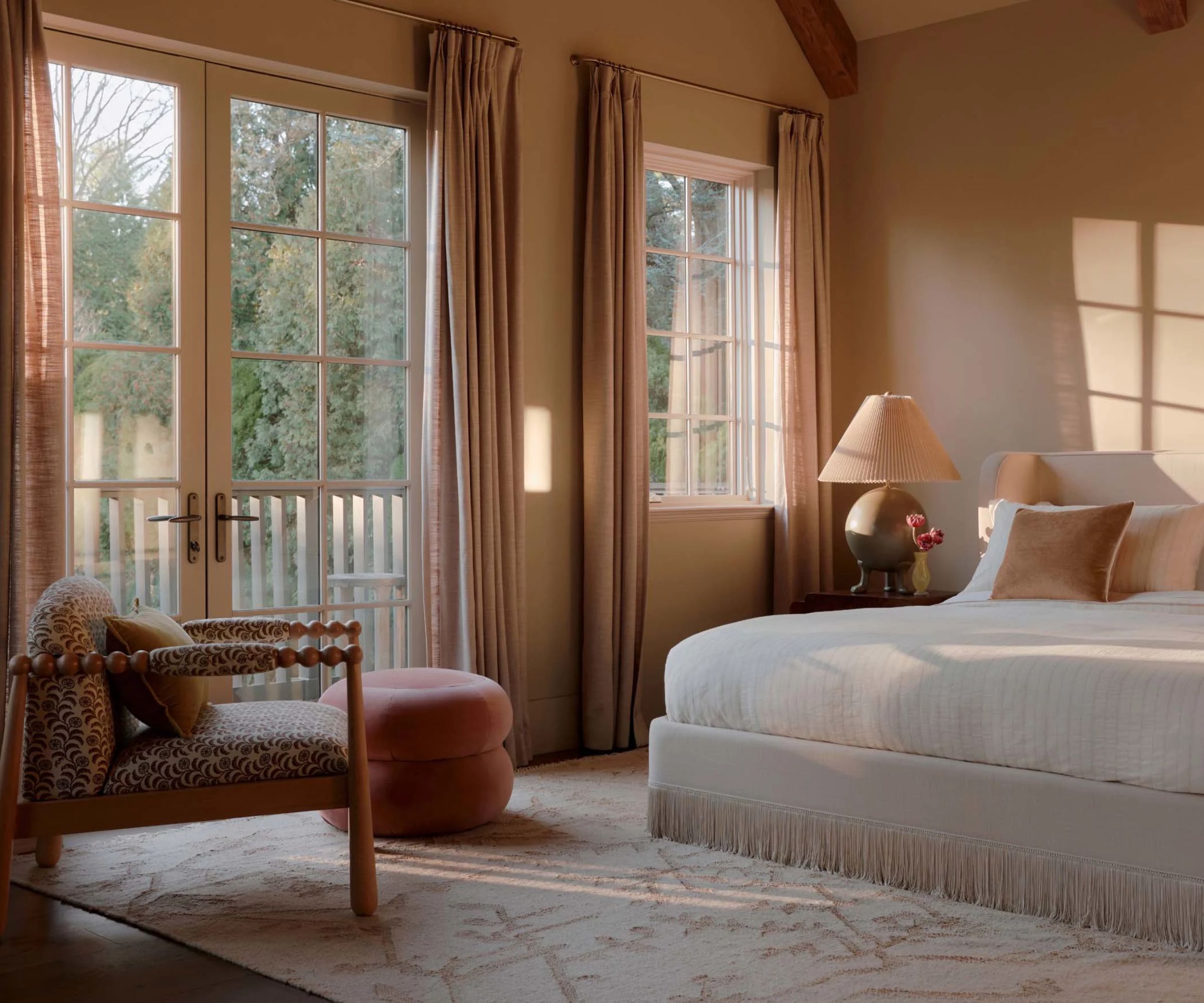
As I said, decorative trims certainly aren’t here to push bold prints off the stage – they’re simply expanding the fun we can have with a room. Where prints make a dramatic splash, trims work quietly alongside them, adding extra depth, texture, and fun.
As Kailee Blalock from House of Hive Design Co. explains: 'Statement trims aren’t replacing bold prints, they’re expanding the vocabulary of how we add interest to a space. These details bring a tactile richness that pattern alone can’t always convey. They help break up solids, soften edges, or highlight the architecture of a piece of furniture.'
'For years, detail work like fringe, tape trims, scallops, and piping took a backseat, but we’re seeing a resurgence of craftsmanship-driven design,' Kailee explains. 'I think of trims as the finishing touches that make something feel considered. What we’re really seeing is a desire to return to the artistry of upholstery and textiles. Prints still have their place, but trims allow us to layer, experiment, and create more nuanced, visually dynamic pieces.'
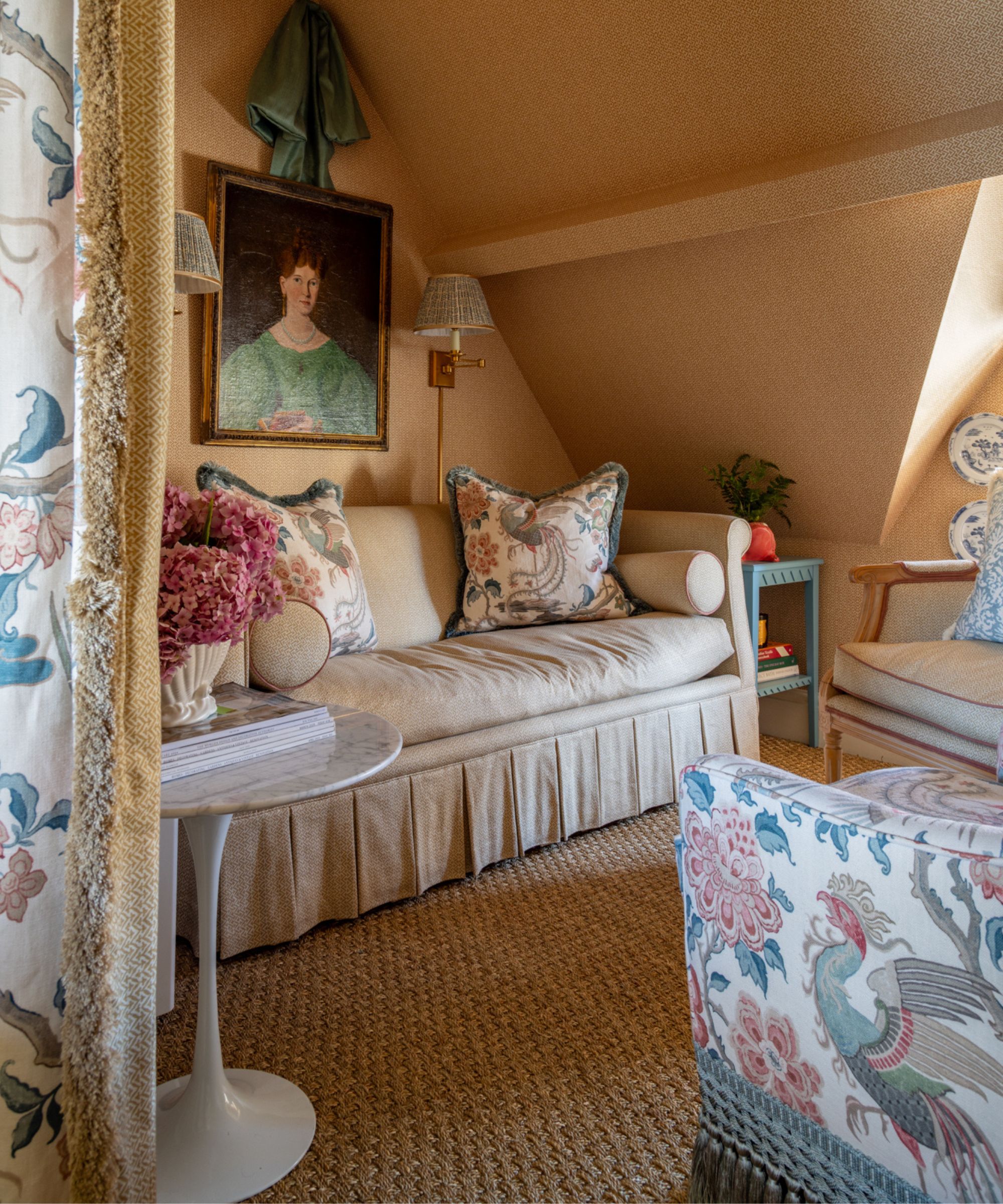
A fringe along a sofa or chair, a contrasting piping on a throw, or a delicate braided edge on drapes draws the eye, elevates a room's color scheme, and helps to highlight the lines of a piece.
'These small details can completely transform a piece and really pull a room together,' says designer Sean Symington. 'Spaces come alive through the details, and trims are a fantastic way to add personality without things feeling overly matched.'
'I often use them to link colors throughout a room or to introduce a subtle hit of texture,' Sean continues. 'You can also be quite playful – think a large braided trim as a contrast edge on a cushion or along a sofa skirt. Those little touches make such a difference; they add depth, visual interest, and that bespoke touch that makes a space feel considered and layered.'
While Sean uses traditional tassels and trims to create a very English country aesthetic, you can also use contrast edges in more modern schemes to bring sculptural pieces to life.
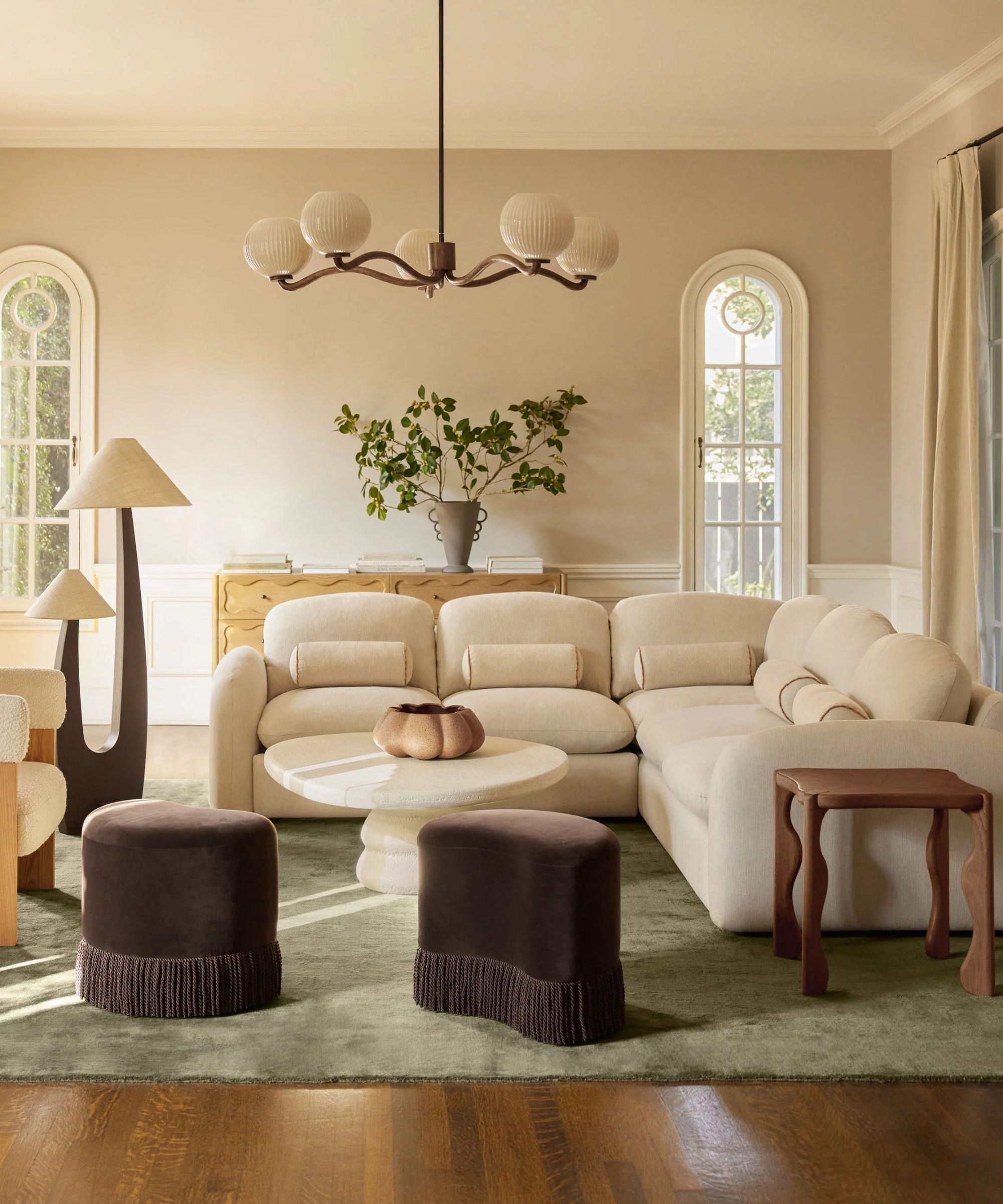
Fringe, piping, and braided details are no longer reserved for the overly formal or traditional spaces. Instead, they’re being used in fresh, modern ways that bring movement, color, and an edge to more minimalist spaces. These details let you dial up the personality without overwhelming the room, and they’re surprisingly easy to use.
'Statement trims are a nice way for the maximalism-phobic (myself included) to add a dash of pizazz to upholstery, pillows, and draperies,' says designer Bethany Adams.
'Where bold prints scream, delicate trims whisper “look over here!",' she adds. 'Adding a fringe to the base of a solid-colored chair or sofa adds whimsy, while a contrast piping on a pillow evokes tailoring and luxury.'
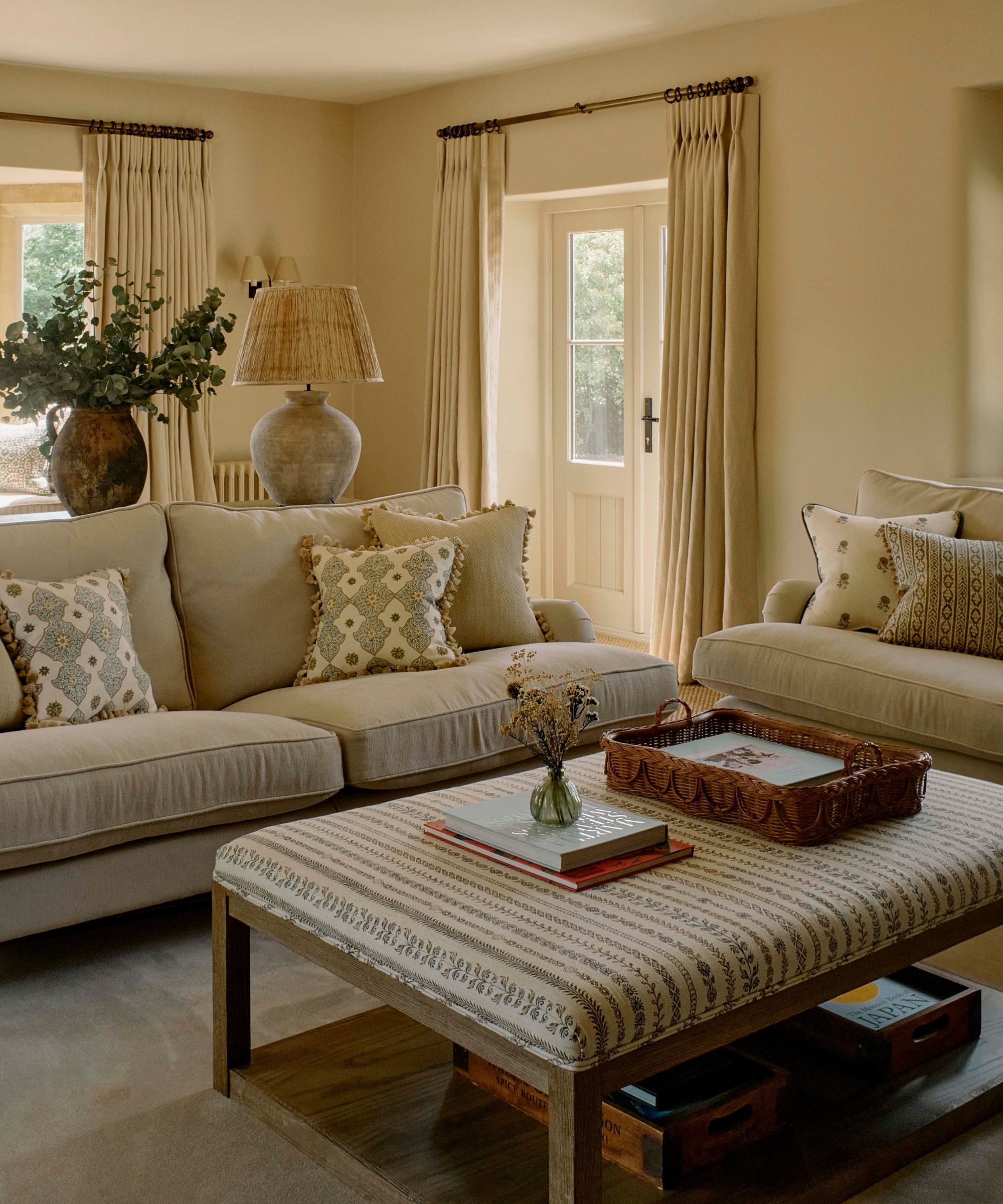
'Maximalist design continues to make a statement, and we are fully in favor of it,' adds designer Lauren Gilberthorpe. 'Trims introduce detail and texture in a controlled and thoughtful way, which allows a room to feel expressive while still calm.'
Of course, when we talk trim, there are plenty of styles and options to play with. Fringe trims are having a real moment, bringing a sense of whimsy and softness to pieces and giving a retro nod to a scheme.
'A double rouche fringe on cushions adds a touch of opulence that works especially well with a softer palette,' Lauren adds. 'Contrast piping is another favorite because it carries a single color throughout a room and creates a sense of continuity without relying on large-scale pattern.'
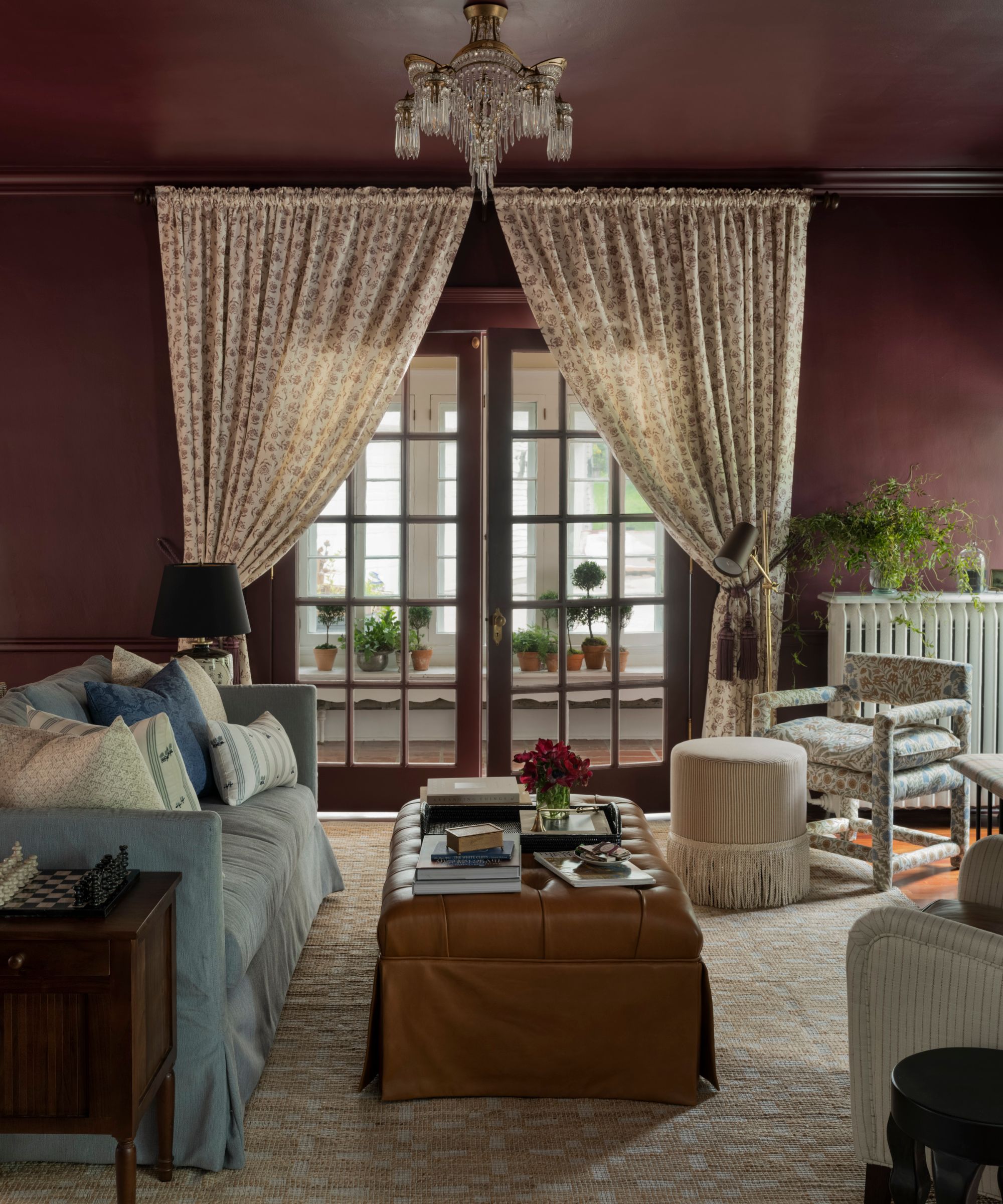
One of the loveliest things about statement trims is how effortlessly they adapt to different interior design styles. Whether your home leans minimalist, maximalist, or sits somewhere in between, these little extras can be styled to suit any space.
For neutral rooms with softer palettes, trims can be transformative. They bring in a hint of color and detail that keep a plain room from feeling flat – even the simplest cushion can feel custom with the right tassel or trim adding. And for those who shy away from maximalism, trims offer just enough flair without going pattern-heavy.
On the other side of the spectrum, trims also play beautifully with both pattern and color. They shouldn't compete, but complement pattern on pattern. A bold print can feel even more intentional when finished with a neat piping or a braid that ties it back to the rest of the scheme.
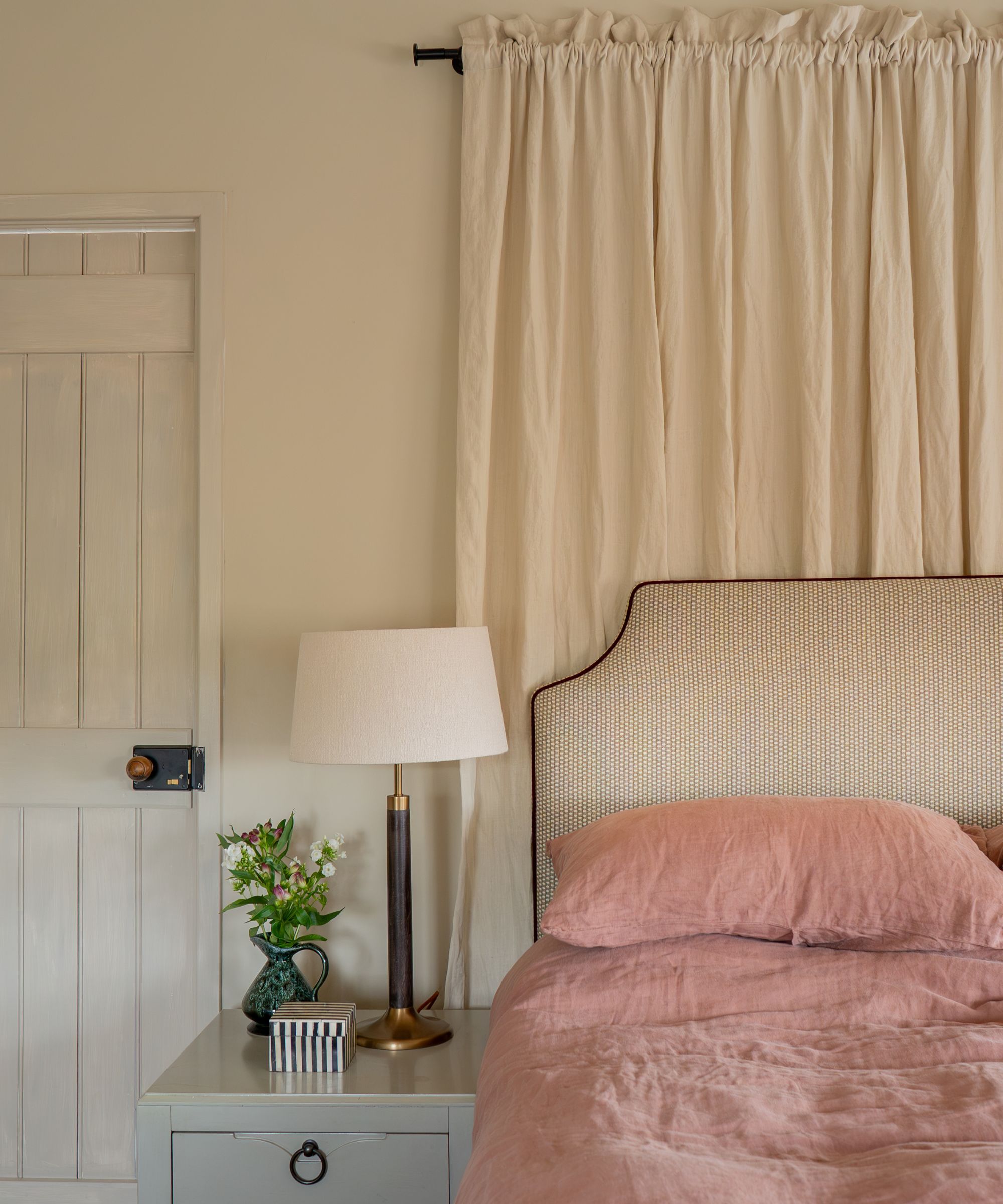
The beauty of decorative trim is that you don’t need to overhaul your entire home to enjoy them. A few small, thoughtful additions can instantly lift a room, giving your existing pieces a little more presence and polish.
A great place to start is with throw pillows. Contrast piping or a playful edge can introduce color without committing to pattern, and it’s an easy way to test how a new tone feels in your space. From there, consider adding fringe or braid to a lampshade, a bedspread, or even an ottoman – small shifts that bring movement and texture into a room.
For something a touch bolder, look to larger soft furnishings. Curtains with a statement border, a headboard outlined in contrast piping, or a skirted sofa can all add a hint of luxury.
'Adding statement details to furniture and accessories is a simple way to elevate a space without relying solely on bold prints,' British textile designer Tori Murphy explains. 'I love using elements like fringe, piping, studs or trims on headboards, cushions and curtains, because they add personality, texture and visual interest in a subtle way.'
Shop Tassels, Trims, and Statement Edges
The Olivares chair is perfect for cozy corners, lounges, or dressing tables. Its compact barrel silhouette and fringe detailing add playful movement to any space. Tailor your upholstery choice to suit your scheme, from muted neutrals to rich tones.
Soft, simple, and understated, this pillow cover is a versatile accent piece that works with a range of styles. Its refined floral print and striped trim bring a layer of texture to sofas, beds, or reading nooks, making it an ideal choice when you want interest without bold color.
Upholstered in a refined white linen blend and finished with contrasting terracotta-hued piping, this wall-mounted headboard instantly creates a cozy, hotel-inspired bedroom. Its gently padded shape offers comfort for lounging and reading, while the bevel silhouette brings elegance.
A modern classic reimagined, the Brett accent chair brings depth and comfort to living rooms, studies, or bedroom seating areas. Upholstered in lush velvet in a rich jade green hue, it pairs plush softness with refined structure. Finish with metal legs in tarnished brass and a contrast trim for a tailored finish.
Bring a hint of botanical print to your sofa or bed with this charming pillow in a vintage Indigo tone. Made from a soft linen-blend fabric with a classic ruffle edge, this fresh floral pillow is perfect for elevating coastal or neutral spaces and pairs lovely with earthy tones.
A standout ottoman with retro flair, the Astrid stool from Shea McGee captures attention with its long, playful cotton fringe and rusty hue. Upholstered in soft velvet and supported by low wooden bun feet hidden just beneath the fringe, it brings both comfort and character to entryways, living rooms, or bedrooms.
The most exciting design moments aren’t always the loudest ones. Fringe, piping, contrast edges, and thoughtful trims are proving that personality can be expressed just as powerfully through texture and small detail as it can through big and bold pattern. Will you be taking this trend into 2026?