
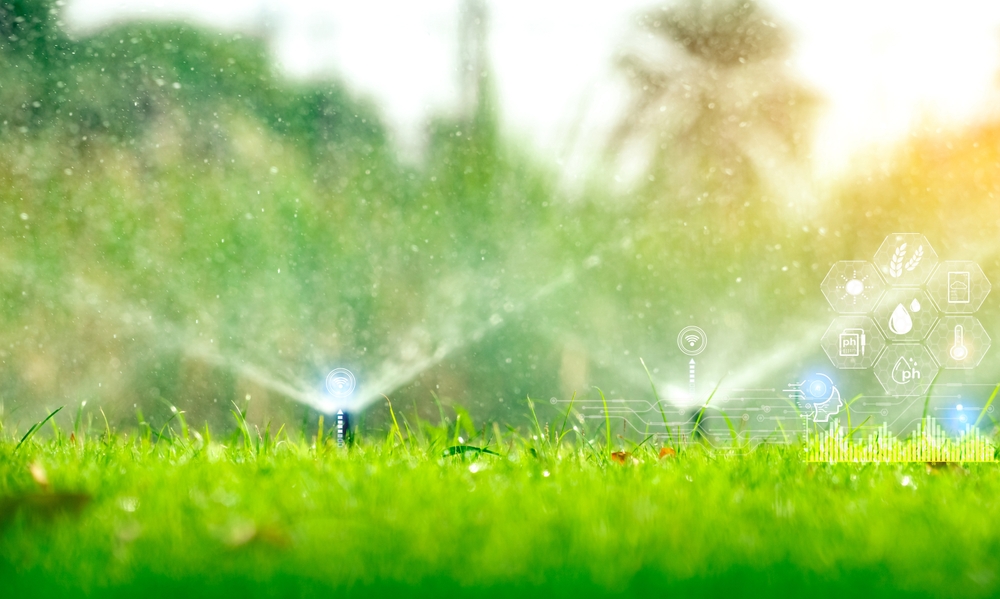
A smart irrigation timer can turn a tiny yard from a daily watering chore into a low-maintenance garden space that practically takes care of itself. For homeowners with a small patch of grass, a few flower beds, or a container garden collection that has slowly taken over the patio, the question comes down to one thing: does the technology actually earn its spot on the wall?
Small yards often create the illusion that watering takes little effort. A quick splash from a hose seems harmless, but inconsistent watering can stress plants, encourage shallow roots, and waste water when the weather changes. A smart timer brings a little backyard intelligence to the job, but it also comes with costs and features that deserve a closer look.
Small Yards Still Waste Water Without a Plan
Tiny landscapes can lose water quickly because small spaces often contain different plant needs packed close together. A sunny herb garden, shady fern corner, and thirsty vegetable containers may all sit within a few steps of each other. A basic timer follows a schedule, but a smart irrigation timer can adjust watering based on weather information, soil conditions, or seasonal changes. That extra flexibility helps prevent the classic mistake of watering during a rainy week.
Many gardeners discover that their biggest watering problem comes from routine rather than yard size. A person might set a sprinkler schedule in spring and forget about it during a hot summer stretch or a cooler fall season. Smart timers help solve that problem by allowing quick adjustments through a phone app and reducing the chance of accidental overwatering.
Smart Features That Actually Help Small Spaces
Smart irrigation timers offer several features that make sense even for compact yards. Weather-based scheduling ranks among the most useful because the system can skip watering when rain already handled the job. Some models also connect with moisture sensors that measure soil conditions and provide another layer of information before watering begins. These tools can make plant care feel less like guesswork and more like a simple conversation with the garden.
Small yards often benefit from zone control because different areas rarely need identical care. A vegetable bed might need frequent moisture, while drought-tolerant plants prefer a lighter touch. A smart system can divide those areas into separate watering zones, which keeps each section happier without soaking everything nearby.
When a Smart Timer Might Not Be Worth the Money
A smart irrigation timer does not automatically make sense for every tiny yard. Someone with a few containers on a balcony or a handful of plants near the front door may find that a watering can and a simple routine work perfectly well. Adding technology to a very small setup can create more complexity than convenience. The best tool depends on the size of the garden, the plants involved, and the gardener’s daily habits.
Installation also merits consideration because some systems require compatible irrigation equipment, Wi-Fi access, or a bit of troubleshooting during setup. A homeowner who enjoys hands-on gardening might prefer spending time with plants instead of managing another app. However, busy gardeners who travel, work long hours, or frequently forget watering schedules may quickly appreciate the convenience.
Finding the Right Smart Irrigation Match
Choosing a smart irrigation timer starts with looking at the actual yard instead of chasing every feature on the market. A small lawn with an existing sprinkler system may benefit from a full smart controller, while a garden with a few drip lines may only need a simple smart hose timer. Matching the device to the landscape prevents unnecessary spending and keeps the setup practical.
Good watering habits still matter even with fancy technology sitting on the wall. Smart timers cannot fix clogged emitters, poor soil, or plants placed in the wrong location. Regular checks help catch leaks, broken sprinkler heads, and other problems before they turn into bigger gardening frustrations.
The Tiny Yard Technology Decision That Makes Sense
Smart irrigation timers can deliver real value in small yards when they solve a genuine problem. They save time, encourage better watering habits, and help gardeners respond to changing weather instead of following an outdated schedule. A tiny yard does not need the most advanced system available, but it can benefit from the right amount of automation. The smartest choice focuses on convenience, plant health, and avoiding wasted water.
Before buying one, gardeners should look at their current routine and ask whether watering feels simple or annoying. If the hose becomes a forgotten weekend task or plants regularly suffer from missed watering, a smart timer could become one of the most useful garden upgrades. If the yard already feels easy to manage, keeping things simple may make more sense.
Would a smart irrigation timer make your yard easier to manage, or do you prefer a more hands-on gardening routine? Give us your thoughts and experiences below in our comments section.
You May Also Like…
Could a Gravel Garden Cut Watering Without Looking Bare?
Can Shade-Loving Edibles Lower Your Garden’s Water Needs?
How to Tell If You’re Watering Deeply Enough
Are Punctured Rain Barrels the Next Low-Cost Irrigation Trend?
Smart Garden Tech: Drip Irrigation and Soil-Moisture Sensors Conserve Water and Money
The post Are Smart Irrigation Timers Worth It for a Tiny Yard? appeared first on Frugal Gardening.