
Image Source: Shutterstock.com
Kids learn how to navigate the world long before they ever step into a classroom, and most of that education happens at home in the everyday moments no one posts about. It shows up in how parents respond to big feelings, hard questions, mistakes, and meltdowns that happen before bedtime.
Emotional safety isn’t about perfection or never raising your voice; it’s about creating a home where kids feel seen, heard, and safe enough to be honest. Yet many families talk nonstop about physical safety, grades, and discipline while emotional safety barely gets a mention. If we’re being honest, most parents care deeply about their kids’ emotional health, but few were taught what emotional safety actually looks like in daily family life.
Emotional Safety Isn’t Soft — It’s Foundational
Emotional safety often gets misunderstood as being overly gentle or permissive, but real emotional safety actually builds resilience, not fragility. It means kids feel secure enough to express fear, anger, sadness, and confusion without worrying they’ll be shamed or dismissed.
Research in child development consistently shows that emotionally secure children develop stronger self-esteem, better coping skills, and healthier relationships later in life. A home that allows emotional awareness and expression doesn’t remove boundaries; it strengthens trust. When kids trust their emotional world is respected, they become more willing to listen, learn, and grow. Emotional safety doesn’t create weak kids—it creates emotionally strong ones.
Silence Speaks Louder Than We Realize
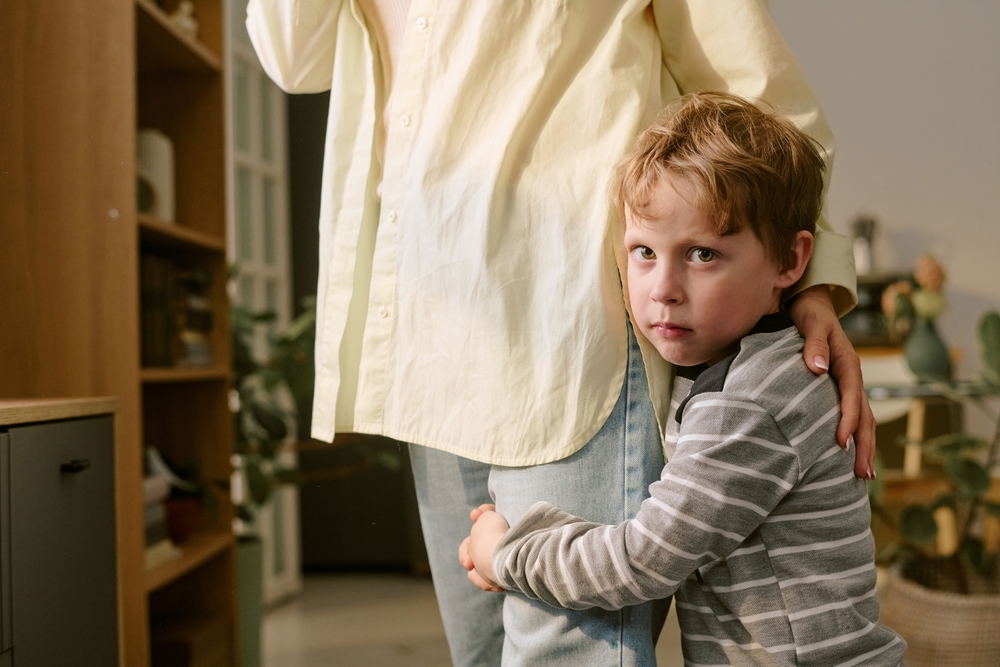
Parents often assume kids are “fine” if they’re quiet, compliant, or independent, but silence can hide confusion, anxiety, and fear. Many children learn early that certain emotions are inconvenient or uncomfortable for adults, so they keep them inside. Over time, that silence becomes emotional distance, not peace.
Homes that lack emotional dialogue don’t look chaotic, but they often feel disconnected. Kids don’t need constant therapy-level conversations, but they do need regular emotional check-ins and validation of how they feel.

Image Source: Shutterstock.com
Discipline Without Emotional Safety Backfires
Rules without emotional safety create obedience, not understanding. Kids may follow instructions but fail to develop emotional intelligence or internal self-regulation. When discipline happens without empathy, children learn compliance through fear instead of growth through understanding.
Emotional safety doesn’t remove consequences; it reshapes how they’re delivered. A calm explanation paired with accountability teaches responsibility far better than punishment alone. When kids feel emotionally safe, they’re more likely to take responsibility instead of becoming defensive or withdrawn.
Parents Often Model What They Learned
Most parents didn’t grow up talking openly about emotions, so they’re trying to build something they never experienced. Emotional avoidance often passes through generations, not because of neglect, but because of habit.
Many adults learned to suppress feelings, minimize problems, or “stay strong,” and they unintentionally teach the same patterns at home. Awareness changes everything. Parents who model emotional honesty teach kids that feelings aren’t threats—they’re information.
Emotional Safety Protects Mental Health Long-Term
Homes that feel emotionally safe don’t eliminate stress, but they change how stress gets processed. Kids raised in emotionally supportive environments develop stronger emotional regulation skills and healthier coping mechanisms. They’re more likely to seek support instead of isolating during difficult moments.
Emotional safety doesn’t prevent anxiety or sadness, but it gives kids tools to navigate those experiences. Long-term mental health outcomes improve when emotional communication starts early. It’s one of the strongest protective factors parents can offer.
Small Daily Habits Build Emotional Safety
Emotional safety doesn’t come from big speeches or perfect parenting moments—it comes from daily interactions. Listening without interrupting, validating feelings, apologizing when wrong, and staying calm during conflict all matter more than grand gestures.
Even simple habits like sitting down during conversations or putting phones away build connection. Kids notice presence more than perfection. Consistency builds trust, and trust builds safety.
Emotional Safety Makes Stronger Families, Not Fragile Ones
Families with emotional safety don’t fall apart—they adapt. Conflict still happens, but it becomes constructive instead of destructive. Communication stays open instead of defensive. Kids learn that mistakes don’t threaten love, and emotions don’t threaten belonging.
Emotional safety doesn’t remove hardship; it strengthens how families face it together. Homes built on emotional trust create resilience that lasts far beyond childhood. Strong families grow from emotional connection, not emotional control.
The Homes That Shape Confident Adults
The most powerful legacy parents leave isn’t financial, academic, or material—it’s emotional. Homes that prioritize emotional safety raise adults who trust themselves, communicate clearly, and form healthier relationships. Emotional safety doesn’t require perfection; it requires presence, patience, and intention. It grows through daily choices, not dramatic transformations. When emotional safety becomes part of family culture, everything else improves naturally.
Are we teaching kids how to manage emotions or just how to hide them—and what kind of adults will that create in the long run? Do you have insight and opinion on this important parenting matter? Let’s hear about it in the comments.
You May Also Like…
Are Parents Overlooking Trauma Caused by “Normal” Discipline?
7 Old-School Parenting Habits That Still Save Families Money
6 Emotional Triggers Hiding in Classic Children’s Books
Quick Fixes for Parents to Avoid the “I’m Bored” Meltdown at Home
The post Are Parents Talking Enough About Emotional Safety at Home? appeared first on Kids Ain't Cheap.