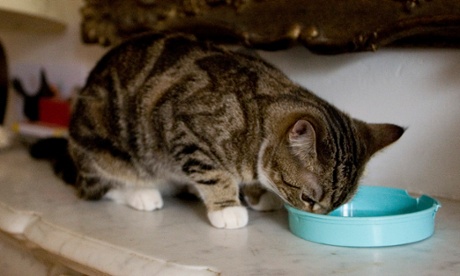
Thanks to a decade of “consumer-facing” campaigns à la Hugh Fearnley-Whittingstall’s Fish Fight we know how to seek out (MSC) blue ticks at the supermarket. We’re tentatively trying pollock to take the pressure off depleted stocks. But you’ve identified a real problem. We’re not so great at pet food, where globally 2.48m tonnes of “forage fish”, around a 10th of the global catch, ends up. That’s fish like herring, sardines and anchovies shovelled into the bellies of the world’s moggies. Talk about fat cats – even the global harp and grey seal population only gets through 1.7m tonnes. The average Stateside pet eats 13.6kg of fish a year – double that consumed by the average American human.
But it gets much worse. Recent investigations have revealed that 50 countries are crewing ships through human trafficking. That includes the large industrial Thai fleet. Once you read about it, it’s hard to forget the details of the horrific abuses suffered by Rohingya, Cambodian and Myanmar migrants sold into slavery. One investigation found men kept in cages to prevent escape.
These poor people are forced to spend years at sea working in purse- seine fisheries. The investigations link these horrific fleets to products we buy – especially pet food. Slavery taints thousands of products, given that forage fish are rendered for fish oil and fishmeal. In fact your own consumption of fish oil through supplements may well be negligible compared to your indirect consumption through other means.
Despite efforts to develop fish meal and oil substitutes from algae, agricultural by-products and other nonfish sources, nearly 40% of total global aquaculture uses fish oil and fishmeal to feed other fish, including non-carnivorous species like shrimp or tilapia. So forage fish ends up in the food chains of millions of livestock.
The exposure of slave-crewed ships will, I hope, push the giant pet food conglomerates to trace their supply chains more carefully. We must keep the pressure on.
According to global fisheries expert Giovanni Turchini, a good thing you can do is resist the urge to turn your cat into a greedy gourmet. Upscale wet cat food stuffed full of “luxury” fish should be off the menu. Our feline friends are very happy with less problematic by-products from the fish filleting industry – ironically found in own-brand canned food perceived as downmarket. Trout offal, anybody?
Green crush
Yes, we’ve had rulers made from old office cups and clipboards from old computer motherboards, but here’s some stationery from a Danish company that really promises gives something back to the environment.
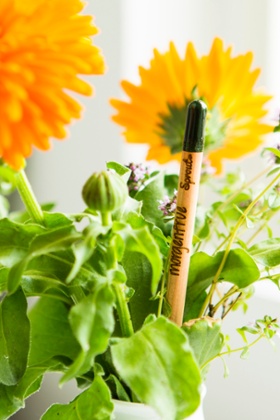
The aptly named Sprout pencil is made from FSC-certified wood and features a capsule at the top where traditionally an eraser would have been – and this little capsule contains GMO-free plant seeds. To make it grow, you simply use your pencil until it’s a stub, then plant it in soil and water. There are 12 different plants to choose from, including coriander, mint, basil, marigolds, forget-me-nots, cherry tomatoes and sunflowers. sproutworld.com
Greenspeak: congratuvism {kon-grat-yoo-vis’m} noun
Congratuvists organise a public pat on the back (via social media) for organisations that take an ethical stance. Most recent: praising airlines that refused to ship hunting trophies from Africa (RIP Cecil the lion)