
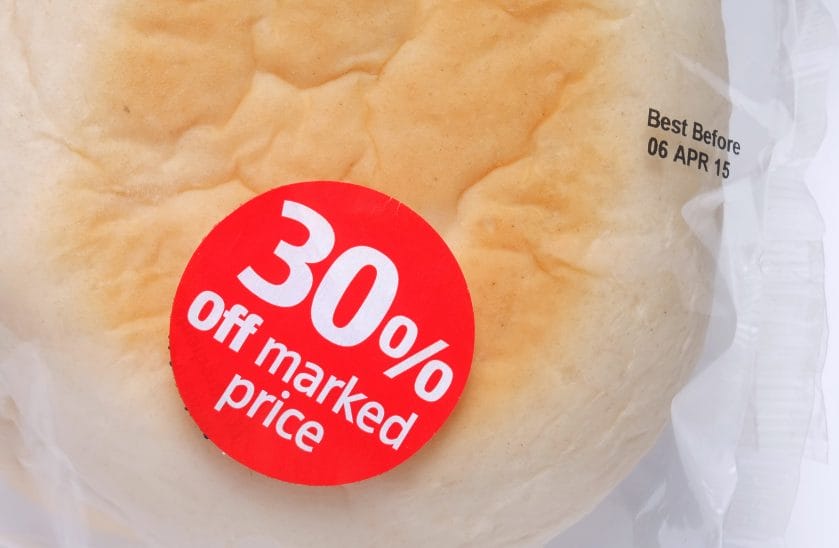
There is a pervasive assumption among shoppers that cooking at home is inherently healthy, and therefore, any deal found at the grocery store supports a better lifestyle. However, a closer examination of weekly flyers reveals a troubling truth about the economics of nutrition. Retailers and manufacturers discount processed, shelf-stable foods far more frequently and aggressively than they do fresh, nutrient-dense whole foods. If you let the yellow sale tags dictate your diet, you might save money in the short term, but you will likely fill your cart with sugar, sodium, and empty calories.
The Subsidy Problem
The root of this disparity lies in agricultural subsidies. Crops like corn and soy are heavily subsidized, making ingredients such as high-fructose corn syrup and soybean oil incredibly cheap to produce. Manufacturers use these inexpensive inputs to create processed snacks like crackers, cookies, and soda, which have massive profit margins. These high margins allow companies to run deep “Buy One Get One Free” promotions while still making a profit. In contrast, fresh crops like broccoli and peppers have much tighter margins and a high risk of spoilage, meaning farmers and grocers cannot afford to offer deep discounts on them nearly as often.
The “Loss Leader” Trap
Grocery stores frequently use junk food as “loss leaders” to drive foot traffic. Front-page advertisements often feature soda, chips, and frozen pizzas at rock-bottom prices because retailers know these items have mass appeal. The strategy is to get you into the store for cheap snacks, hoping you will fill the rest of your cart with full-price meat and essentials. If you strictly shop the sales, your pantry will disproportionately fill up with hyper-palatable, nutrient-poor foods that sabotage your health goals.
Distinguishing “Distressed” from “Processed”
It is crucial to distinguish between the two types of sales. The dangerous sales are the marketing-driven promotions on processed goods. The beneficial sales are the “manager’s specials” on fresh food. Produce that is marked down because it is slightly bruised or near peak ripeness is an excellent health buy. This discount is based on inventory management and spoilage risk, not a marketing budget. Buying “ugly” fruit or meat nearing its sell-by date allows you to eat whole foods for the price of processed ones, but you must consume them quickly.
The Danger of Bulk Buying
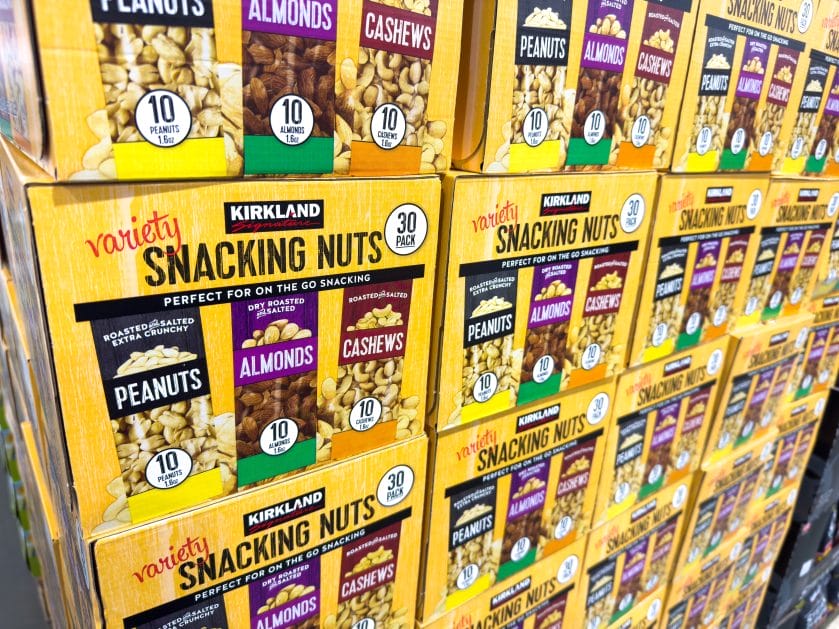
Sales encourage volume purchasing, which can be detrimental when applied to junk food. When a shopper buys five boxes of cookies because they are cheap, they create a “consumption pressure” at home. Having an abundance of treats in the pantry invariably leads to eating more of them simply because they are there. Saving money on junk food is a false economy if it leads to poor health outcomes.
Reading the Label Before the Price
To navigate this minefield, shoppers must prioritize the ingredient list over the price tag. A fifty percent discount does not change the fact that a product is loaded with added sugar. Ignore claims like “Low Fat” or “Natural” on the front of the box and scrutinize the nutritional facts. If a sale item does not align with your dietary goals, leaving it on the shelf is the smarter financial and medical decision.
Strategic Spending
The best approach is to bank the savings from non-food items like toilet paper and detergent and reinvest that money into full-price fresh vegetables and proteins. Do not let the marketing department’s discount schedule dictate your health. Real food is worth the fair price, while unhealthy food is expensive at any cost.
What to Read Next
The Resolution Tax: Why Healthy Groceries Spike in Price Every January
Stop Buying These 5 Healthy Foods If You Really Want to Lose Weight
6 Foods That Used to Be Healthy Until Companies Changed the Recipe
9 Label Tricks That Convince You Something Is “Healthy” When It’s Not
How Healthy Label Claims Exploit Health-Conscious Shoppers
The post Are Discounted Grocery Items Really Healthier Buys? appeared first on Grocery Coupon Guide.