Body cameras can be worn by anyone, but most of us associate body cameras with law enforcement officers, individuals who are generally required to wear body camera footage as they carry out their job duties.
Body camera footage can be controversial, and, sometimes, highly revealing to the way people act and the fashion in which law enforcement officers carry out their jobs. As such, you may be wondering if body cameras are public record so you can review this footage and ensure that legal procedures are being followed properly.
What Is a Body Camera?
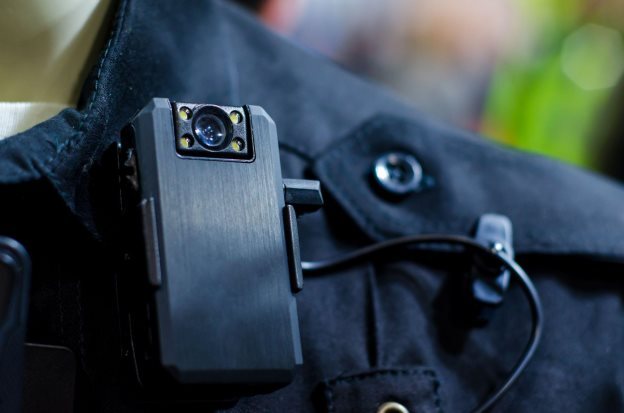
A body camera is any type of camera that someone wears on their body. With law enforcement officers, body cameras are typically part of their uniforms, and they are worn at around chest level. This allows the footage to record almost exactly what the officer is seeing, while capturing audio and the exact playout of events as an officer conducts their job. Oftentimes, body camera footage is utilized in court cases and during criminal trials.
Are Body Cameras Always On?
There are a couple of different types of body cameras. Some body cameras are always on, but only recordings where an incident or evidence was captured will be uploaded to a database. Other body cameras are activated by the officer pressing a button, or they may automatically be activated to record when the officer makes a sudden motion or when sound is detected.
Are Body Cameras Public Record? Find Out Below
Body camera footage is public record, as it is a matter of public safety and transparency for individuals to be able to see how officers carry out their jobs. However, you may need to submit an official request to access body camera footage, as there is no database where you can just go and browse all different kinds of body camera recordings; however, you can find many other public records, like any charges against officers, through designated search tools like this one.
Typically, only recordings that capture evidence or significant incidents will be maintained by the police department’s database. These recordings may be utilized as evidence in criminal proceedings, or they may be kept as part of the checks and balances required of police officers.
Often, certain significant body camera recordings are released to the public, such as when officers are trying to identify a suspect, or when a national incident has taken place and news stations broadcast the footage. Body camera footage may also be released online after a certain time period for the public to review.
How Can I Request Body Camera Footage?
If you wish to request body camera footage from a law enforcement officer, you will likely need to submit a Freedom of Information Act (FOIA) request. This request is one of the most straightforward ways to access body camera footage, as there are few exceptions. If you need body camera footage for a court case, you might need to work with a lawyer to request the body camera footage as evidence to be presented in front of the court.
This guideline gives you an overview of all of the laws governing body camera footage and the public’s access to it. In some states, you might be able to access body camera footage directly through public websites, as there are laws in place stating officers must release this footage after a certain period of time.
Is Body Camera Footage Censored?
Body camera footage is generally not censored when requested directly or presented in front of the court. However, if law enforcement is still working on a case, if there are extremely graphic parts of a video, or if minors are involved in the video, censoring might be put in place for the privacy and safety of victims.
Are Body Cameras Public Record: Know Your Rights
Body camera footage that comes from law enforcement officers can be a controversial topic, though, most of the time, the footage that comes from these cameras is considered public record. It’s important to totally understand the laws in your state government body camera footage and how to request access to this footage, as keeping an eye on how law enforcement officers conduct themselves can be a great way to maintain proper checks and balances.
If you are confused about body camera footage access or you have a legal concern, you may need to speak to a lawyer in your area to explore your next steps for accessing important body camera footage.