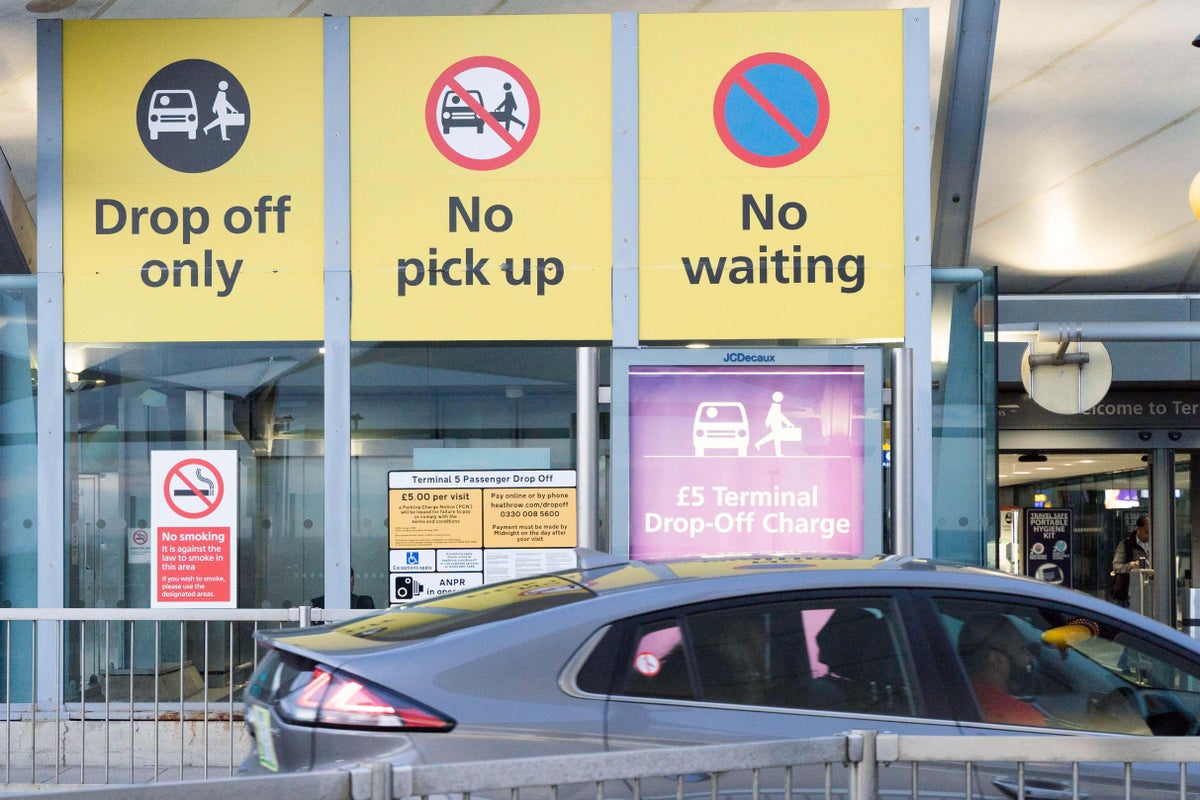
“Drop-off rip-off”: that’s the accusation from some motorists after the UK’s busiest airport announced another rise in the fee for dropping off or picking up passengers.
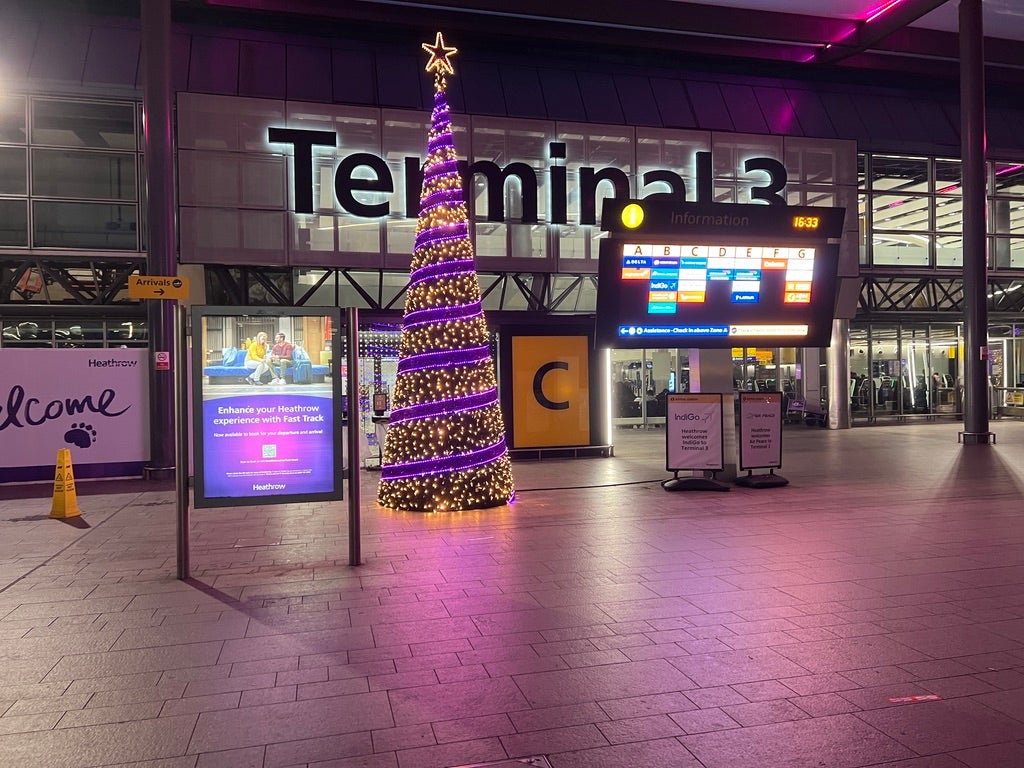
From the new year, London Heathrow will increase the charge for drivers for stopping outside any of the four terminals from £6 to £7, and bring in a maximum 10-minute stay before a £40 penalty applies.
The Heathrow charge went up by a pound at the start of this year, too, which means a 40 per cent rise since the charge was brought in four years ago at a fiver. Heathrow points out that it’s simply raising the fee to match other leading airports.
Motorists must go online and pay the charge by midnight the following day – if they don’t, the penalty charge is £40 if paid within a fortnight, rising to £80 after that.
RAC senior policy officer Rod Dennis said: “While Heathrow understandably needs to manage its limited on-site space, 10 minutes is very little time for drivers to help passengers with mobility issues or a lot of bags get to the terminal. In many cases, drivers aren’t intentionally overstaying, they’re just trying to help a family member or friend catch their flight.”
The airport says blue badge holders won’t need to pay, nor face the 10-minute limit. Other passengers can avoid the charge by being dropped off at a long-stay car park and waiting for a shuttle bus, but that is unappealing on a cold winter’s morning.
Like other airports, Heathrow insists this isn’t just a money-making exercise – it is also a “green” measure, nudging passengers to use the rail, Tube and bus options rather than driving, thereby reducing noise, congestion and emissions.
Across the capital, London City is also about to bring in a drop-off fee. Until now it has been the only major UK airport without one.
The starting date and fee has not been revealed for the Docklands airport, but it is likely to be £7 – matching competitor airports at Southend (which went from zero to £7 during the summer), Luton, Stansted, Gatwick and, from New Year’s Day, Heathrow.
London’s airports, as well as Manchester, Birmingham and Edinburgh, can legitimately claim to be incentivising more sustainable access because there are good public transport alternatives. That is a tougher argument at airports such as Bristol and Leeds Bradford with limited bus access (and, in the case of Bristol, a £9 fare for the 26-minute journey from Temple Meads station).
Drop-off charges began at Birmingham airport as a response to the terrorist attack at Glasgow airport in 2007, which required all terminals to rework their access system and build barriers to prevent anyone driving an explosives-laden vehicle into an airport.
The West Midlands hub wanted to offset some of the cost. It soon became clear that people were prepared to pay a fee. The idea spread quickly across the UK, which is world-leading in the field.
The practice of charging for dropping off passengers outside the airport terminal is largely unknown abroad – though on Wednesday I was charged an extra fee of 30 rupees (25p), for being picked up by an auto-rickshaw at Chandigarh railway station in northern India. The aim there is to reduce congestion outside the station.
So what do airports do with the cash they earn? Like all these charges, a chunk of it goes into operating the system and policing the airport forecourt. What’s left is another stream of revenue, along with parking fees and a slice of everything spent in the terminals, from coffee to duty-free.
Airports also earn money from each plane and passenger they handle. Many airports say that revenue from drop-off fees helps keep these charges down, incentivising airlines to launch a wider range of flights.
Heathrow has no need to incentivise airlines to fly: they are desperate for slots. It has the highest passenger charges in Europe. The more the airport earns, the more that can be returned to investors. Heathrow’s main owners comprise a French private equity fund and the Saudi and Qatari sovereign wealth funds. Where’s that Tube station?