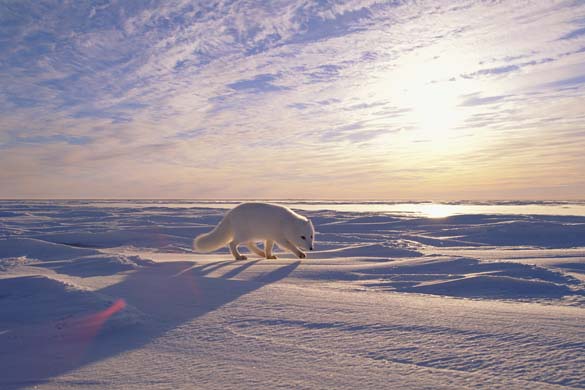
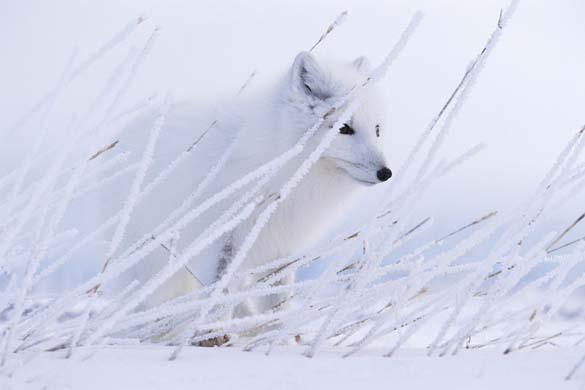
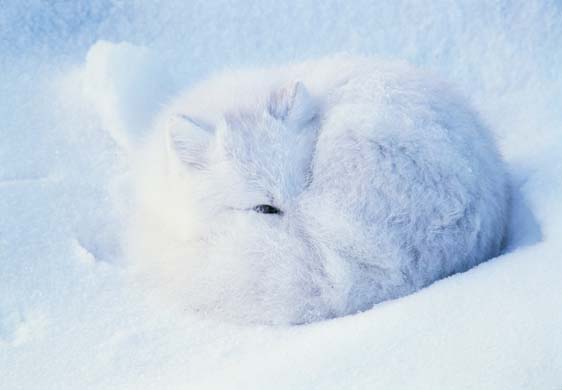
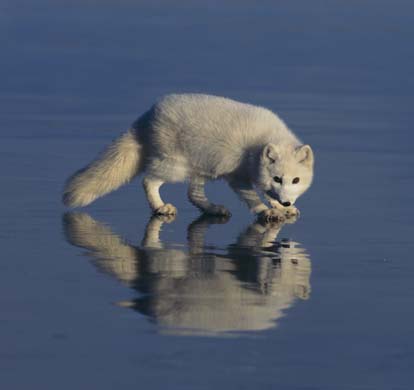
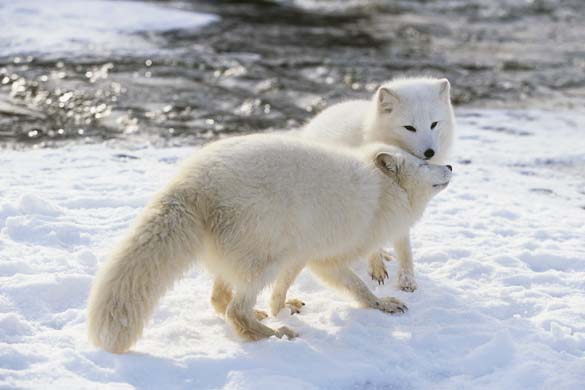
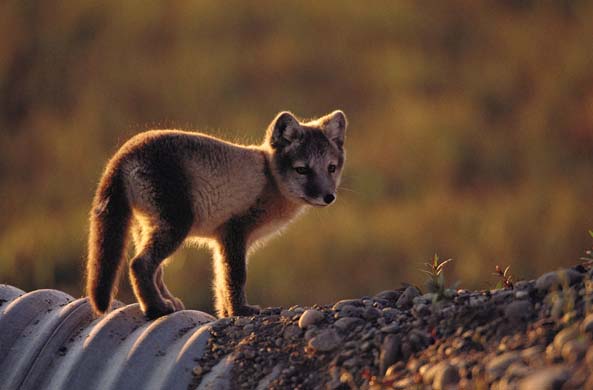
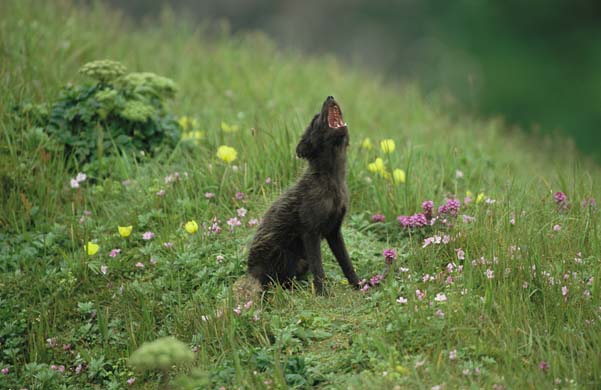
Arctic foxes could struggle as the ice continues to disappear, scientists have discovered, because they rely on the frozen seas to survive bleak northern wintersPhotograph: Paul Nicklen/GettyResearchers tracked the movements of 14 young foxes during their first Arctic winter in northern Alaska, where the temperature plunges to -30C amid 24-hour darknessPhotograph: Paul Nicklen/GettyArctic foxes are found on the smallest and most remote islands north of Canada and Greenland, where there are no other land mammals, except polar bearsPhotograph: Eberhard Hummel/Corbis
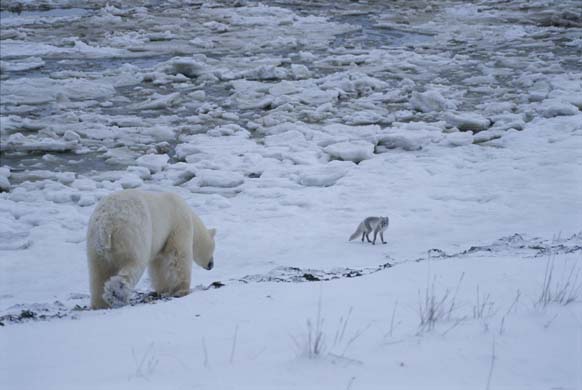
Scientists say taking to the ice could help foxes survive because there are fewer predators and food is easier to find than on landPhotograph: CorbisSea ice in the Arctic – formed from frozen sea water – has shrunk dramatically in recent years and could reach a new record this low this summerPhotograph: Michael DeYoung/CorbisArctic fox near Prudhoe Bay, Alaska. In winter, the arctic fox (Alopex lagopus) is white, but in the summer its coat becomes thinner and changes to a brown and yellow colour Photograph: Joel Sartore/GettySt. Paul Island, Pribilof Islands, Alaska. The Arctic fox is omnivorous. Its diet consists of muskrats, squirrels, hares, birds, eggs, carrion and voles – which seem to be its preferred foodPhotograph: Joel Sartore/GettyManitoba, Canada. Polar bears occasionally kill unwary foxes. In the pack ice of the far north the Arctic fox follows the polar bear to feed on leftovers from their killsPhotograph: Paul Nicklen/Getty
Sign up to read this article
Read news from 100’s of titles, curated specifically for you.