Archaeologists discover a 'Little Pompeii' in southern France
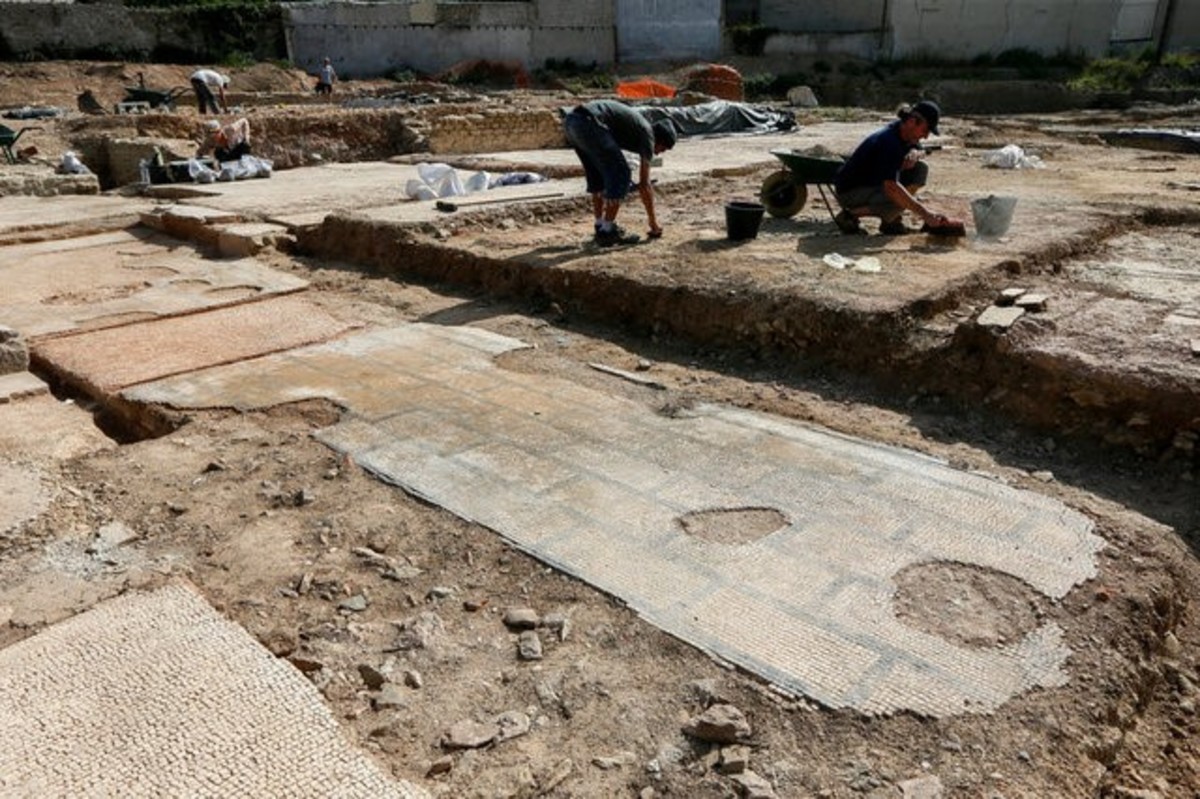
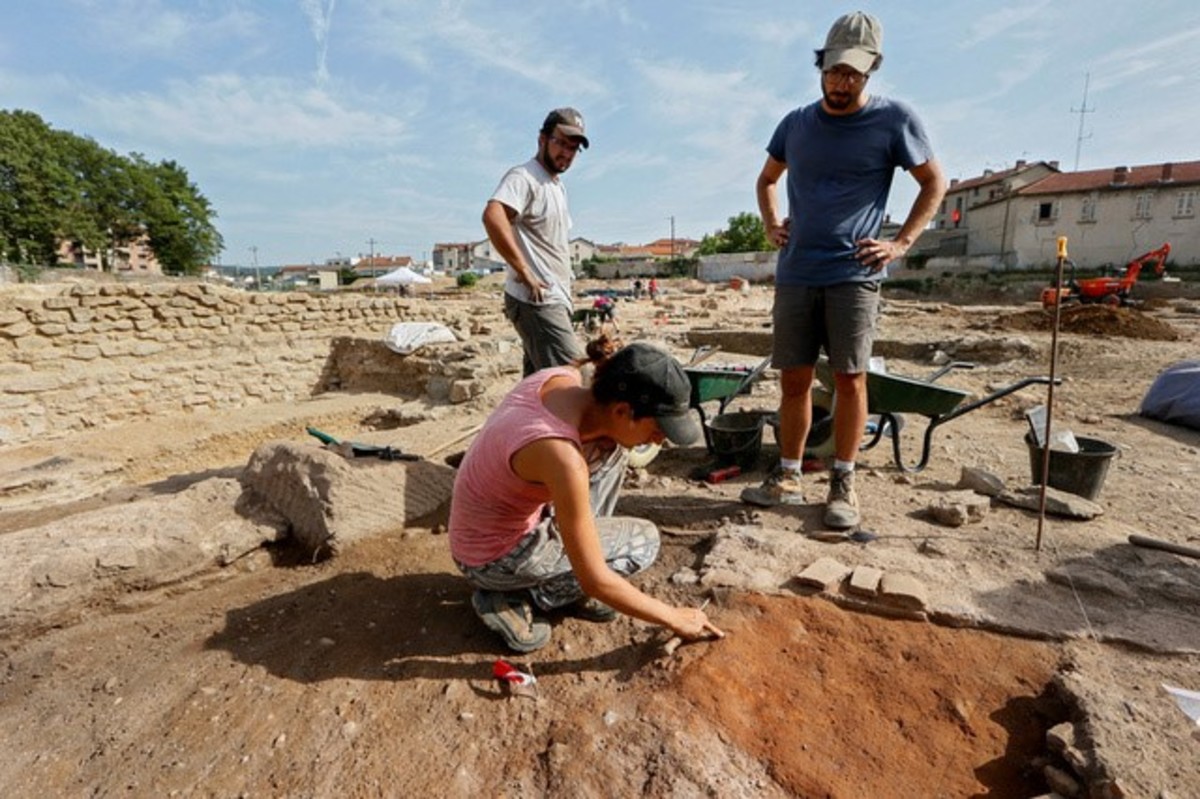
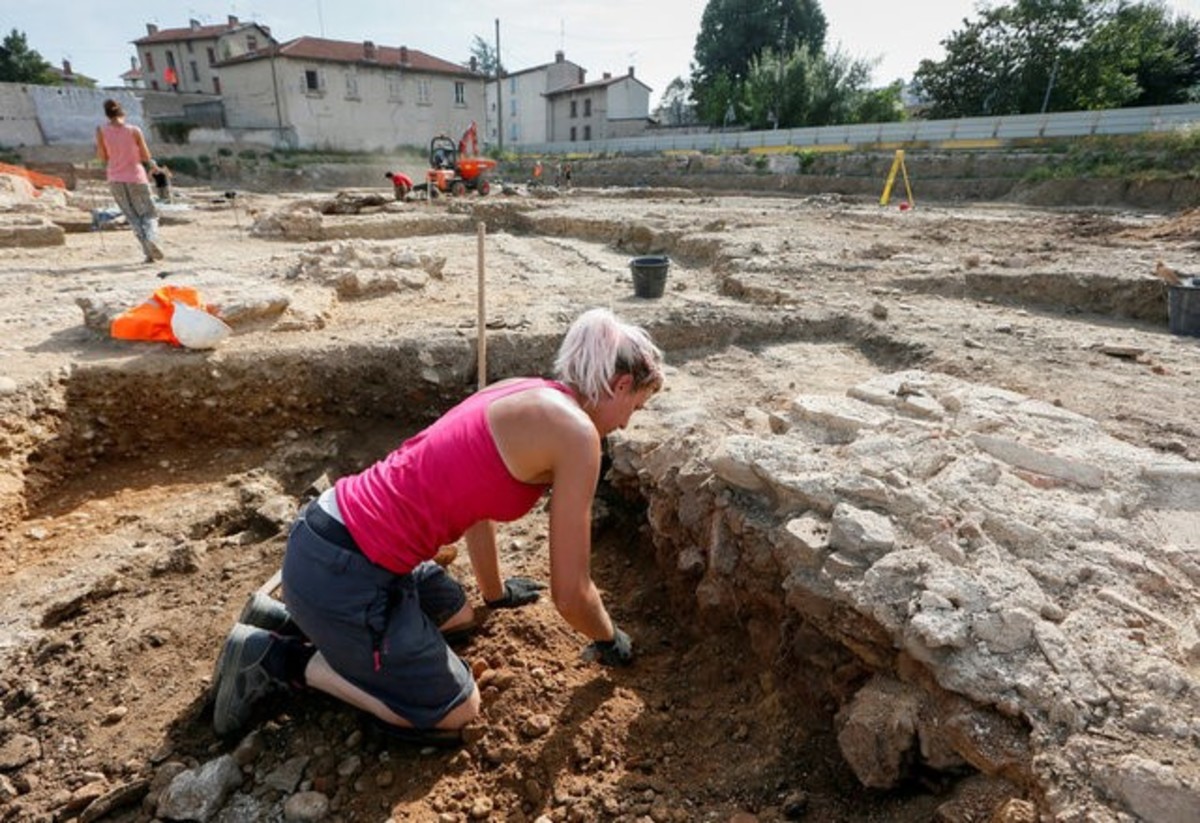
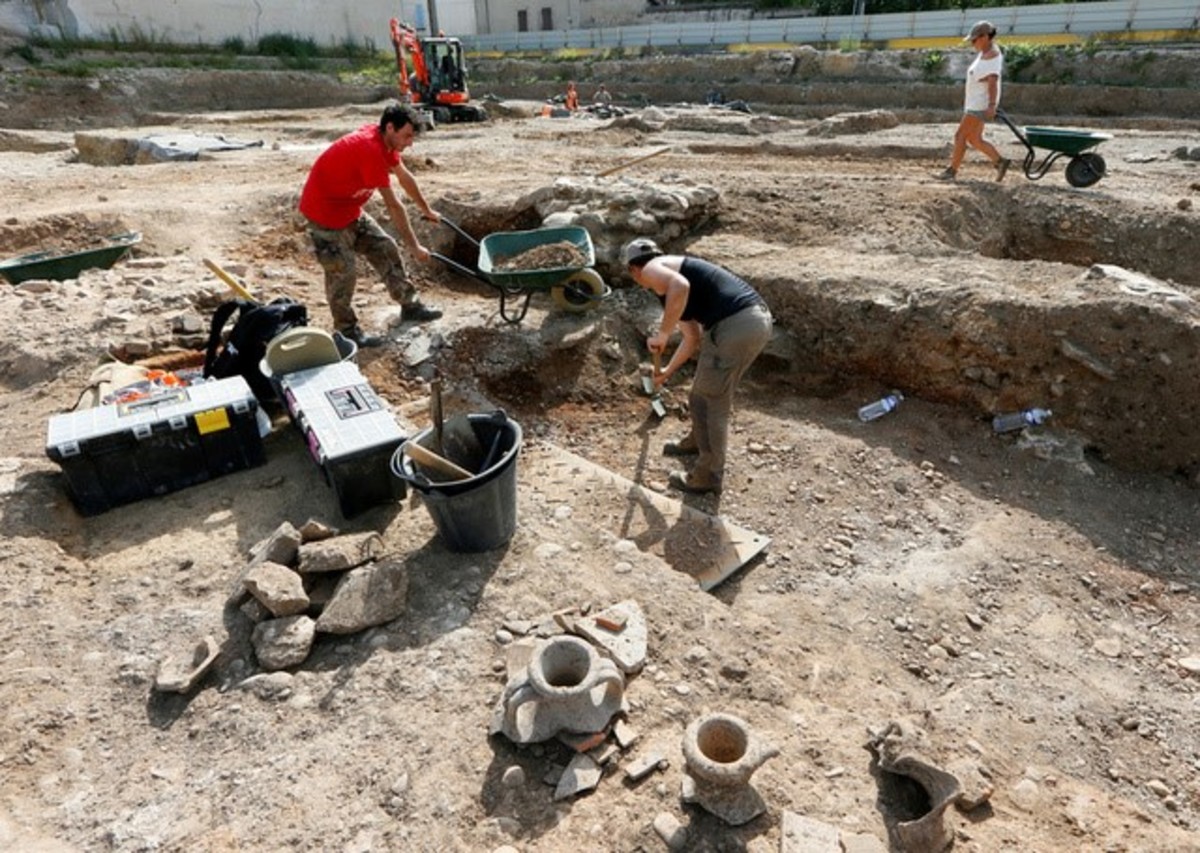
Archaeologists work during the excavation of an ancient Roman neighborhood on a site awaiting construction in Sainte-Colombe near Vienne, southeastern France, August 3, 2017. Picture taken August 3, 2017. REUTERS/Robert Pratta
SAINTE-COLOMBE, France (Reuters) - French archaeologists have unearthed the ruins of a Roman settlement in southern France that was deserted by its inhabitants after fires that ultimately helped preserve the site now being dubbed "Little Pompeii".
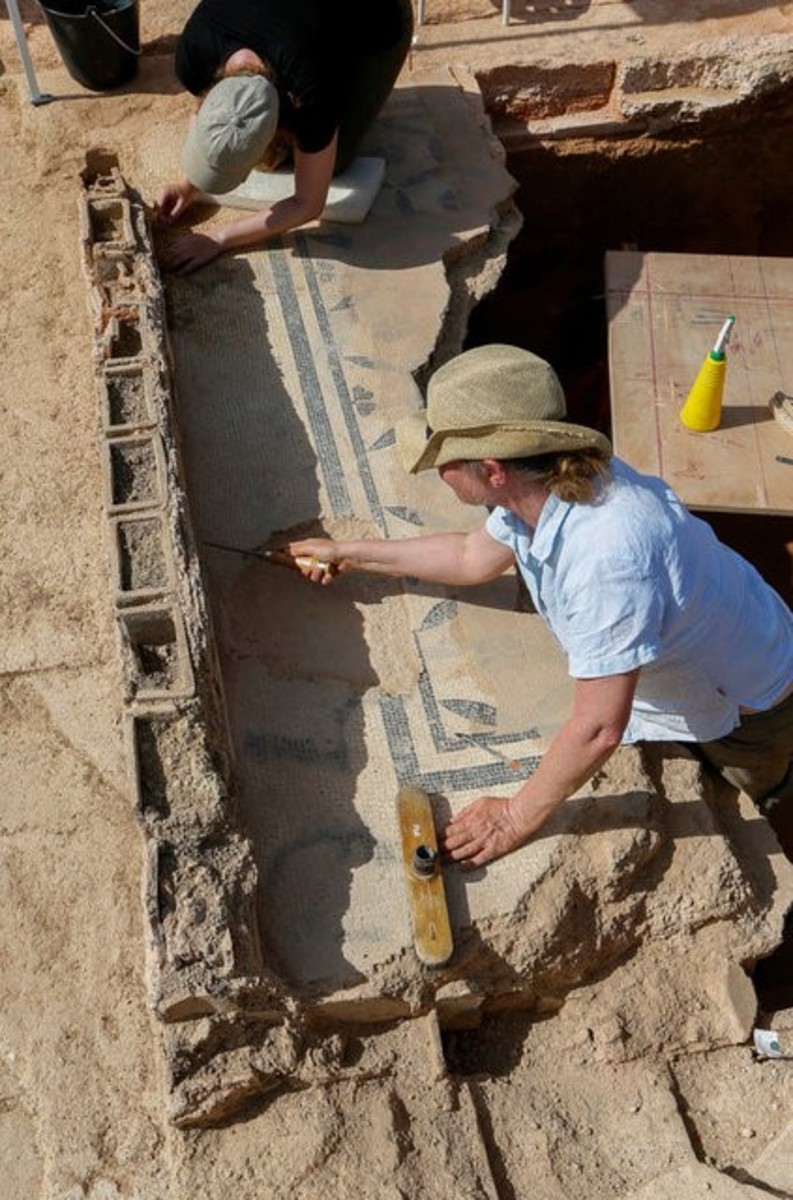
The site on the banks of the Rhone near the town of Vienne, discovered on land earmarked for a new apartment complex, has revealed luxury homes, mosaics and items of furniture that date back to the 1st century AD.
Ash from the fires helped preserve the ruins, just as the Roman city of Pompeii was largely preserved after being buried in volcanic ash from Mount Vesuvius.
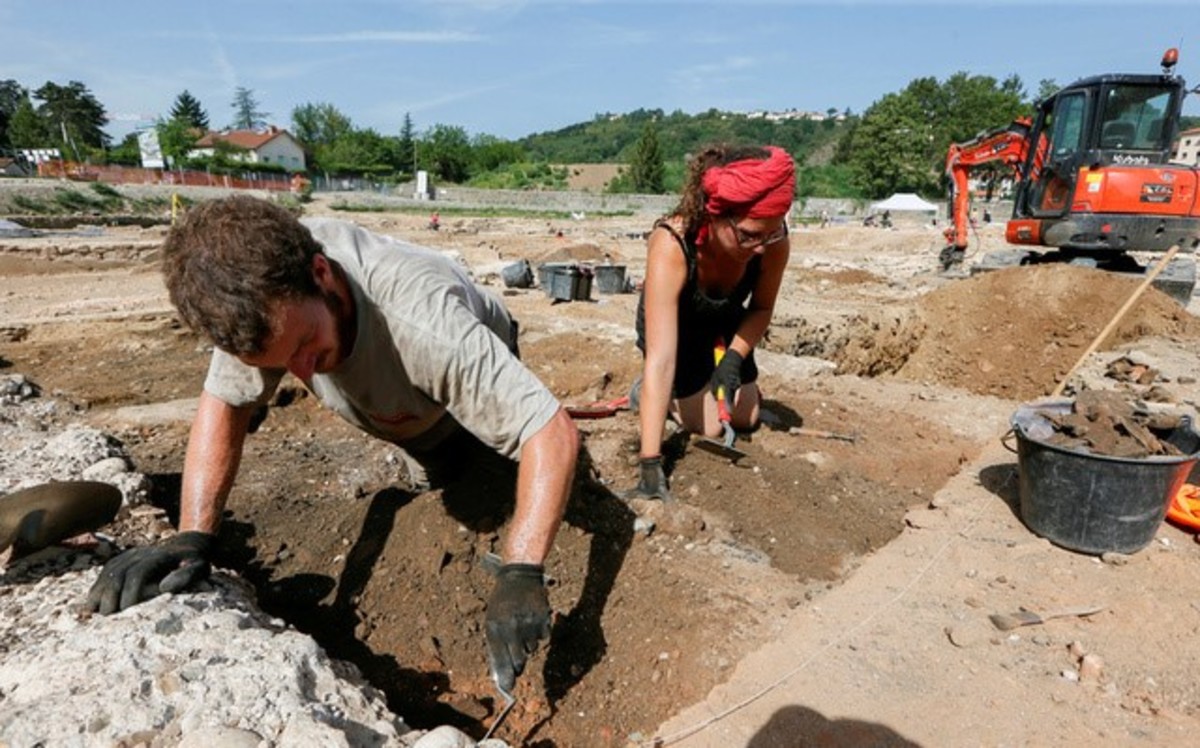
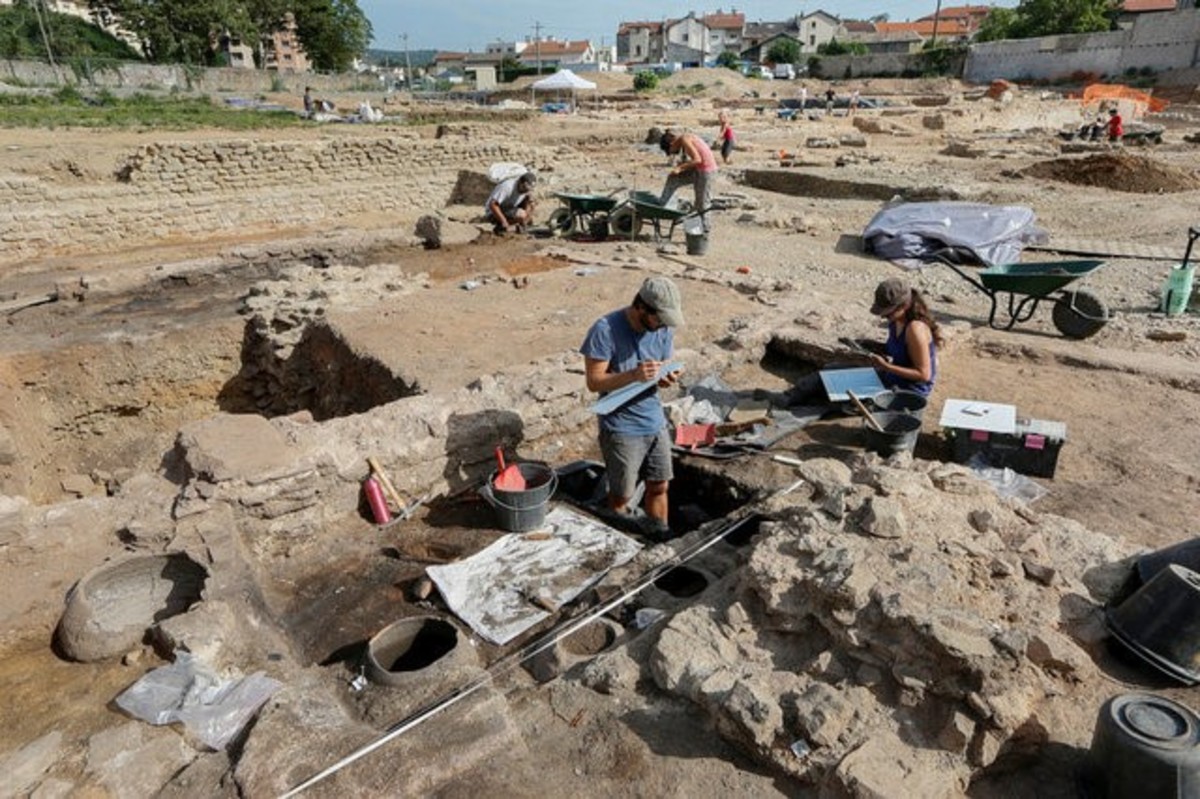
Archaeologists work during the excavation of an ancient Roman neighborhood on a site awaiting construction in Sainte-Colombe near Vienne, southeastern France, August 3, 2017. Picture taken August 3, 2017. REUTERS/Robert Pratta
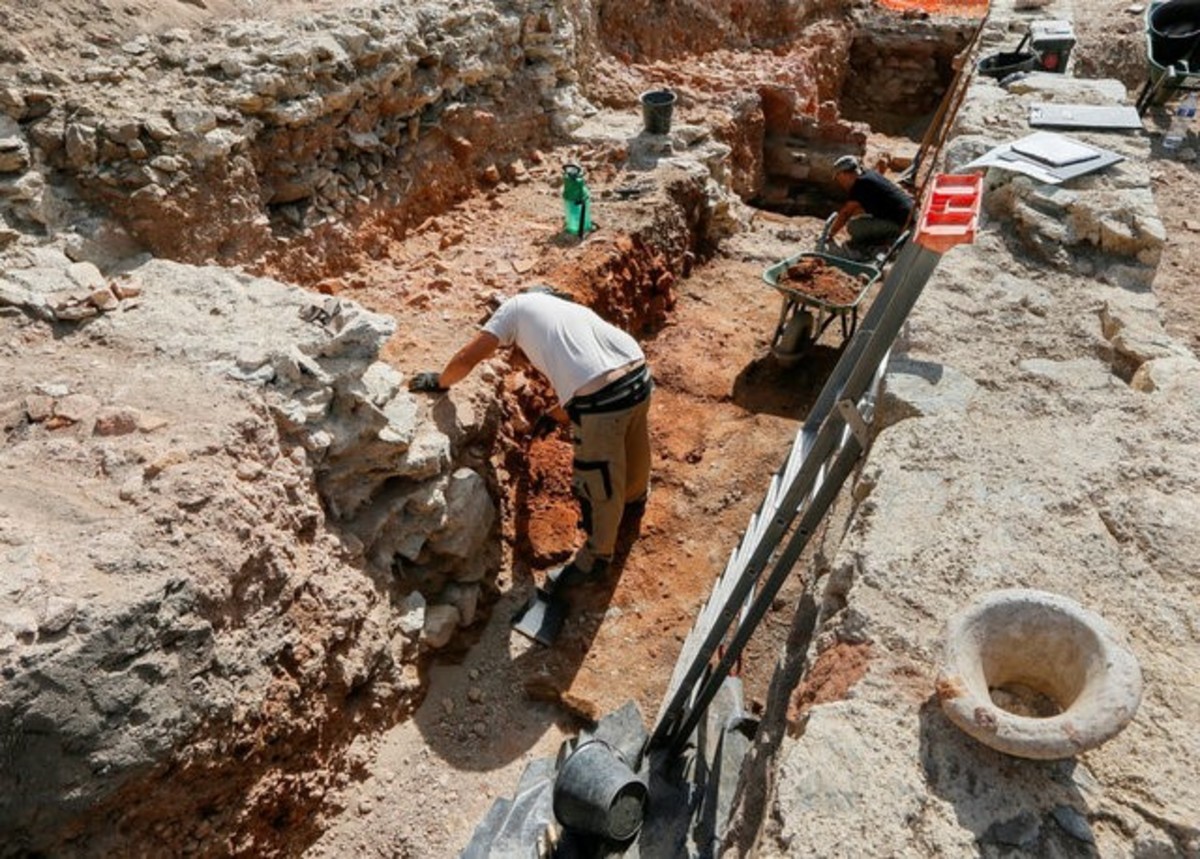
"The two fires fossilized, solidified the entirety of the remains ... in every space we found furniture left by the inhabitants who had to flee the fire," said lead archaeologist Benjamin Clement.
"It's rare to discover such a well preserved site."
Found among the ruins was a near-complete mosaic showing Thalia, the muse and patron of comedy, being kidnapped by the god of the satyrs, Pan.
Archaeologists work during the excavation of an ancient Roman neighborhood on a site awaiting construction in Sainte-Colombe near Vienne, southeastern France, August 3, 2017. Picture taken August 3, 2017. REUTERS/Robert Pratta
The remains will be measured, photographed and drawn. Some will then be removed from the Sainte-Colombe site and sent to the Gallo-Roman museum in Vienne for restoration.
(Reporting by Reuters TV; Editing by Richard Lough and Robin Pomeroy)
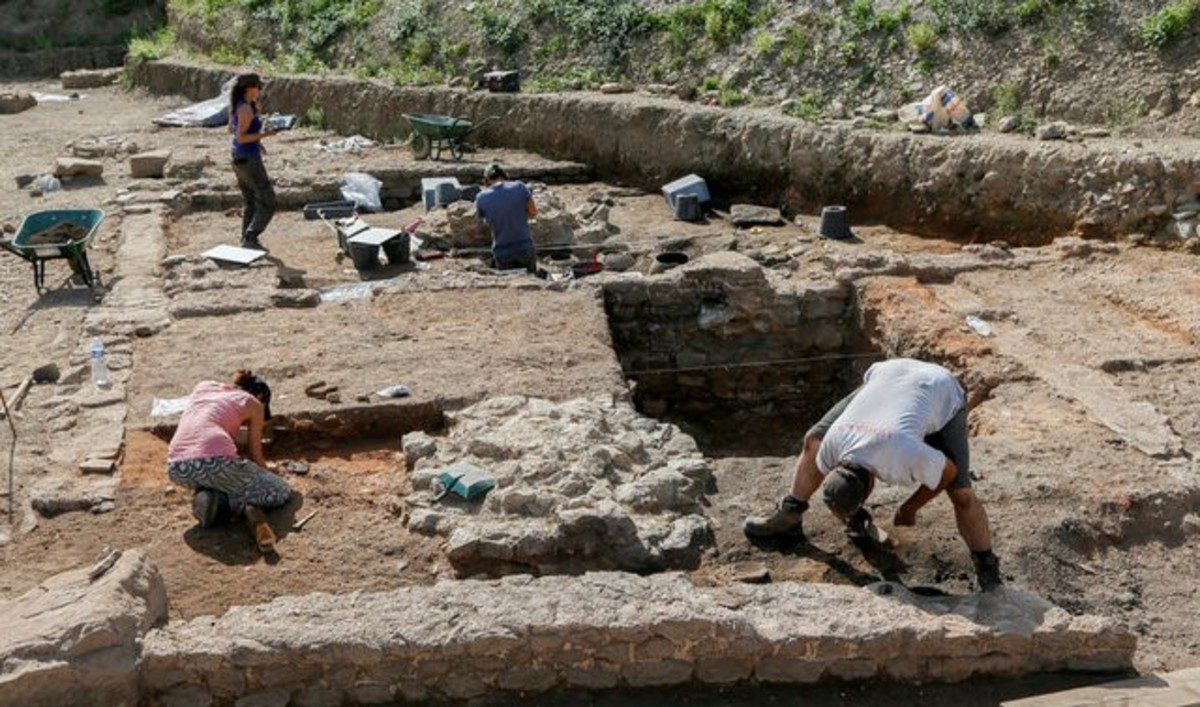
Archaeologists work during the excavation of an ancient Roman neighborhood on a site awaiting construction in Sainte-Colombe near Vienne, southeastern France, August 3, 2017. Picture taken August 3, 2017. REUTERS/Robert PrattaArchaeologists work during the excavation of an ancient Roman neighborhood on a site awaiting construction in Sainte-Colombe near Vienne, southeastern France, August 3, 2017. Picture taken August 3, 2017. REUTERS/Robert PrattaArchaeologists work during the excavation of an ancient Roman neighborhood on a site awaiting construction in Sainte-Colombe near Vienne, southeastern France, August 3, 2017. Picture taken August 3, 2017. REUTERS/Robert PrattaArchaeologists work during the excavation of an ancient Roman neighborhood on a site awaiting construction in Sainte-Colombe near Vienne, southeastern France, August 3, 2017. Picture taken August 3, 2017. REUTERS/Robert PrattaAn archaeologist works during the excavation of an ancient Roman neighborhood on a site awaiting construction in Sainte-Colombe near Vienne, southeastern France, August 3, 2017. Picture taken August 3, 2017. REUTERS/Robert PrattaArcheologists work during the excavation of an ancient Roman neighborhood on a site awaiting construction in Sainte-Colombe near Vienne, southeastern France, August 3, 2017. Picture taken August 3, 2017. REUTERS/Robert Pratta
Sign up to read this article
Read news from 100’s of titles, curated specifically for you.